José Antonio Romero
Production
Biography
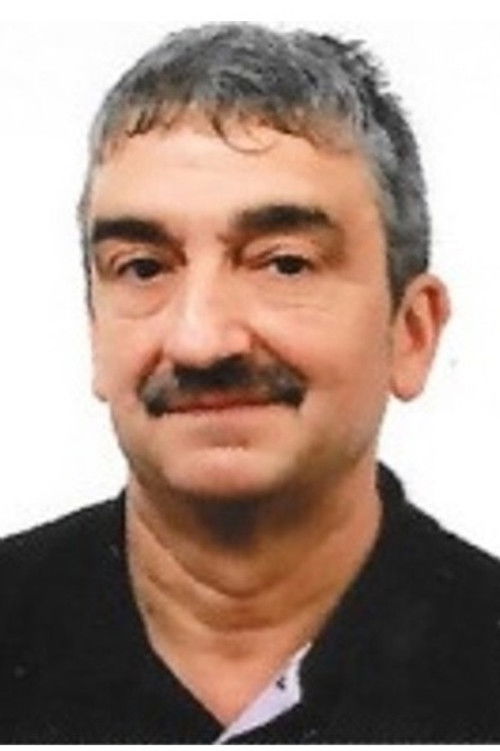
José Antonio Romero is a Spanish producer, director, and screenwriter with an extensive career across all areas of the film industry. He began as a production assistant working with Luis García Berlanga, progressing through every level of the profession until he established his own production company, with which he made several notable films. These include Se buscan Fulmontis (1999), winner of the Audience Award at the Málaga Film Festival; Buñuel y la mesa del Rey Salomón (2001), directed by Carlos Saura and selected for the Cannes and San Sebastián Film Festivals; and La flaqueza del bolchevique (2003). The latter two were recognized with Goya Awards. In 2019, he wrote and directed Flores en la basura (2019), a feature-length documentary nominated for eight Goya Awards and selected for the Málaga and San Sebastián Film Festivals. In recent years, through his production company ChinaRioja, he has continued producing documentaries and is currently developing new television fiction series projects.
Known For
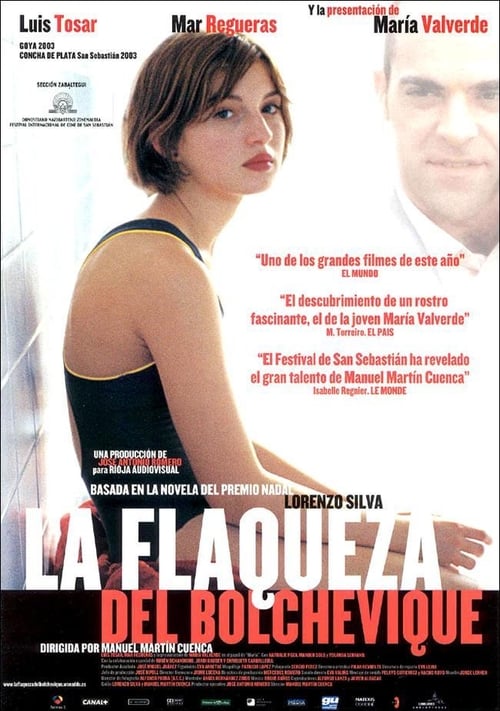
After getting into a minor traffic accident, Pablo attempts to make light of the situation by asking the driver of the other car, Sonsoles, out on a date. When she refuses and instead files an injury report, Pablo snaps and begins stalking her. He soon discovers that Sonsoles has a beautiful teenage sister, Maria, with whom Pablo is immediately infatuated -- a lust that soon turns dark. Can Pablo control his obsession, or will it consume him?
The Weakness of the Bolshevik

The old Spanish filmmaker Luis Buñuel (1900-83) imagines a movie plot, set in Toledo in the future 2002, about the fantastic adventure of three actors, who play him and his friends, the painter Salvador Dalí (1904-89) and the poet Federico García Lorca (1898-1936), and their search for King Solomon's table, a mythical artifact capable of revealing the past, present and future.
Bunuel and King Solomon's Table
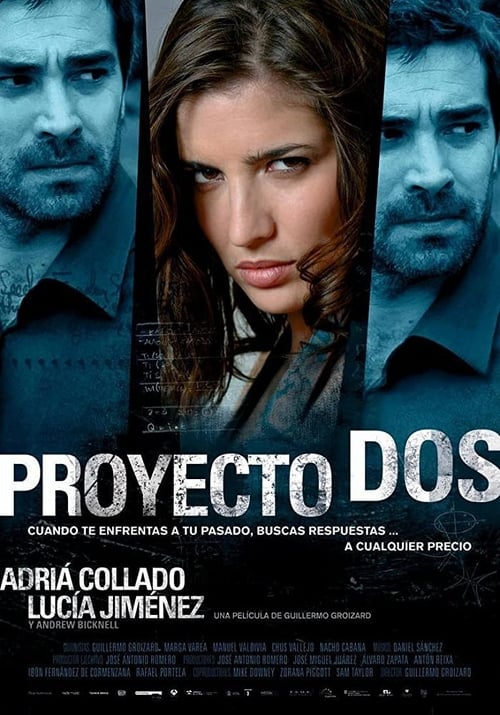
When a man of identical appearance to him is killed in the street, scientist Diego Durand realises that the flashes of déjà vu that torment him are part of a sinister secret past that he must uncover.
Proyecto Dos
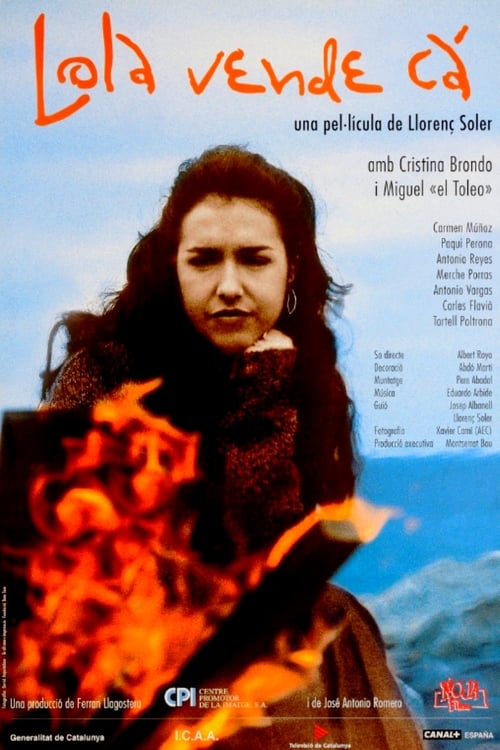
Lola is a young gypsy of uncertain origin who was adopted, as a newborn, by a family among whom she has grown up with gypsy customs and traditions. When the young woman finishes high school, she considers, against her family and her social environment, to continue her studies and pursue a teaching career. At that moment of his adolescent life, love appears when he meets Juan, a gypsy of his age.
Lola vende cá
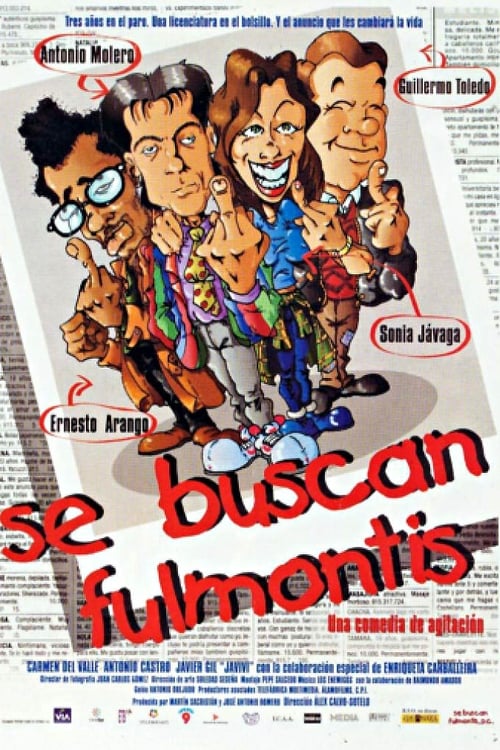
Some unemployed men look work as male stripper in a bar club, unaware the club is a cover for prostitution.
Se buscan fulmontis
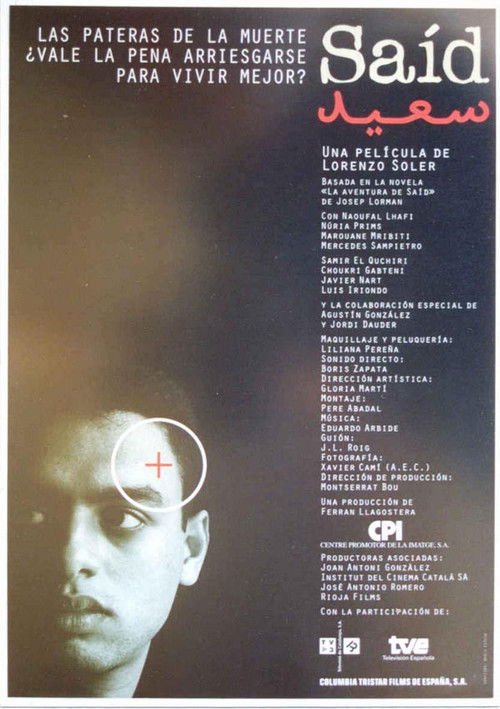
No description available.
Saíd
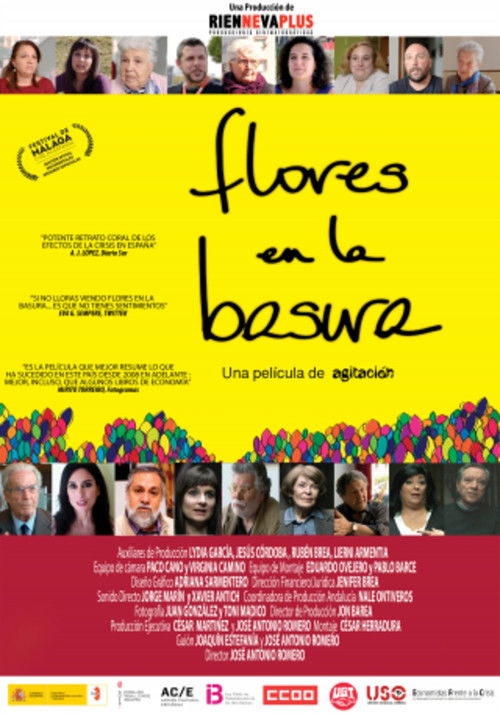
Filmed over the course of 2013 to 2019, it is a photograph of the scars left by the Great Recession in Spain. Who are the losers of this crisis? Young people, women, workers between 35 and 45 who will never again be what they trained to be, those over 45 who have lost their jobs, retirees who see their purchasing power shrink, the “emotional proletariat”… and this film is about them.
Flores en la basura
A celebration of film and wine, with Rafael Azcona, Javier Cámara and others.
Brindis por el cine
Documentary about the figure of Práxedes Mateo Sagasta on the occasion of the centenary of his death.
Sagasta, el discurso de los puentes
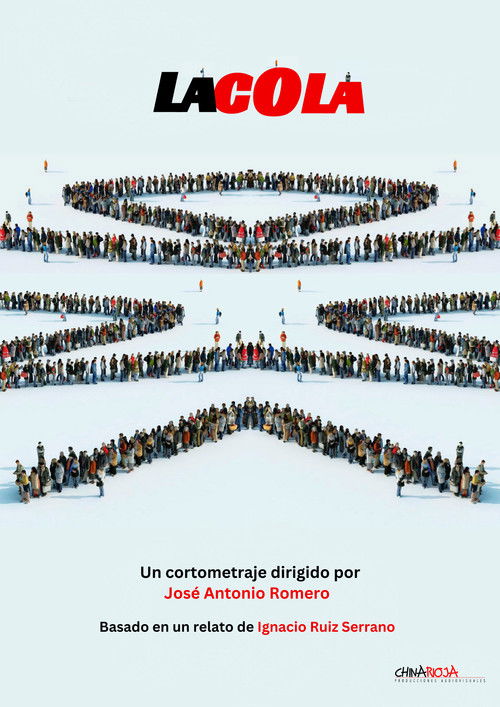
The queue is a visual poem. A reflection of this society, increasingly lacking in solidarity. It can be the unemployment line, the hunger line, the line of the sick, the retired, women, migrants. We are all standing before that door, always closed to those who have nothing and wait in vain for the Leviathan that is the State to let them in and become part of a society that casts them aside like outcasts.
La Cola
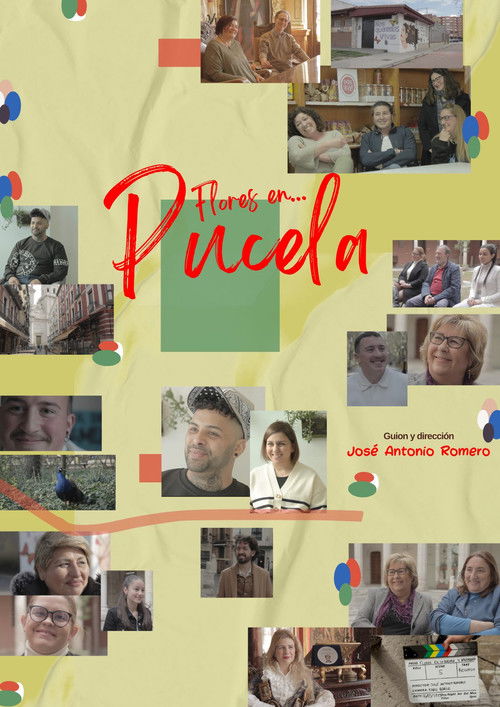
Anonymous lives… Real lives… Lives that deserve to be told.