Robert Young
Acting
Biography
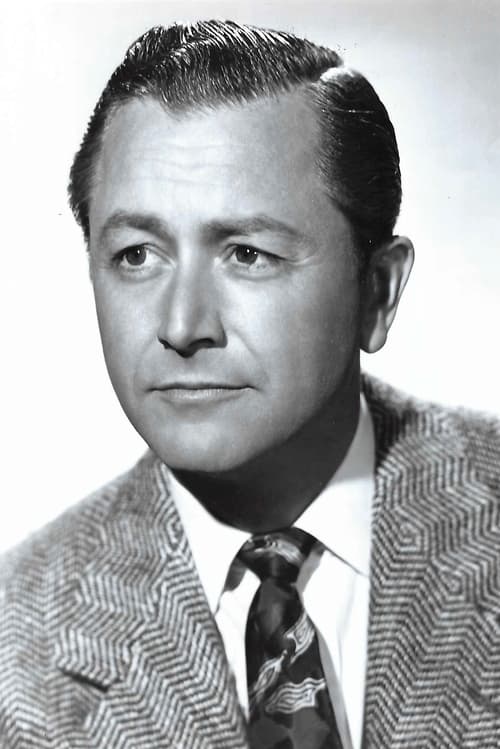
Robert George Young (February 22, 1907 – July 21, 1998) was an American television, film, and radio actor, best known for his leading roles as Jim Anderson, the father of Father Knows Best (NBC and then CBS) and as physician Marcus Welby in Marcus Welby, M.D. (ABC). Young appeared in over 100 films between 1931 and 1952. After appearing on stage, Young was signed with Metro-Goldwyn-Mayer and, in spite of having a "tier B" status, he co-starred with some of the studio's most illustrious actresses, such as Katharine Hepburn, Margaret Sullavan, Norma Shearer, Joan Crawford, Helen Hayes, Luise Rainer, Hedy Lamarr, and Helen Twelvetrees. Yet, most of his assignments consisted of B movies, also known as "programmers," which required two to three weeks of shooting (considered very brief shooting periods at the time). Actors who were relegated to such a hectic schedule appeared, as Young did, in some six to eight movies per year. As an MGM contract player, Young was resigned to the fate of most of his colleagues—to accept any film assigned to him or risk being placed on suspension—and many actors on suspension were prohibited from earning a salary from any endeavor at all (even those unrelated to the film industry). In 1936, MGM summarily loaned Young to Gaumont British for two films; the first was directed by Alfred Hitchcock with the other co-starring Jessie Matthews. While there he surmised that his employers intended to terminate his contract, but he was mistaken. He unexpectedly received one of his most rewarding roles late in his MGM career, in H.M. Pulham, Esq., featuring one of Hedy Lamarr's most effective performances. He once remarked that he was assigned only those roles which Robert Montgomery and other A-list actors had rejected. After his contract ended at MGM, Young starred in light comedies as well as in trenchant dramas for studios such as 20th Century Fox, United Artists, and RKO Radio Pictures. From 1943, Young assayed more challenging roles in films like Claudia, The Enchanted Cottage, They Won't Believe Me, The Second Woman, and Crossfire. His portrayal of unsympathetic characters in several of these later films—which was seldom the case in his MGM pictures—was applauded by numerous reviewers. Young's career began an incremental and imperceptible decline, despite a propitious beginning as a freelance actor without the nurturing of a major studio. He continued starring as a leading man in the late 1940s and early 1950s, but only in mediocre films, then he subsequently disappeared from the silver screen - only to reappear several years later on a much smaller one. Description above from the Wikipedia article Robert Young (actor), licensed under CC-BY-SA, full list of contributors on Wikipedia
Known For

An annual awards ceremony recognizing excellence in film and television, both domestic and foreign, bestowed by the Hollywood Foreign Press Association.
Golden Globe Awards

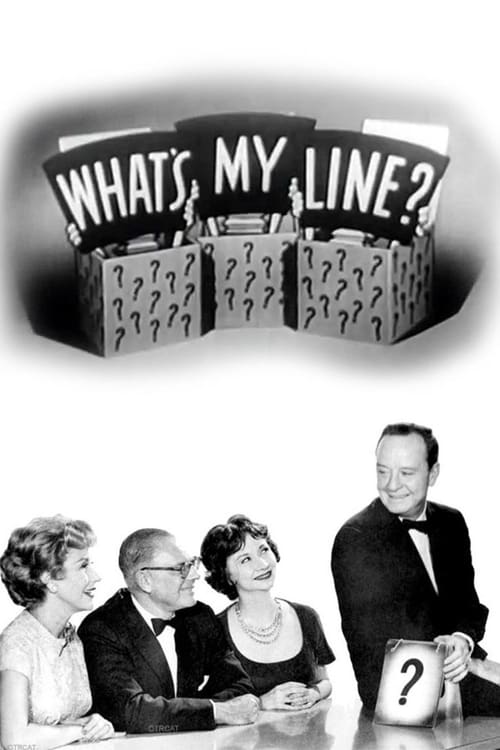
Four panelists must determine guests' occupations - and, in the case of famous guests, while blindfolded, their identity - by asking only "yes" or "no" questions.
What's My Line?

No description available.
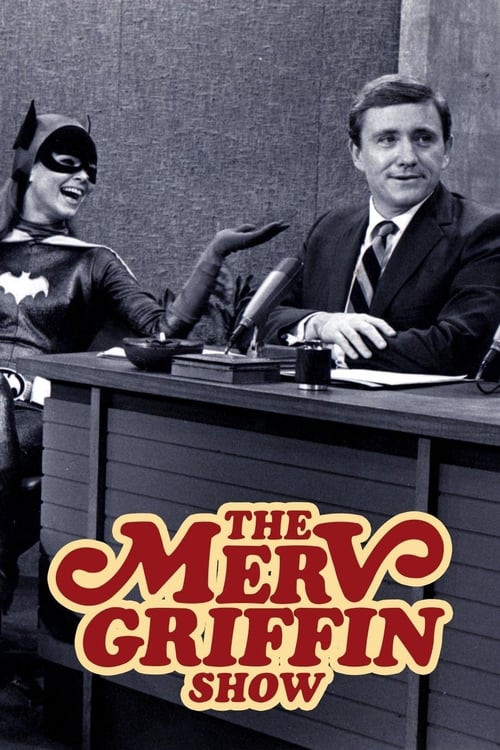
The Merv Griffin Show

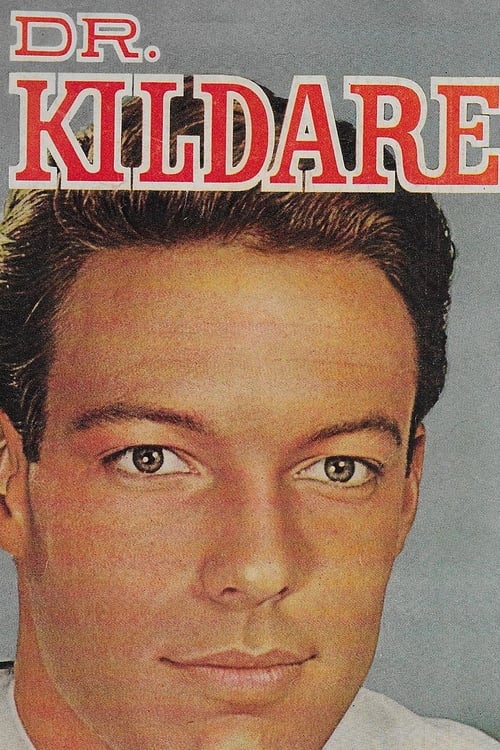
The story of a young intern in a large metropolitan hospital trying to learn his profession, deal with the problems of his patients, and win the respect of the senior doctor in his specialty, internal medicine.
Dr. Kildare

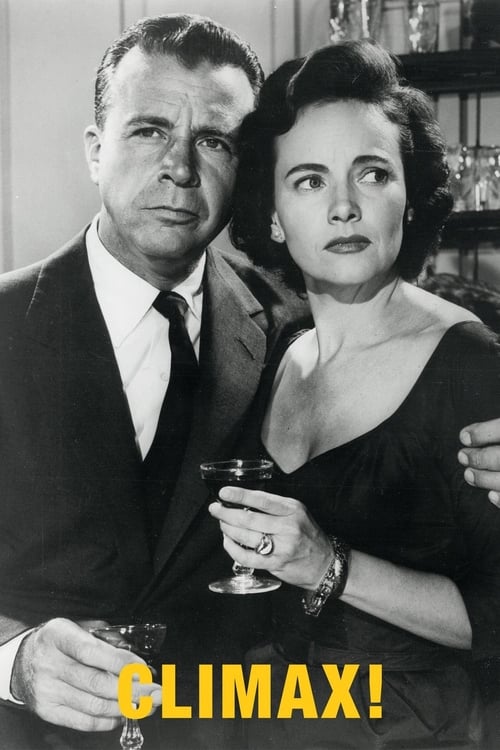
Climax! is an American anthology series that aired on CBS from 1954 to 1958. The series was hosted by William Lundigan and later co-hosted by Mary Costa. It was one of the few CBS programs of that era to be broadcast in color. Many of the episodes were performed and broadcast live.
Climax!
No description available.
Bob Hope Presents the Chrysler Theatre

The Dick Cavett Show has been the title of several talk shows hosted by Dick Cavett on various television networks.
The Dick Cavett Show

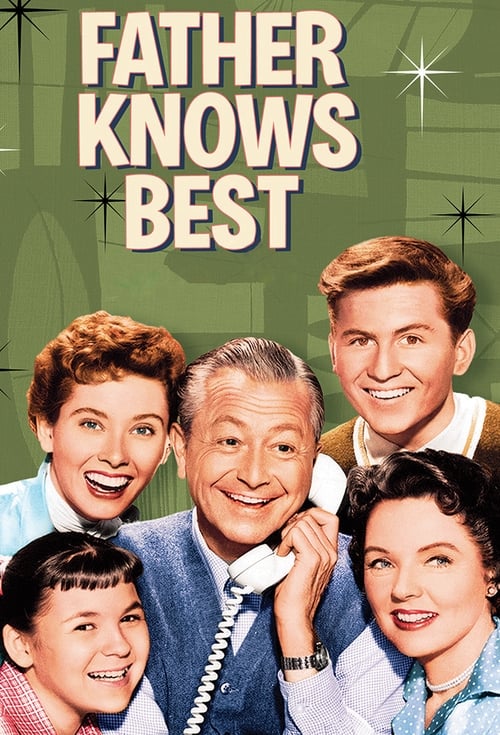
Family man Jim Anderson copes with the everyday problems among his wife Margaret and their three children as they experience day-to-day changes.
Father Knows Best

The Ed Sullivan Show is an American TV variety show that originally ran on CBS from Sunday June 20, 1948 to Sunday June 6, 1971, and was hosted by New York entertainment columnist Ed Sullivan. It was replaced in September 1971 by the CBS Sunday Night Movie, which ran only one season and was eventually replaced by other shows. In 2002, The Ed Sullivan Show was ranked #15 on TV Guide's 50 Greatest TV Shows of All Time.
The Ed Sullivan Show

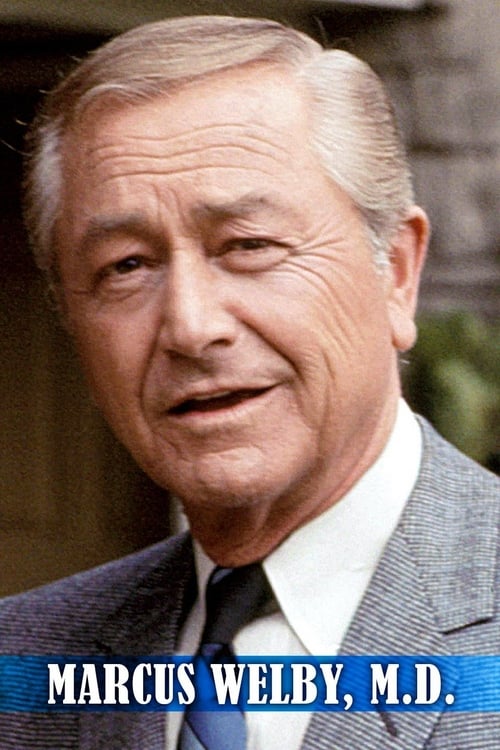
Marcus Welby, M.D. is an American medical drama television program that aired on ABC from September 23, 1969, to July 29, 1976. It starred Robert Young as a family practitioner with a kind bedside manner and James Brolin as the younger doctor he often worked with, and was produced by David Victor and David J. O'Connell. The pilot, A Matter of Humanities, had aired as an ABC Movie of the Week on March 26, 1969.
Marcus Welby, M.D.

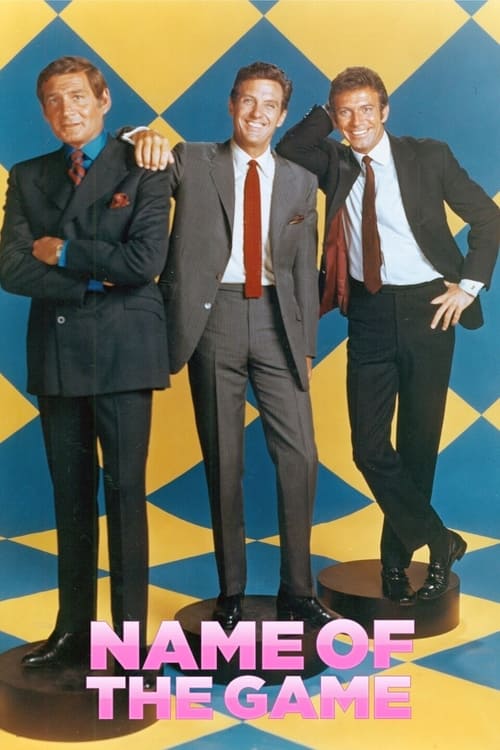
The Name of the Game is an American television series starring Tony Franciosa, Gene Barry, and Robert Stack that ran from 1968 to 1971 on NBC, totaling 76 episodes of 90 minutes. It was a pioneering wheel series, setting the stage for The Bold Ones and the NBC Mystery Movie in the 1970s. The show had an extremely large budget for a television series.
The Name of the Game

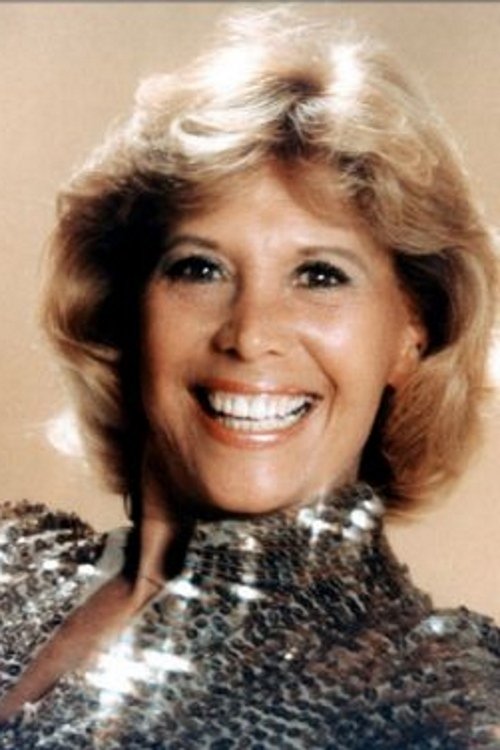
Dinah's show premiered 9 September 1974 and continued through to 4 September 1981. She started out the 70's with Dinah's Place which usually featured one guest and was more of a home oriented show about cooking, crafts and occasionally music. This format lasted until May of 1974. When the show came back in October of 1974 the format had changed drastically to a variety talk show which was called Dinah. and went on until 1981. This show was also known as "Dinah and Friends" during the summer of 1976.
Dinah!

No description available.
The Steve Allen Show

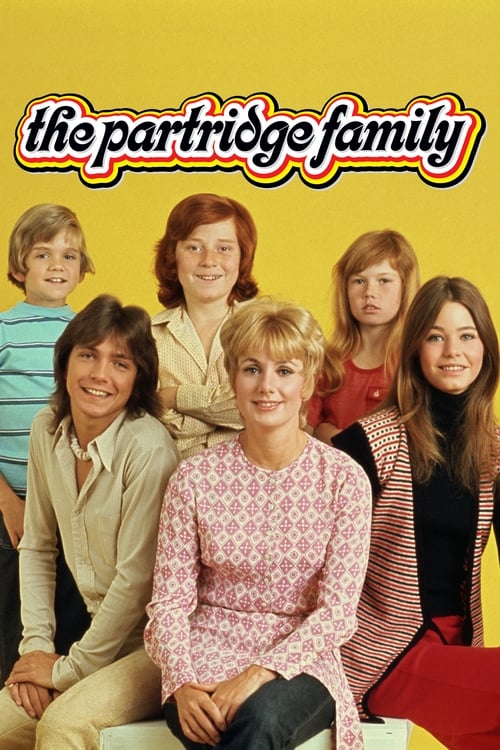
The Partridge Family is an American television sitcom series about a widowed mother and her five children who embark on a music career.
The Partridge Family

No description available.
Owen Marshall: Counselor at Law

This Is Your Life is an American television documentary series broadcast on NBC, originally hosted by its producer, Ralph Edwards from 1952 to 1961. In the show, the host surprises a guest, and proceeds to take them through their life in front of an audience, including special guest appearances by colleagues, friends and family. Edwards revived the show in 1971-72, while Joseph Campanella hosted a version in 1983. Edwards returned for some specials in the late 1980s, before his death in 2005. The show originated as a radio show on NBC Radio airing from 1948 to 1952.
This Is Your Life

The Glen Campbell Goodtime Hour is an American network television music and comedy variety show hosted by singer Glen Campbell from January 1969 through June 1972 on CBS. He was offered the show after he hosted a 1968 summer replacement for The Smothers Brothers Comedy Hour. Campbell used "Gentle on My Mind" as the theme song of the show. The show was one of the few rural-oriented shows to survive CBS's rural purge of 1971.
The Glen Campbell Goodtime Hour

Donny & Marie is an American variety show which aired on ABC from January 1976 to January 1979. The show stars brother and sister pop duo Donny Osmond and Marie Osmond. Donny had first become popular singing in a music group with his brothers, The Osmonds, and Marie was one of the youngest singers to reach #1 on the Billboard Country Music charts. The siblings were offered a weekly show by ABC-TV President Fred Silverman after he saw the duo co-host a week on The Mike Douglas Show which followed their series of popular remakes of oldies, such as "I'm Leaving It Up To You", "Morning Side Of The Mountain", "Deep Purple" and "Make The World Go Away". Donny and Marie were the youngest entertainers in TV history to host their own variety show. A year later, The Keane Brothers would break this record.
Donny & Marie

ABC Stage 67 is the umbrella title for a series of 26 weekly shows that included dramas, variety shows, documentaries, and original musicals. It premiered on American Broadcasting Company on September 14, 1966 with Murray Schisgal's The Love Song of Barney Kempinksi, directed by Stanley Prager and starring Alan Arkin as a man enjoying the sights and sounds of New York City in his last remaining hours of bachelorhood. Arkin was nominated for an Emmy Award for Outstanding Single Performance By An Actor in a Leading Role in a Drama and the program was nominated as Outstanding Dramatic Program. Future programs included appearances by Petula Clark, Bobby Darin, Sir Laurence Olivier, Albert Finney, Peter Sellers, David Frost, and Jack Paar. ABC's effort to bring culture to the masses was a noble but unsuccessful experiment. Scheduled first against I Spy on Wednesdays and then The Dean Martin Show on Thursdays, the show consistently received low ratings. Its last production, an adaptation of Jean Cocteau's one-woman play The Human Voice starring Ingrid Bergman, aired on May 4, 1967. "Stage 67" was not actually a part of the primary ABC facilities in Los Angeles. It was produced at the old Monogram Studios backlot that was later sold to KCET.
ABC Stage 67

Government agencies investigate the mysterious disappearance of a powerful presidential adviser.