Masao Takamatsu
Acting
Known For
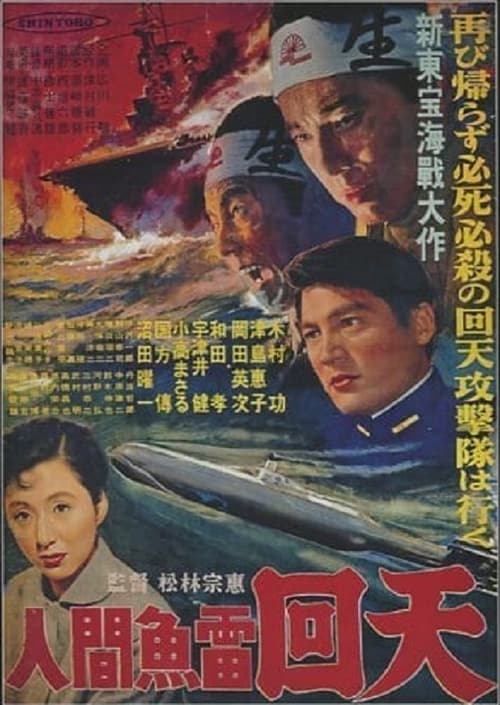
No description available.
The Sacrifice of the Human Torpedoes
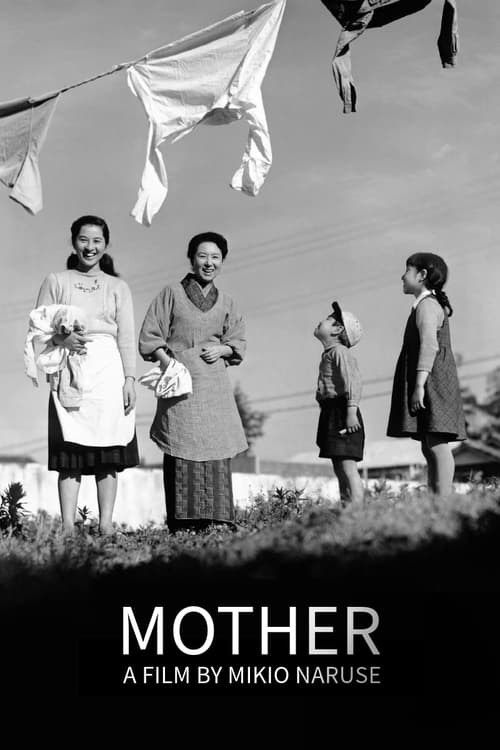
A teenaged girl witnesses her widowed mother's attempt to sustain her family.
Mother
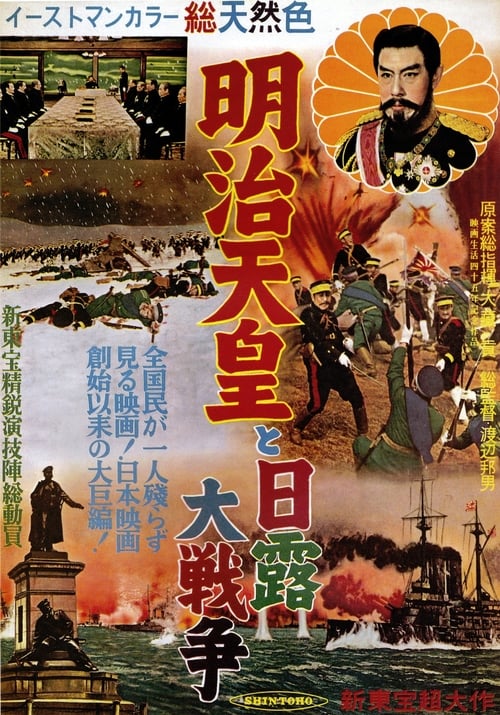
Meiji Tenno portrays the buildup to the Russo-Japan War. In addition to showing the political events that led to war, it also shows the era from the story of a farm family in rural Japan that sends their son off to war. As such, it could be considered an anti-war movie, showing how, while war is devised by governments, the people do not really understand what war is, and its combatants often do not know what they are fighting for.
Emperor Meiji and the Great Russo-Japanese War
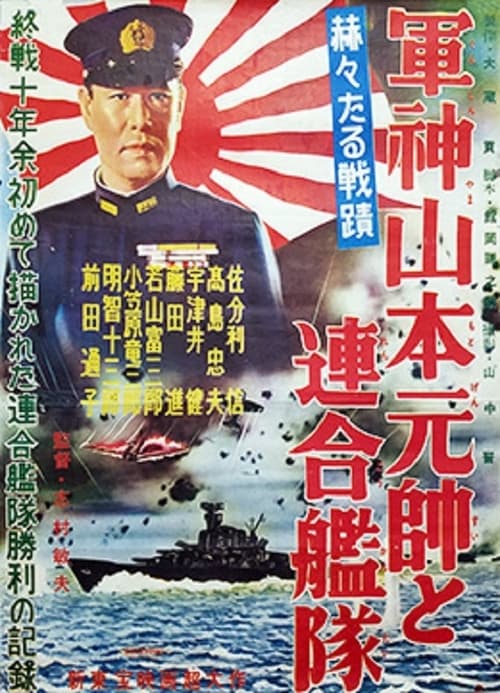
Admiral Isoroku Yamamoto leads the Combined Fleet of the Imperial Japanese Navy to defeat the American Fleet.
Admiral Yamamoto and the Allied Fleets
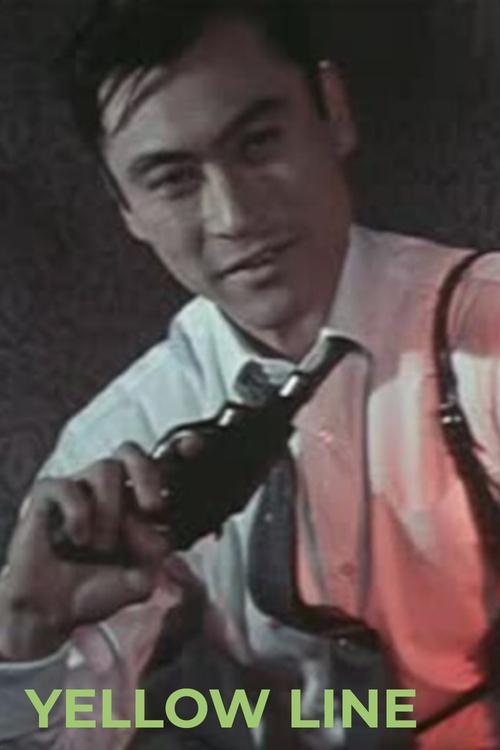
The murder of the chief official of Kobe city's Customs triggers an investigation of a prostitution ring called the 'Yellow Line' that sells Japanese women. A hired assassin is betrayed by his organization, and kidnaps a woman who happens to be the girlfriend of a newspaper reporter.
Yellow Line
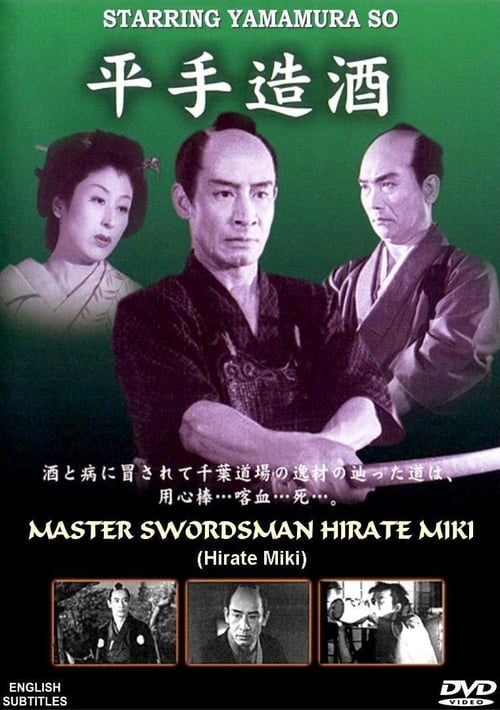
After mastering swordsmanship at the dojo of Chiba Shusaku, and unable to serve a clan due to his illness, Hirate Miki becomes a ronin who winds up as bodyguard to Shigezo of Sasagawa leading up to an epic battle.
Miki, the Swordman
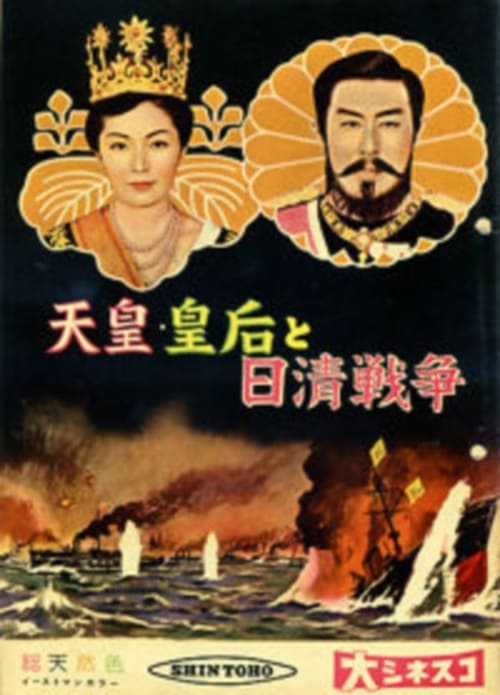
No description available.
Emperor & Empress Meiji and the Sino-Japanese War
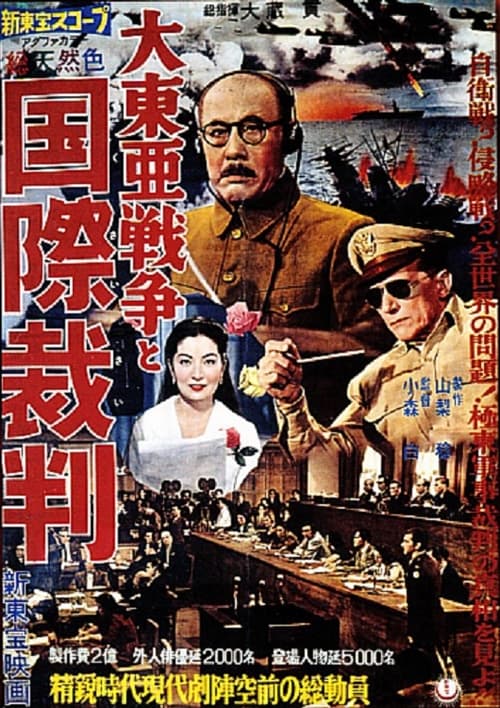
In 1941, overpopulated Japan faces an economic boycott and its armed forces push further to the south. And despite negotiations between Japan and the U. S. A. war is declared with the attack on Pearl Harbour. Victories follow for Japan on land and sea and her forces push forward to the borders of India. But gradually the tide turns in favour of the Allies and after the atom bombings of Hiroshima and Nagasaki, Japan is compelled to accept the Potsdam Declaration and by the order of the Emperor agrees to unconditional surrender. Under the supervision of the occupation forces the International Military Tribunal opens in Tokyo to try the Japanese war leaders. Established in the cause of justice, and to prevent future aggressive wars the trials drag on for two and a half years. And on December 23, 1948, General Tojo and six other war leaders mount the thirteen steps to the gallows at Tokyo's Sugamo prison.
The Pacific War and the International Military Tribunal
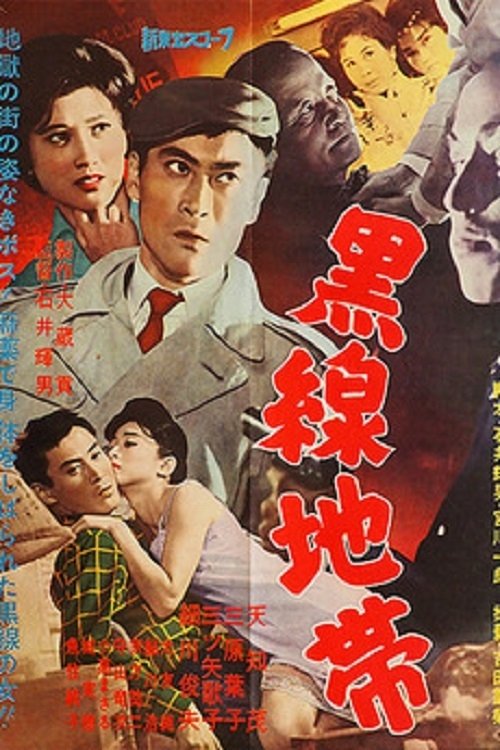
Freelance reporter “Scoop” Machida is hot on the trail of a prostitution ring called the Black Line, when he is framed for the murder of a young woman. Forced to clear his own name, the handsome journalist sinks deeper into the Black Line’s rotten swamp of drugs, prostitution, and murder and finds unexpected help in Maya, a steamy female gambler familiar with the neon-lit streets, shadowy alleyways, and seedy nightclubs he must navigate. The closest film in the Line series to classic American film noir, Ishii’s Black Line is a pulpy assortment of crime film conventions including the starkly expressionistic black and white cinematography by Jûgyô Yoshida, a jazzy music score by Michiaki Watanabe, and a sleazy screenplay by Ishii and Ichirô Miyagawa.
Black Line
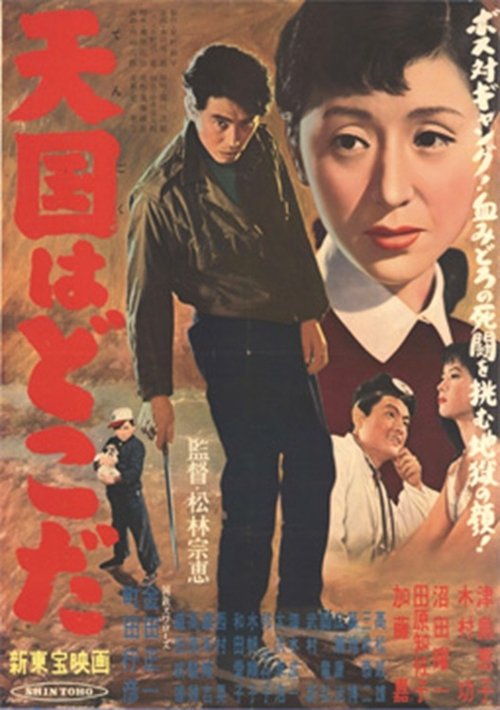
Japanese drama.
Tengoku wa doko da
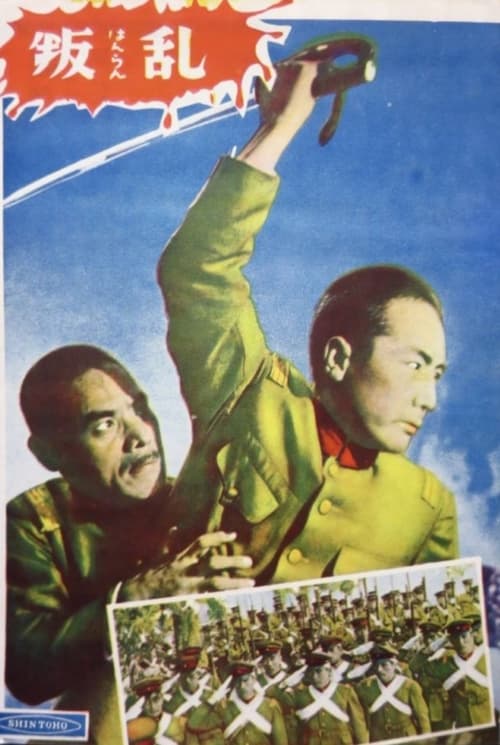
No description available.
Hanran
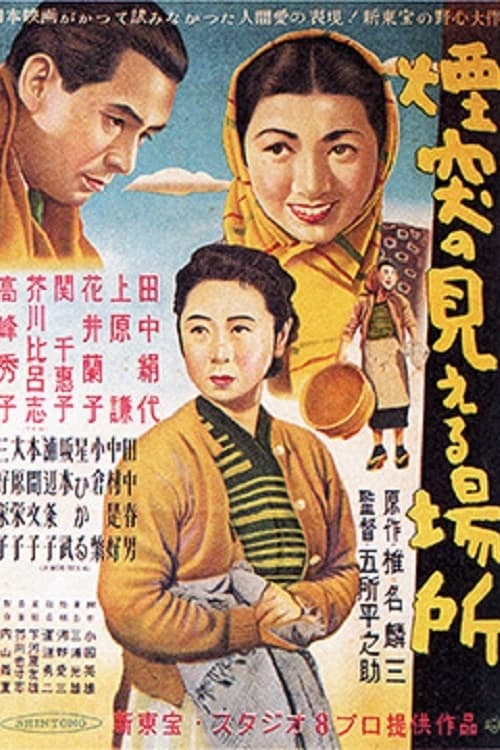
Where Chimneys Are Seen focuses primarily on the interconnected lives of two couples in a lower-middle-class neighborhood in Senju, a poor industrial section of Tokyo.
Where Chimneys Are Seen
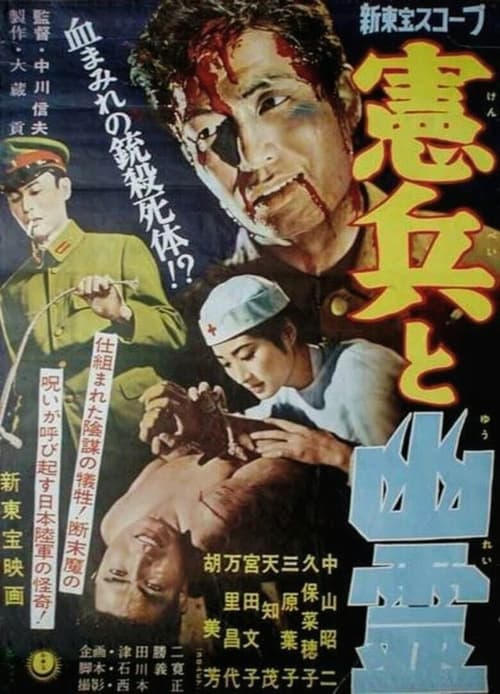
Desiring another officer’s new wife, a military police lieutenant fabricates evidence of treason that consigns the innocent man to torture and a firing squad. The lieutenant rapes the wife, but is haunted by bad dreams which after he is assigned to a battalion with the victim’s brother.
Ghost in the Regiment
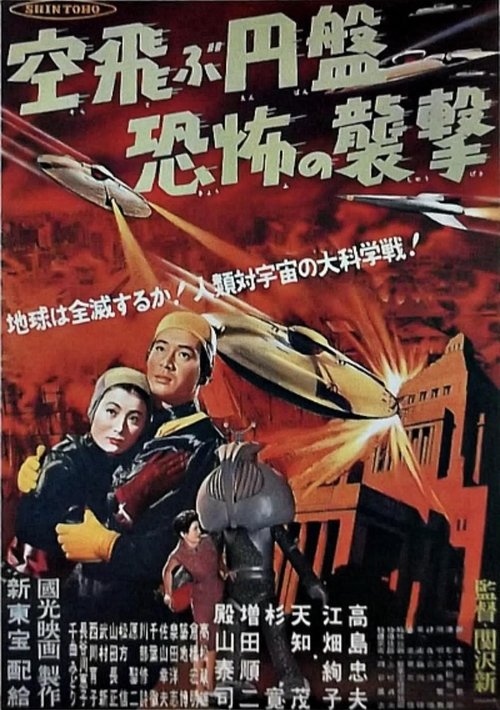
A 1956 alien invasion tokusatsu film directed by Shinichi Sekizawa, the screenwriter noted for his immense contributions to Toho's Godzilla series by providing the screenplays/stories for the majority of the original Showa films.
Fearful Attack of the Flying Saucers
On a Sunday morning, young dentist Toshio Ezaki wakes up with a hangover, on a bench in his office. He finds a poisoned woman in a green-striped Western-style outfit lying in his exam room. He must retrace his blurry steps of the night before, and navigate a web of embezzlement, murder, framings, and false identities in Tokyo's Ginza district, to discover the identity of the dead woman and why she is there—and hopefully prove his innocence, before his wedding in three days...
Golden Beast
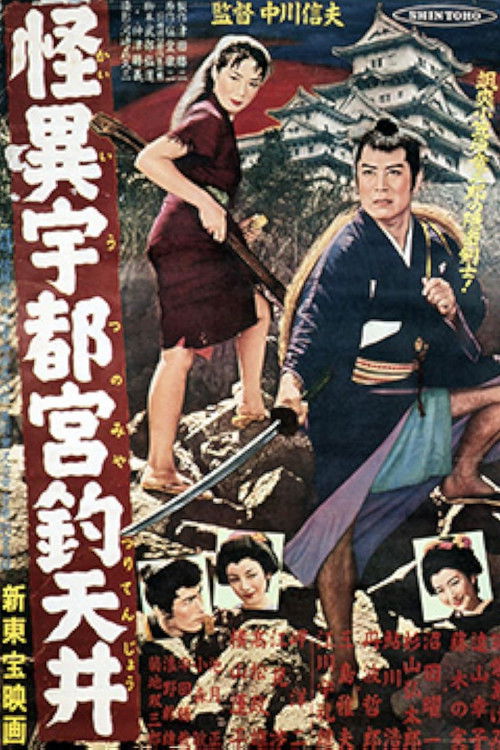
Ryutaro is a spy employed by the shogun Tokugawa Iemitsu, who is the target of assassination attempts that aim to hand power over to his younger brother Tadanaga.
The Ceiling at Utsunomiya
Japanese comedy film.
金語楼の成金王

The 2nd Super Giant film. Super Giant continues his battle against the foreign terrorists. In return, they frame him for murder. (Part 2 of 2)
Super Giant Continues
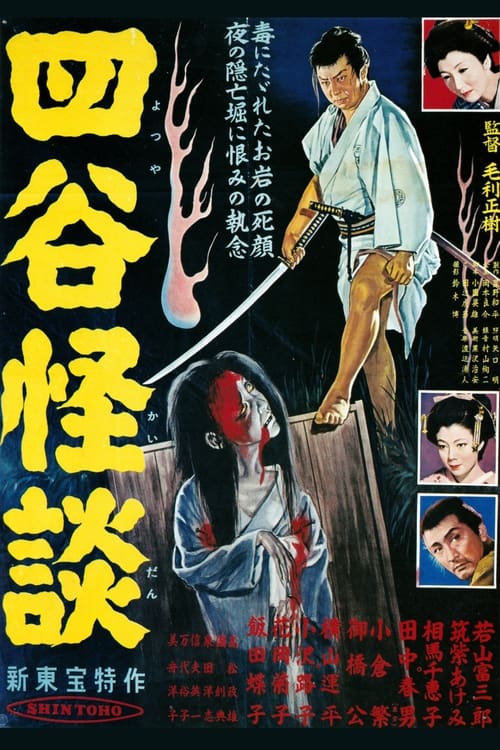
Oiwa has been searching for the one who killed her father for a long time. She comes to Yedo and sees a man named Naosuke. The film is based on the kabuki classic: Toukaidou Yotsuya Kaidan (1826) written by Tsuruya Nanboku and is one of the most famous ghost stories throughout Japan.
The Ghosts of Yotsuya

Saheita, the final heir of a once rich and respectable family, can't refuse the many villagers that come to him for favours and money, even though he is on the brink of bankruptcy. Around town he is better known by his nickname Mr. Shosuke Ohara.