Acting
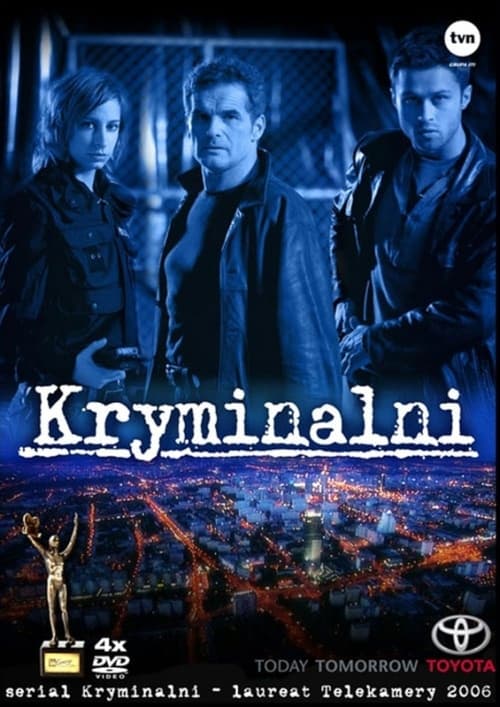
Kryminalni was a Polish crime drama television series that aired on TVN network from September 18, 2004 until May 24, 2008. It ran for 8 seasons and 101 episodes were broadcast in total. It was created by Polish director and screenwriter Piotr Wereśniak and produced by MTL Maxfilm studio. The series followed life and work of police officers from the elite Criminal Terror and Murders Division of the Warsaw Metropolitan Police; the title refers to police officers in the crime section. The three main characters were Adam Zawada, an experienced, tough cup, his younger colleague Marek Brodecki and Barbara Storosz, an ambitious female officer who in the first season joins the team just after graduating. Although none of the main actors had had star status before the series debuted, all three of them rose to prominence and popularity during the 5-year-long run. Many of Poland's best known actors guest starred, usually playing roles of people involved in just one particular investigation. The serial was one of the most popular in Poland: each week it had an audience of 4 million.
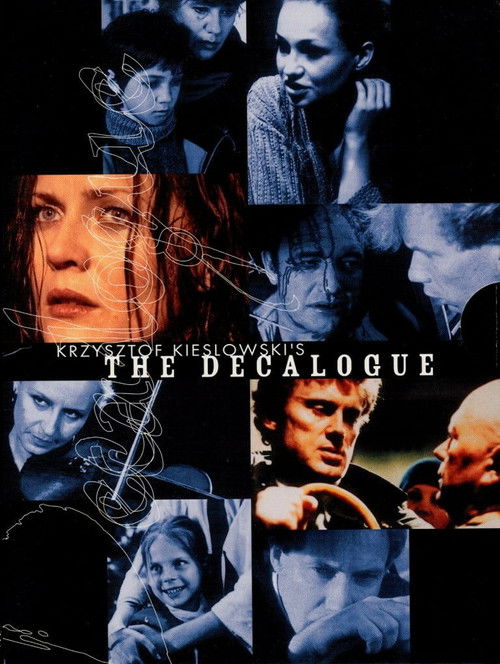
The Ten Commandments, exact and uncompromising, literally cast in stone, continues to provide a source of moral conflict in contemporary society. In the ten part collection of films, The Decalogue, Krzysztof Kieślowski examines the dilemma of fundamental sin in the lives of ordinary Warsaw citizens.
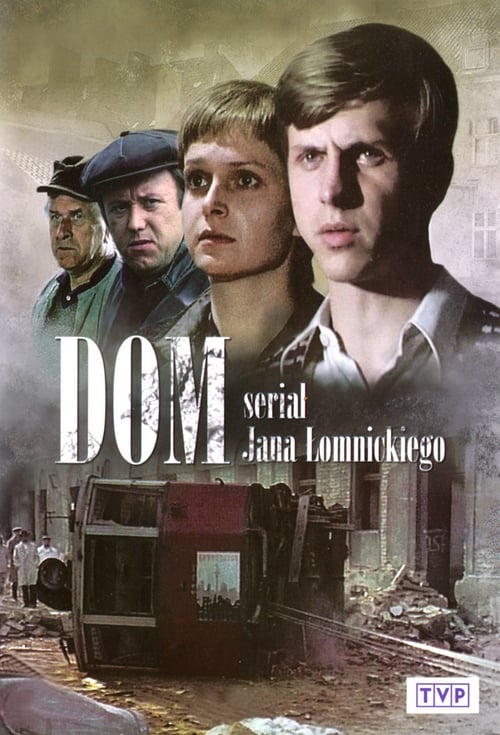
The story of the residents of a tenement house on Złota Street in Warsaw from 1945 to 1980.
The series centres around the investigations of Police Lieutenant Sławomir Borewicz. Each episode features a different case being solved by Borewicz.
Jacek, an angry drifter, murders a taxi driver, brutally and without motive. His case is assigned to Piotr, an idealistic young lawyer who is morally opposed to the death penalty, and their interactions take on an emotional honesty that throws into stark relief for Piotr the injustice of killing of any kind.
No description available.
Polish-born Russian subject Cezary Baryka comes of age during a tumultous period of ten years from 1914 to 1924, during which he witnesses revolution, rebirth of Poland, war with the Soviets and communist plots.
Based on the facts, the story of Dr. Barbara Makowska-Witkowska, arrested in 1983 by the civil militia. She was accused of beating up and stealing a drunk patient's wallet.
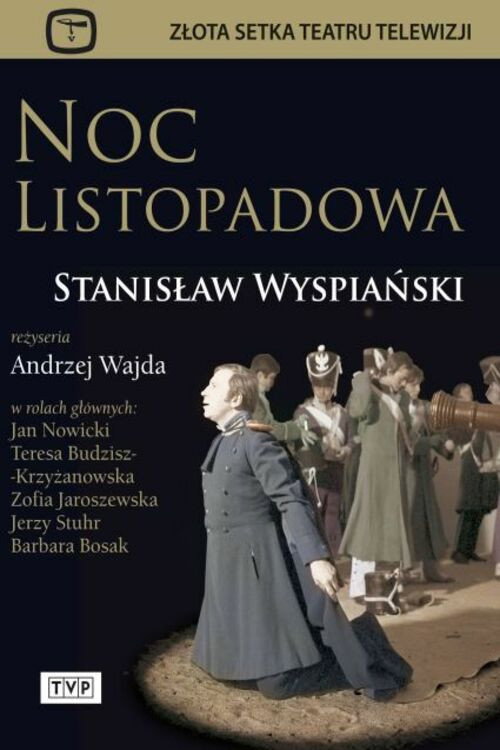
Television play adaptation of Wajda's stage play of Stanisław Wyspiański's November Night. The drama takes place on two levels - historical and metaphorical. The first one is almost a chronicle of several hours of the uprising - it shows the drama of the attitudes of Poles at the beginning of the armed struggle, in confrontation with the attitude of Grand Duke Constantine, the Tsar's deputy in Poland. The second one presents the world of gods playing out their arguments. Man becomes a plaything in their hands, but it is he who experiences his fear, heroism and hope.
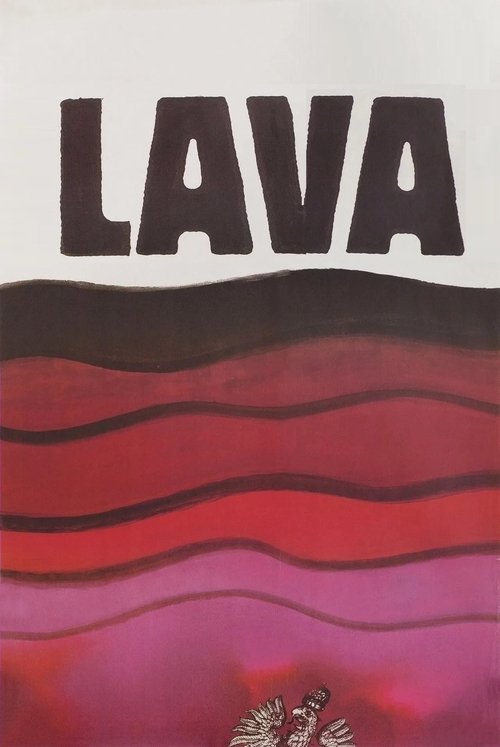
The protagonist of "Passerby" is writer and filmmaker Tadeusz Konwicki. His story, which reflects the paradoxes of the 20th century history, is commented by means of fragments of his films, documentary newsreels and stage productions.
Journalist Anna is trying to make a documentary about an opposition activist she met years ago.
Dorota Geller, a married woman, faces a dilemma involving her sick husband's prognosis. Her husband's doctor, who believes in God, sweared about it in vain.
A man, after having abandoned his family to live in a monastery, goes back into the world after 17 years.
On the eve of the Day of the Dead, among mysterious old rituals of the Vilnius region, ghosts of the past and present start to appear.
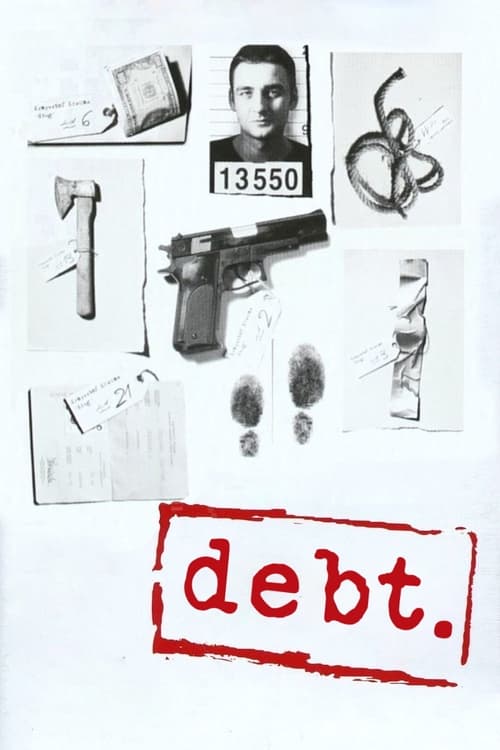
Based on true events, the movie tells the story of two men who want to start a scooter business but don't have the required collateral for a bank loan. Then one of them runs into a former flat neighbour who offers to lend them the money. The guy turns out to be a thug and starts to extort them. Their life goes downhill from there.
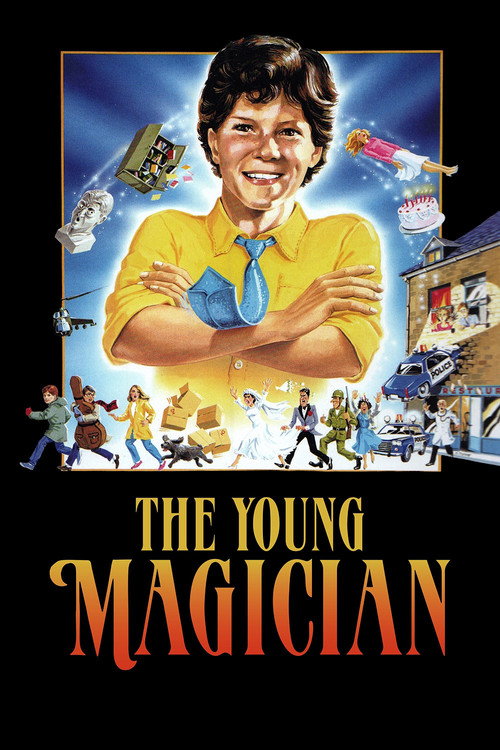
A 12-year boy feels left out by his classmates because he has no interest in athletics. He finally discovers his calling when his parents take him to a magic show. Picked by the magician to be his helper during a trick he is drawn into the world of magic and wants to learn more. He becomes proficient in tricks and also discovers his telekinetic powers. Unfortunately that further alienates him from his peers and his parents are afraid of his powers. Things change when a national emergency arises and the government asks him to help. After success he becomes a hero and is accepted by all. Written by Polish Cinema Database.
The fearless soldier, Marcin Kabat, returns to his hometown from a long war.
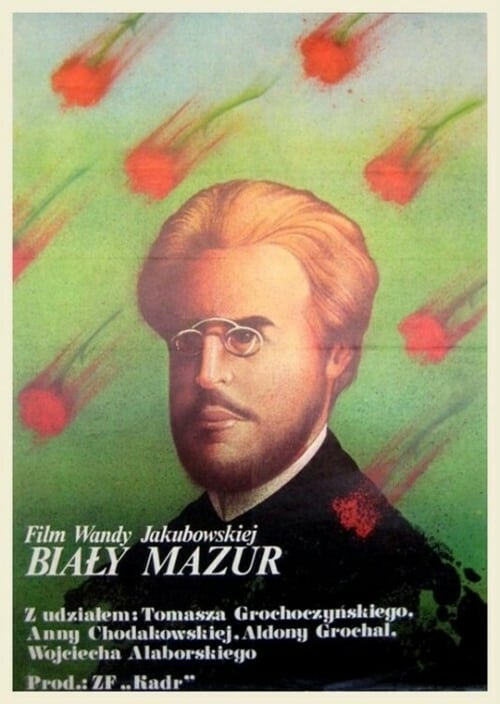
A film about the life and activities of the Polish revolutionary Ludwik Waryński. In his memoirs, Ludwik returns to his student years in St. Petersburg, to Warsaw, to Krakow, where he was arrested and put on trial. After the end of the process in Krakow, Waryński leaves for Geneva, where he meets with Russian revolutionaries. In 1881, he returned to his homeland and created the first party of workers in Poland...
A portrait of cabinet intrigues, the false aspirations of the party elite and the grinding reality of the 1960s, or "our little stability." Robert Meller and Janusz Dymek's documentary drama concerns the famous 1964 meat scandal, in which three death sentences were demanded and one was adjudicated and executed. The victim was Stanislaw Wawrzecki. Ostensibly, it was about fraud and bribes in the meat industry. In fact, it was about covering up the government's economic ineptitude, shortages of supplies and directing the people's anger at a few defendants.
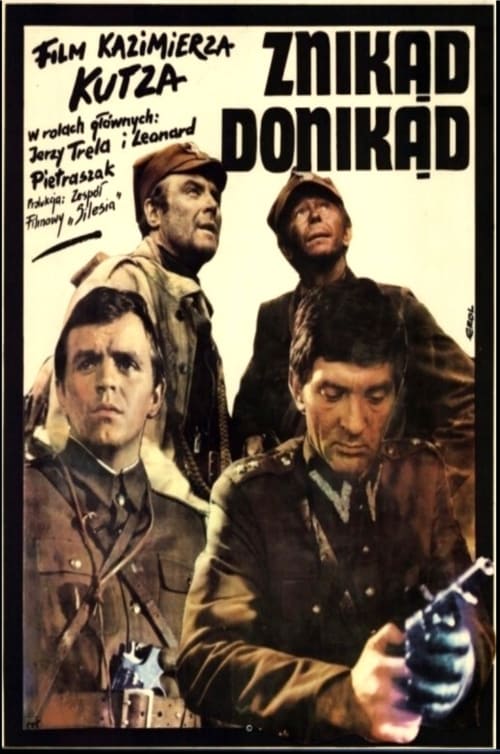
The Home Army's battles against the communist authorities in the Żywiec region.