Jochen Schröder
Acting
Known For
No description available.
Volle Kanne

Die Pfefferkörner is a German television series produced by Der Kinderkanal. The peppercorns are five friends from Hamburg: Jana Holstein Coutre, Natasha "Tascha" Jaonzäns, Philip "Fiete" Overbeck, Cem Gülec and Vivien "Vivi" Overbeck, Fiete's eight year old sister. After school, the young detectives meet at a high level of a spice warehouse of the company Overbeck & Associates, which belongs to Fiete and Vivi's parents in the first part, but is later given to Fiete and Vivi to look after. Here, in the historic warehouse district, the five friends have their headquarters. With smarts, combined delivery and support of the Internet, they find their cases here. The detectives convict polluters, animal dealers and drug smugglers. They also help each other with personal problems they encounter. Cem has lost his parents in a car accident and sometimes feels sad and lonely. Jana lives with her divorcee mother, a lawyer who is rarely at home. Natasha comes from Latvia. Her parents initially have very strict rules in terms of her education, that make Natasha unhappy. Fiete has problems showing his feelings and hides them behind grumpiness and hostility towards girls, until he falls in love with Natasha. Vivi is suffering from her role of the youngest member of the group. She believes that she must constantly struggle for recognition.
The Peppercorns
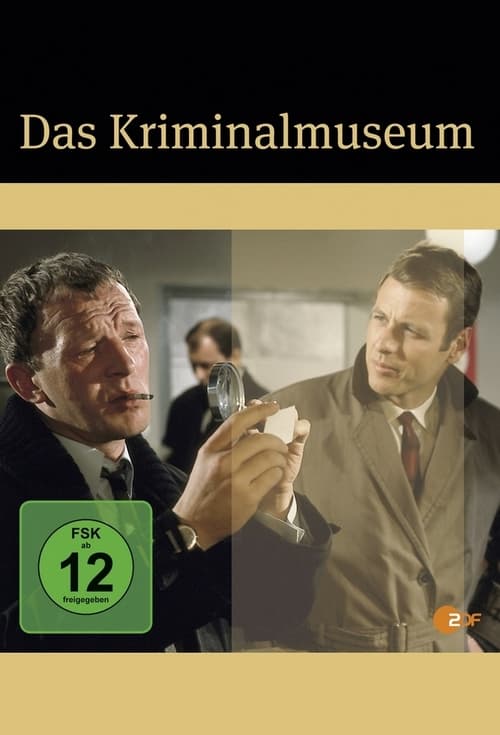
Das Kriminalmuseum was a German television series. It ran from 1963 to 1970 on ZDF and was one of its first programs. Each episode began with a tracking shot through an unspecified crime museum, stopping at one of the displays, whose story was then told. Each episode was between 60 and 75 minutes long and featured different actors as the criminal commissioner. The best known was Erik Ode, who in 1969 moved to Der Kommissar, appearing in 97 episodes. The theme music of the series was written by German composer Martin Böttcher, who also composed the complete scores for five episodes.
Das Kriminalmuseum

Liebling Kreuzberg was a television series on ARD, which was sent in five seasons with a total of 58 episodes the first time from 1986 to 1998. The scripts of seasons one through three and five were from Jurek, of his friend Manfred Krug wrote the role of idiosyncratic Berlin attorney Robert favorite on the body, the fourth season was written by Ulrich Plenzdorf. Director Heinz Schirk, Werner Masten led and Vera Loebner. Producing Series transmitters were the SFB, the NDR and WDR. The music of the first season was. Hans-Martin Majewski, in the later seasons of Klaus Doldinger.
Liebling Kreuzberg
Dr. Sommerfeld – Neues vom Bülowbogen is a German television series.
Dr. Sommerfeld - Neues vom Bülowbogen
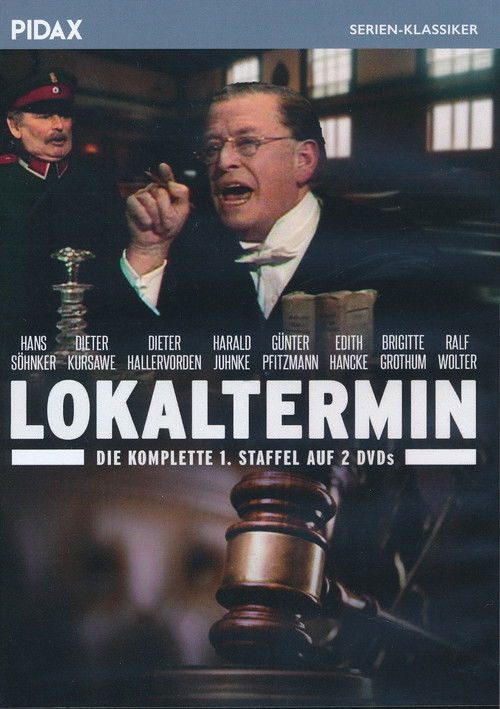
Lokaltermin is a German television series.
Lokaltermin

The beautiful world of Gaya is home to two similar humanoid species: Zeldons who are the furry majority residents, and Snurks, who are goblin-like outcasts. But suddenly all Gayans are facing imminent danger when a magic stone which protects their world, "the Dalamite", is beamed away by a mysterious force. Three Snurks immediately go after it, hoping to be the heroes for once. They are shortly followed by some standout Zeldons: Zino the trouble-prone popular guy & his sidekick, clever but somewhat cowardly inventor Boo, as well as rebel princess Alanta. Their journey ends up leading them all on a dangerous interdimensional quest to find the stone, while they must also figure out a way to get back to Gaya.
Back to Gaya
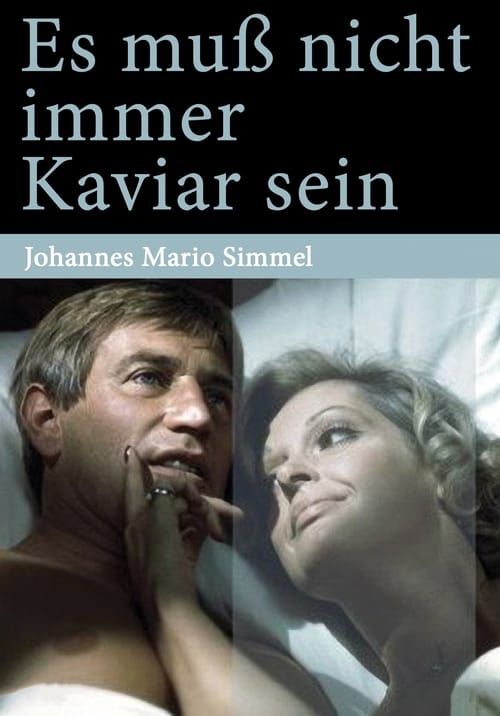
Es muss nicht immer Kaviar sein is a TV adaption of a novel of the same name by Austrian author Johannes Mario Simmel. Directed by Thomas Engel Siegfried Rauch walks in the footsteps of O. W. Fischer who played the protagonist "Thomas Lieven" already in 1961, just one year after the bestseller had been released. The series is unique for providing a little cooking show at the end of each episode. The book also includes recipes because "Thomas Lieven" is an accomplished amateur cook.
Es muss nicht immer Kaviar sein
No description available.
Den lieben langen Tag
No description available.
Sprungbrett
No description available.
Die drei Klumberger
No description available.
Algebra um acht
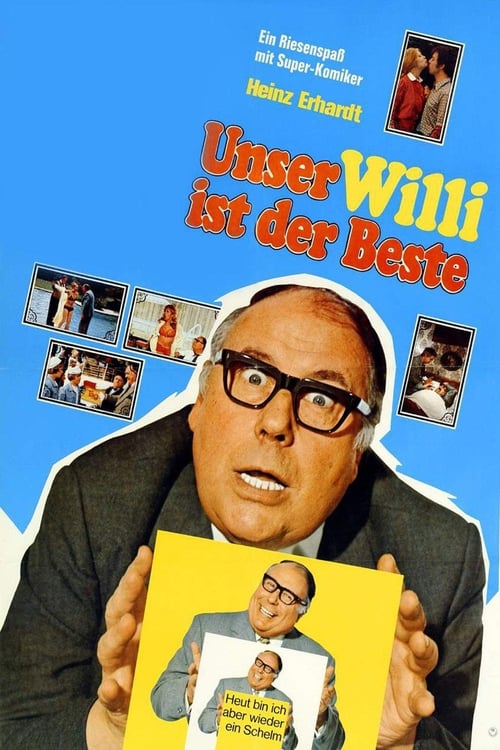
Retired tax official Willi Winzig spends his retirement happily and contentedly in his home. However, this changes when his sister Heidelinde, her daughter and his father want to move in with him, and as Willi is a good-natured man, he takes them in, but because they have no money and his pension is not enough for all four of them, he has to take on a new job. He gets a job as a salesman for household appliances, but his good nature gets in the way again.
Unser Willi ist der Beste
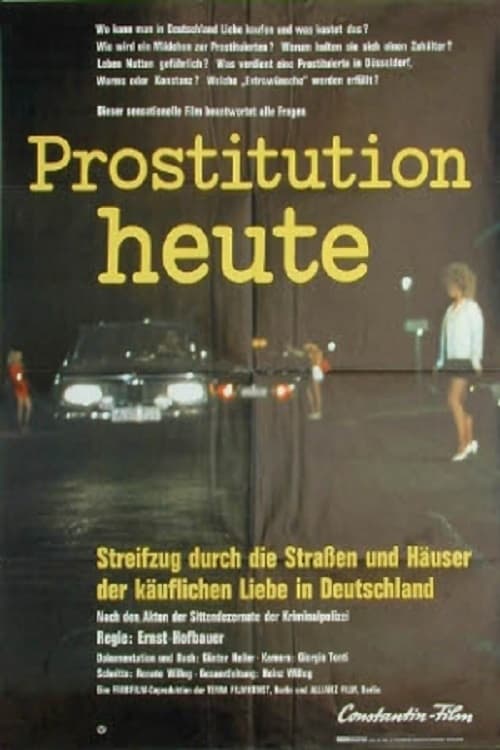
Pseudo-documentary in the style of "Schulmädchen-Report" (Schoolgirl Report), portraying the lively activities of high-class prostitutes, pimps, and clients in various cities across Germany.
Prostitution heute

A woman is kidnapped and her identity is stolen by criminals attempting to collect her inheritance.
The Hunchback of Soho
No description available.
Man soll den Onkel nicht vergiften
No description available.
Knobbes Knoten
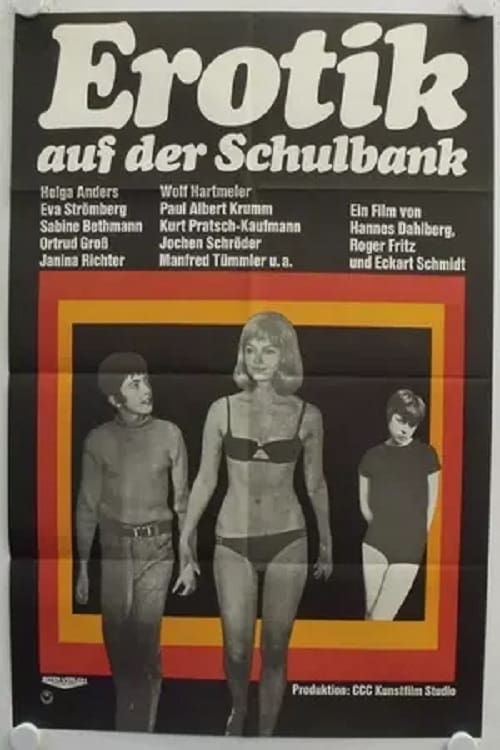
Three episodes depict events that actually took place in the years before the film was made. Three true‐life dramas explore teacher–student taboos: 1. Monika: A young teacher’s love for his pregnant 17‐year‐old student leads to his self‐incrimination amid legal peril. 2. Sybille: A 15‐year‐old fabricates a scandalous affair with her bachelor principal, ending in his suicide. 3. Fantasie: A 13‐year‐old boy’s infatuation with his teacher drives him to violence and a troubled return to reality.
Erotik auf der Schulbank
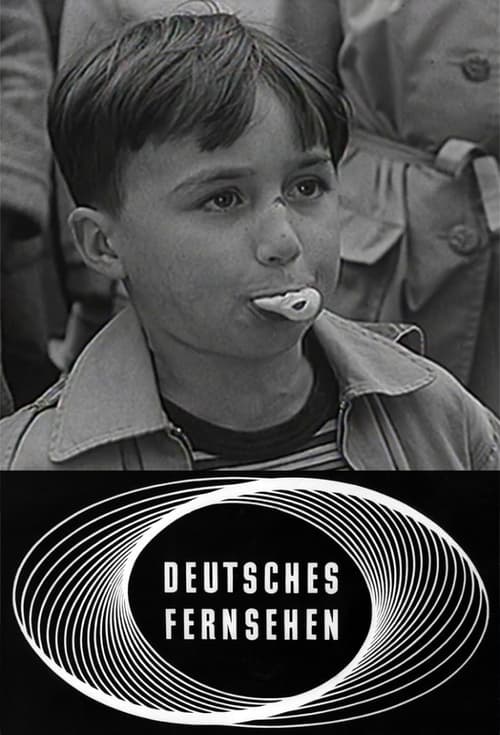
A wallet follows the financial weal and woe of an average (West) Berlin family of three on an average income. A cheerful, satirical look at everyday life in 1960, the Schulze family lives in an apartment building somewhere in (West) Berlin in 1960, with father Erwin, mother Dorette, their adolescent son Männekin and dog "Nauke". A small family in which, as in all families, there is sometimes more, sometimes less harmony. Money is always a point of discussion. When Erwin brings it home at the end of the month, Dorette divides it up precisely for the coming month in a recurring ritual.
Ich, die Hauptperson. 30 Tage aus dem Leben eines Portemonnaies
Lilli, the attractive niece of a general, disguises herself as a man in order to sneak into a German army barracks for research purposes. However, it is only a matter of time before her cover is blown.