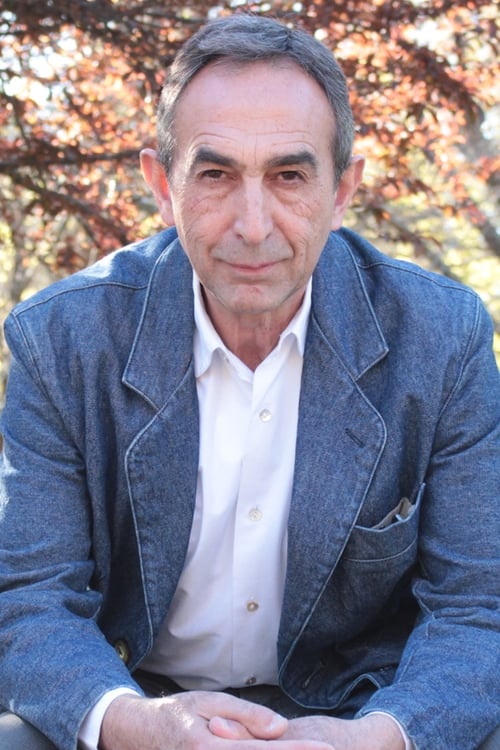
Claudio Caldini
Directing
Biography
Claudio Caldini was born in Buenos Aires in 1952 and has been making super 8 experimental films since 1970. In 1971 he began his studies at the Centro Experimental del Instituto Nacional de Cinematografía (Buenos Aires) and attended film seminars with Alberto Fischerman (1977), Werner Nekes (1980) and Werner Schroeter (1983) at the Goethe-Institut (Buenos Aires). He studied Modern and Audioperceptive Dance with Rolf Gelewski in São Salvador da Bahía and São Paulo (Brazil), in 1978 and 1982, respectively. Caldini worked as a lighting designer and operator for theater and rock concerts and as a programmer of electronic instruments, in association with Jorge Haro (1989–90). He was the film and video curator at the Museo de Arte Moderno de Buenos Aires (Argentina) from 1998 to 2004, and a member of the Jury of the 2003 International Short Film Festival Oberhausen (Germany). In 2005, he was an Artist in Residence at the Glenfiddich Distillery in Dufftown (Scotland); in 2015 was a Visiting Artist at LIFT Liaison of Independent Film Makers of Toronto (Canada). He is the recipient of the following awards: the Premio Leonardo from the Museo Nacional de Bellas Artes (1997); Beca de la Fundación Antorchas (1998); the Gran Premio at the III Festival Franco-Latinoamericano de Video Arte for his work Heliografía (1994); and the Primer Premio at the Primera Semana del Cine Experimental, Madrid, Spain, 1991, for his work El devenir de las piedras (1991).
Known For
"Life is a latency that as time and space becomes visible as a figure. But never eat at all, there are other possible lives. Making a life is difficult, filming the impossible itself . with this imago-auto-bio-graphy is an attempt to talk about this ambiguity, where what could be is the possibility of a memory, where what was and what was not, can be remembered in the same way, . always I lived with mixing the imagined thing is chosen in this chancy; go left on the road the other films that might have emerged" -Narcisa Hirsch
El Mito de Narciso
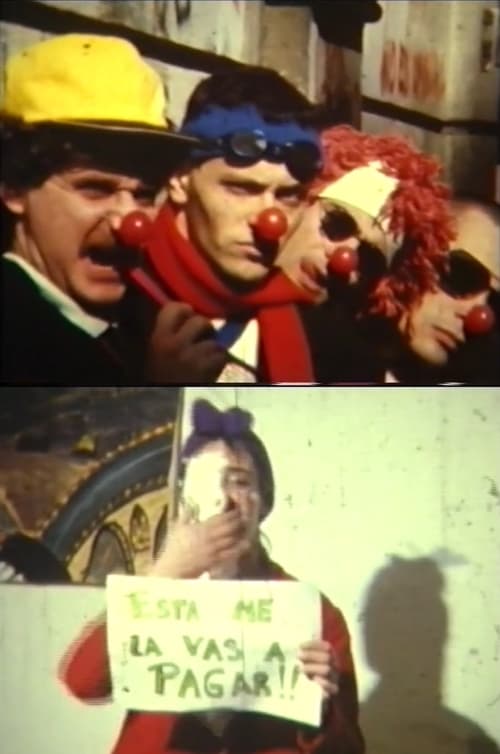
Film of "El Clú del Claun", directed by Claudio Caldini, which opened the show "I'll make you pay for this...!", from 1987. Shot at the Centro Parakultural, Buenos Aires, Argentina.
I'll make you pay for this
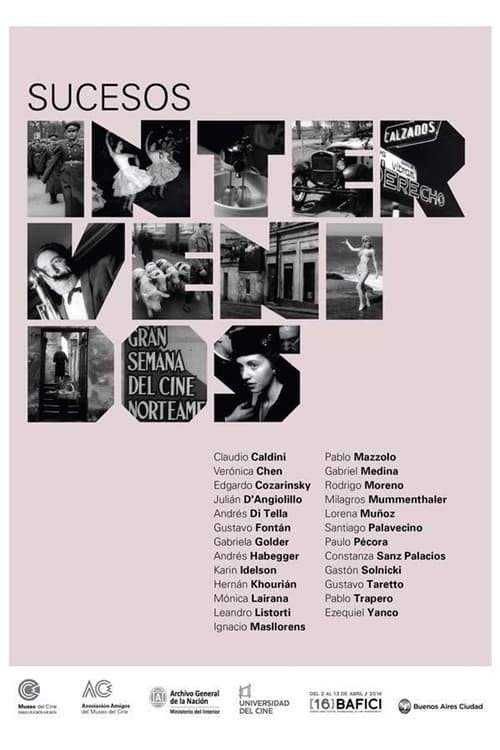
The omnibus feature SUCESOS INTERVENIDOS consists of shorts by a who’s who of Argentine documentary and experimental-film giants, including Edgardo Cozarinsky and Gustavo Fontán but also Claudio Caldini, Andrés Di Tella and Gabriela Golder. Each one of them created a piece of a few minutes in length using archival footage from SUCESOS ARGENTINOS (“Argentine Events”), a popular newsreel series from 1938 to 1972 whose episodes have recently begun to be digitized by Buenos Aires’s “Pablo C. Ducrós Hicken” Film Museum.
Intervened Events
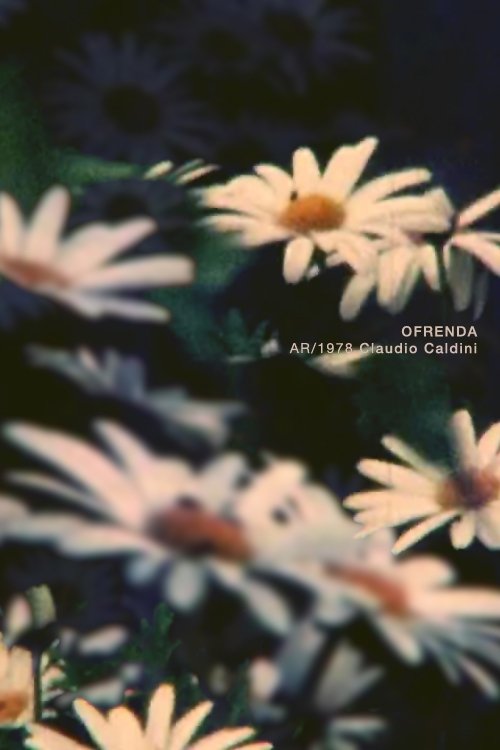
Short film that shows daisies throughout the day with music as an accompaniment.
Offering
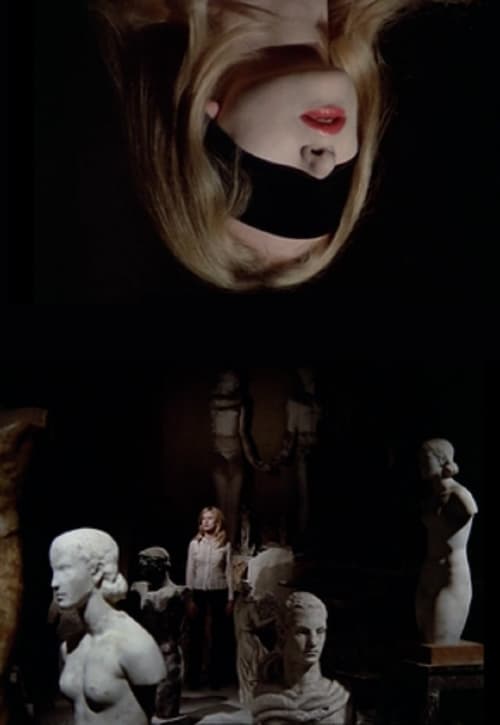
Fiction based on texts by Baudelaire, Sade, Lovecraft and Lautréamont.
De mes amours décomposées
A brief documentary focused on the history of experimental Super 8mm filmmaking. Prominent figures of the "s8" boom of the 1970s discuss their work and their first encounters with the medium.
A (possible) trip around the world in super 8
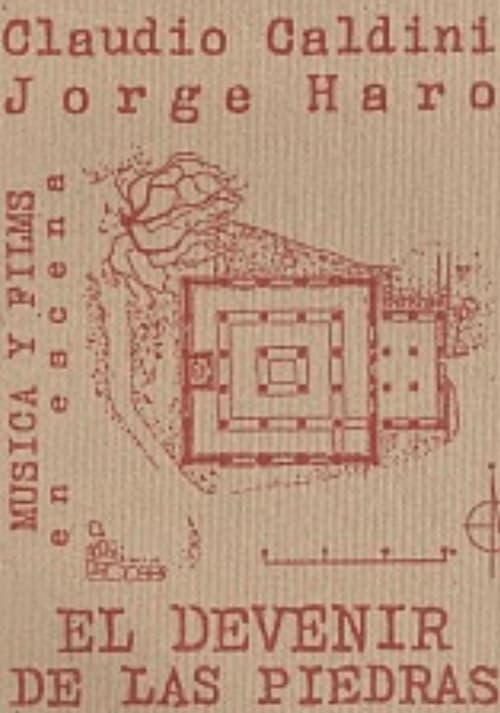
Complete version in three parts. Reconstructed from VHS transfers of the original Super-8. Music and film by Claudio Caldini, 1988.
The Evolution of the Stones
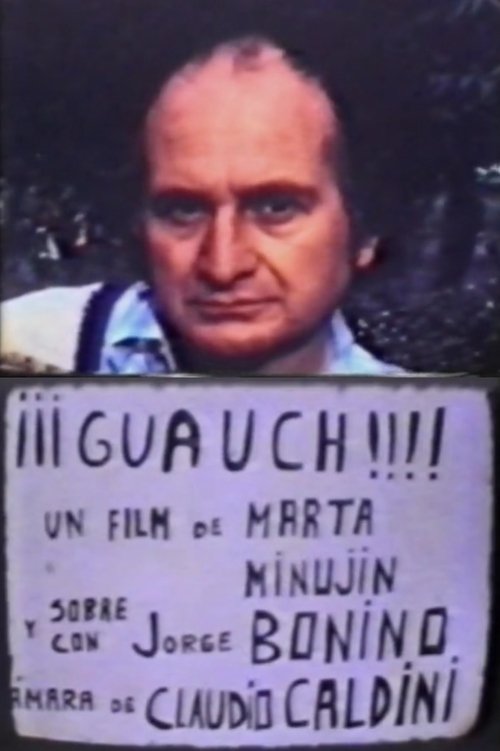
No description available.
¡¡¡¡Guauch!!!!
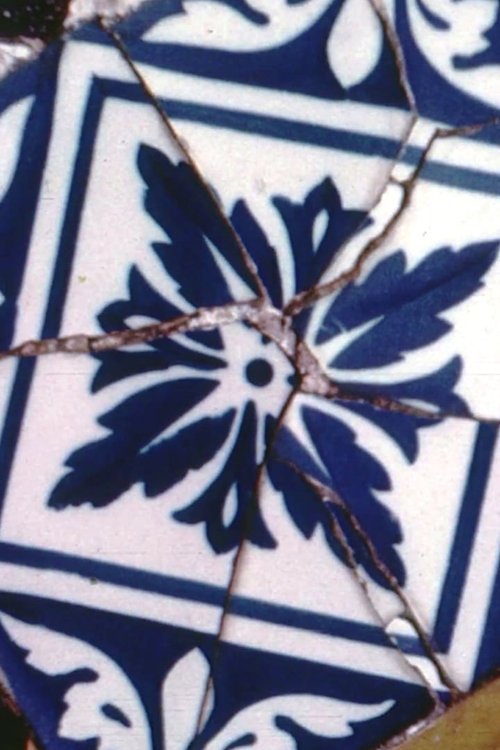
When I first arrived in Barcelona in 1974 I decided to make a film about architect Antoni Gaudi's Park Guell. I found a film already conceived in the 1914 design; it was enough to follow the trajectories traced by Gaudi, imagine them as a labyrinth, reproduce the bursting of the mosaics through an analogous fracture of linear temporality. In the editing I tried to avoid showing passers-by. No human figure should get in the way of the appearance of that fantastic architecture. The stop-motion technique applied to the position and parameters of the camera still seems suitable for representing the undulating space of the park.
Film Gaudí
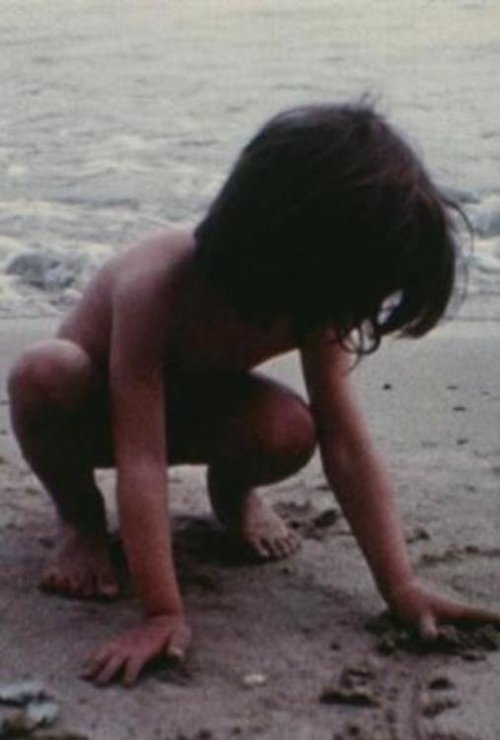
A child plays on the beach; we are in home-movie territory. For years I thought I had made a film-poem, without knowing how to explain it, until Gilles Deleuze created the concept of "perception-image": A character acts on the screen and it is assumed to see the world in a certain way. But simultaneously the camera sees him, and sees his world from another point of view which thinks, reflects, and transforms the viewpoint of the character [...]. In short, perception-image finds its status, as free indirect subjective, from the moment that it reflects its content in a camera-consiousness which has become autonomous ('cinema of poetry'). (Gilles Deleuze, Cinema I: The Movement-Image).
Baltazar
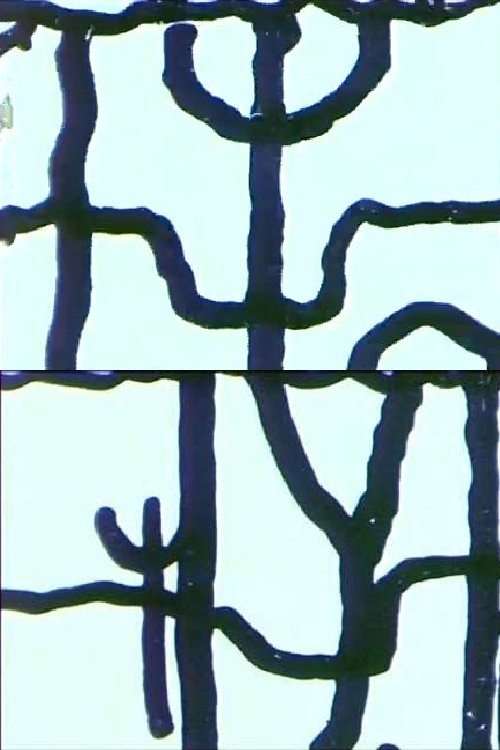
"indian ink on 16mm film" -CC
Animación dibujada
The life story of an artist. The fantasy of a poetic burial accompanied by friends of cinema.
Testamento y vida interior
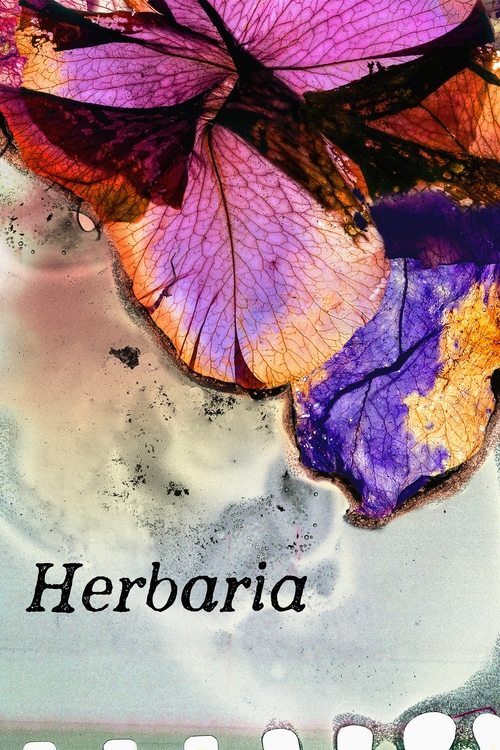
In his second feature film, Leandro Listorti establishes a parallel between two worlds he seems to know well: that of plants and that of cinema. This delicate cinematographic work, full of beautiful images—both archival and current—gives an account of the immense work of classification and preservation, and generously invites us to think about forms of representation and memory.
Herbaria
Second collaboration with the composers Haro/Fiori. The images refer to the crisis of the representation of reality which emerges with the mass diffusion of electronic images on television and on video in the last decade of the 20th century. The piece also illustrates the discussion relevant at the time (1991-92), and still so today, on the replacement of experimental cinema with video art. The title alludes to a quote from Heinrich Rudolf Hertz, "The consequences of images will be images of consequences."
Consequence

To film without looking trough the viewfinder; to emulate a tactile, subconscious vision. This was the intention of "A traves de las ruinas", made during the Falklands War (April-May 1982). The camera is a vacillating gaze that moves about in the darkness or is blinded by flickering. At the beginning, it delves into the sea, later it represents aerial bombardments through urban lights. Silhouettes of human figures appear that never manage to connect with each other. Scarcely lit places, photographed on the "threshold or exposure"; wintry, generalized interaction of spaces, distances and dynamics. A continual present made up of intuitions and imprecise memories.
Through the Ruins
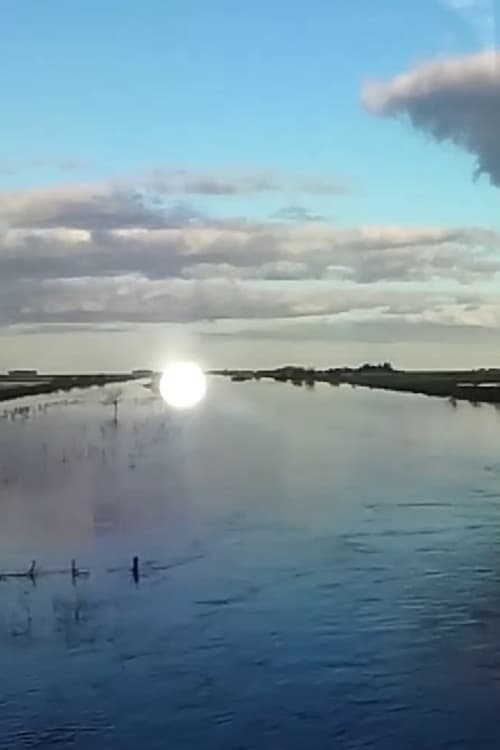
"Rain is a thing that surely happens in the past" Borges
Calendario de lluvias
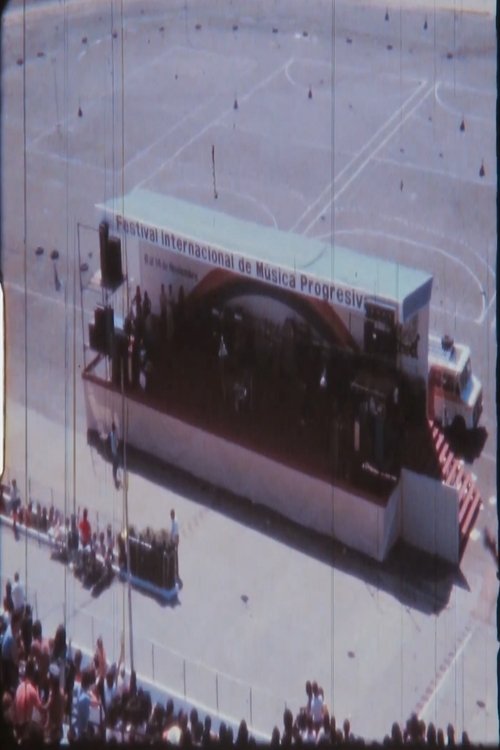
A Super 8 film by Claudio Caldini, focused on a progressive music festival
B.A.Rock 1971
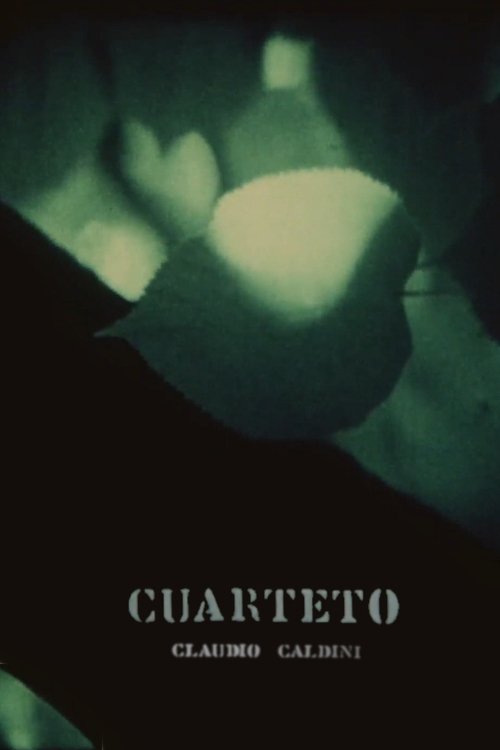
Branches, leaves, and flowers overlap and mingle. The film closes with a passage from philosopher Zhuang Zhou.
Cuarteto
The filming of Ventana began as a test of the rewind and superimposition functions of the Single 8 camera: a crescendo of added layers. The space is a camera obscura in which the cameraman's movements convert a line of light into multidirectional rays. Toward the end there are up to eight unique superimpositions and single frames. The music was added in 1989, with an anaogue synthesizer and digital delay.
Ventana
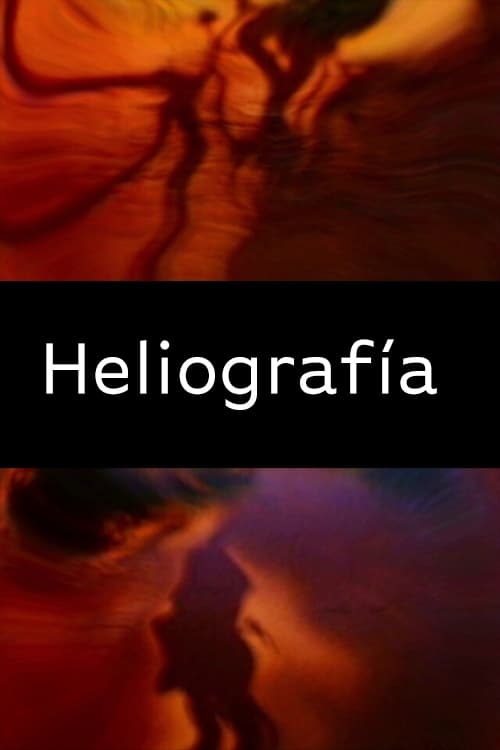
Digital edition of the original 1993 video-tape. Dedicated to Dr. Albert Hofmann and his famous bicycle trip.