
Synopsis
You might also like
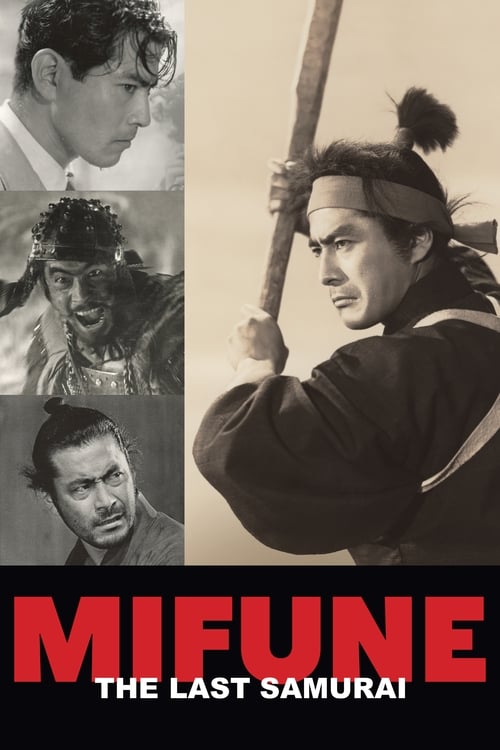
An account of the life and work of legendary Japanese actor Toshirō Mifune (1920-97), the most prominent actor of the Golden Age of Japanese cinema.
Mifune: The Last Samurai
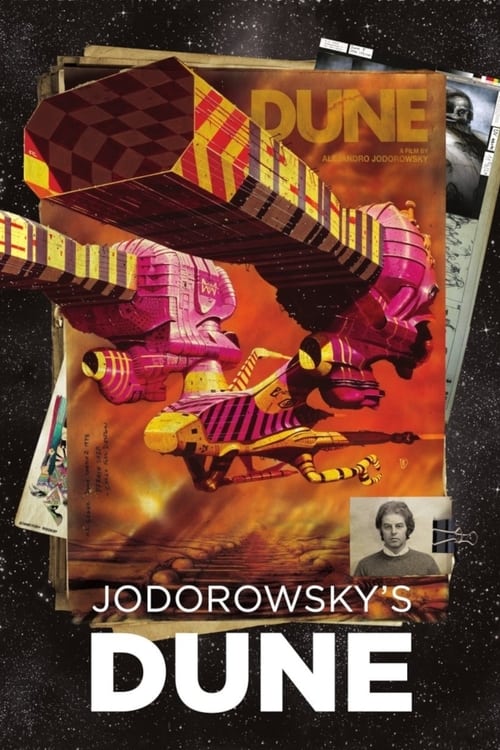
In 1974, Chilean-French director Alejandro Jodorowsky embarked on the quixotic project of adapting Frank Herbert's influential novel Dune (1969) for the big screen. After investing two years, and millions of dollars, the gigantic project ended in failure; but the artists Jodorowsky brought together to carry it out continued to work together, and ended up laying the foundations for modern science fiction cinema.
Jodorowsky's Dune
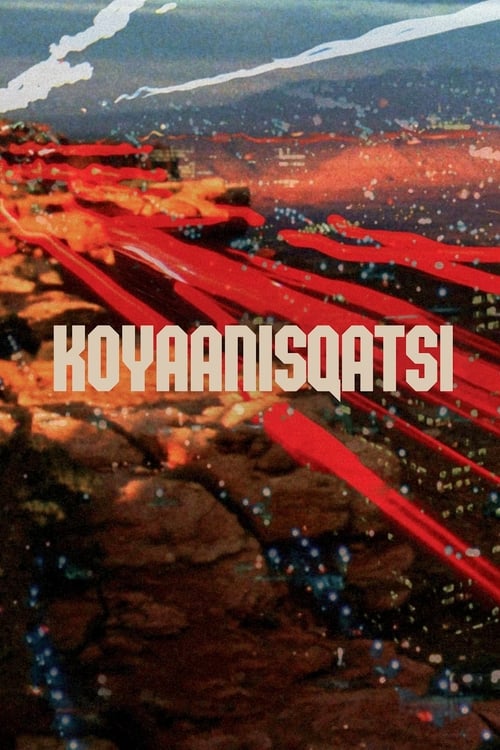
Takes us to locations all around the US and shows us the heavy toll that modern technology is having on humans and the earth. The visual tone poem contains neither dialogue nor a vocalized narration: its tone is set by the juxtaposition of images and the exceptional music by Philip Glass.
Koyaanisqatsi
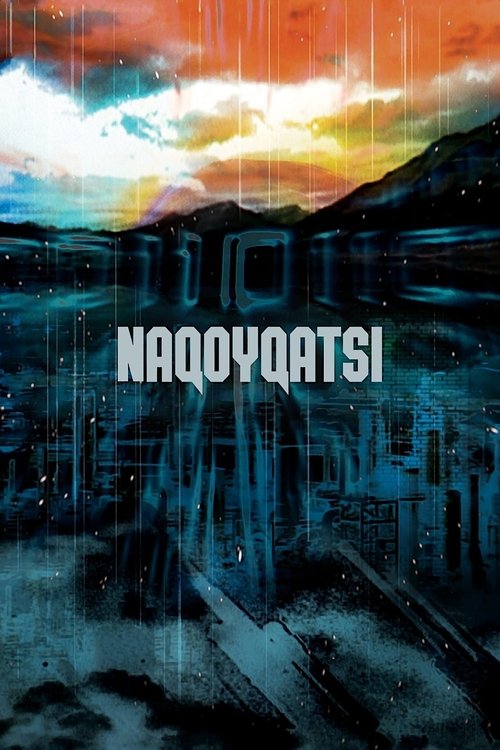
A visual montage portrait of our contemporary world dominated by globalized technology and violence.
Naqoyqatsi
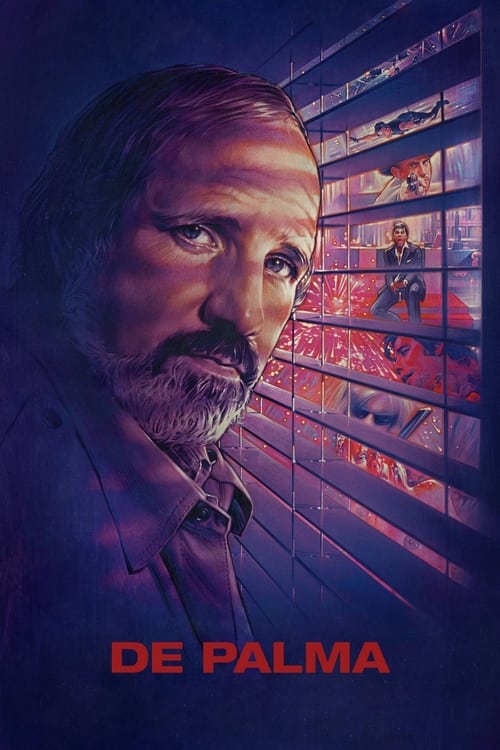
An intimate conversation between filmmakers, chronicling De Palma’s 55-year career, his life, and his filmmaking process, with revealing anecdotes and, of course, a wealth of film clips.
De Palma
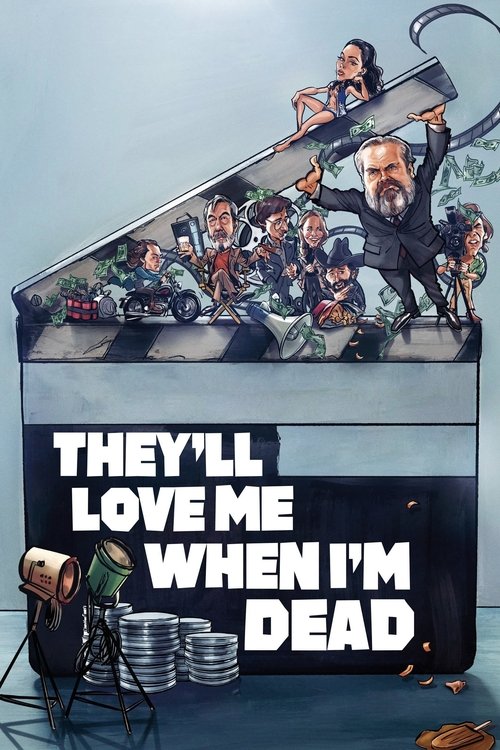
As his life comes to its end, famous Hollywood director Orson Welles puts it all on the line at the chance for renewed success with the film The Other Side of the Wind.
They'll Love Me When I'm Dead

In the seedy domain of Miami’s criminal underbelly, a seasoned hitman embarks on the relentless pursuit of his next target. As shot entirely through thermal lens, he navigates a twisted world where violence and madness reign supreme. Tensions unravel, leading to a psychedelic journey that blurs the lines between predator and prey.
AGGRO DR1FT

Short film to a song of love lost and rediscovered, a woman sees and undergoes surreal transformations. Her lover's face melts off, she dons a dress from the shadow of a bell and becomes a dandelion, ants crawl out of a hand and become Frenchmen riding bicycles. Not to mention the turtles with faces on their backs that collide to form a ballerina, or the bizarre baseball game.
Destino
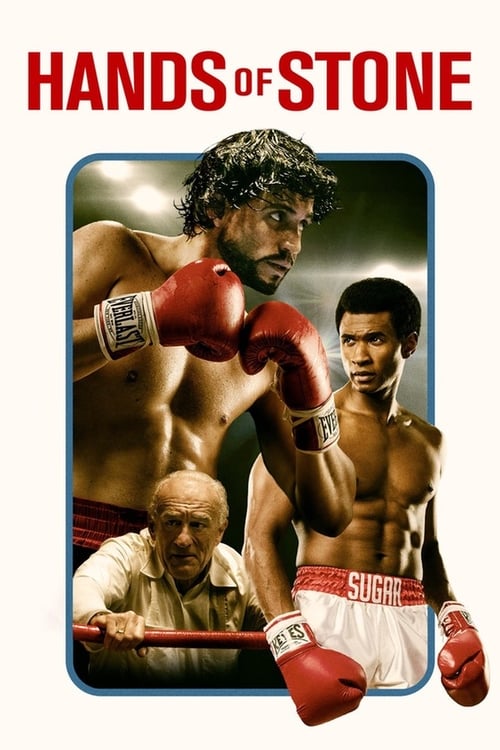
The legendary Roberto Duran and his equally legendary trainer Ray Arcel change each other's lives.
Hands of Stone
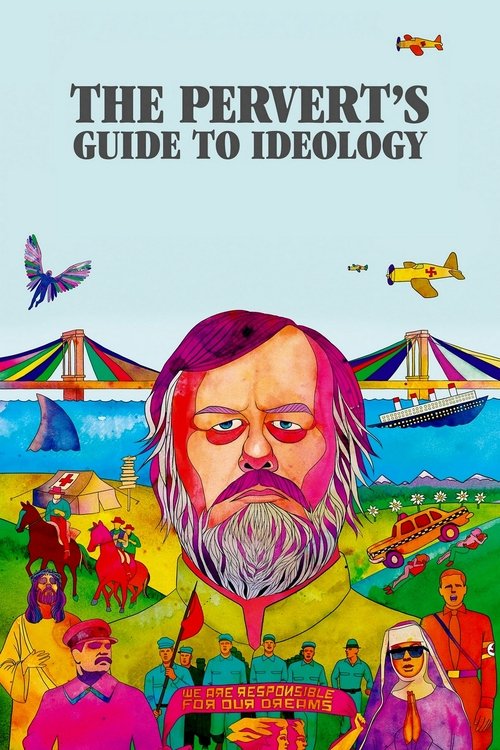
A journey into the labyrinthine heart of ideology, which shapes and justifies both collective and personal beliefs and practices: with an infectious zeal and voracious appetite for popular culture, Slovenian philosopher and psychoanalyst Slavoj Žižek analyzes several of the most important films in the history of cinema to explain how cinematic narrative helps to reinforce prevailing ethics and political ideas.
The Pervert's Guide to Ideology
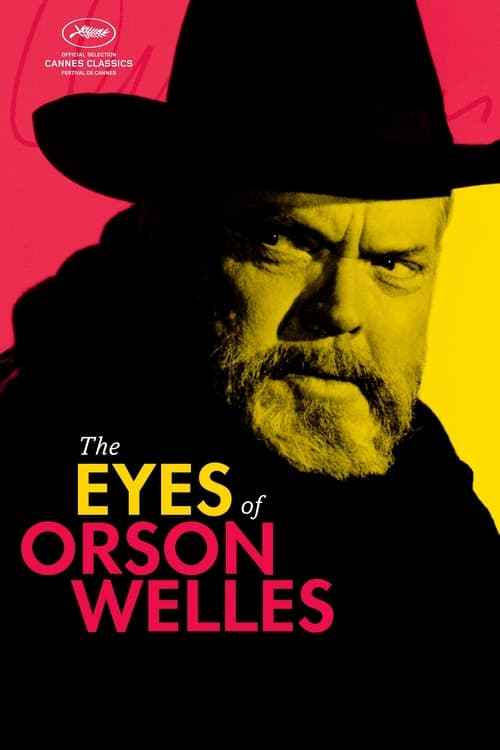
A poetic journey into the visual world of the legendary filmmaker and actor Orson Welles (1915-85) that reveals a new portrait of a unique genius, both of his life and of his monumental work: through his own eyes, drawn by his own hand, painted with his own brush.
The Eyes of Orson Welles

A boy tries to stop aliens that have taken over his town and are brainwashing its inhabitants.
Invaders from Mars

Since the invention of cinema, the standard format for recording moving images has been film. Over the past two decades, a new form of digital filmmaking has emerged, creating a groundbreaking evolution in the medium. Keanu Reeves explores the development of cinema and the impact of digital filmmaking via in-depth interviews with Hollywood masters, such as James Cameron, David Fincher, David Lynch, Christopher Nolan, Martin Scorsese, George Lucas, Steven Soderbergh, and many more.
Side by Side

Filmed and edited in intimate vérité style, this movie follows visionary medical practitioners who are working on the cutting edge of life and death and are dedicated to changing our thinking about both.
End Game

A grizzled, hard-of-hearing cowboy, Slim, and his two friends, Dusty and Pete, capture a mysterious, well-dressed Frenchman.
The Cowboy and the Frenchman

Julie is a new mom and children's book author, who escapes into the bright Crayola-colored world of her creation in order to leave behind the darkness caused by her post-partum depression.
A Mouthful of Air
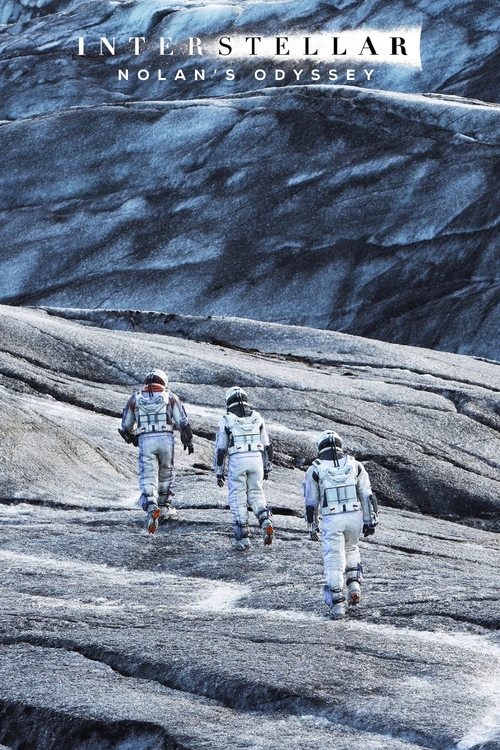
A look behind the lens of Christopher Nolan's space epic.
Interstellar: Nolan's Odyssey
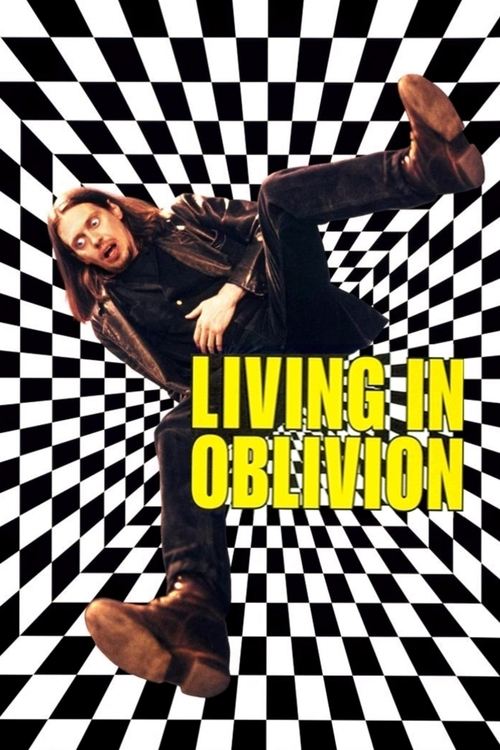
Low-budget independent filmmaker Nick Reve tries to keep everything together as his production is plagued with an insecure actress, a megalomaniac star, a pretentious beret-wearing director of photography, and lousy catering.
Living in Oblivion

A celebration of the universe, displaying the whole of time, from its start to its final collapse. This film examines all that occurred to prepare the world that stands before us now: science and spirit, birth and death, the grand cosmos and the minute life systems of our planet.
Voyage of Time: The IMAX Experience
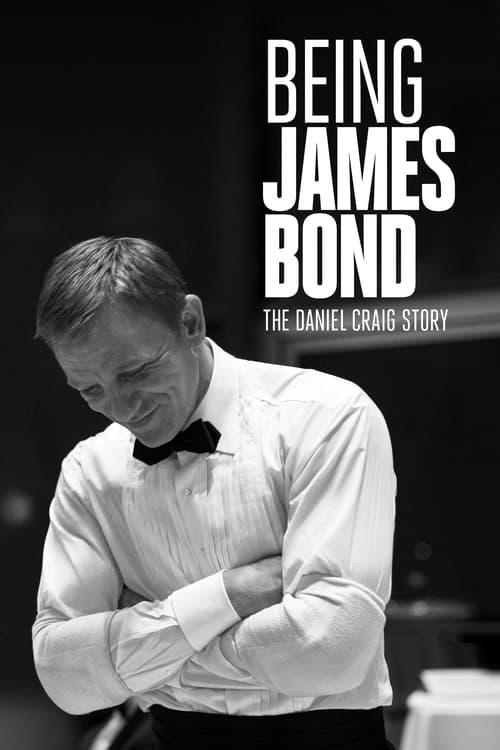
Daniel Craig candidly reflects on his 15 year adventure as James Bond. Including never-before-seen archival footage from Casino Royale to the upcoming 25th film No Time To Die, Craig shares his personal memories in conversation with 007 producers, Michael G Wilson and Barbara Broccoli.