Acting
Aucune description disponible.
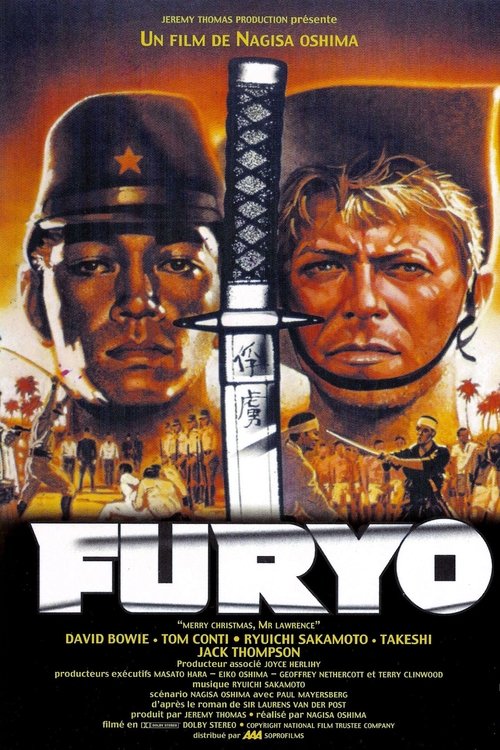
Java 1942 : un camp de prisonniers est dirigé par le capitaine Yonoi, un chef japonais à la poigne de fer. À la crainte et au mépris qu'éprouvent les prisonniers et les subalternes du capitaine à l'endroit de ce dernier, s'oppose la résistance étonnante d'un soldat anglais, Jake Celliers. Face à son attitude provocante, Yonoi devient de plus en plus sévère dans le but de faire plier le rebelle.
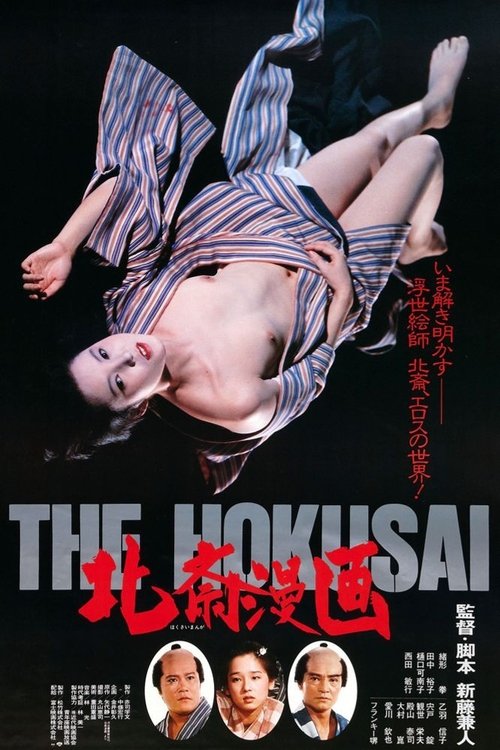
L'artiste connu dans le monde entier, Hokusai, est un veuf qui n'arrive pas à gagner d'argent. Il vit avec sa fille Oei dans la maison d'un ami, Bakin. Hokusai rencontre une femme appelée Onao et se retrouve irrésistiblement attiré par elle, mais elle disparaît soudainement. Un jour, Oei ramène à la maison une jeune fille qui ressemble trait pour trait à Onao. Hokusai commence à peindre, en utilisant la jeune fille comme modèle.
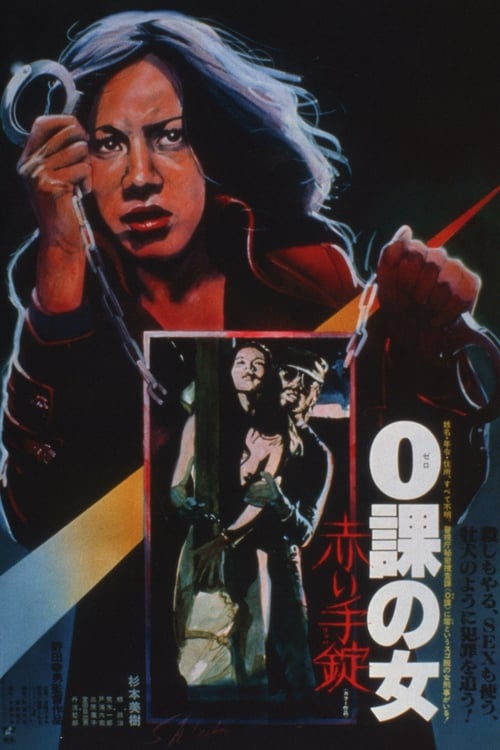
Spécialisée dans l'arrestation des criminels sexuels, une femmes flic manipulée par ses supérieurs après une bavure, s'attaque à un gang de redoutables voleurs anarchistes… Armée d'un pistolet rouge et d'une paire de menottes assorties, elle enquête sur le rapt de la fille du futur 1er ministre du japon…
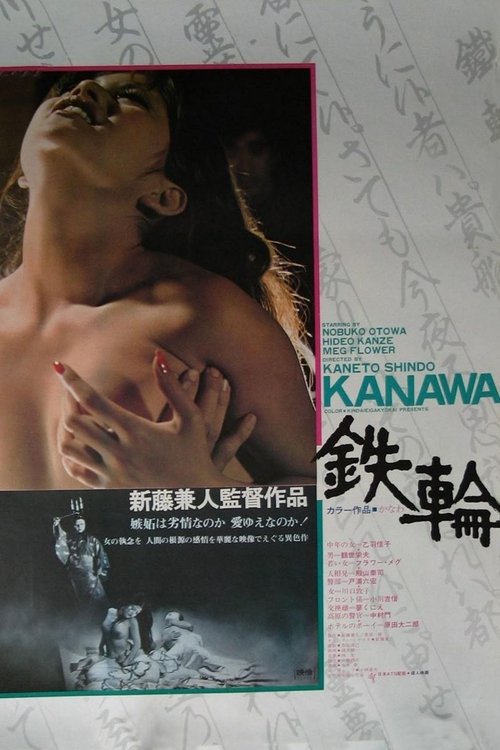
Une femme se venge de son mari après qu'il l'a quittée pour une femme plus jeune en harcelant le couple avec des appels téléphoniques indésirables la nuit.
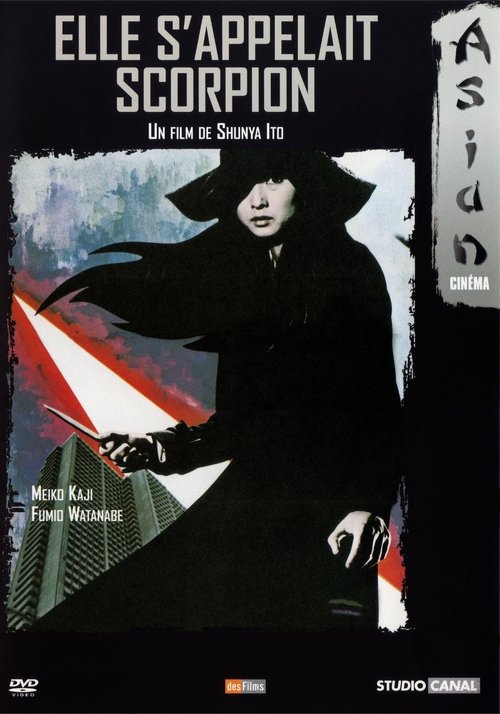
Enfermée à perpétuité dans un dur pénitencier pour femme, l'inébranlable Scorpion ne cesse de tenir tête au directeur de la prison qui rêverait de la voir enfin se soumettre à ses odieuses règles. Endurant les tortures morales et physiques, Scorpion parvient néanmoins à s'échapper avec six autres détenues lors d'un transfert.
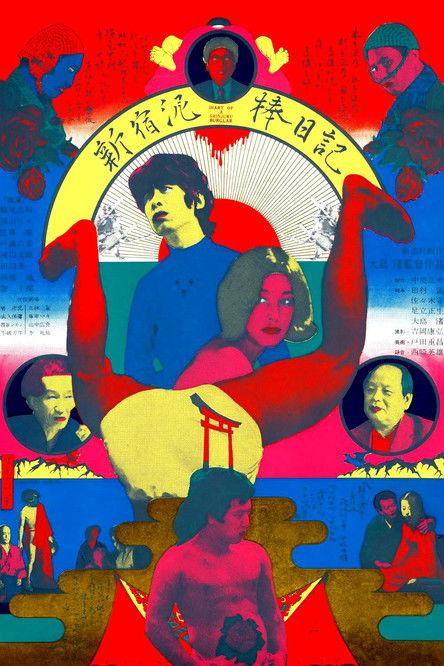
Birdie, étudiant, passe son temps à voler des livres. Il est bientôt rejoint par Umeko. Les amants commencent à voler des livres ensemble…
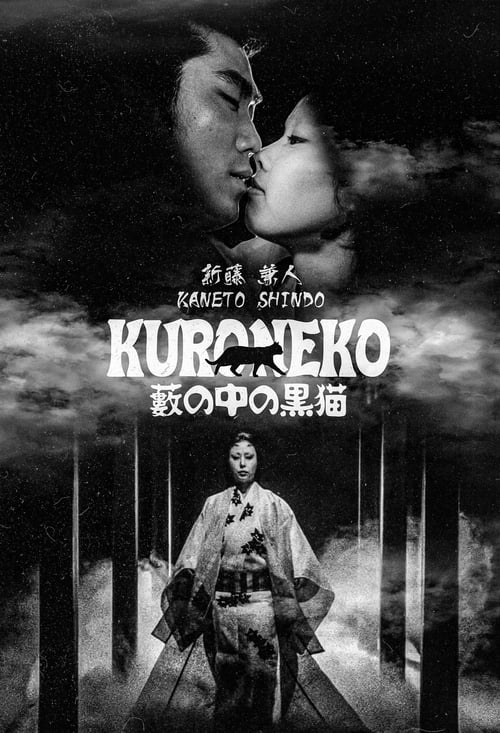
Une femme et sa belle fille sont violées et tuées par un groupe de samouraïs. Ivres de vengeance, elles renaissent sous la forme d'esprits chats et jurent de tuer tous les samouraïs. Jusqu'au jour où leur victime désignée est le fils de la femme, et donc mari de la jeune femme, revenu de la guerre.
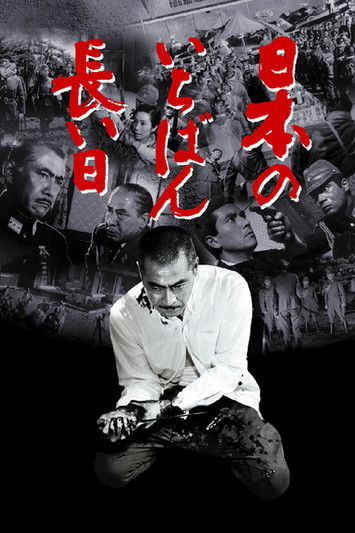
Après la détonation des bombes atomiques sur Hiroshima et Nagasaki, l'armée japonaise et le gouvernement se sont opposés à la demande des Alliés de se rendre sans condition. Le ministre de l'armée Anami conduit les officiers militaires qui se proposent de se battre, même à la mort de tous les citoyens japonais. L'empereur Hirohito, cependant, se joint à ses ministres pour demander l'impensable, la reddition pacifique du Japon. Lorsque les militaires complotent pour renverser le gouvernement civil de l'Empereur, Anami doit faire face au choix entre ses désirs et sa loyauté envers son Empereur.
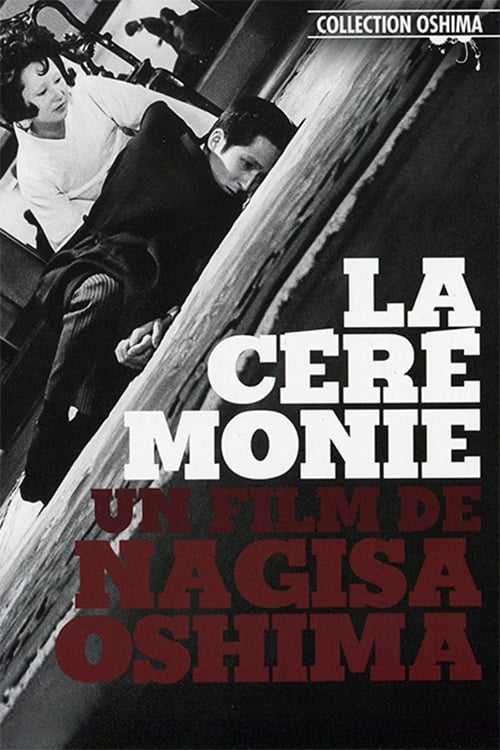
Masuo et sa cousine Ritsuko se rendent sur l’île où vit Terumichi, dont un télégramme leur a annoncé la mort prochaine. Tous trois sont parmi les derniers représentants de la vaste et puissante famille Sakurada. Au cours de la traversée, Masuo se souvient…
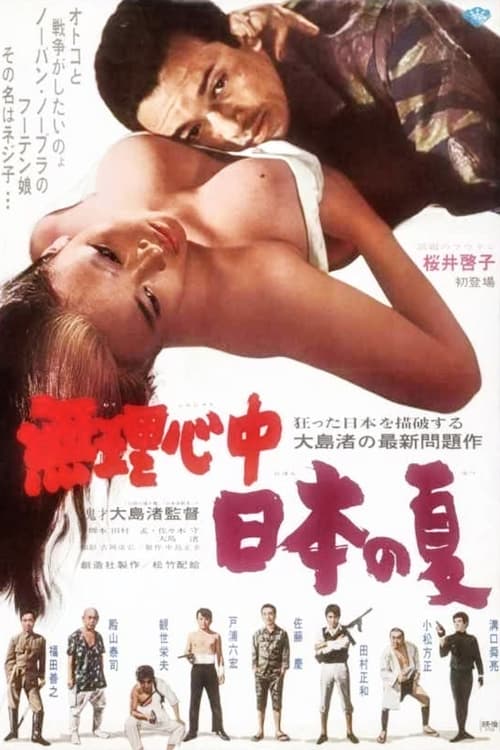
À 18 ans, le sexe est l'unique passion de Nejiko. Elle fait la rencontre d' un homme, avec qui elle espère bien faire l'amour. Mais l'homme reste insensible à ses avances : obsédé par l'idée de mourir, il cherche en vain celui qui acceptera de le tuer. Alors qu'elle l'a attiré sur une plage, tous deux sont capturés par une bande de yakuzas, qui les emmènent dans leur repaire...