Acting
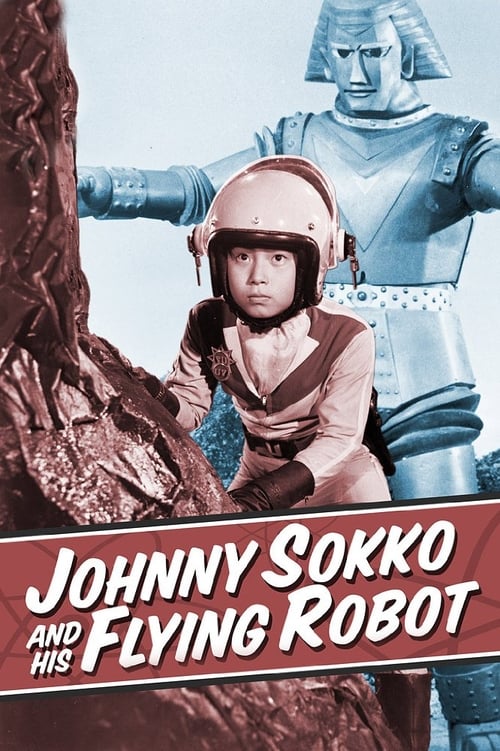
Join Daisaku Kusama and Giant Robo as they battle the interstellar terrorist group Big Fire.
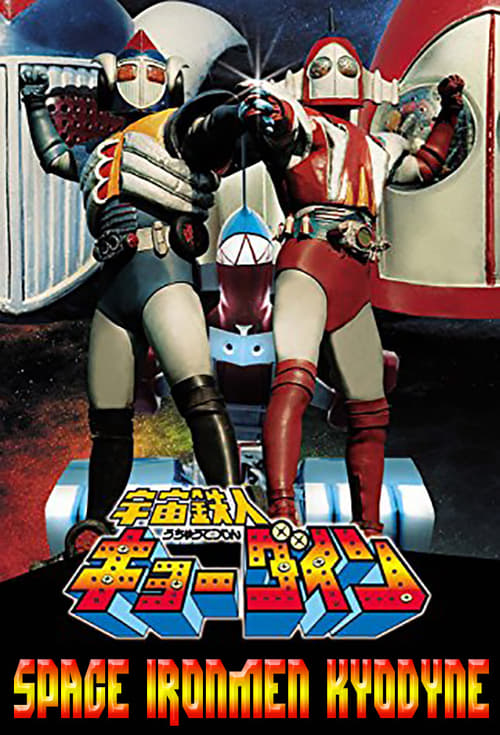
Space Ironmen Kyodyne was a Japanese tokusatsu science fiction superhero television series. The show, like numerous others of its type and era, were produced as a joint effort between manga artist Shotaro Ishinomori and Toei Company producer Hirayama Tôru. It premiered in 1976 and ran for 48 episodes. The show is well known for its strange plot and costume design, rapid-fire and purposefully disorienting editing, and unique, sometimes surreal, atmosphere. The late Yūsuke Natsu and Takeshi Sasaki starred as Skyzel and Grounzel respectively.
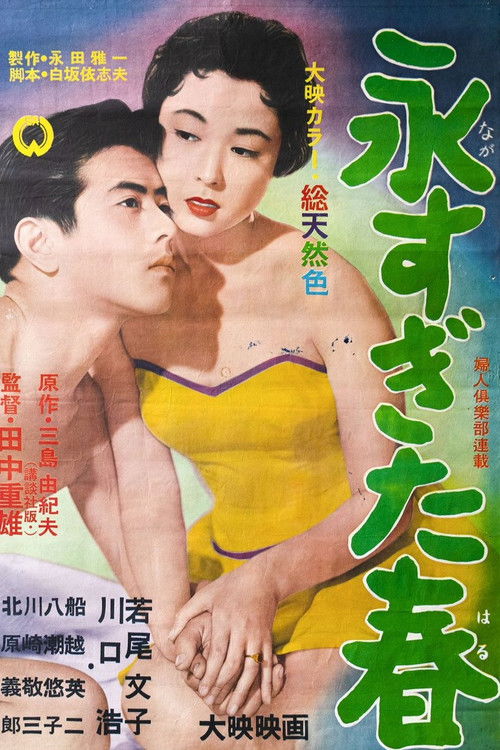
Adaptation of the Yukio Mishima novel.
No description available.
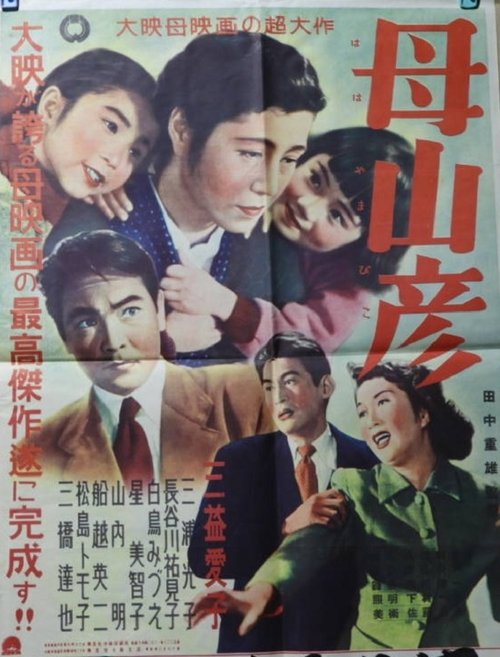
Kyoko is the third daughter of the Nonomiya family, a very ordinary family. Momoko, the eldest daughter, is married to Ichiro, the president of Mihara Shoji, and Riko, the second daughter, is married to Jiro, the managing director, and they plot to marry Kyoko to Saburo, the third son of the Mihara family. Kyoko is angry at the marriage talk that is being pushed forward without her permission, and declares that she "definitely won't get married," but before she knows it, she begins to become aware of the other person...
1962 Japanese movie
The inventor of a ground-breaking glue, Sanada, becomes rich thanks to his discovery a high executive in his company. Because of this promotion, his world is changing completely : his wife behaves like never before, considering she's now rich and has the right to do whatever she wants, even having an affair. (Also occasionally known in English as “Overflow”)
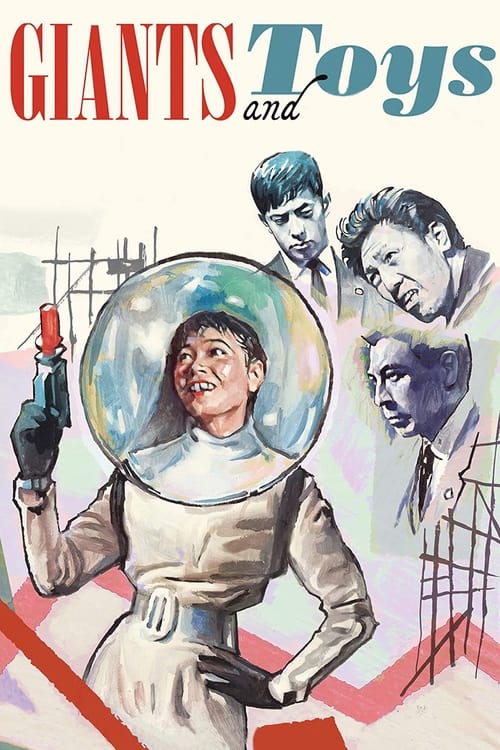
Nishi is an advertising executive for a caramel company that is planning to launch a new product, in fierce competition with two other companies.
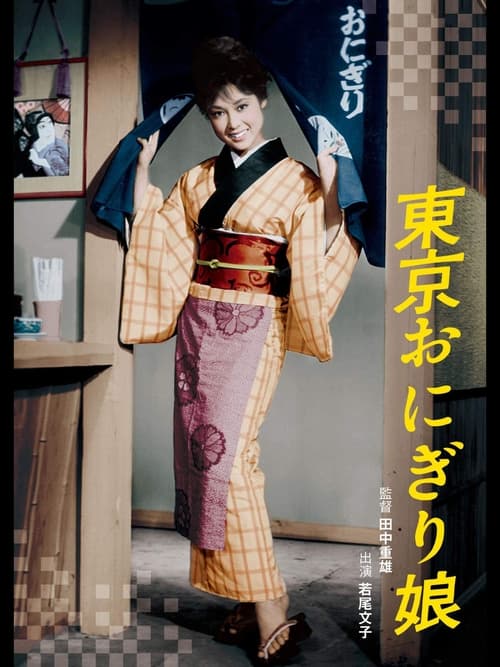
Ayako Wakao portrays a downtown rice ball shop girl whose heart is set on her business. Involved in her life are three young men—stage actor Goro, businessman Kokichi and Sanpei Pachinko.
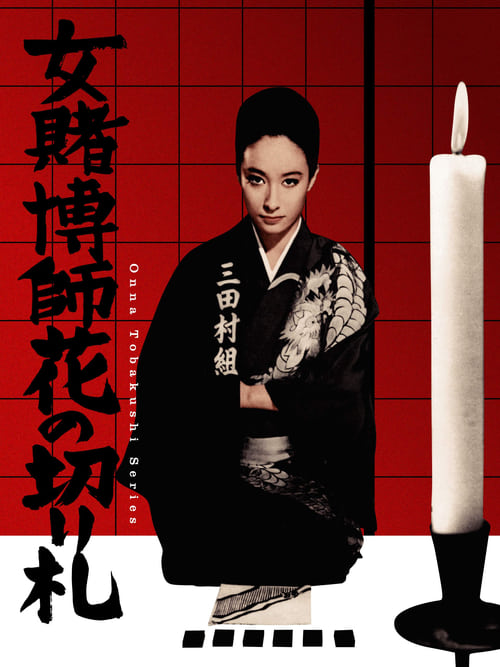
15th in the 17 film Daiei "Woman Gambler" series
1959 Japanese film.
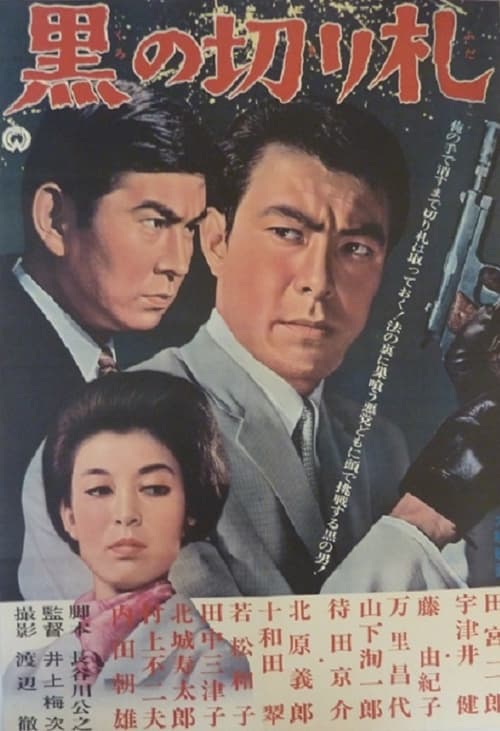
Chairman of the Shin Nihon Kaihatsu company Fukazawa, using clever ways to circumvent the law, rose to the top of the economic backstage. Three people are sacrificed to his greed. The president of a small company who committed suicide, a Yakuza who died during the destruction of his territory, and a former viscount whose wife and property were stolen by Fukazawa. Their sons vowed to hunt down Fukazawa and take revenge.
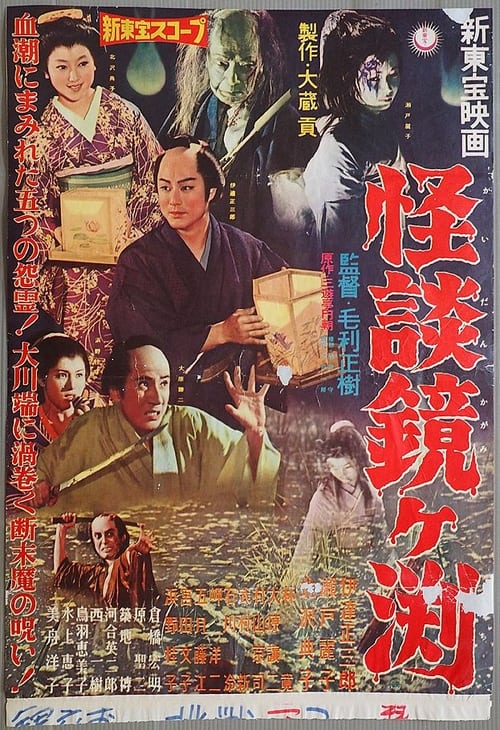
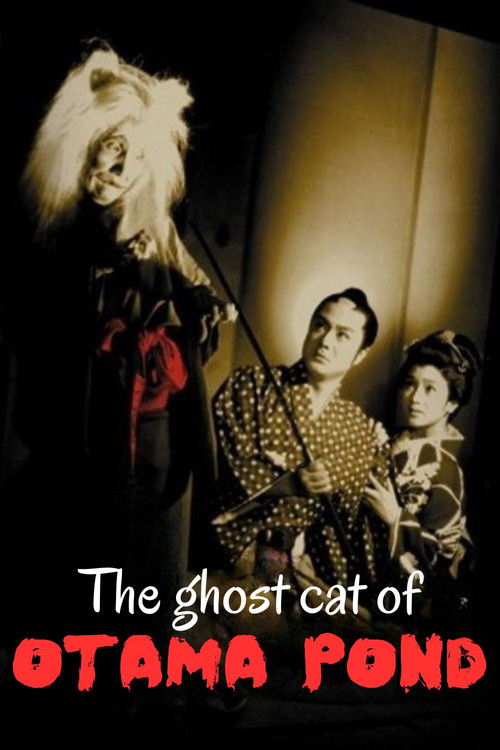
A store manager named Kinbei becomes enraged when the owners of the store decide to hand it down to an adopted son instead of him. He hatches a plot to murder them all, but as it turns out he has done this sort of thing before. As bodies pile up in the nearby Kagami Pond, a ghostly vengeance is about to be unleashed.
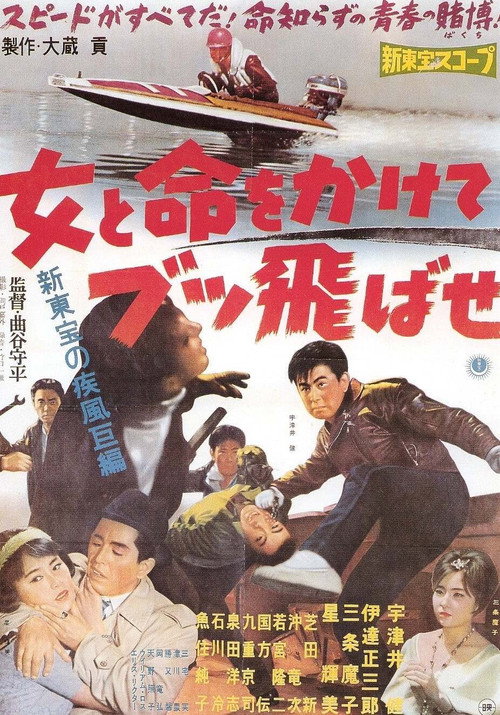
A motorcycle courier (Ken Utsui) is recruited to test a new high-speed motorboat but another company is willing to kill to win the competition to bring it to market.
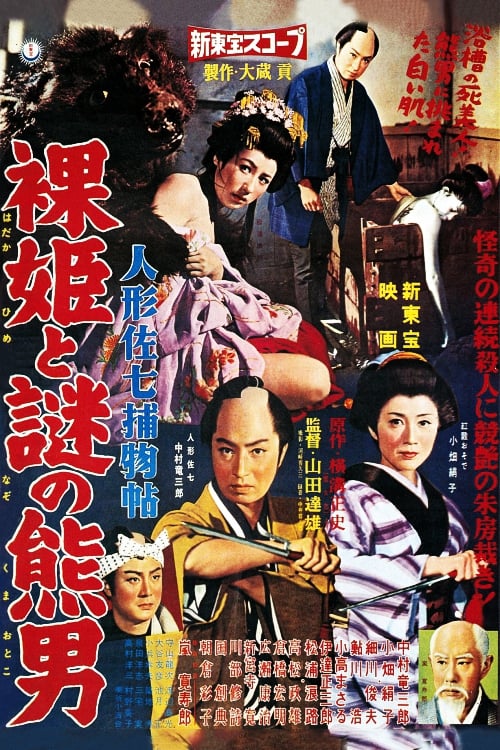
This time around, Sashichi is investigating a case of serial murders believed to be perpetrated by a giant bear.
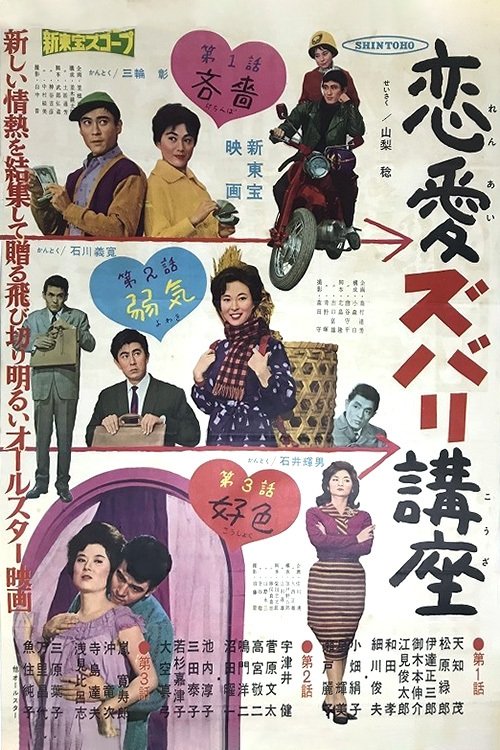
A omnibus movie consisting of the three parts: "Kechinbo", "Yowak" and "Kōshoku".
Two lovers lost in the mountains. In what direction do not go, they find themselves in a mysterious forest pond, as if some kind of force does not want to let them go. Once upon a time, over a century ago, there had been a crime, whose shadow still hovers over these places.
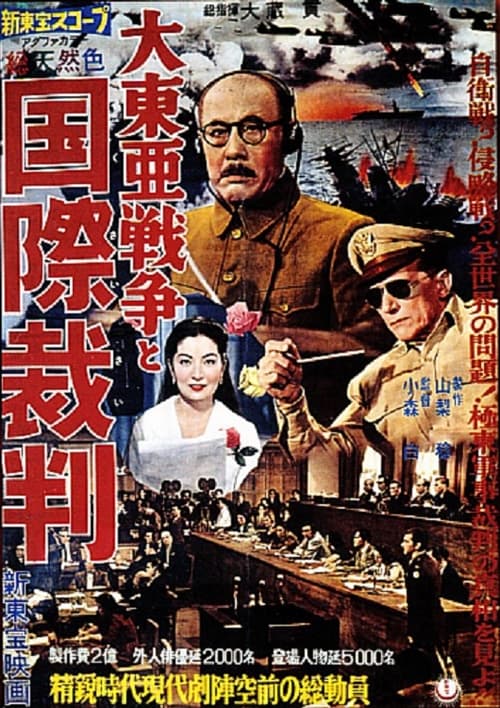
In 1941, overpopulated Japan faces an economic boycott and its armed forces push further to the south. And despite negotiations between Japan and the U. S. A. war is declared with the attack on Pearl Harbour. Victories follow for Japan on land and sea and her forces push forward to the borders of India. But gradually the tide turns in favour of the Allies and after the atom bombings of Hiroshima and Nagasaki, Japan is compelled to accept the Potsdam Declaration and by the order of the Emperor agrees to unconditional surrender. Under the supervision of the occupation forces the International Military Tribunal opens in Tokyo to try the Japanese war leaders. Established in the cause of justice, and to prevent future aggressive wars the trials drag on for two and a half years. And on December 23, 1948, General Tojo and six other war leaders mount the thirteen steps to the gallows at Tokyo's Sugamo prison.
1961 Japanese film about the Shinsengumi.