Acting
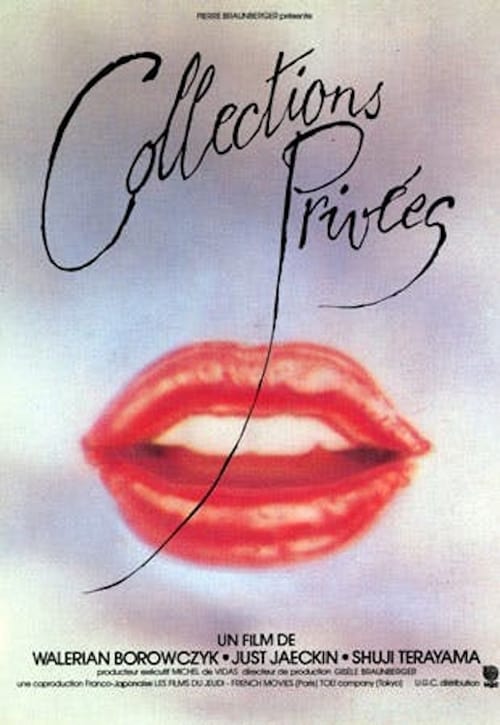
Three stories. A solitary sailor falls from his boat and washes ashore on a tropical island. While seeking rescue, he's found by a nearly naked woman who is playful and compliant. He decides to erase his signs of distress and remain on the island. What awaits? In the second, an adolescent searches for the words of a nursery rime he remembers bits of. His journey takes him into dreams, sexual awakening, and Oedipal fantasy. Third, a man of wealth in late-nineteenth century Paris hires a prostitute for the night. She's also cabaret performer and takes him to her room. He fears he's about to be robbed. What's her secret?
A girl named O loves a rich, and much older man. She is subjected to a variety of humiliating experiences to prove her unconditional obedience to him in a Chinese brothel. A poor boy sees her and falls in love with her. To get the money needed to sleep with her, he takes part in rebellious acts.
A director faces creative block while working on his latest film – a reimagination of his adolescence growing up in a mountain village in rural Japan.
An experimental, psychedelic odyssey through Japanese subculture experienced via the eyes of a disillusioned young man, who must contend with intense familial dysfunction, psychosexual alienation, and existentialist malaise.
In a Japanese colony, children overthrow their parental guardians and attempt to form a new society. Their plan spirals out of control and they are soon lost in a web of sexual deviation and violence.
In the midst of a match, Hayato, a successful boxer, has had enough of the sport. He lets himself get knocked out, and quits boxing, leaving his wife and living alone with his mangy dog. One day a young mediocre boxer knocks at the door and wants to be Hayato's apprentice.
A surreal, isolated village sees its inhabitants gradually leave behind their mutual traditions and superstitions as they leave for the city. Among them are two cousins who love each other and who get into a quarrel with other villagers.
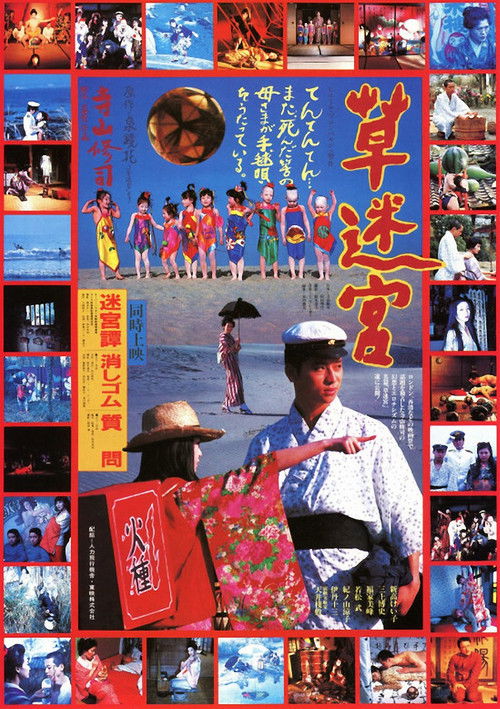
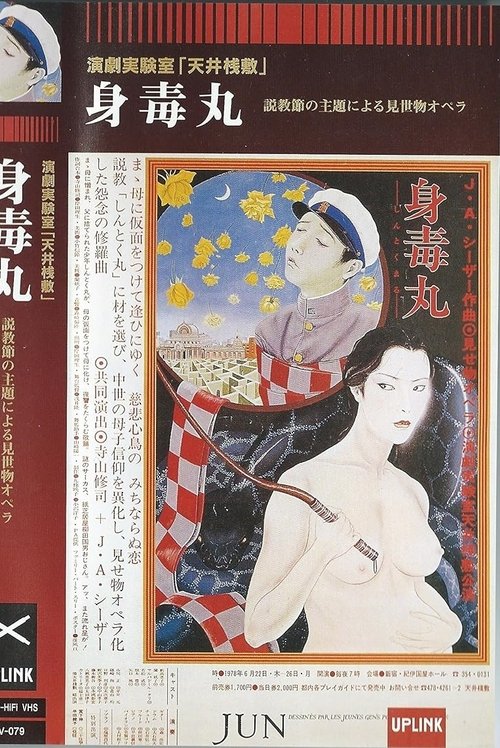
Akira is haunted by a "bouncing ball" song that he remembers his mother singing when he was a small child, and now on the verge of a sexually active adulthood, he wants to find the origins of the song. The young man ostensibly wanders into a time-warp in which aspects from his childhood and adulthood mix together. In this never-never land he comes across a beautiful woman/witch who is lost inside the labyrinth of her mansion, just as the young man is lost in the labyrinth of time — and on some levels, perhaps the labyrinth of his subconscious.
Early pink film directed by Sôjirô Motoki.
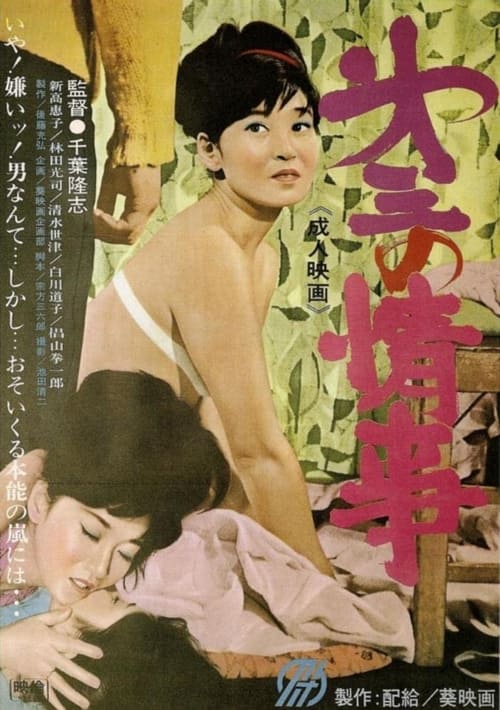
Pinku from 1965.
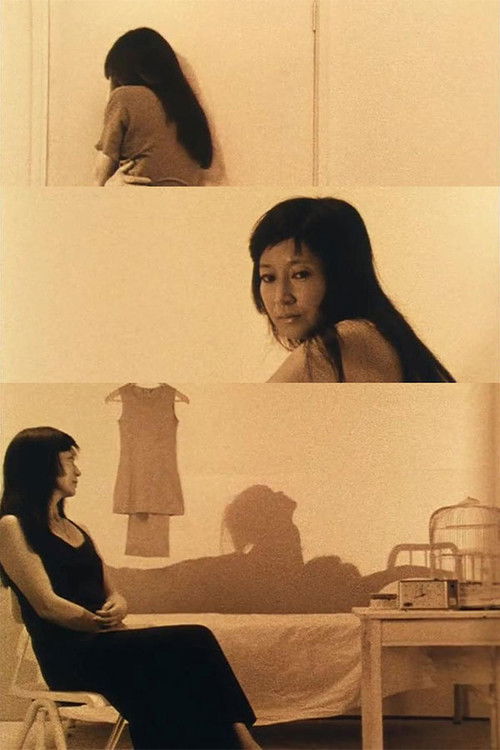
As a family goes on with their day, the shadows on their walls lead a completely different life.
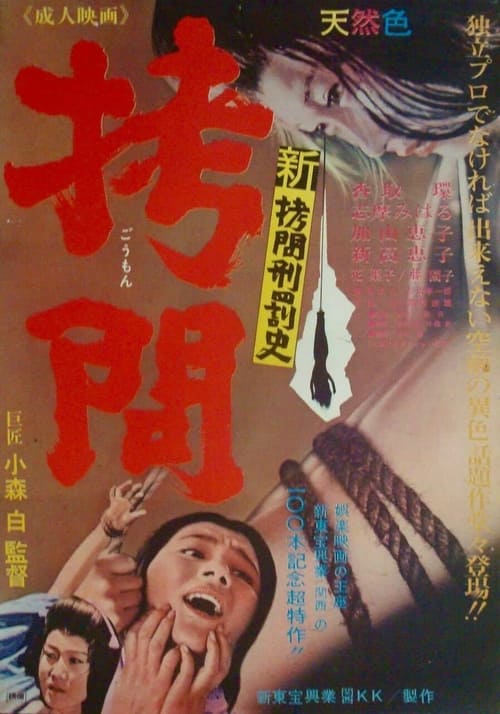
Three stories of torture, set in Japan's Sengoku, Kan'ei and Genroku eras.
This second version of the play follows Wan and Tsu, two apprentice cooks who, as they eavesdrop on their neighbors one day, are shocked by the sudden disappearance of a wall separating them from the next flat. As they try to understand what happened and how to fix their wall, the line between reality and fiction begins to crumble, their endeavors continuously halted by weird and disrupting characters.
A doctor, gynecologist, discover the corpse of his wife. His nurse advises to him to declare her death a simple heart attack, to clear himself without the slightest doubt. He refuses and calls the police force there. The interrogation of the doctor, then other witnesses, slowly reveals the truth of her demise…
Shuji Terayama and J.A.Seazer's phantasmagoric folk-psych-symph-prog-rock opera. Historical Tenjo Sajiki performance from 1978.
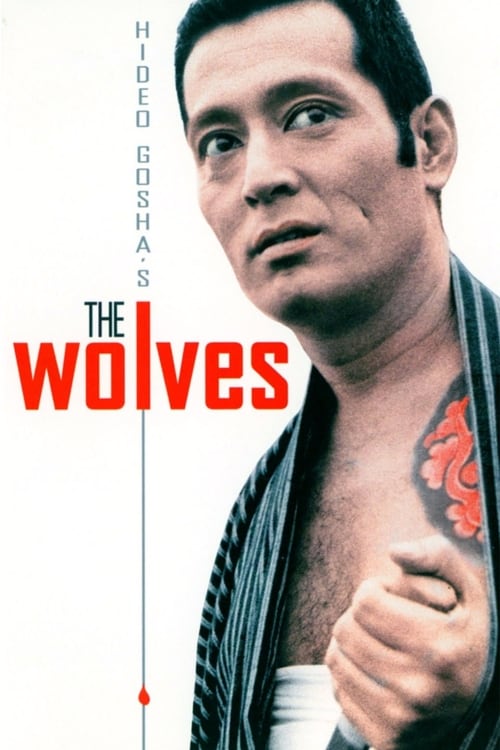
After going to prison for killing the boss of the Kanno gang, Seji Iwahashi gets released early -- only to find that his former gang has merged with the Kannos. But with bitter resentments lingering on both sides, how long will it be before the bloodshed begins anew?
A thirty-year-old lesbian virgin sleeps with a man for the first time.
1967 Pink film.
The documentary to find the "true Shuji Terayama".
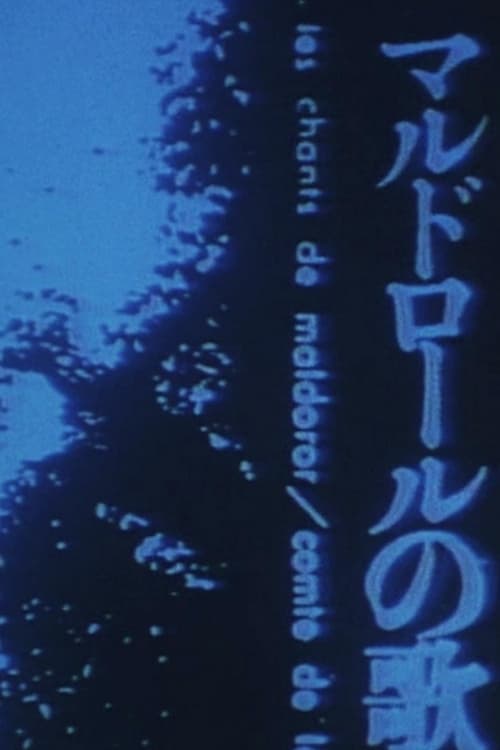
A “reading film” of delirious image and text, Les chants de Maldoror takes its title and inspiration from Comte de Lautréamont’s 1869 proto-Surrealist poetic novel which, for instance, describes beauty as the chance encounter of a sewing machine and an umbrella on an operating table. In the novel’s six cantos, a young misanthrope indulges in depraved and destructive acts. Unexpected encounters abound, with turtles and birds joining Terayama’s regular cast of snails and dogs to wander over books and bare torsos. Feverish video processing posterizes, inverts and overlays images that are further colored by sound—pushing the limits of his literary adaptation. Terayama wrote that the only tombstone he wanted was his words, but, as Les chants de Maldoror demonstrates, words need not be confined to carved monuments or bound hardcopies.