Rio Kishida
Writing
Biography
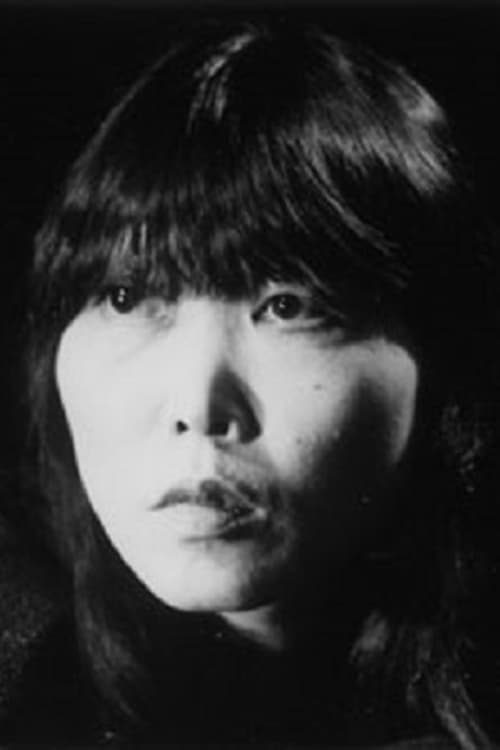
Rio Kishida was a Japanese playwright and director. She wrote several plays about women and the problems they faced in a patriarchal society that run parallel with the second wave of the feminist movement in Japan.
Known For

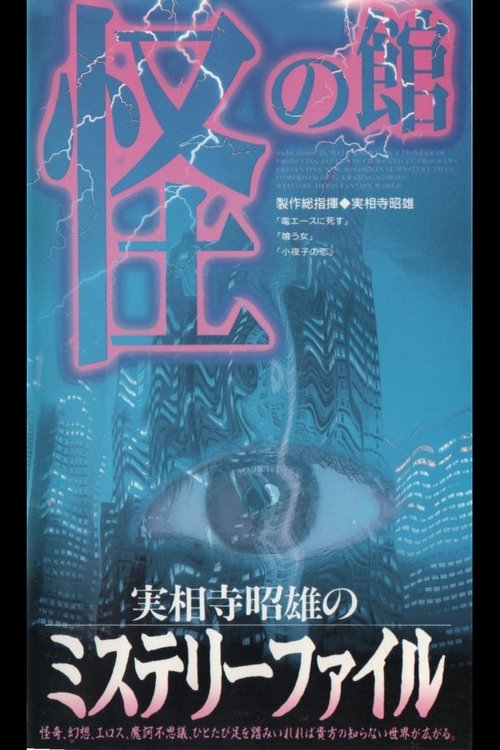
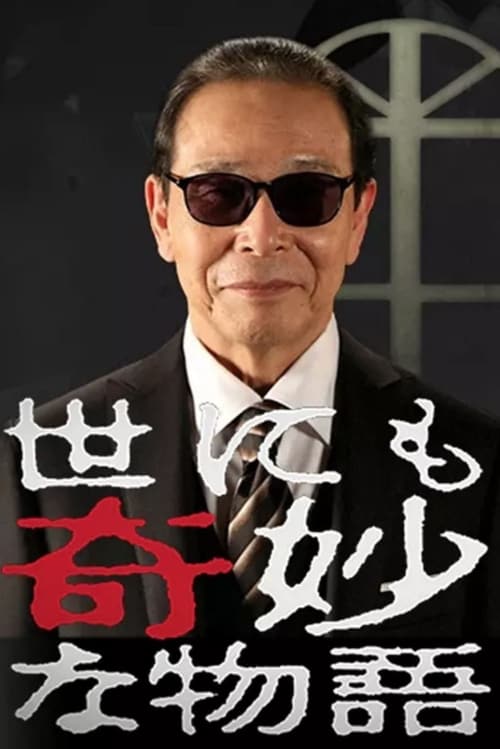
Inspired by American TV movies like "Hitchcock Theater" and "The Twilight Zone," the show features multiple works with Tamori as the storyteller and actors as the main characters. While horror and supernatural themes are predominant, a variety of genres like comedy and drama are also produced. Most episodes, however, have a bad ending.
Tales of the Bizarre

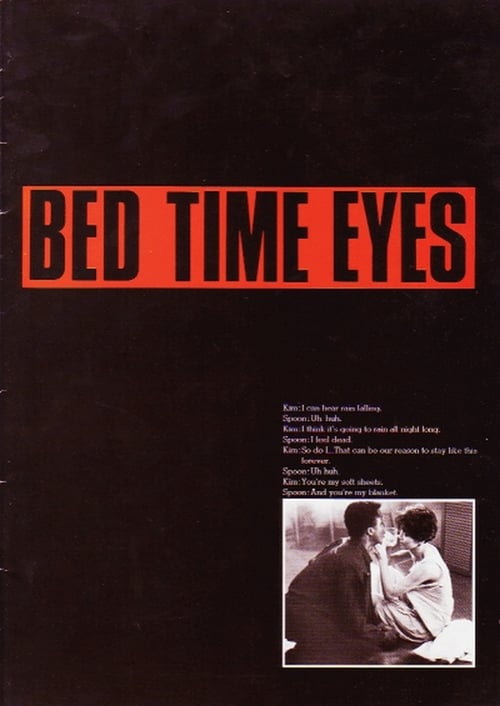
Based on a polemic novel by Amy Yamada, Bedtime Eyes is about the intense love relationship between a second rate Japanese jazz singer and a black American GI on the margins of the law.
Bedtime Eyes

A girl named O loves a rich, and much older man. She is subjected to a variety of humiliating experiences to prove her unconditional obedience to him in a Chinese brothel. A poor boy sees her and falls in love with her. To get the money needed to sleep with her, he takes part in rebellious acts.
Fruits of Passion

A director faces creative block while working on his latest film – a reimagination of his adolescence growing up in a mountain village in rural Japan.
Pastoral: To Die in the Country

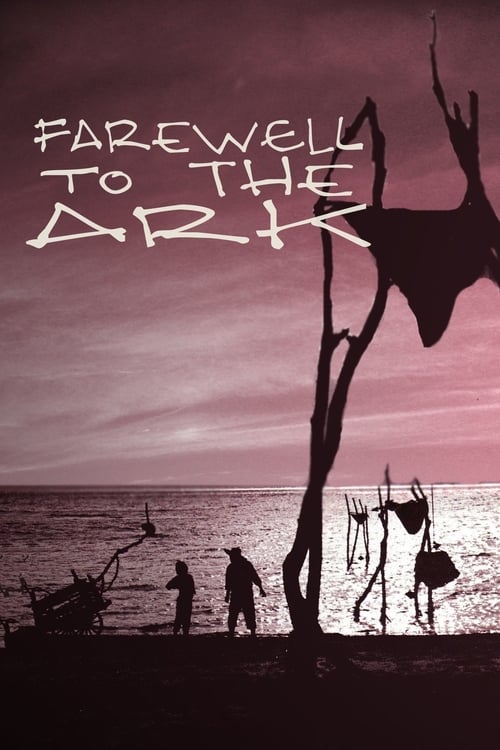
A surreal, isolated village sees its inhabitants gradually leave behind their mutual traditions and superstitions as they leave for the city. Among them are two cousins who love each other and who get into a quarrel with other villagers.
Farewell to the Ark

17 year old Saki lives in a run-down shack with her mom, who survives by pushing a food cart from dawn to dusk. Saki has dropped out of school, and when she's not helping her mother selling noodles in the streets, she's playing flesh-games with boyfriend Sotoo. In her spare time, the girl also entertains a truck driver named Ataru. She believes her promiscuity is a trait inherited from her mom. Determined to improve her lot in life, Saki decides to stop seeing the two guys.
Path of the Beast

In the midst of a match, a successful boxer - Hayato, has had enough of the sport. He lets himself get knocked, quits boxing, leaving his wife and start living alone with his mangy dog. One day a young mediocre boxer knocks at the door and wants to be Hayato's apprentice.
Boxer

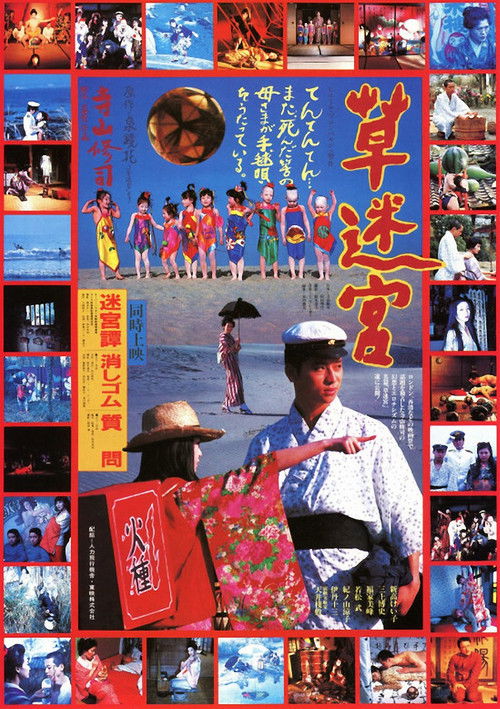
Akira is haunted by a "bouncing ball" song that he remembers his mother singing when he was a small child, and now on the verge of a sexually active adulthood, he wants to find the origins of the song. The young man ostensibly wanders into a time-warp in which aspects from his childhood and adulthood mix together. In this never-never land he comes across a beautiful woman/witch who is lost inside the labyrinth of her mansion, just as the young man is lost in the labyrinth of time — and on some levels, perhaps the labyrinth of his subconscious.
Grass Labyrinth

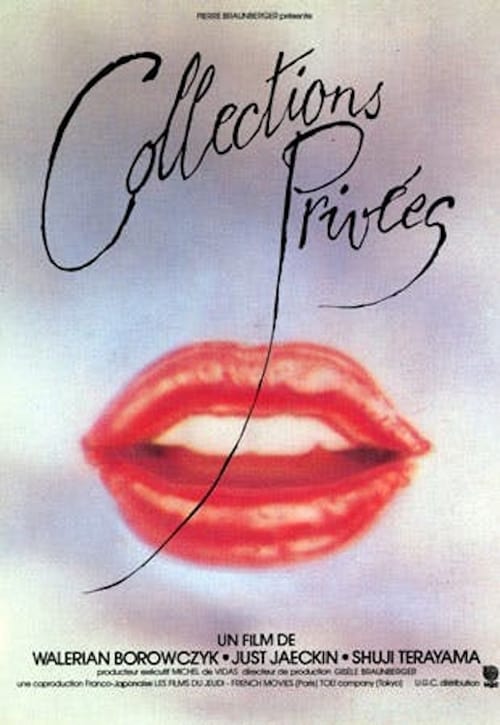
Three stories. A solitary sailor falls from his boat and washes ashore on a tropical island. While seeking rescue, he's found by a nearly naked woman who is playful and compliant. He decides to erase his signs of distress and remain on the island. What awaits? In the second, an adolescent searches for the words of a nursery rime he remembers bits of. His journey takes him into dreams, sexual awakening, and Oedipal fantasy. Third, a man of wealth in late-nineteenth century Paris hires a prostitute for the night. She's also cabaret performer and takes him to her room. He fears he's about to be robbed. What's her secret?
Private Collections

Nagare, a painter who wanted to commit a lover’s suicide with Mizue, the wife of his friend and patron Takigawa. Growing afraid at the last moment, he doesn’t go through with it – but Mizue sinks to the bottom of Blue Lake. Some time later, Nagare follows an invitation by Takigawa, who claims to have forgiven everything. To Nagare’s shock, Takigawa’s new wife, Ameko, looks exactly like Mizue. While staying as Takigawa’s guest, Nagare becomes haunted by Mizue’s ghost, who wants to be reunited with him at the bottom of Blue Lake.
Blue Lake Girl

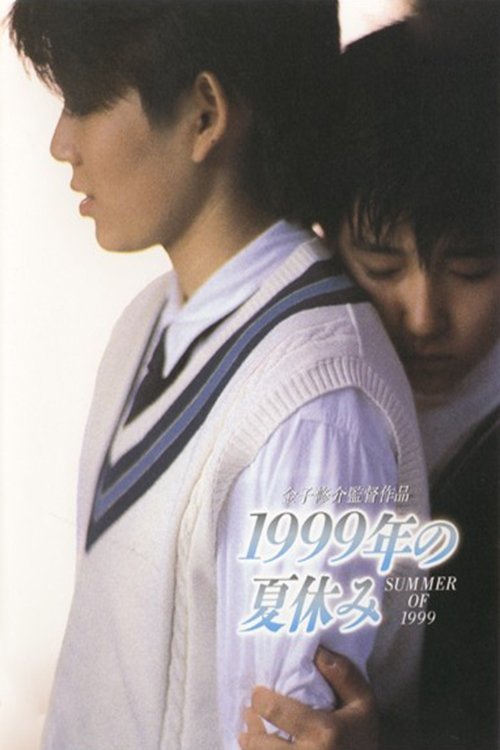
With no families to return to for summer vacation, three teenage boys spend their summer at their boarding school, alone and unsupervised. Darkness hangs over them after another boy shows up, who looks exactly like one of their classmates who had committed suicide months earlier. His arrival exposes the romances, jealousies, and tensions of growing up.
Summer Vacation 1999

Akira and Hiroshi are two lowlives who work at a pachinko parlour. Hiroshi is a ladies' man but always loses at pachinko. Akira is a virgin at 25 but always wins. Hiroshi tries to get Akira laid with little success but things change when Akira is informed of a 88 million yen inheritance. But only if he can get married.
Wet Lust: Opening the Tulip

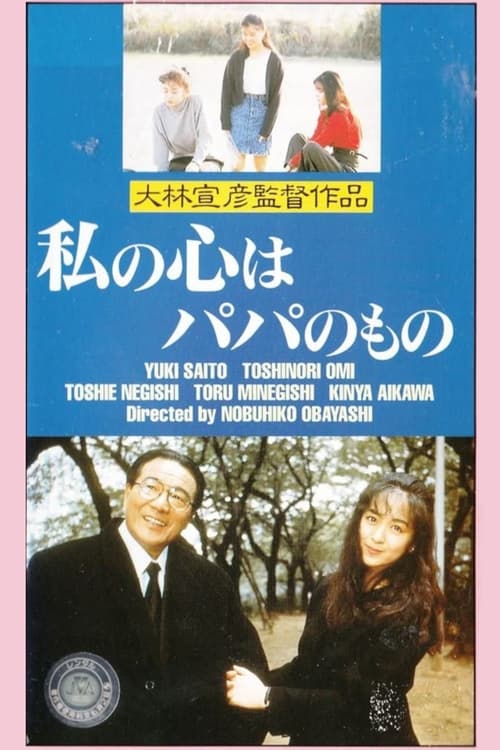
A young woman moves in with her estranged father after her mother passes away.
My Heart Belongs to Daddy

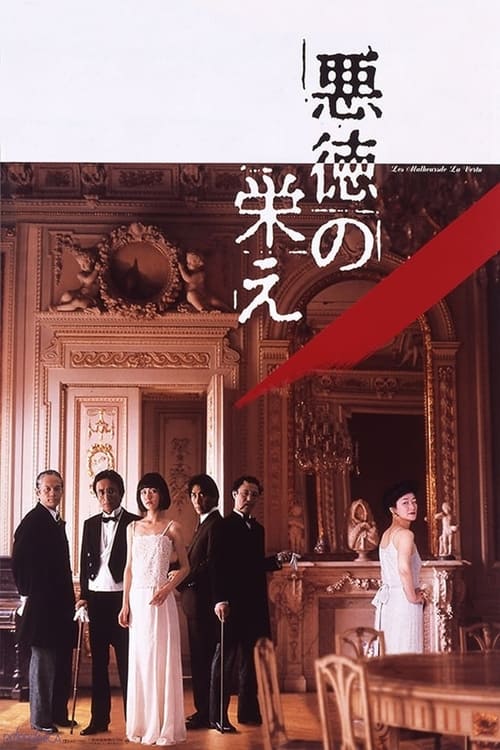
A decadent count in 1920′s Japan becomes obsessed with the life and works of the Marquis de Sade. He creates a theatre to show plays adapted from the notorious writer’s novels and recruits thieves, prostitutes and low lives to act out his fantasies on stage for the delectation of his rich, jaded friends. In search of new sensations the nobleman orders one of the actors, on pain of death, to make love to the nobleman’s wife while he watches. Unfortunately, this incursion of real life into his fantasy world will have dire consequences for the count and his divinely decadent coterie.
Marquis de Sade’s Prosperities of Vice

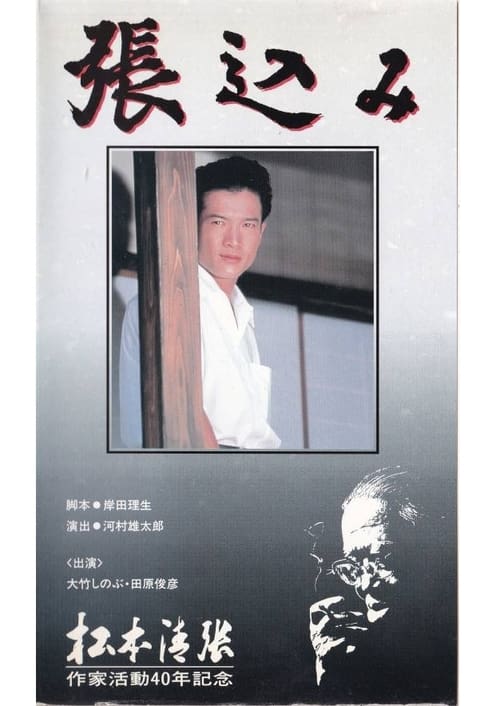
When a team of detectives lose the trail of a murderer, they decide to keep an eye on the suspect’s ex-lover, who is trapped in an abusive marriage.
Harikomi

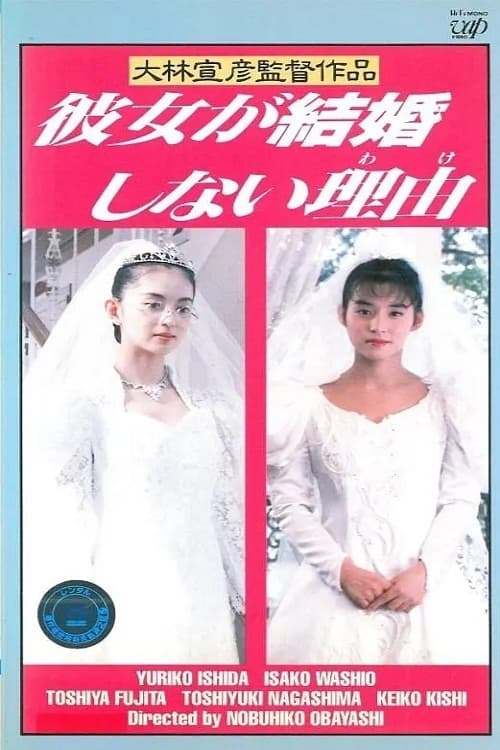
No description available.
Why She Won't Marry

Shuji Terayama and J.A.Seazer's phantasmagoric folk-psych-symph-prog-rock opera. Historical Tenjo Sajiki performance from 1978.
Shintokumaru
Using bluescreen video techniques, Terayama playfully—and with a silent film theatricality—posits a series of postmodern vignettes featuring realities-within-realities as his protagonist attempts some kind of relationship with a nude woman on the screen-within-the-screen. In his struggles to “free” her, he exposes the absurd flimsiness, deceptiveness and mutability of both the cinema experience and our human dimension.
An Attempt to Describe the Measure of a Man

No description available.
Akio Jissoji's Wonder Museum 1

Musical film: Hiromi Go plays a warrior, a gigolo, and an officer spread across a thousand years of history