Johann Lurf
Directing
Biography
Johann Lurf is an artist and filmmaker, using the moving image to analyze and restructure space and film. His practice involves observational and documentary filmmaking especially in the field of structural film, as well as an approach to found footage which is strongly oriented on filmic language itself. He was educated as a film director at the Academy of Fine Arts in Vienna, Austria.
Known For
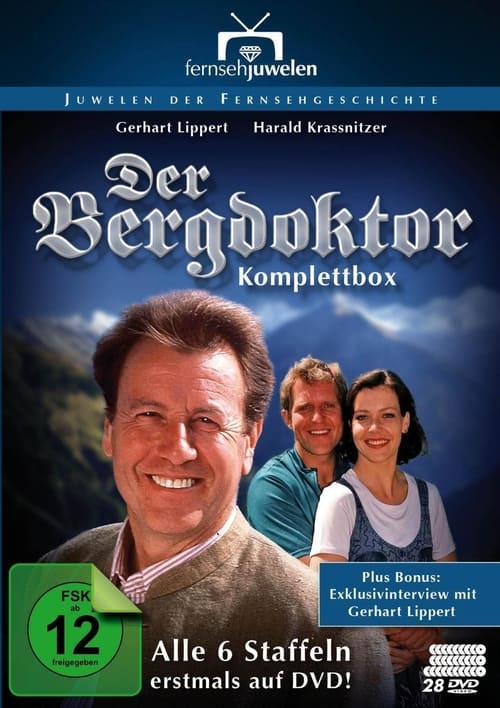
Der Bergdoktor is a German-Austrian medical drama television series, broadcast in 96 episodes between 1992 and 1997.
Der Bergdoktor
This film, made of a single panning, divides the same scene into three screens and starts them successively. This recreates the three square screens into a wide angle-the three same yet distinguished time differences complete one different yet same space.
pan
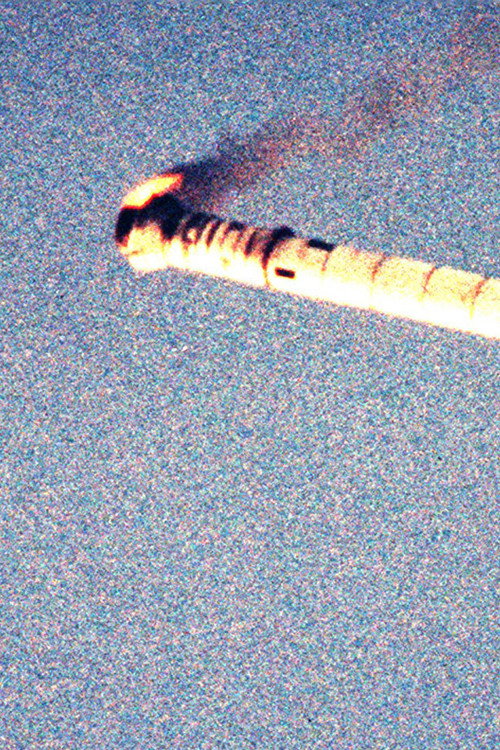
Johann Lurf‘s film Endeavour slides between documentary, avant-garde film, and science-fiction. This highly singular combination of materials and techniques gives the viewer of Endeavour a feeling of flight, as the film continually evades the gravity of genres and definitive definitions. Lurf uses NASA footage from a day and a night launch of the space-shuttle that follows the booster rockets from take-off to splashdown.
Endeavour
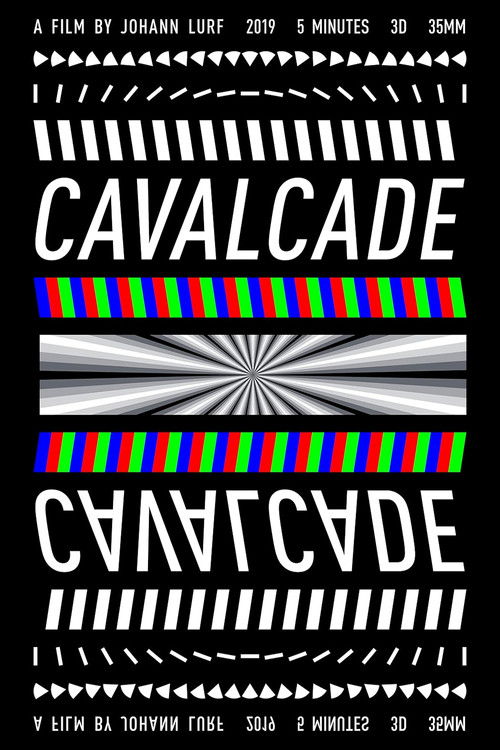
A specially designed waterwheel interacts with strobe light, synchronized with two 35mm cameras recording the scenery in stereoscope. Our perception is tricked twice in a single moment: the illusion of the moving image is created in camera, while the illusion of standstill is forced by the strobe light onto the patterns of the waterwheel.
Cavalcade
3664 found film frames are projected in this ingeniously compiled sequence. Which ones the mind lingers upon will vary per viewer.
The Quick Brown Fox Jumps Over the Lazy Dog
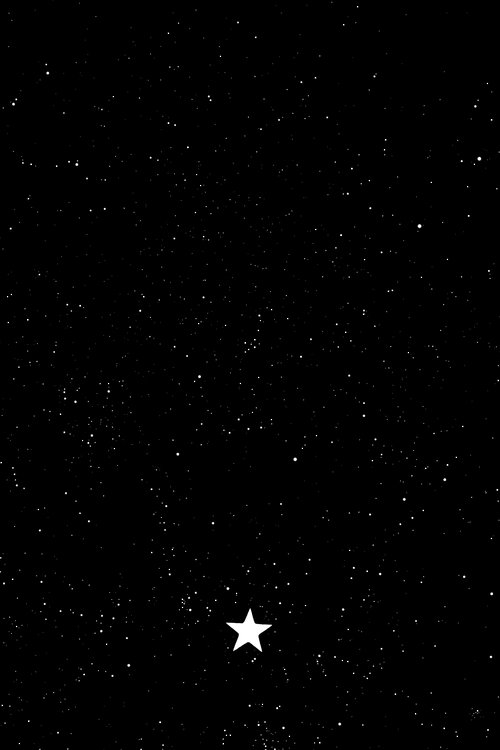
The stars in the night's sky. Pinpricks of light against the darkness excerpted from films beginning at cinema's dawn and continuing to this present day in a project that is planned to be expanded yearly.
★
Emerging from the screen’s blackness, a small image appears at its lower edge. A young boy sits in a train clattering out of the station. Shortly after that another film image is visible at the upper edge: A man catches his wife cheating on him. More and more scenes appear until the screen fills with 12 sections. A different film is being shown in each one.
(untitled)
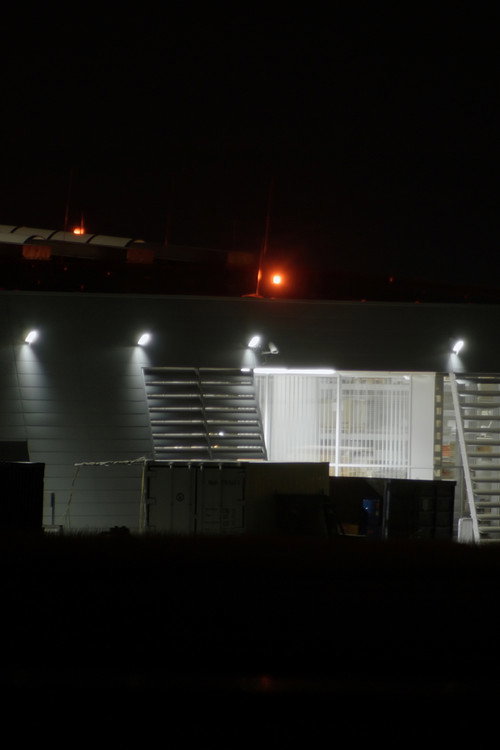
Night-time, high-tech surveillance video uses circling camera to depict a run-of-the-mill contemporary business park. All is however not what it seems. The mechanical eye penetrates the initial security level unmasking the camouflage tactics of today's arms industry using its own tools.
EMBARGO
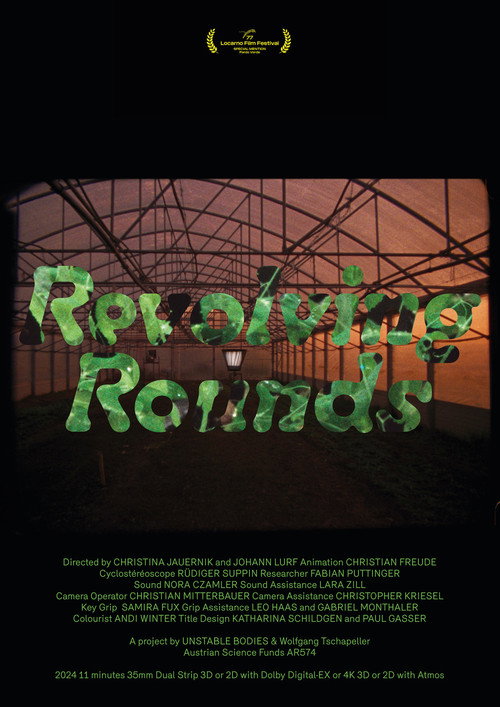
Revolving Rounds is a cyclical film in both form and content. Shot at an agricultural field on the outskirts of Vienna, Johann Lurf and Christina Jauernik’s 3D short begins as it ends, tracking a planimetric path alongside three greenhouses as the early morning sun beams across the surrounding lands.
Revolving Rounds
26 TAKES FOR HARUN FAROCKI is a film collage made by former students. One minute per take. This film was shot by Arthur Sumereder, Axel Töpfer, Björn Kämmerer, Christoph Kolar, David Pujadas Bosch, Franziska Pflaum, Georg Tiller, Jessyca R. Hauser, Johann Lurf, Josephine Ahnelt, Karo Riha, Mina Lunzer, Michael Poetschko, Monika Rabofsky, Mrova, Nathalie Koger, Patrick Schabus, Peter Muzak, Selma Doborac, and Thomas Lehner.
One Take for Harun Farocki
Picture Perfect Pyramid is a 16mm film which in counter-clockwise spirals, circles a large pyramid structure that was built on the outskirts of Vienna in 1983. Using twenty-four positions the film was shot over the course of an entire day, with one shot per hour. The camera moves continuously and almost imperceptibly, covering the surrounding area while the landmark remains centered in the frame. Today the building, a former indoor swimming pool, serves as a venue for various events; from right wing party gatherings to an erotic fair that presents a live show with lights visible even from the outside of the pyramid. In filming the building, a structural approach focused on geometry was used in order to achieve less subjectively motivated images.
Picture Perfect Pyramid
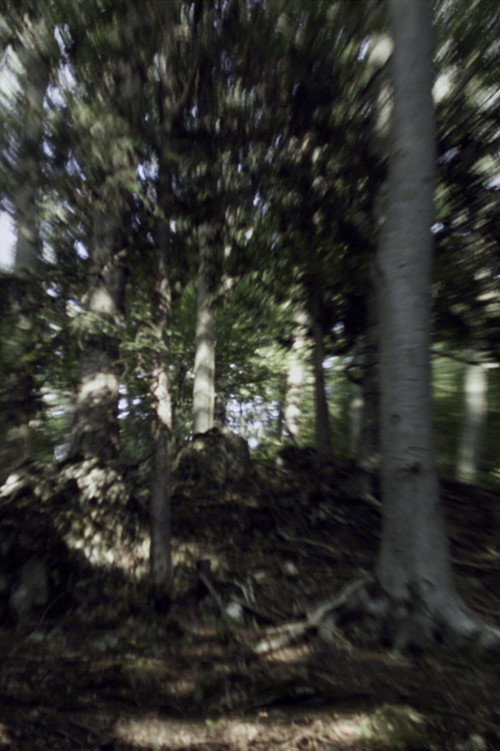
Johann Lurf's critical examination of the special effect of the "dolly zoom" - first used by Hitchcock in Vertigo - becomes a declaration of love to film and the richness of the cinematic language.
VERTIGO RUSH
Johann Lurf embarks on a structural research of a modern pyramid building in his Pyramid Flare, a five-minute work filmed in Prague with a 35mm camera turned on its side.
Pyramid Flare
Johann Lurf’s maximalist, 35mm barrage of Hollywood studio logos, transforms the iconic corporate prelude to the big production-to-come into a sustained, stuttering spectacle in which fractured and fantastical worlds collide into a bombastic anti-climax.
Twelve Tales Told
Intercut footage of the camera panning along two sides of Havana Bay. Every few seconds, our act of viewing is disturbed for several seconds as the camera shifts from one side to the other. The rhythm of this panoramic view is determined by the editing. The 12-minute film invites the viewer on an experimentally filmed journey by boat from Old Havana to Casa Blanca.
Capital Cuba
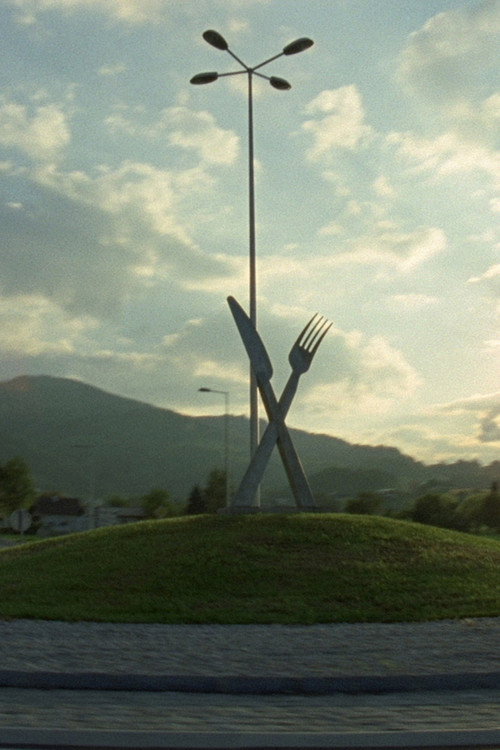
Hilarious overview of architectural failures. A road movie that provides new insights, but goes nowhere. Johann Lurf once again reveals his striking talent and his sense of humor. A to A is an extensive catalogue of mediocre architectural objects on roundabouts, competing for attention in the few seconds as they are passed. A unique artist's impression, shot from a spluttering Vespa.
A to A
At nighttime, a charming city, deserted by the ample light, more light than shadow. There follows a series of explosions, in twelve places for as many disruption. An intrusion that is as pathetic as untimely that resounds now very differently.
12 Explosions
In silent shots, Lurf offers a clip-like depiction of the Morris Reservoir near the Californian city of Azusa - a huge reservoir, which long served as a testing site for torpedoes , or rather, underwater warfare. RECONNAISSANCE targets details of the terrain in a seemingly motionless way, to unfold a subtle play with light and movement within this “framing.”
RECONNAISSANCE
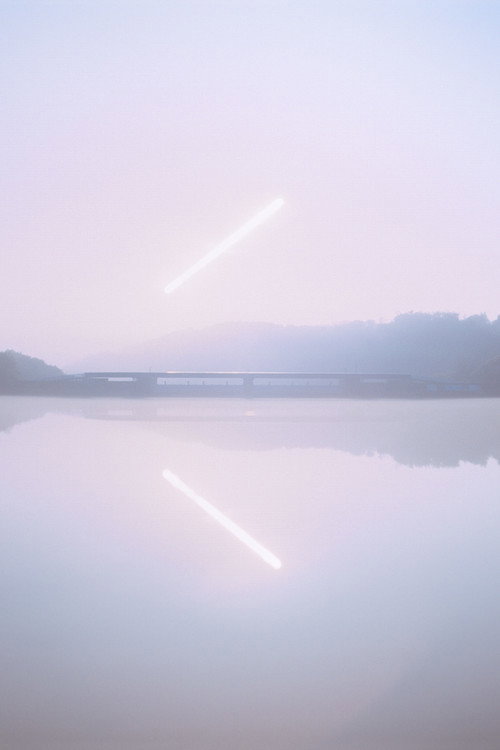
The uninterrupted light trail of one year and ten months, condensed down to 20 minutes, filmed on a self-made camera. Daily rhythms accelerate, slowly at first, then more intensely. A structuralist film about transience.