
Synopsis
You might also like
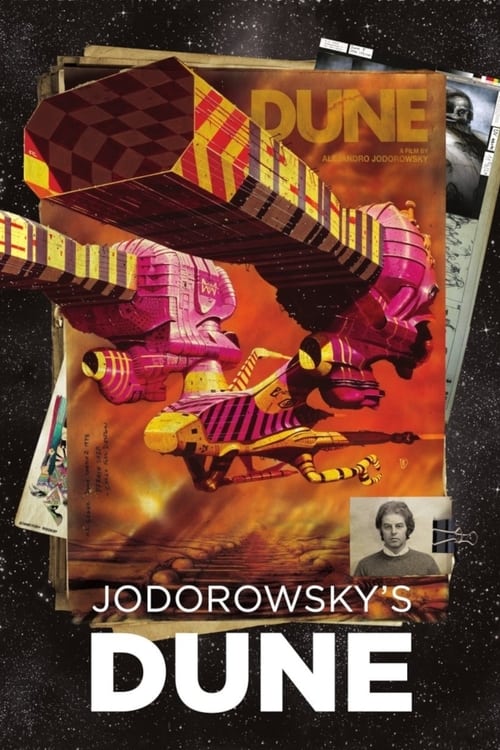
In 1974, Chilean-French director Alejandro Jodorowsky embarked on the quixotic project of adapting Frank Herbert's influential novel Dune (1969) for the big screen. After investing two years, and millions of dollars, the gigantic project ended in failure; but the artists Jodorowsky brought together to carry it out continued to work together, and ended up laying the foundations for modern science fiction cinema.
Jodorowsky's Dune
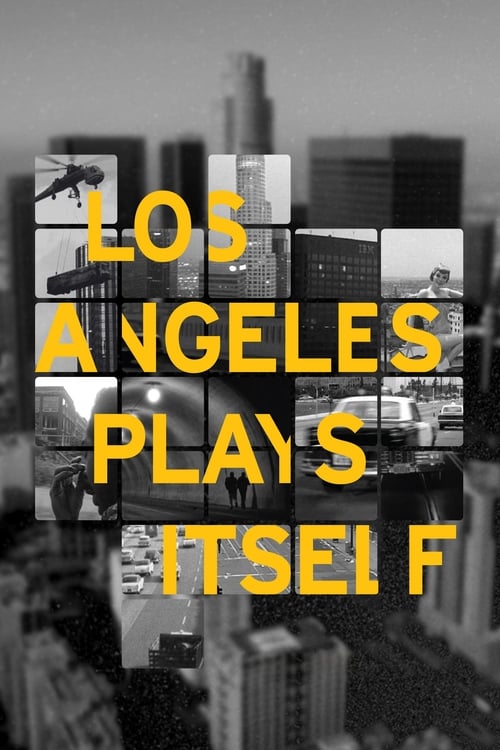
From its distinctive neighborhoods to its architectural homes, Los Angeles has been the backdrop to countless movies. In this dazzling work, Andersen takes viewers on a whirlwind tour through the metropolis' real and cinematic history, investigating the myriad stories and legends that have come to define it, and meticulously, judiciously revealing the real city that lives beneath.
Los Angeles Plays Itself
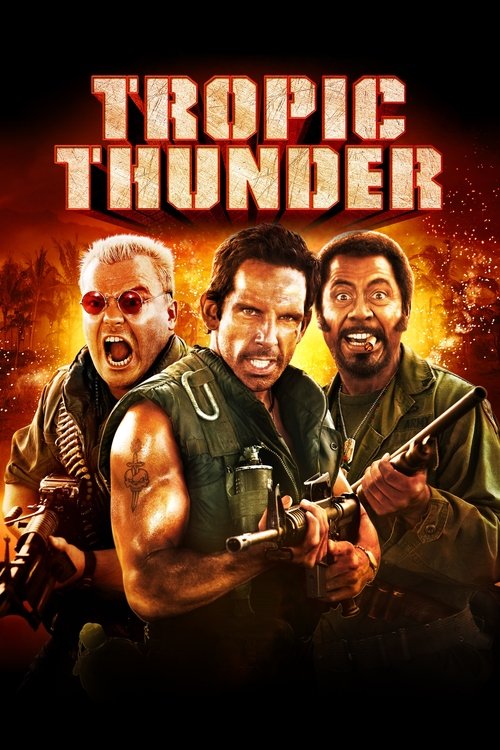
A group of self-absorbed actors set out to make the most expensive war film ever. After ballooning costs force the studio to cancel the movie, the frustrated director refuses to stop shooting, leading his cast into the jungles of Southeast Asia, where they encounter real bad guys.
Tropic Thunder

An inside look at one of the most anticipated movie sequels ever with James Cameron and cast.
Avatar: The Deep Dive - A Special Edition of 20/20
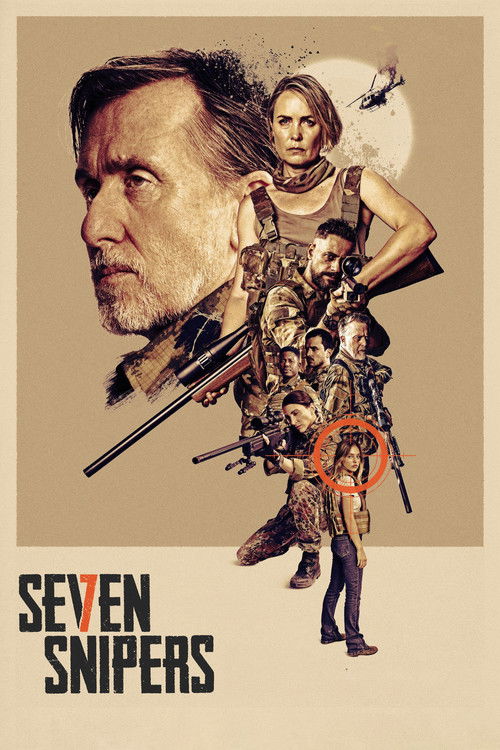
When a former elite sniper is hunted down by the ruthless warlord who once held her captive, she must fight to the death to protect the daughter she has raised in hiding, on a remote Australian farm.
Seven Snipers
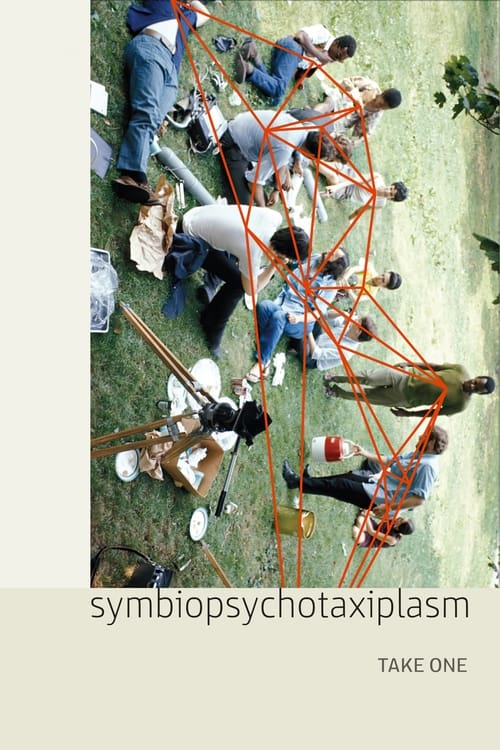
In Manhattan's Central Park, a film crew directed by William Greaves is shooting a screen test with various pairs of actors. It's a confrontation between a couple: he demands to know what's wrong, she challenges his sexual orientation. Cameras shoot the exchange, and another camera records Greaves and his crew. Sometimes we watch the crew discussing this scene, its language, and the process of making a movie. Is there such a thing as natural language? Are all things related to sex? The camera records distractions - a woman rides horseback past them; a garrulous homeless vet who sleeps in the park chats them up. What's the nature of making a movie?
Symbiopsychotaxiplasm: Take One
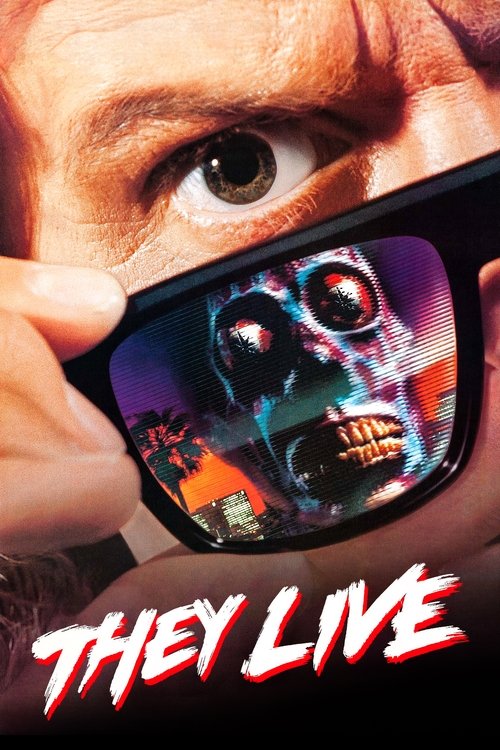
A lone drifter stumbles upon a unique pair of sunglasses that reveal aliens are systematically gaining control of the Earth by masquerading as humans and lulling the public into submission.
They Live
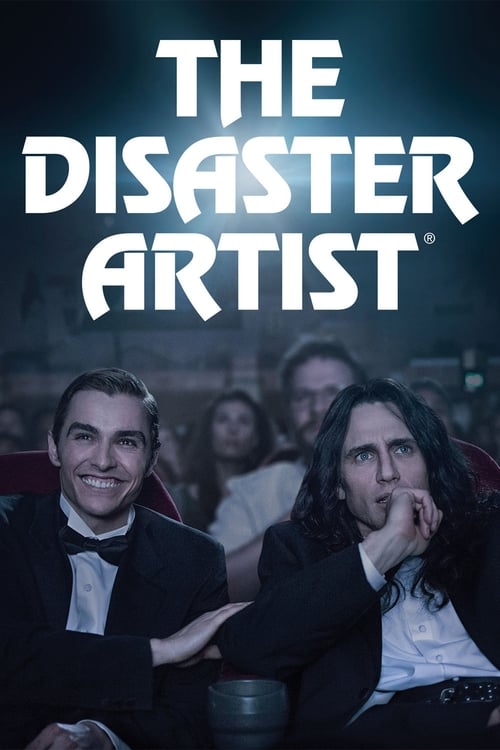
An aspiring actor in Hollywood meets an enigmatic stranger by the name of Tommy Wiseau, the meeting leads the actor down a path nobody could have predicted; creating the worst movie ever made.
The Disaster Artist
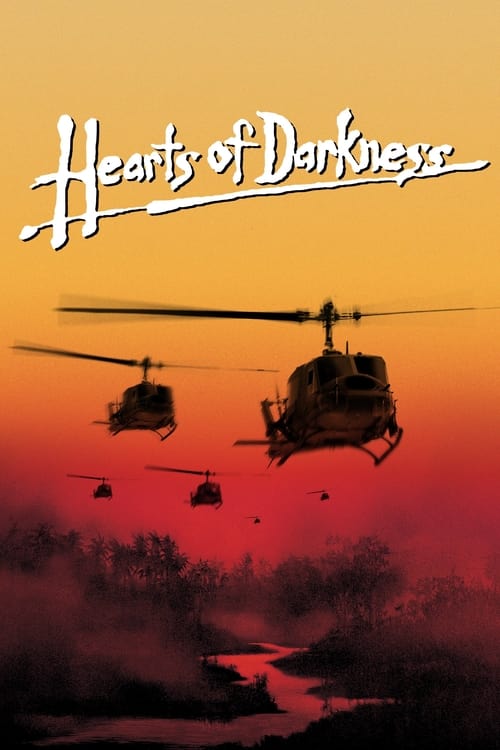
A chronicle of the production problems — including bad weather, actors' health, war near the filming locations, and more — which plagued the filming of Apocalypse Now, increasing costs and nearly destroying the life and career of Francis Ford Coppola.
Hearts of Darkness: A Filmmaker's Apocalypse

After a morally-bankrupt company tries to weaponize a brilliant scientist's revolutionary technology, he goes off the grid to safeguard humanity. When the company sends a strike force to find him, they make their biggest mistake of all – they weaponize the man they are trying to catch.
Off the Grid
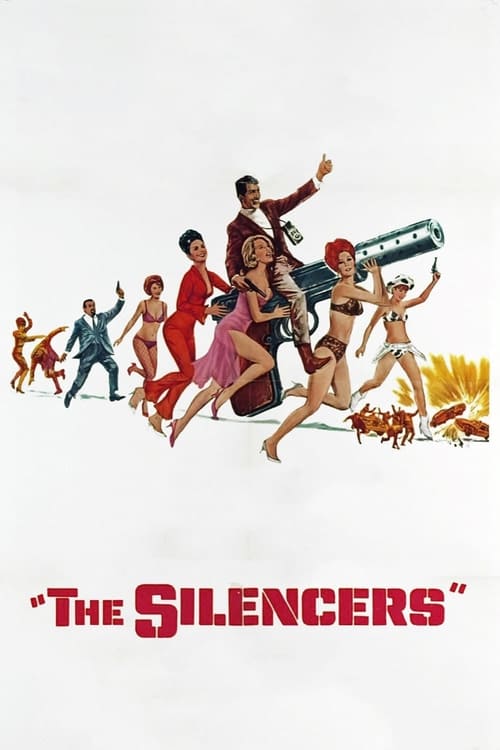
Matt Helm is called out of retirement to stop the evil Big O organization who plan to explode an atomic bomb over Alamagordo, NM, and start WW III.
The Silencers
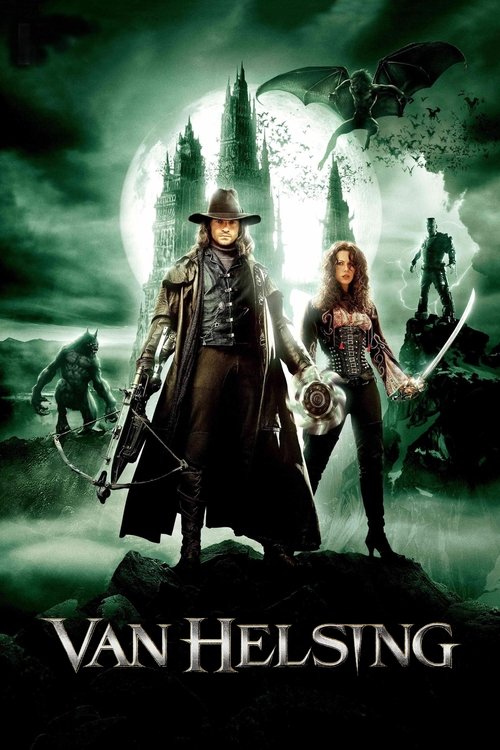
Famed monster slayer Gabriel Van Helsing is dispatched to Transylvania to assist the last of the Valerious bloodline in defeating Count Dracula. Anna Valerious reveals that Dracula has formed an unholy alliance with Dr. Frankenstein's monster and is hell-bent on exacting a centuries-old curse on her family.
Van Helsing

A burned-out paramedic tries to survive his last 24 hours on the job while training a new recruit.
Code 3
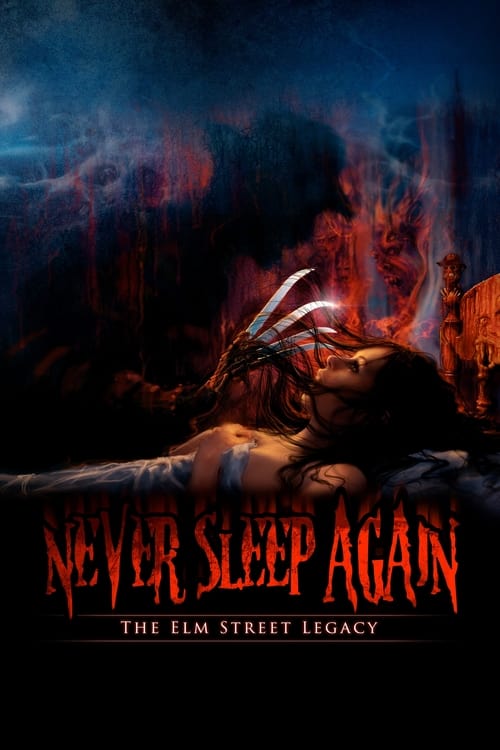
For decades, Freddy Krueger has slashed his way through the dreams of countless youngsters, scaring up over half a billion dollars at the box office across eight terrifying, spectacular films.
Never Sleep Again: The Elm Street Legacy
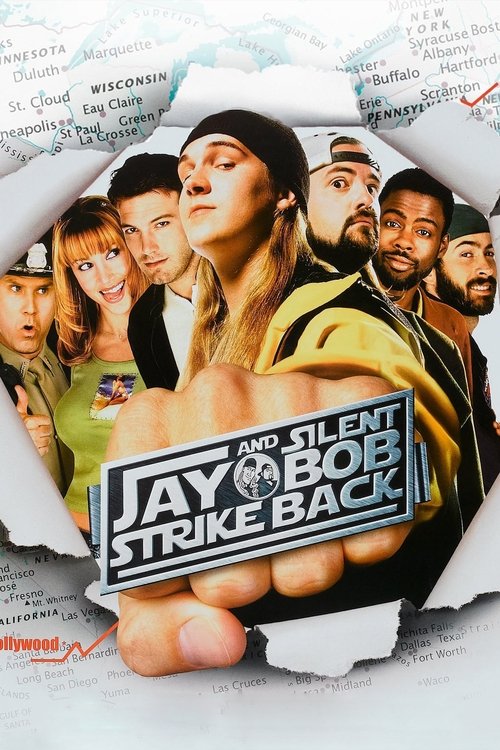
When Jay and Silent Bob learn that their comic-book alter egos, Bluntman and Chronic, have been sold to Hollywood as part of a big-screen movie that leaves them out of any royalties, the pair travel to Tinseltown to sabotage the production.
Jay and Silent Bob Strike Back
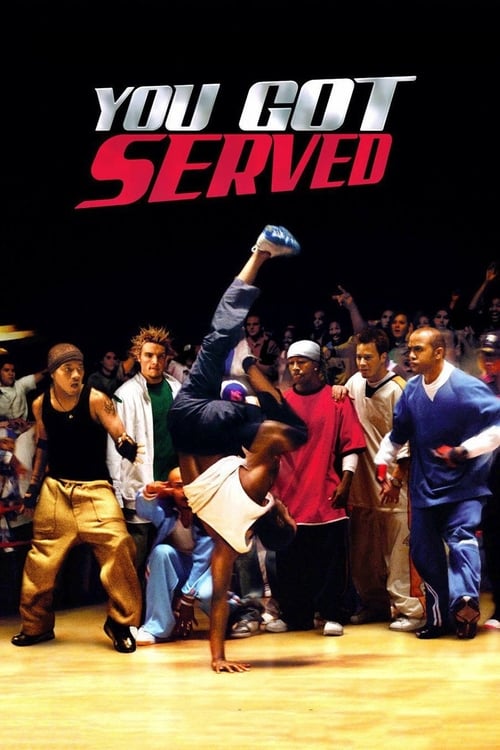
At Mr. Rad's Warehouse, the best hip-hop crews in Los Angeles compete for money and respect. But when a suburban crew crashes the party, stealing their dancers — and their moves — two warring friends have to pull together to represent the street.
You Got Served

After flying home to L.A. for the funeral of his estranged record-producer father, a struggling man discovers that the will stipulates that he must deliver $150,000 in cash to a 30-year-old alcoholic sister he never knew existed, and her troubled 12-year-old son.
People Like Us

A documentary about the rise and fall of the Cannon Film Group, the legendary independent film company helmed by Israeli cousins Menahem Golan and Yoram Globus.
Electric Boogaloo: The Wild, Untold Story of Cannon Films
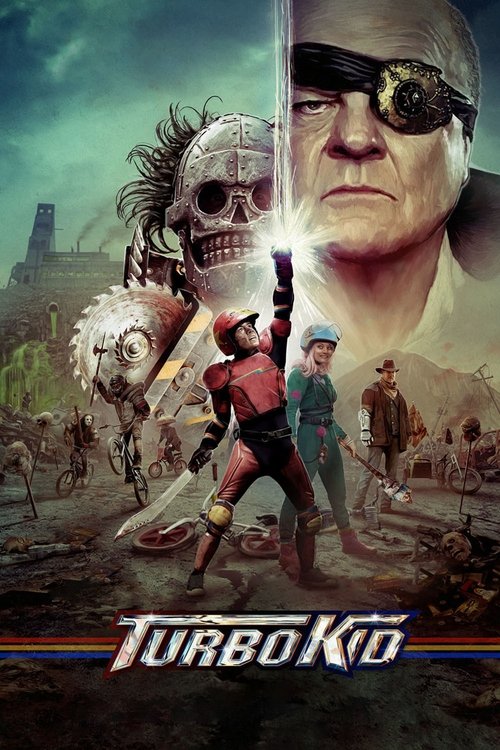
In a post-apocalyptic wasteland, an orphaned teen must battle a ruthless warlord to save the girl of his dreams.
Turbo Kid
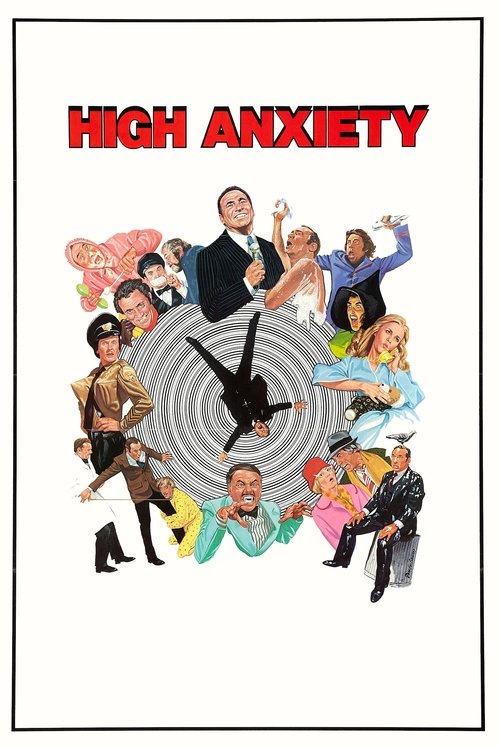
A psychiatrist with intense acrophobia (fear of heights) goes to work for a mental institution run by doctors who appear to be crazier than their patients, and have secrets that they are willing to commit murder to keep.