Acting
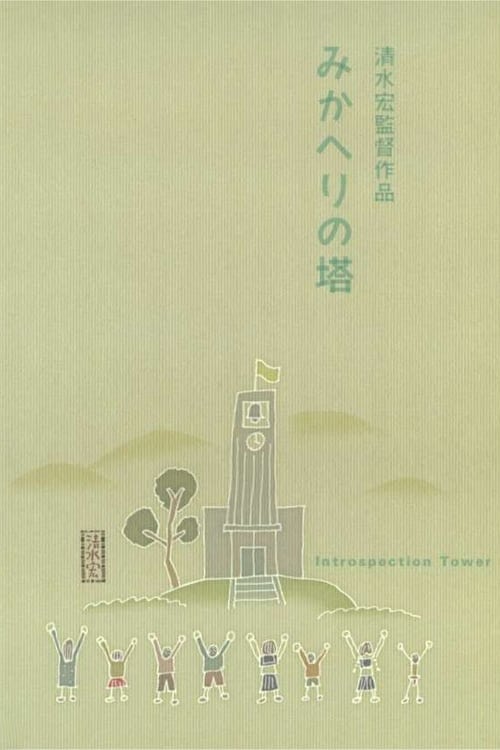
A reformatory in the remote countryside houses 200 delinquents and problem children. The teachers and caretakers face much trouble. The school is often short on water, and one day, the well runs dry.
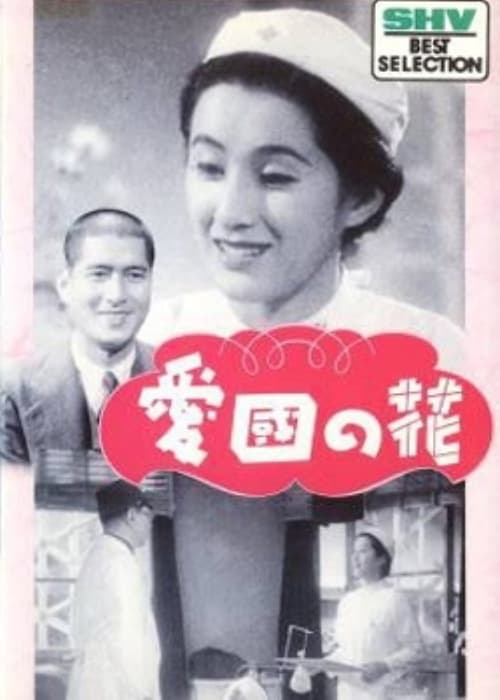
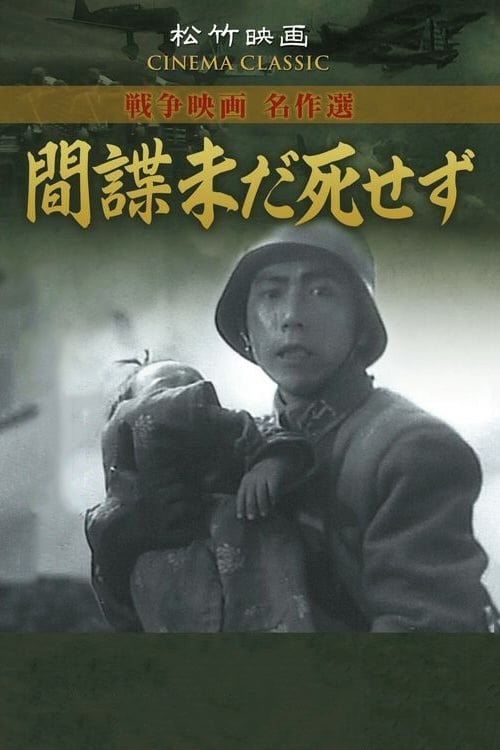
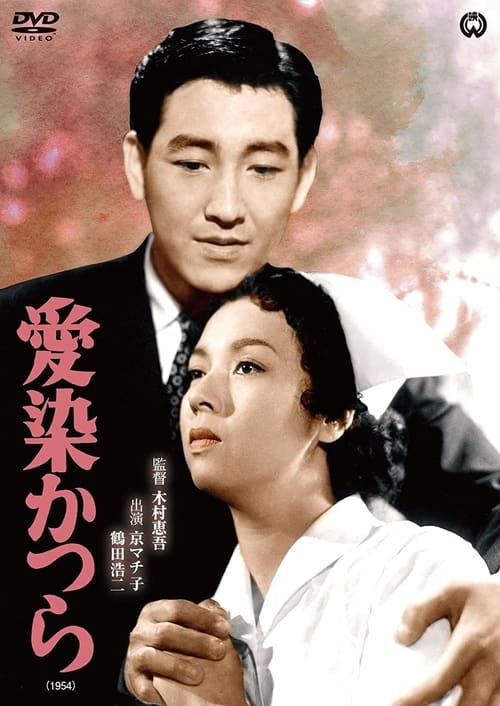
A nurse's tale of self-sacrifice during wartime. The title is borrowed from a patriotic song made popular by singer Hamako Watanabe during the Second Sino-Japanese War.
Three men fall in love with the same young girl who works in a tonkatsu restaurant in the Shitamachi district of Tokyo.
No description available.
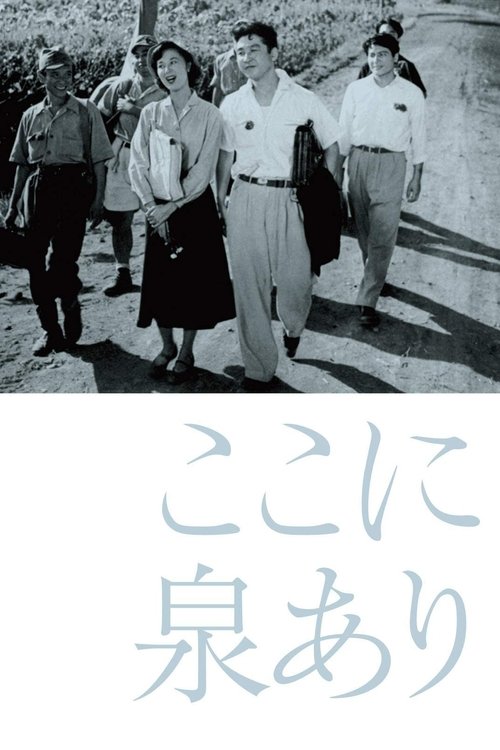
The story of a group of young people who organise their own travelling symphony orchestra to provide music for people living in remote villages shortly after the war.
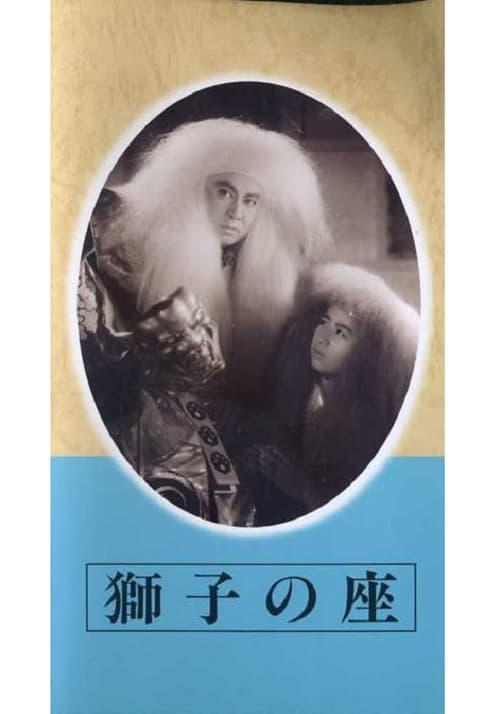
This film stars Tanaka Kinuyo as the mother of the heir to the Hosho name, a famous lineage of Noh actors. The heir, Hosho Yagoro, is played by Hasegawa Kuzuo who went on to become familiar among Ichikawa Kon fans as Yukinojo in An Actor's Revenge, which was also co-written by Ito, adding to the relatedness of An Heir's Place.
After the death of her husband, an elderly woman and her youngest, unmarried daughter are forced to sell their house to cover his debts and decide to move in with one of the former's children, each of whom is scarcely happy to accommodate.
During college military training exercises, the bond between two friends and athletic rivals is tested when one of them becomes involved with a woman who may be a prostitute.
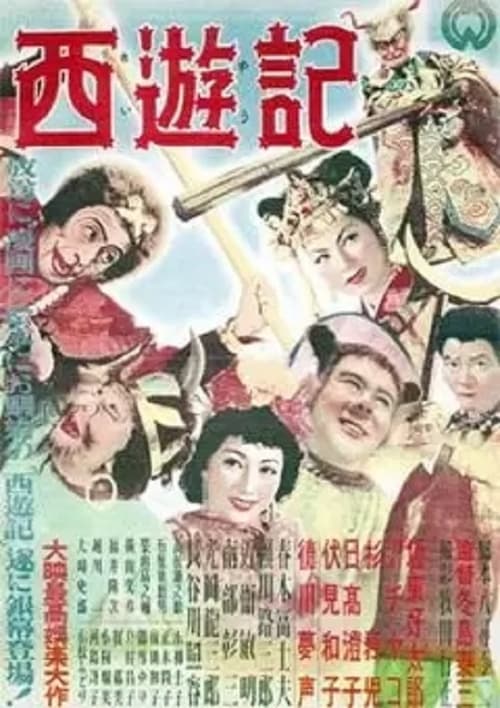
An adaptation of the famous 16th century novel, Journey to the West.
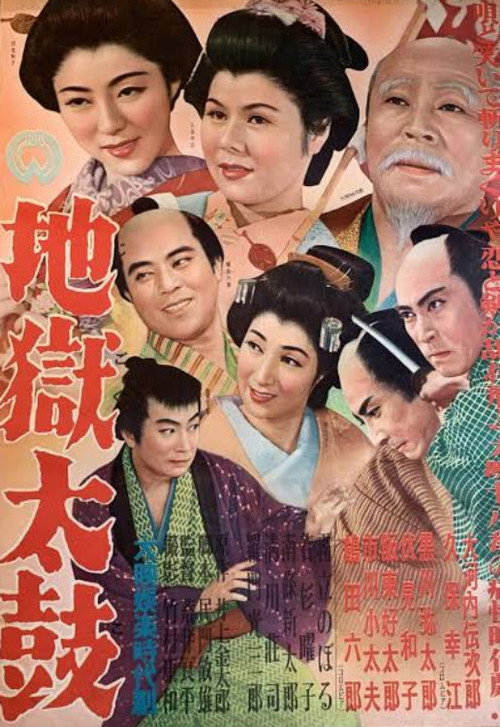
During the Edo Period, a noblewoman's banishment for her love affair with a lowly page signals the beginning of her inexorable fall.
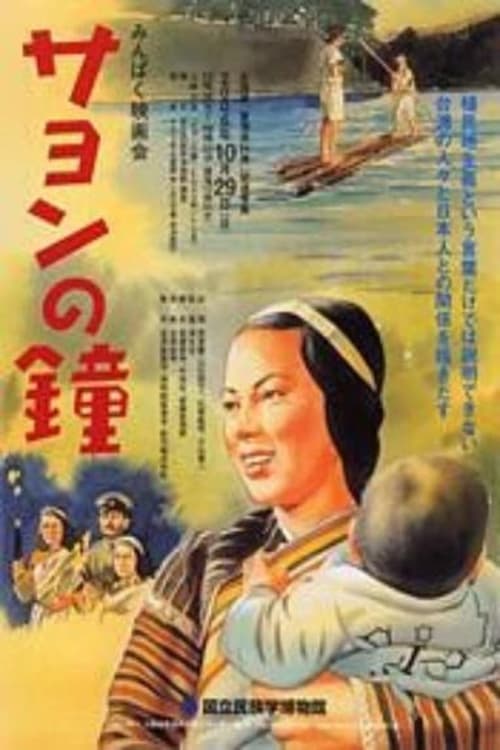
Based on the true story of a 17-year old Atayal girl called Sayun Hayun from Nan'oku village, Giran district, Taihoku Prefecture (in current Taiwan) who went missing and was thought to have drowned whilst helping carry the luggage of her teacher Masaki Takita during a storm in 1938.
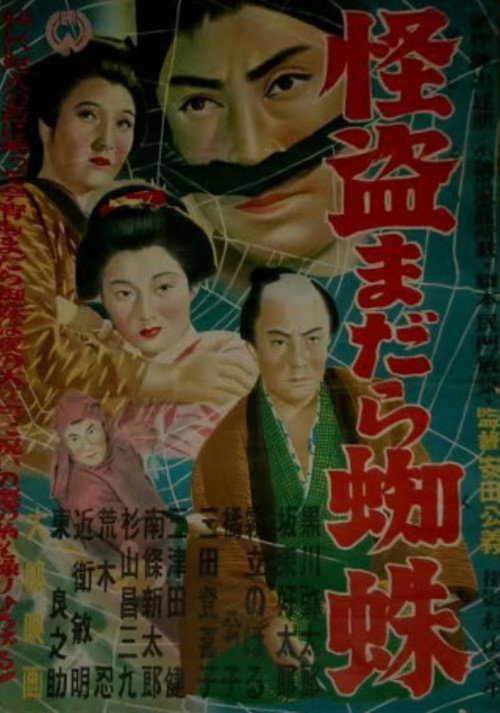
A girl from a tenement house was abducted in broad daylight, right in the heart of Edo.
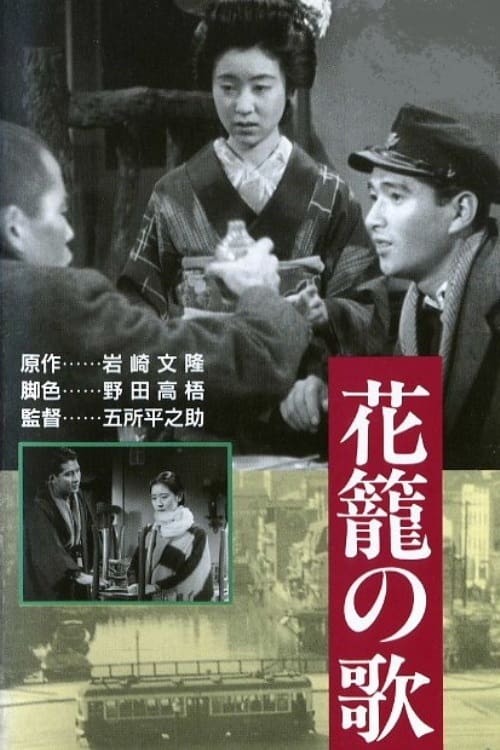
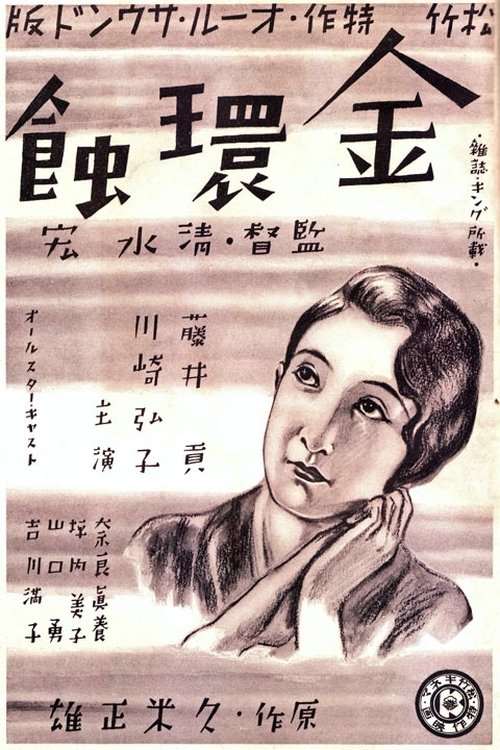
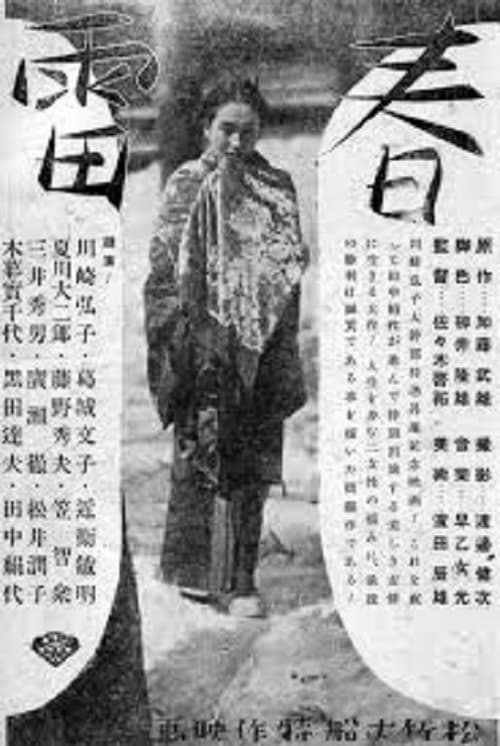
The story is centered around the devastating experiences of two villagers, Osaki Shuichi, and his cousin, Nishimiura Kinue, when they leave their hometown for the metropolis of Tokyo. They are in love with each other, but Kinue is expected to marry the lawyer Kanda Seiji. In consequence, Shukichi leaves for Tokyo, where he becomes tutor to the son of the rich Iwaki family. The heartbroken Kinue also makes her way to the capital, where she becomes a bar hostess.
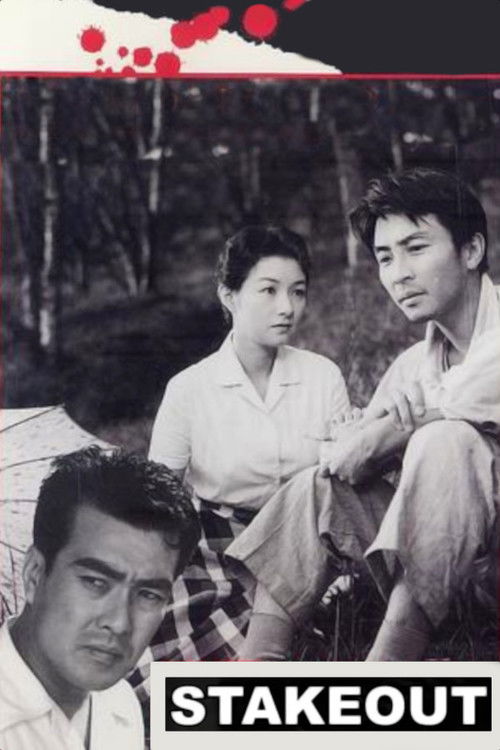
Two detectives begin a stakeout based on the slim chance of catching a murderer whom they suspect will try to reunite with an old flame.
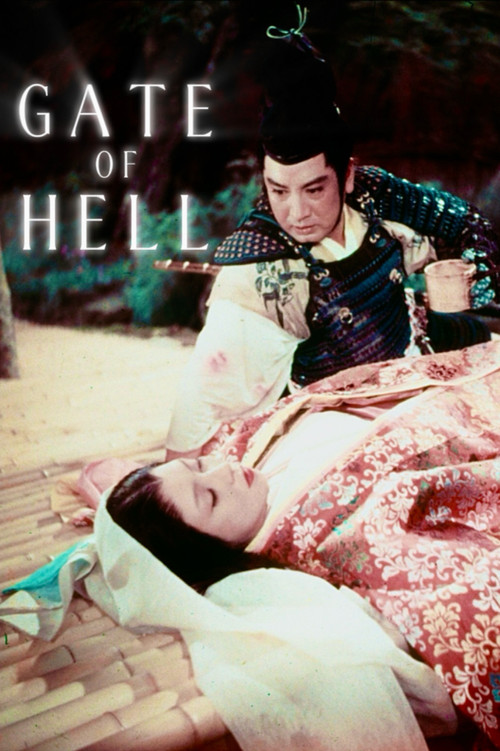
Japan, 1159. Moritō, a brave samurai, performs a heroic act by rescuing the lovely Kesa during a violent uprising. Moritō falls in love with her, but becomes distraught when he finds out that she is married.
1954 Japanese movie
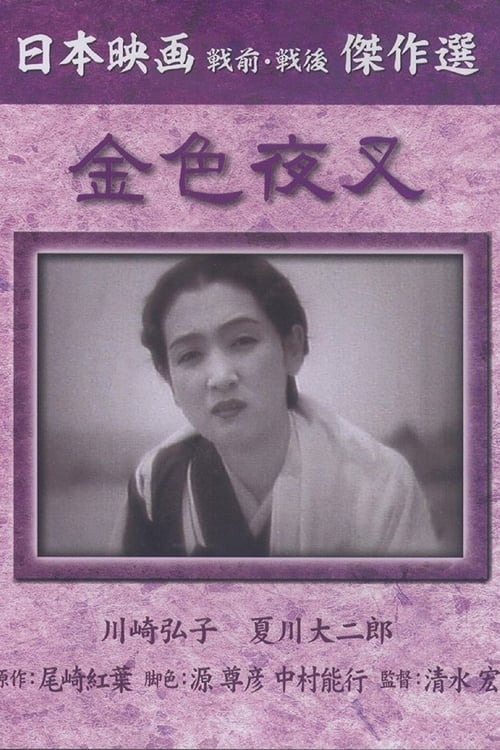
A penniless orphan loses the woman he loves, when her family arranges a marriage to a wealthy playboy. He believes she was blinded by greed, and becomes a miser.
Eiko is an innocent young lady born into a wealthy family with nothing to offer. She was good at singing, and lived her life playing around with her cronies, organizing music concerts and so on. However, things change when her father's business fails and she was suddenly thrown out into the world without any foundation. Eiko has no one to support her after she loses her social status, and her only tutor, Shinnosuke (Natsukawa Daijiro) was the only one who was sincere. Eiko is a stickler for using everything she can get her hands on, and she quickly moves into Shinnosuke's house.
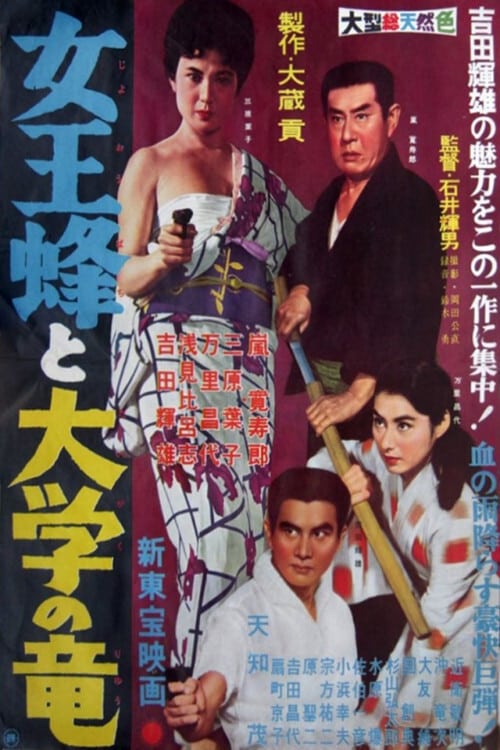
Japanese action film.