
Moustapha Alassane
Directing
Biography
Moustapha Alassane (1942–17 March 2015) was a Nigerien filmmaker. Born in 1942 in N’Dougou (Niger), Moustapha Alassane graduated in mechanics. However, in the Rouch IRSH in Niamey he learned the cinematographic technique and thereafter became one of its main proponents. Jean Rouch provided for Alassane's education and accommodation in Canada, where he met the famous Norman McLaren, who taught him about animation. He was the creator of the first animated films of the sub-Saharan Africa, also directing documentaries and fiction films. He was Head of Cinema Department at the Niamey University for 15 years. Moustapha Alassane directed, in 1962, two shorts inspired in traditional tales: Aoure and La Bague du roi Koda. Representing African culture (e.g. in Deela ou el Barka le conteur, 1969 and Shaki, 1973), Alassane also employed moral satire (F.V.V.A., femme, villa, voiture, argent, 1972), denouncing the thirst for power for “new wealth” in Africa. Social criticism and black humour are in almost all of his films. Le Retour d'un aventurier (1966) is considered the first African western. The frog was his favourite animal and protagonist of most of his animated films, because Alassane believed it is funnier to animate frogs rather than humans. His workshop was based in Tahoua. To work, Alassane used several materials, such as wood, metal or wire, glue, fabric or sponge. Numerous retrospectives of Alassane's career have been made in several international film festivals. Moustapha Alassane was made a Knight of the Legion of Honour at the Cannes Film Festival in 2007.
Known For
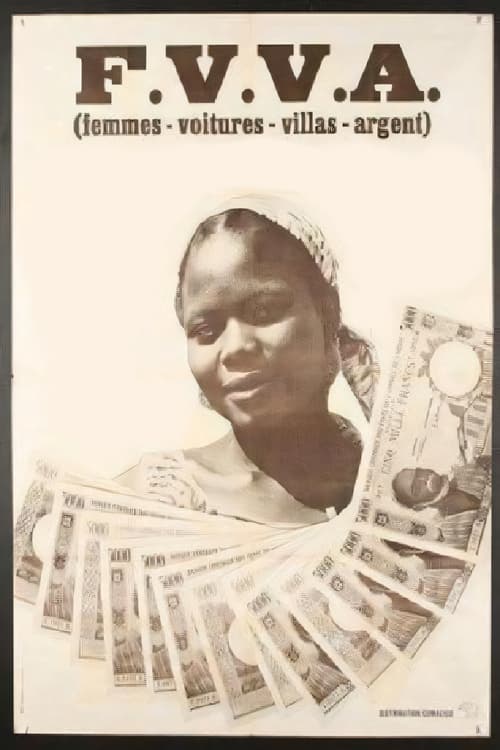
Ali is the image of modern Africa. He happily returns from a football match on his motorbike but a nasty surprise is waiting for him at his parents' home: he finds Haoua, his bride-to-be, waiting for him. The wedding is celebrated shortly afterwards and the two begin living together under the same roof. They are strangers but cannot stand each other. Haoua is the classic traditional woman who has just arrived from the village, God-fearing and faithful to the laws of tradition. Ali's friends advise him to look for a second wife. He meets Henriette, an uninhibited and provocative city girl, the woman of his dreams. To meet Henriette's constant requests, Ali 'borrows' some money from the coffers of commander Soleymane, but he is discovered and ends up in prison. Henriette is furious and leaves him, whilst Haoua cries for him in despair.
Women Cars Villas Money

This documentary offers an overview of French scientific research in Africa French scientific research in Africa: hydrology, botany, biology oil palm and coconut cultivation, industrial sea fishing and and urban planning. Film montage taking stock of scientific research research in Africa, mainly in the fields of hydrology hydrology, botany, biology and agriculture. The film is a compilation of extracts from several short films made by Jean Rouch in Mali, Niger and Côte d'Ivoire between 1962 and 1963: Abidjan, port de pêche, Le Mil, Le Cocotier and Le Palmier à l'huile. l'huile.
L'Afrique et la recherche scientifique
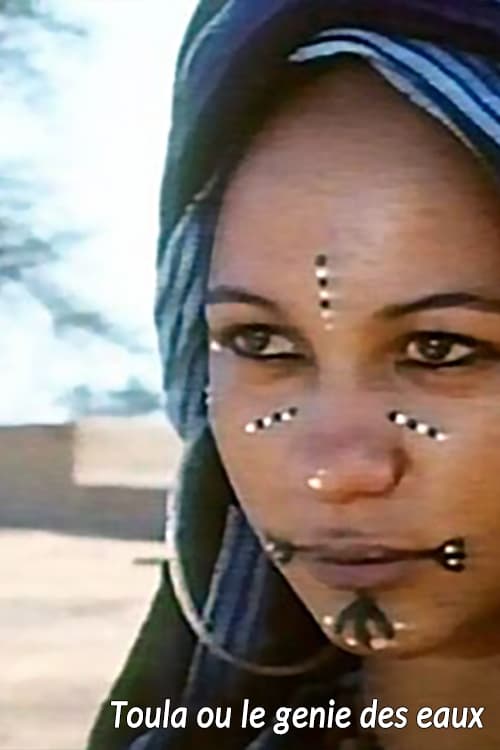
The gods have declared the drought of the country. There seems to be no hope. A holy man summoned by the king requires the sacrifice of a young woman to put an end to their anger. A young man in love decides to go in search of water to save the girl from a tragic end, but when he returns with good news it's too late: the genie had his satisfaction and Toula has already disappeared in the holy swamp.
Toula, or the Genie of the Water
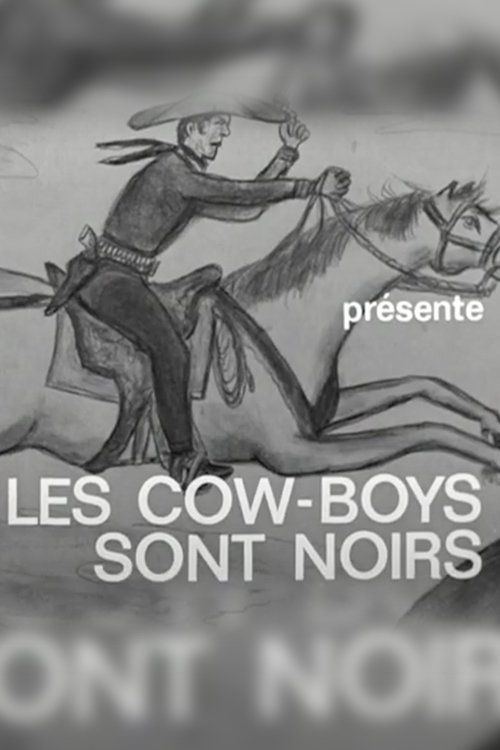
One taxi driver, the other mechanics or masons. They drive a moped as Johnny Halliday and wear pants Zazous. During the weekend, they play in a real western with guns purchased at the supermarket, loaded with blanks. They love violence, their favorite actors are Edward G. Robinson and Glenn Ford. The heroine is selling at the Galerie du Niger. When the Nigerian filmmaker Mustapha Alassane turned the return of an adventurer, the first African western, Serge-Henri Moati wanted to make a film about film. The cowboys are turning black traces and proves at the same time the reality and fiction, film and life, sometimes extremely close, especially when it comes to the Wild West ..
The Cowboys Are Black
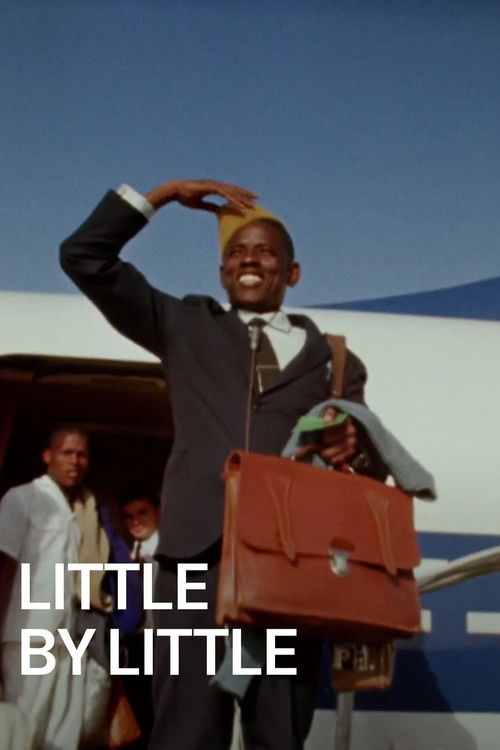
An African travels to Paris to learn about the construction of tall buildings, but is soon taken up with the oddities of French life.
Little by Little
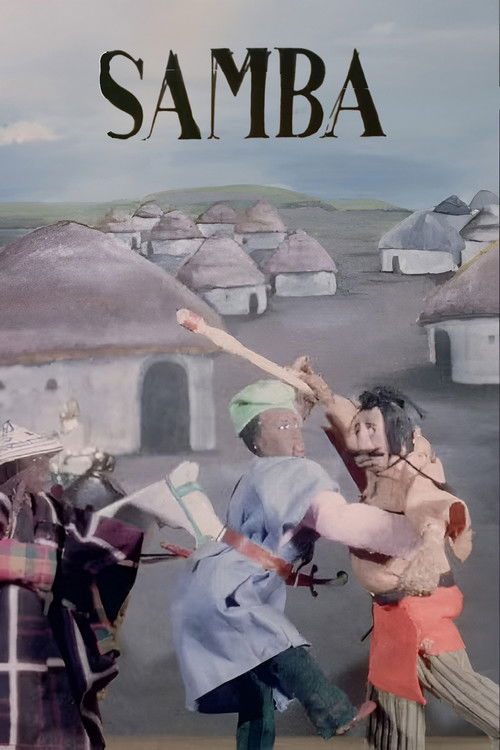
Based on a traditional folktale, this animated film follows the hero Sambagana, who must complete a succession of arduous trials in order to make a princess laugh and earn her consent to marriage. Combining drawn animation and stop-motion puppetry, the film retells the legend through a stylized, episodic quest narrative.
Samba the Great
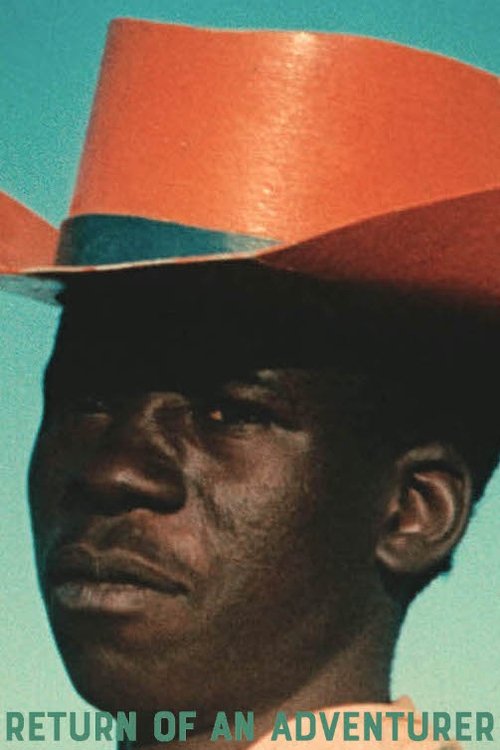
Back from the US to his village in Niger, a man brings Ameican Western outfits to his close friends, who immediately identify with cowboys. A bloody western begins in the savannah.
Return of an Adventurer
No description available.
La Pileuse de Mil
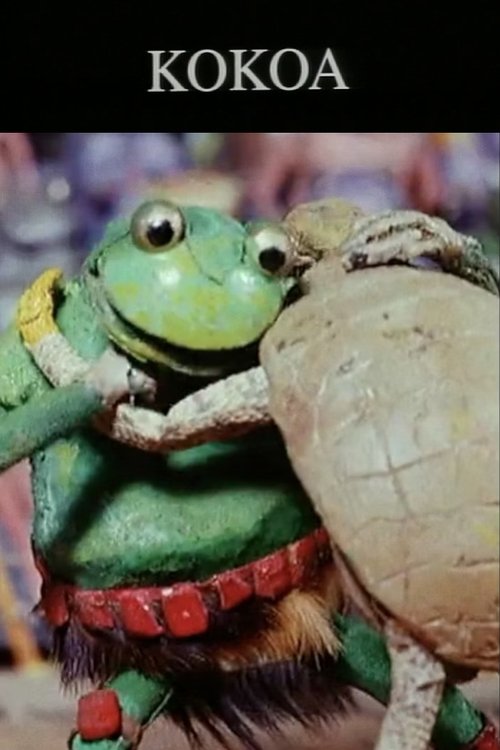
The festive citizens of the Kingdom of Frogs crowd into an arena to watch their warriors engage in hand-to-hand combat and to see Tountia and her musicians perform an enchanting concert.
Kokoa
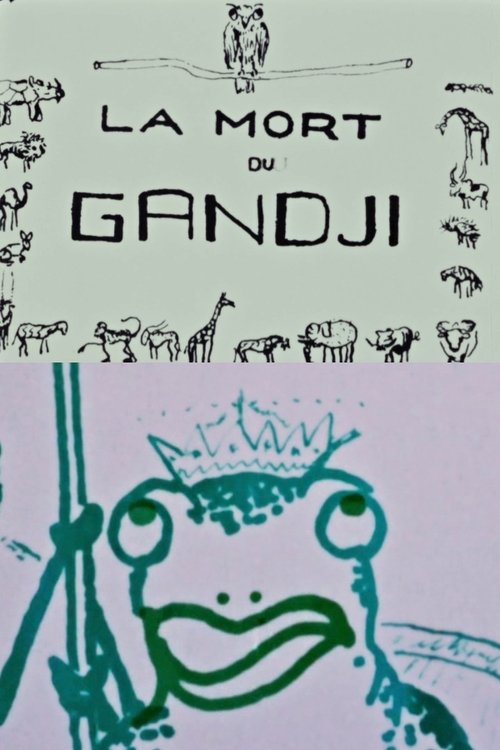
An animated film made with humor and tenderness whose action takes place in a small village in the African bush.
The Death of Gandji
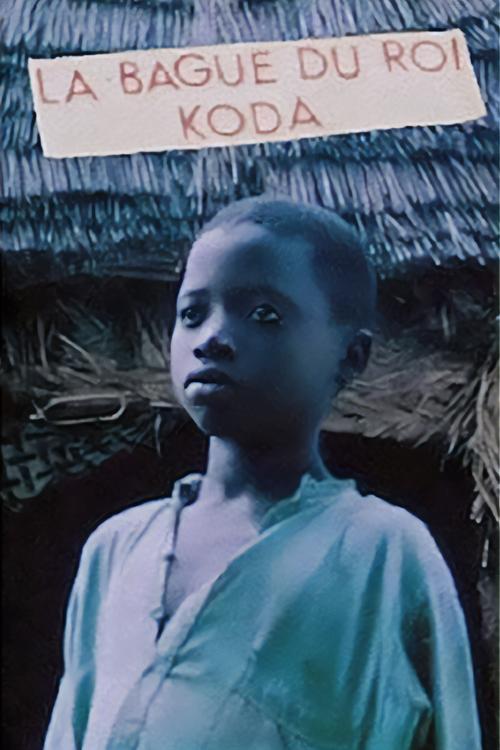
Alassane brings to life the Zharma legend of King Koda who, in order to test the loyalty of a subject, asks him to guard one of his rings for a year.
The Ring of King Koda
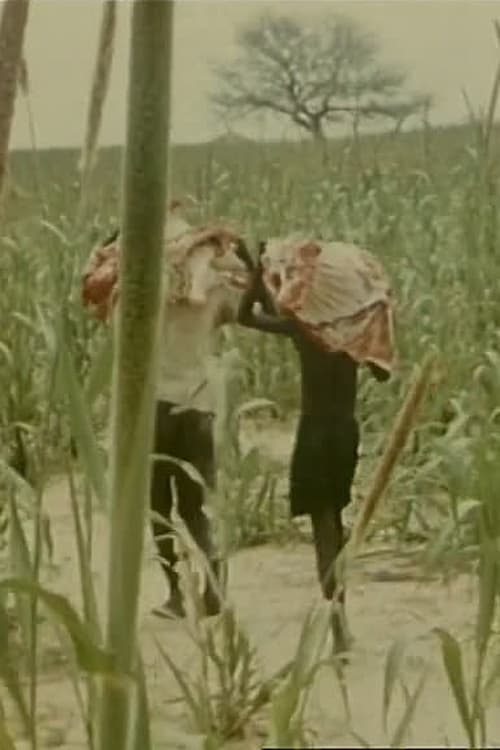
A market is held in Bagagi, Niger, once a week. The butchers are the focal point of this event which is essential to the existence of the social group.
Mahauta: Les bouchers du Mawri
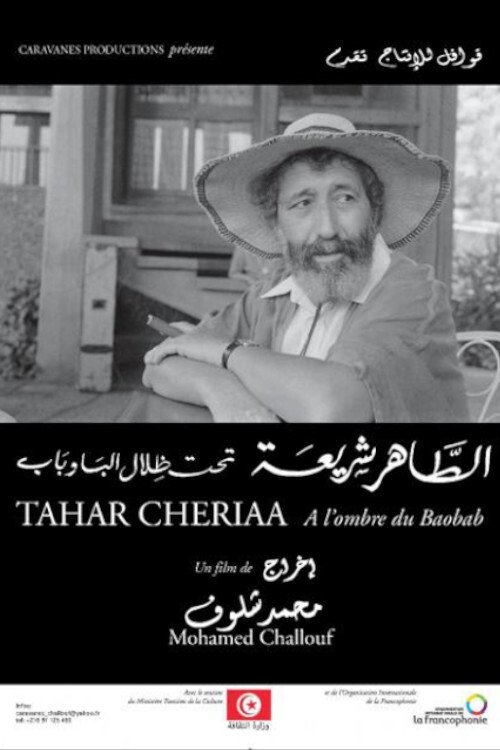
Tahar Cheriaa: Under the Shadow of the Baobab documents the career of one of the core fathers of Pan-Africanism and founder of Africa’s first film festival, the Carthage Film Festival. After Tunisian independence, Cheriaa used all his energy to bring the first authentic images of postcolonial Africa to broader audiences. The film depicts Cheriaa’s ideas and projects, with interviews and archival material creating a complete portrait of the man and his fight for both Sub-Saharan African cinema and African cinema as a whole.
Tahar Chériaa: A l'Ombre du Baobab
Moustapha Alassane is a living legend in African cinema. His adventures take us to the era of “pre-cinema”, to the times of magical lantern and Chinese shadows. He is the first director of Nigerien cinema and animation films in Africa. He tells very old stories with current technology, but he also narrates the most current events with the most archaic means. This documentary not only tells the adventure of a human being and an extraordinary professional, but the memories of a generation, the history of a country, Niger, in its golden age of cinema.
Moustapha Alassane, Cineaste of the Possible
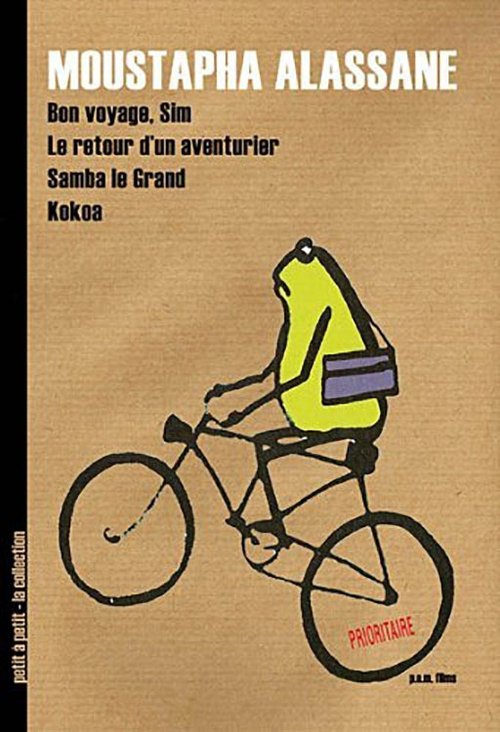
Monsieur Sim, the president of the Republic of Toads, receives a scoundrel’s welcome from his citizenry after returning from a luxury holiday abroad (disguised as a diplomatic mission).
Bon voyage, Sim
No description available.
L’Arachide de Sanchira
No description available.
Agwane, mon village
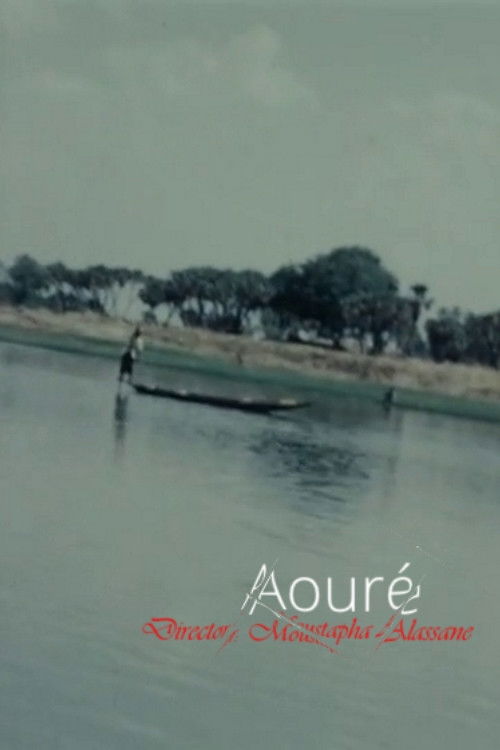
This hybrid documentary chronicles the life of a young married Zharma(ethnic Muslim) couple living in the Niger River Valley.
The Wedding
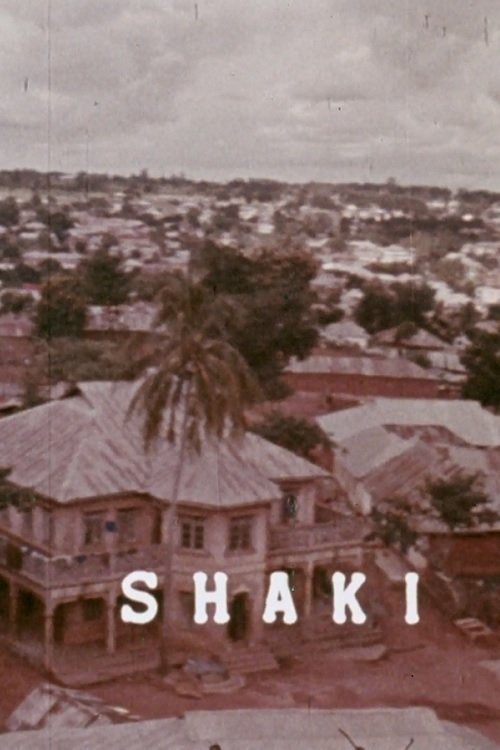
Alassane considers the mingling of traditions during the coronation of the new Shaki king of the Oyo state of western Nigeria.