Directing
No description available.
With Franco dead, workers' struggles become more visible, such as the Laforsa strike, a steel mill in Cornellà de Llobregat. Lumbreras's conviction to understand the fight as an always collective action, without hierarchies, meant that she promoted among the workers his own filming, that they had autonomy, in no case imposing any speech (Filmoteca de Catalunya).
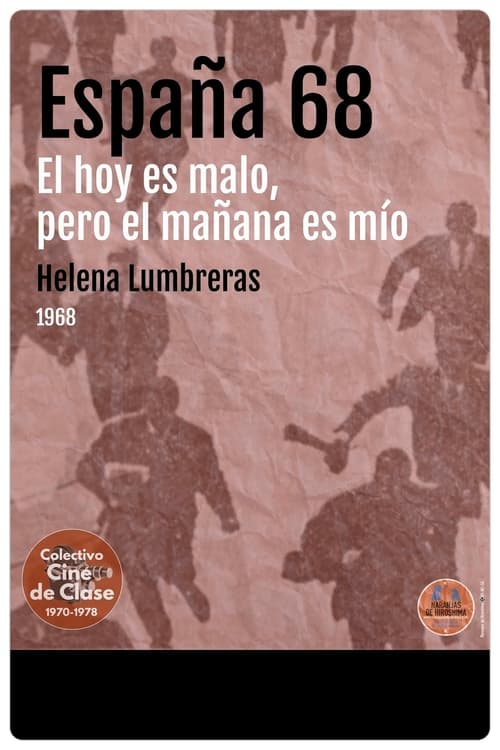
Spain, 1968. An analysis of the political and social situation of the country, suffocated by the boot of General Franco's tyrannical regime. (Filmed clandestinely in Madrid and Barcelona during the spring of 1968.)
The documentary is divided into three large segments, which ironically about the "press of the movement"
A production by the spanish Colectivo de Cine de Clase (Class Cinema Collective), which illustrates the formation of a union.
At a train station, a thief steals from a couple while the passengers are getting off the train. The boy runs after the thief and disappears. The girl, alone and lost, decides to go out into the street.
"El campo para el hombre" was a politically militant documentary about the small holdings of land in the north of Spain and the large estates in the south of the country. This film portrays the exploitation and misery of the Spanish peasants, but also their class-consciousness and their will to fight for their rights and freedom. The film was shot in the late years of Franco's dictatorship, so it was made in secrecy (the directors were connected to the Spanish Communist Party).