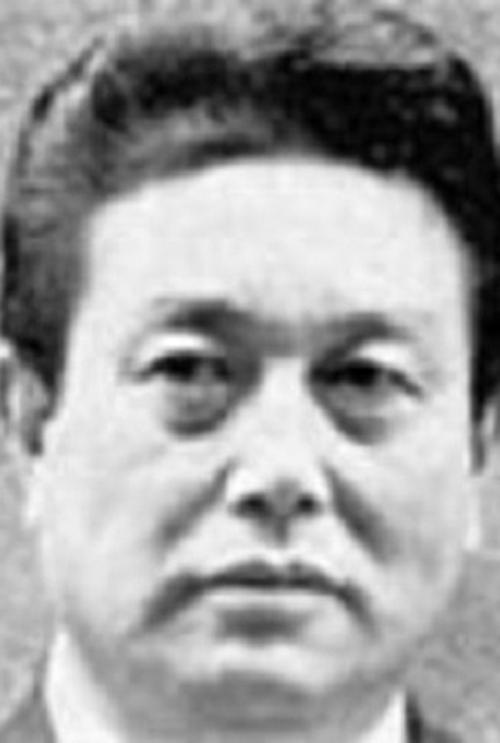
Kajō Onoe
Acting
Known For
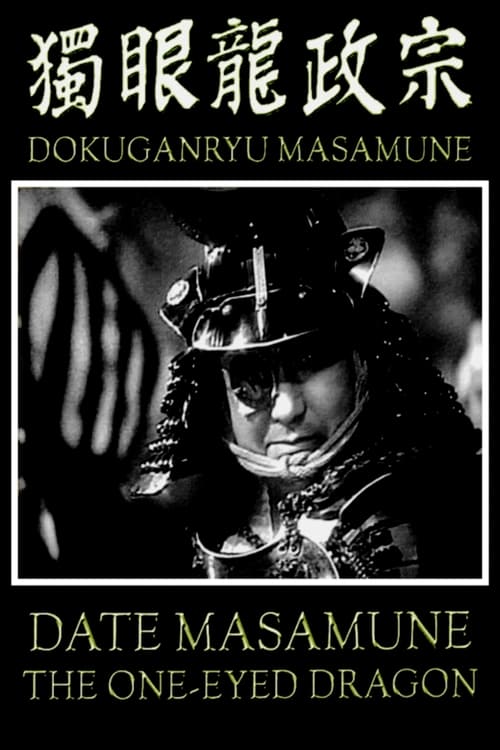
The life, adventures and exploits of warlord Date Masamune the One-eyed Dragon: his early youth as an aggressive warrior, the battles he won until subduing almost all his enemies, the lonely comprehension of knowing that he actually can not take over the whole country because he was born too late.
Date Masamune the One-Eyed Dragon
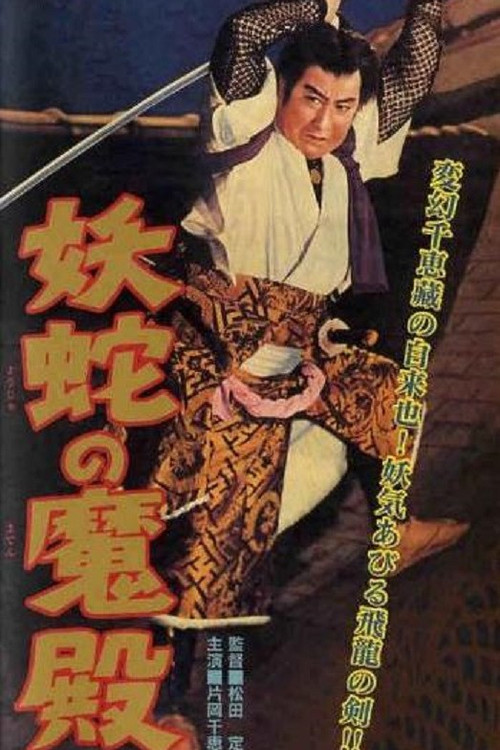
During a time of war, Lord Ogata is betrayed by two of his closest vassals and killed by his enemy, Sarashina Danjo. Ten years later, Lord Ogata's only living heir, now a skilled ninja, uses sorcery to avenge the murders of his parents.
Ninja's Weapon
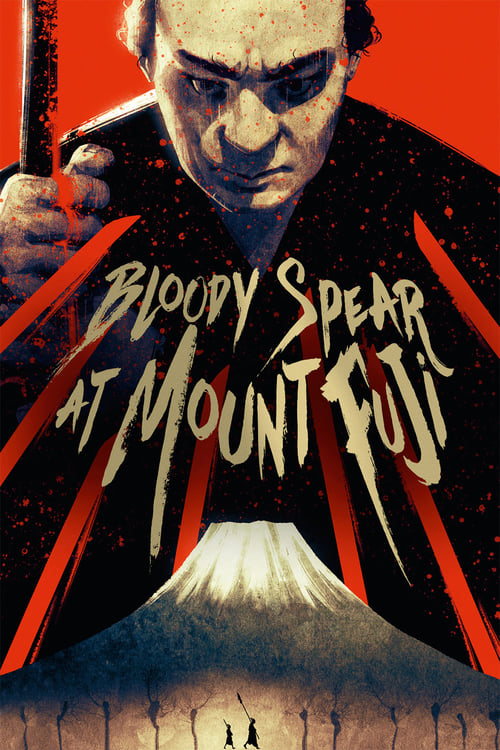
Tragicomic road movie set during the Edo period. It follows a samurai, his two servants – including spear-carrier Genpachi – and the various people they meet on their journey, including a policeman in pursuit of a thief, a young child and a woman who is to be sold into prostitution.
Bloody Spear at Mount Fuji
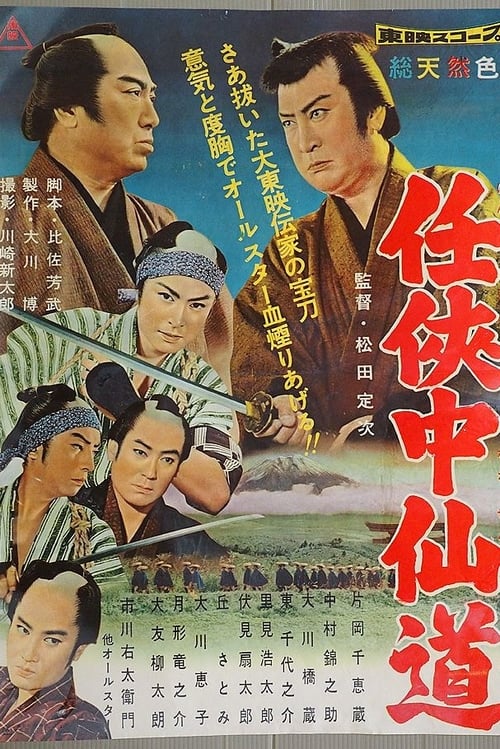
While on the road, famed Yakuza Boss Jirocho is falsely accused of starting a peasant's uprising and chased by the law. Meanwhile, one of his henchmen in an attempt to raise money for the Boss gambles away not only all their funds, but their clothing as well. Jirocho, famed for his honesty and integrity must take on the challenge of rival gangs while trying to elude the government's officials at the same time. Things really heat up when the most famous of all Yakuza Bosses, Chuji of Kunisada gets involved. Will he team up with his old friend or is gang warfare about to erupt?
Road of Chivalry
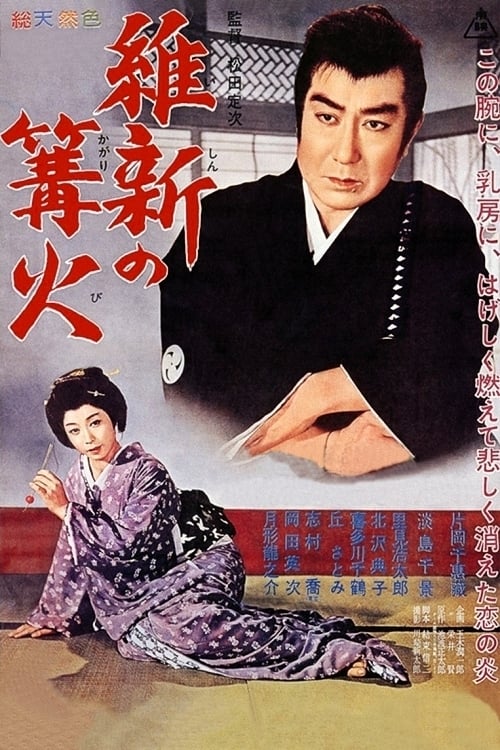
Megastar Kataoka Chiezo is Vice-commander Hijikata Toshizo of the Shinsengumi in this realistic tale of Japan’s inner battles that led to the downfall of the Tokugawa shogunate. Excellent performances and extremely good swordplay highlight this glimpse into the heart and soul of Japanese history. Although known as “Razor Blade” Hijikata, the vice-commander is a man of deep conviction with a little-known sense of humanity. Starting after the famed Ikedaya Incident, in which they saved Kyoto from Choshu’s plot to burn the city to ashes, they work hard to change the public’s view of them as merciless killers to their true mission of protecting the shogun. This is an extraordinary tale of blood and guts! From the pen of award winning author Shotaro Ikenami (Bandit Vs. Samurai, Hunter in the Dark, Misumi's The Last Samurai)
Restoration Fire

Playhouse employees Okimi and Otoshi become involved in an undercover officer’s investigation of a gang when they accidentally walk in on a drug deal taking place at their theater.
Travels of Hibari and Chiemi: The Tumultuous Journey

No description available.
Knightly Advice
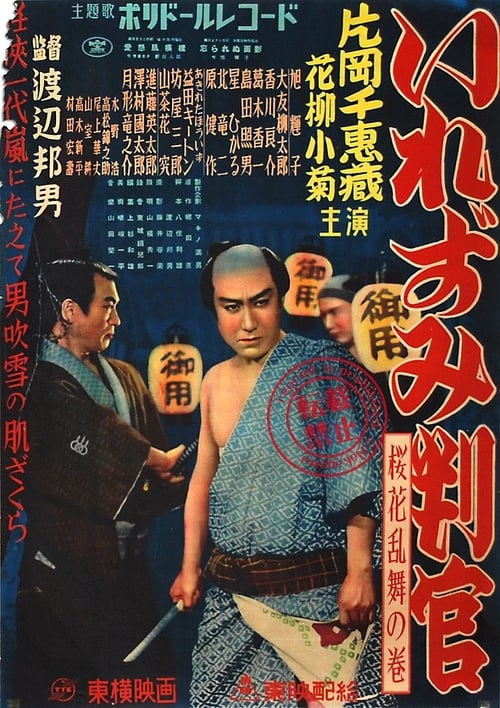
No description available.
The Tattooed Magistrate: Cherry Blossoms Dance Volume

One of the great stories from Japan’s rich history comes to life in this true tale of the bloody showdown between two rival yakuza gangs in the 1840’s. The battle between Boss Sukegoro of Iioka and Boss Shigezo of Sasagawa has been portrayed many times, most notably in the first Zatoichi film, where the blind man befriends the tubercular ronin Hirate Miki, before cutting him down in one of the great duels in cinema history. This all-star extravaganza pulls out all the stops, with appearances by virtually all of the great actors and actresses from Toei’s studio at the time. Ichikawa Utaemon’s portrayal of the kind-hearted, noble yakuza boss Shigezo of Sasagawa contrasts sharply with the devious Sukegoro of Iioka. Corrupt as he may have been, his men were all willing to give up their lives for him.
A Spectacular Showdown
This film tells the story of a ronin's search for his parents, but primarily is a group portrait of life in a Tokugawa-era tenement. Considered a lost film.
The Elegant Swordsman
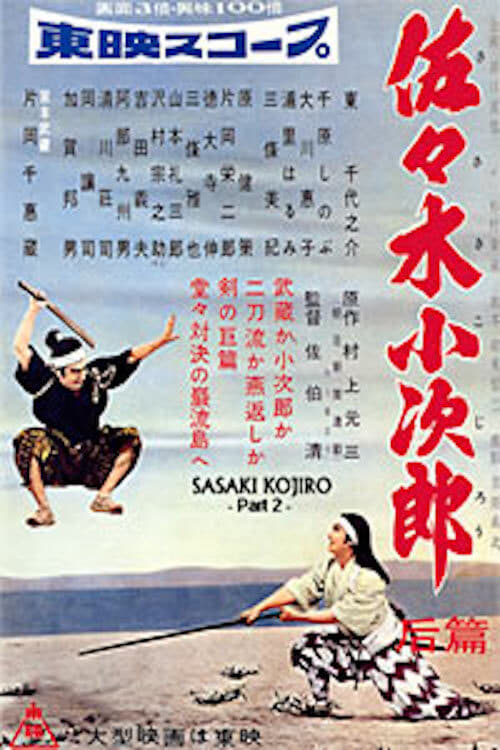
The conclusion of the story of famed swordsman, Sasaki Kojiro. After surviving a series of daring adventures, Kojiro seems to have finally discovered the ultimate happiness in life when he is reunited with Tone, the love of his life. However, his days of happiness are overshadowed by an upcoming duel with his fateful enemy Miyamoto Musashi.
Sasaki Kojiro, Part 2
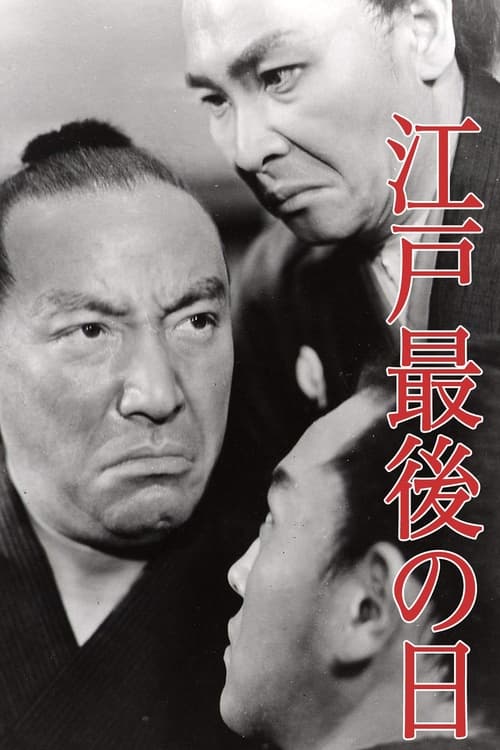
It is a historical drama that follows Katsu Kaishu's efforts to surrender Edo Castle bloodlessly in the first year of the Meiji period.
Last Days of Edo
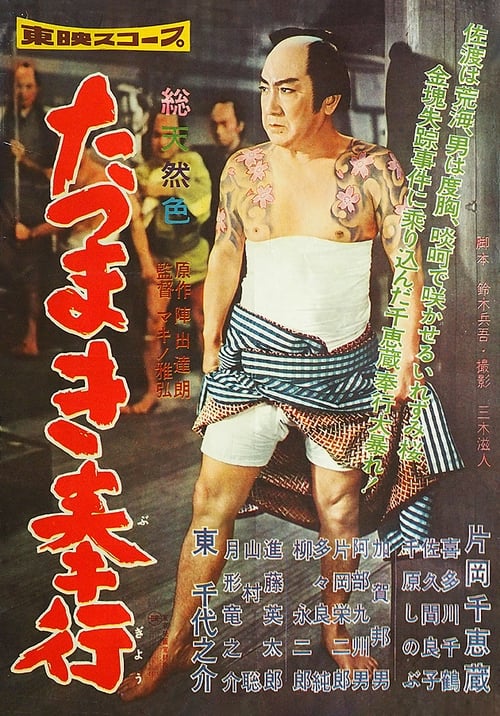
One of the most popular history-based characters is back when Magistrate Saemonojo Toyama no Kinsan investigates the tragic shipwreck of the 'Sadomaru' near Cape Kasumigaseki. The ship carrying gold bars from Sado Island to Edo for the shogunate disappeared into the ocean on a day with clear skies and no wind. While it is conveniently blamed on a surprise tornado or whirlwind, the Sado Magistrate asks his lifelong friend Magistrate Toyama to get to the root of the mystery in order to save his reputation and avoid a life of shame.
Whirlwind Magistrate
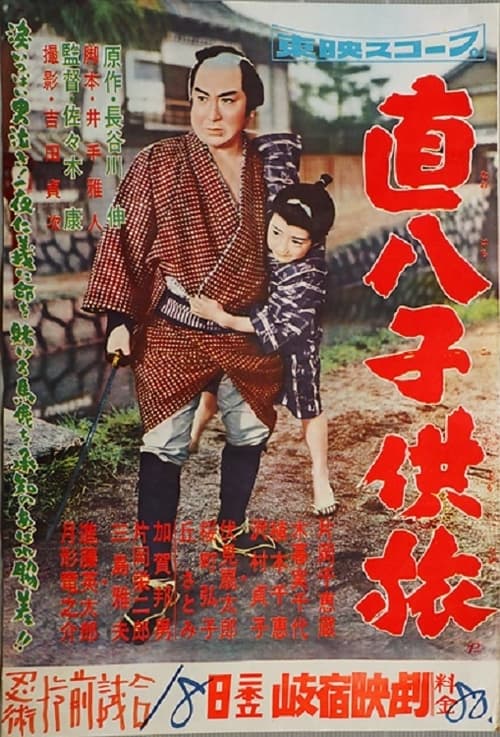
No description available.
直八子供旅
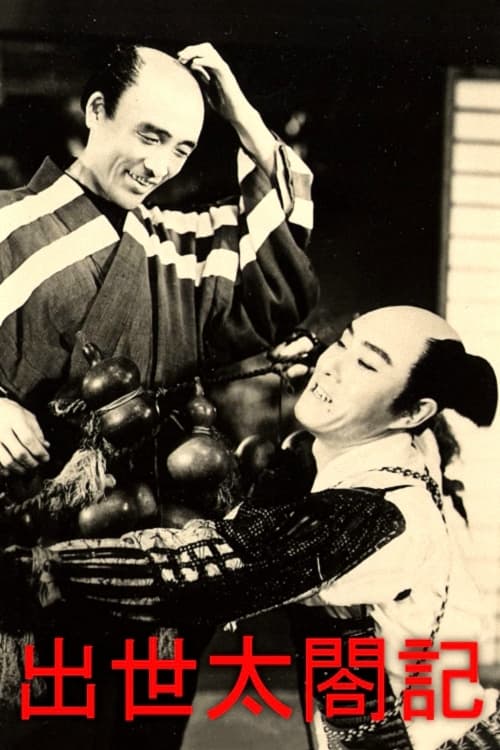
Taikoki is a legendary biography of Toyotomi Hideyoshi, who rose to the office of taikō. And the story of this film is about the rise to power of Toyotomi Hideyoshi from a farmer's son.
Taiko's Rising in the World
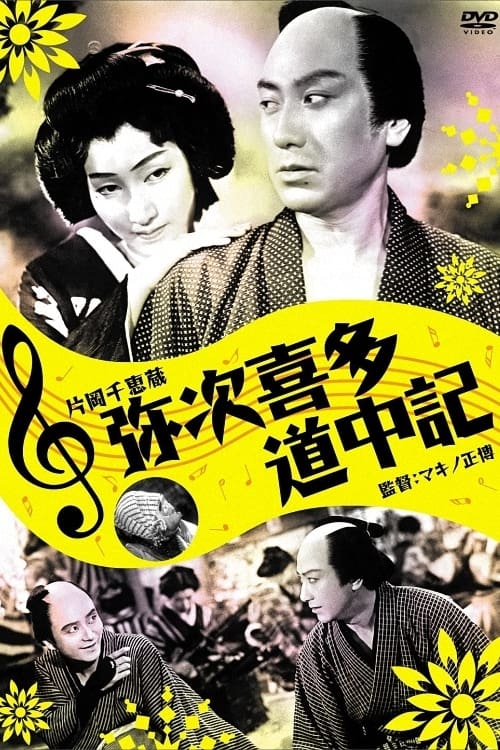
A captivating operetta by Masahiro Makino based on Juppensha Ikku's humorous novel "Tōkaidōchū Hizakurige" starring Chiezo Kataoka and Kyoji Sugi.
Yaji And Kita's Traveling Diary
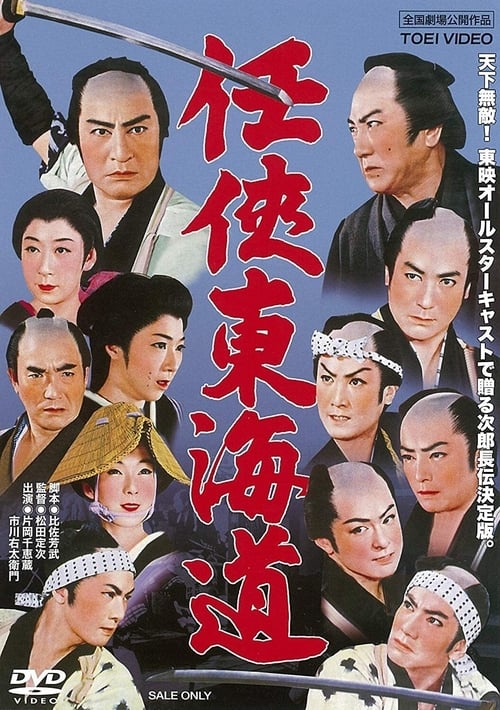
An all-star cast highlights this Jidai-Geki classic. Set in the samurai era, this is the tale of period Yakuza. One of the real classics in this genre. Jirocho, an honorable and respected gang boss, uncovers a conspiracy organized by his rivals while on a quest to bring justice to three murders. Some of the most famous actors from Toei studios make this a must-see for everyone! Featuring a very young Nakamura Kinnosuke, who went on to become one of Japan's mosted noteworthy actors under the name Yorosuya Kinnosuke. This is one of the best examples his early work.
A Chivalrous Spirit
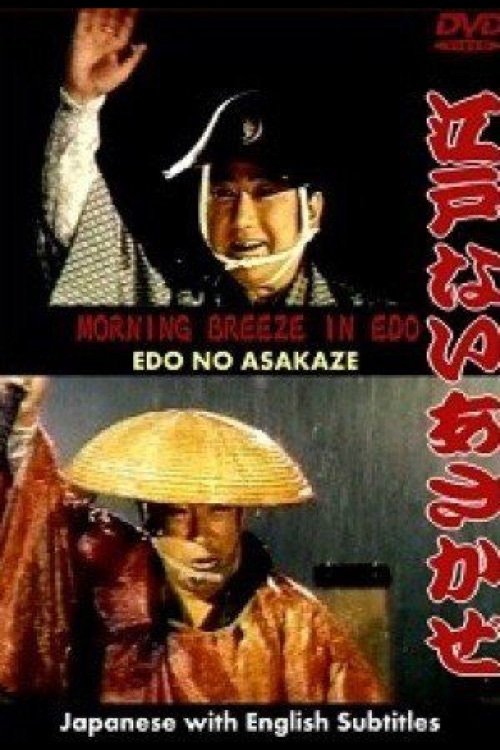
The sole survivor of a shipwreck pursues the whereabouts of his friends’ missing family members in Edo.
Morning Breeze in Edo

Saheita, the final heir of a once rich and respectable family, can't refuse the many villagers that come to him for favours and money, even though he is on the brink of bankruptcy. Around town he is better known by his nickname Mr. Shosuke Ohara.
Mr. Shosuke Ohara
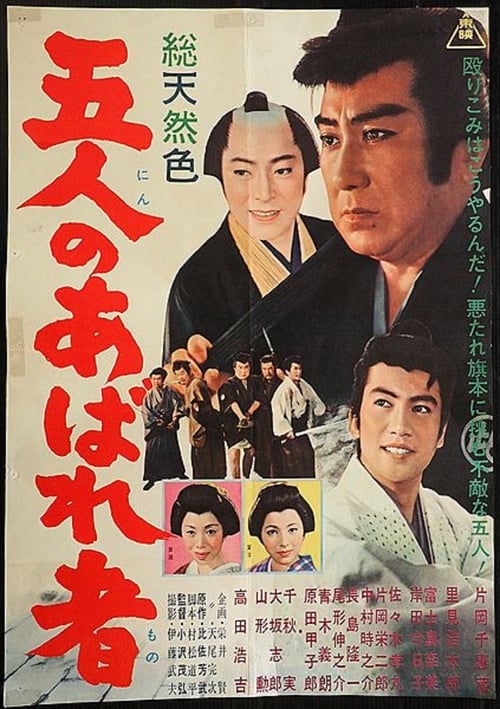
The story of five easygoing Yakuza who come together to save the live of a young innocent girl, Oichi, from an evil vassal.