
Norbert Pfaffenbichler
Directing
Biography
Norbert Pfaffenbichler (born 26 April 1967 in Steyr) is an Austrian artist, filmmaker and curator. He studied Media Design at the University of Applied Arts in Vienna. He is also co-founder of VIDOK Studio. Pfaffenbichler was involved with the Austrian abstract cinema movement which emerged in the 1990s. In 2002, he started working on his film series Notes on Film, in which he deconstructs film history from an artistic perspective. Since then, he has made a number of experimental short films, stage videos and curated exhibitions throughout Austria. He lives in Vienna.
Known For
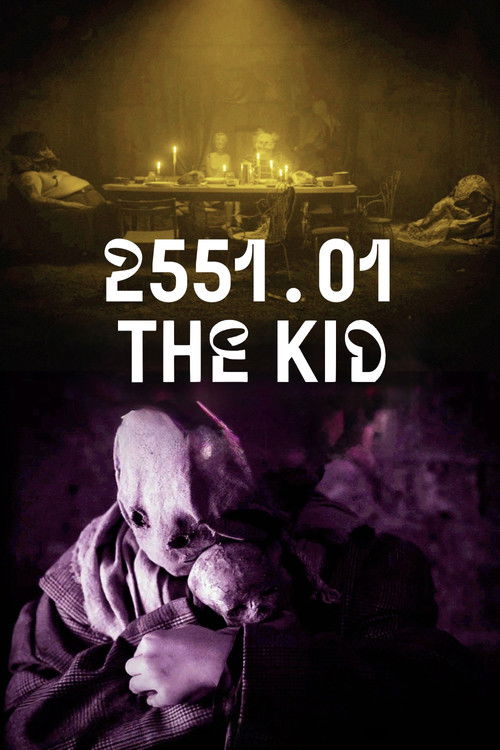
A man rescues a boy and later tries to get him off his back but to little avail, so they end up drifting around a subterranean world, populated by grotesque masked figures. A hundred years after Chaplin filmed his first feature film, The Kid, Norbert Pfaffenbichler offers an experimental punk-style interpretation, which the filmmaker himself has defined as a dystopian slapstick film.
2551.01 - The Kid
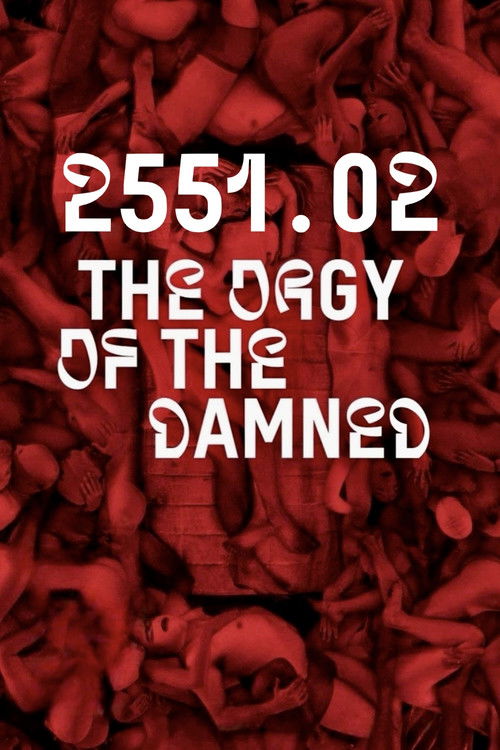
Sometime, hopefully not too soon, in a place wherever but not here, all life will have moved underground after a failed uprising. Everybody wears a mask, more often than not of the variety seen only at Halloween these days. In this scary universe (that on closer inspection looks like a twisted, perverted version of our here and now...), a man with a gorilla mask is searching for a little boy with a hessian hood. His quest leads him into a maze of depravity, a pandemonium of all our nightmares and darkest desires – where something awaits that he had already given up on: love.
2551.02 – The Orgy of the Damned
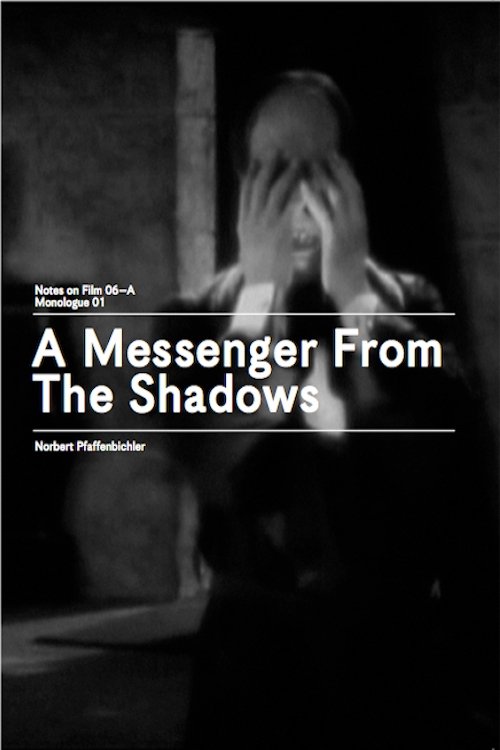
Thanks to his myriad film roles, Lon Chaney is known as “the man of a thousand faces,” and you could say that the early horror era never beheld a figure more intriguing. Yet because of his numerous transformations, his face never became as iconic as that of, say, Boris Karloff. Accompanied by a soundtrack from Bernhard Lang, this “re-imagination of shots” taken from Chaney´s forty-six surviving films offers a beguiling excursion into the history of film. The director reveals surprising associations, while highlighting the enduring magic of works which are now more or less forgotten.
A Messenger from the Shadows (Notes on Film 06 A/Monologue 01)
The experimental short negotiates the conventions of the invisible camera. In a bare room without windows or doors, someone puts up a futile against the steady gaze of a bodiless camera. The camera evades the protagonist´s physical attacks by changing positions by means and hard cuts.
Camera (Notes on Film 10)
In this experimental film, British actor Boris Karloff (1887-1969) embodies over 170 characters, experiencing a schizophrenic horror trip in which he faces versions of himself in different masks, at different ages, of different genders and races. As Karloff’s career spans over 50 years, from the silent era to modern-day cinema, A Masque of Madness allows us to witness the aesthetic and technical developments of the medium in one single film.
A Masque of Madness (Notes on Film 06-B, Monologue 02)
A furious scene, virtuously reassembled, continuously intensifying, yet never moving. A brief excerpt from Charlie Chaplin’s 'The Floorwalker' (1916) serves as starting sequence for 'Intermezzo'. Chaplin, fleeing from a monstrous pursuer, down an up escalator, which at the time was the epitome of techno mechanical modernity; on the side, a mannequin as statuary counterpoint. Pfaffenbichler arranges the takes that he has pulled from the original film, enlarged, and in part, set as negatives or alienated in terms of color, according to a special verse scheme: ABABA BCBCB DCDCD, etc., whereby the selected excerpt continually advances to the action and the interlinking of the images becomes increasingly dodgy.
Intermezzo (Notes on Film 04)
A “test run” for Pfaffenbichler's hitherto unsuccessful attempt to adapt Oedipus. The film is occupied exclusively with blind people, whose faces are illuminated in such a way that they look like masks, completely indebted to the spirit of Greek theater.
Ödipus Monument Test 01
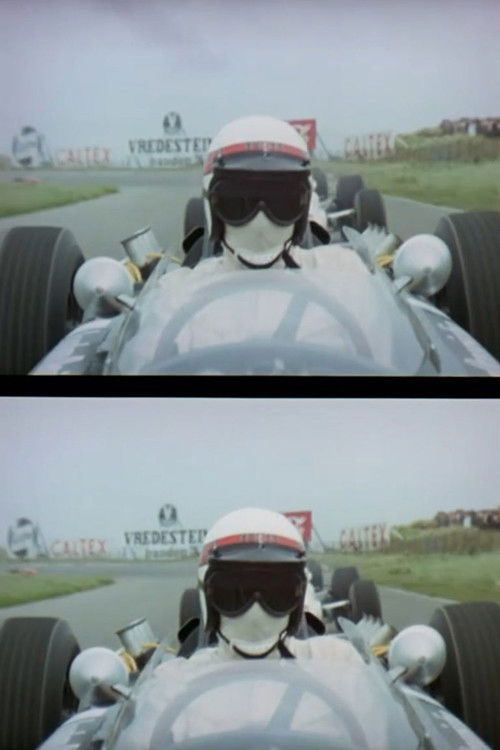
ADGIN PRRX is an anagram of Grand Prix, the title of John Frankenheimer's monumental car racing film, which Norbert Pfaffenbichler has remounted here into a strictly metrical and deeply personal meditation on the nature of time, the thrill of speed, and the melancholy of creeping deceleration, standstill, and death.
ADGIN PRRX
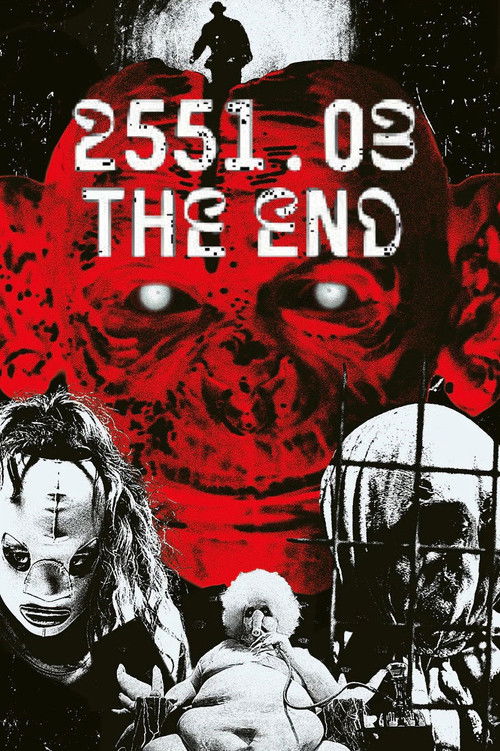
There are no taboos in the grotesque underground realm of Pfaffenbichler’s 2551 movies, which cross all borders, especially those of good taste. Reviving the original punk spirit of true independent filmmaking, Pfaffenbichler and his ingenious collaborators have concocted another marvel of no-budget ingenuity.
2551.03 - The End
No description available.
Notes on Film 01 Else
Norbert Pfaffenbichler pieces together clips from 160 James Mason films to examine the eternally urbane star's career.
Invest in Failure (Notes on Film 06-C, Monologue 03)
What is the human body able to sustain when subjected to devices that record sounds and images? And what can be done with the human body when it tends to evade the representational codes of these devices? MAZY (meaning labyrinthine), based on the choreography by Willi Dorner, offers three answers formulated with the dispositives of video, film and computer: videographic marionette, expressive filmic being and computerized trace of movement.
notes on MAZY
A fascinating videoclip - fascinating for those familiar with the potential energy and beauty held in minimalism. A dialogue between images and music whereby the rhythm is concentrating on the material structure of the image.
traxdata
This experiment on the theme of difference and repetition combines methods used in structural films and elements of narrative cinema. The content was supplied by Robert Frank´s film "OK End Here" (USA 1963). Moments from the life of a herosexual couple were arranged in series on the basis of an alphanumeric editing concept.
Notes on Film 02
Santora is a metrically buildt cord of images based on the number 3 and the music of Fennesz. The video explores combinations of geometrical formes, building up corresponding sounds. Consious of their roots in historic avantgarde animation, but the same time drawing in structural cinema, the two filmmakers compose a "picture" which evolves from rectangels that appear on and disappear from the blank screen. White background, dark "windows", in which a figure seen from above passes through at various speeds. His diagonal passage, doubled and inverted, becomes another element of geometry and rhythm. The image, taken from an old film, evokes those of closed-circuit surveillance cameras by its impersonal repetitiveness. The sound obsessivily paces the variation in form on the screen.
Santora
For the artist Fernand Leger (1881-1955), the promise of film as a new art form lay in its potential to exhibit the visual, to present an image rather than tell a story. This attribute characteristic of early cinema, a cinema of attractions (Tom Gunning), has been directly associated with avant-garde film in terms of visual exhibitionism as well as the construction of an audience that is both directly addressed and actively engaged.
Mosaik mécanique
In our vision of the future, everyone has received a neuronal interface, also called a brainchip. This chip enables direct mental interaction with external computers. A legal pathway into cyberspace is paralleled by illicit forms of virtual reality. The main character in this film is a "terminal addict", a cyber junkie in the grip of this electronic drug. In the course of the story, the borders between the real and the virtual are obliterated.
Wirehead
36 refers to both aesthetic traditions of abstract painting and the structural approaches of early geometric films (such as those of Walther Ruttmann and Hans Richter). At the same time, other associations arise, such as early video games and their restricted movement, which was limited to the main axes. When watching 36, an unbelievable tension and concentration develops for the viewer, caused not least by the clarity of the concept and the reduction of the means. (Gerald weber)
36
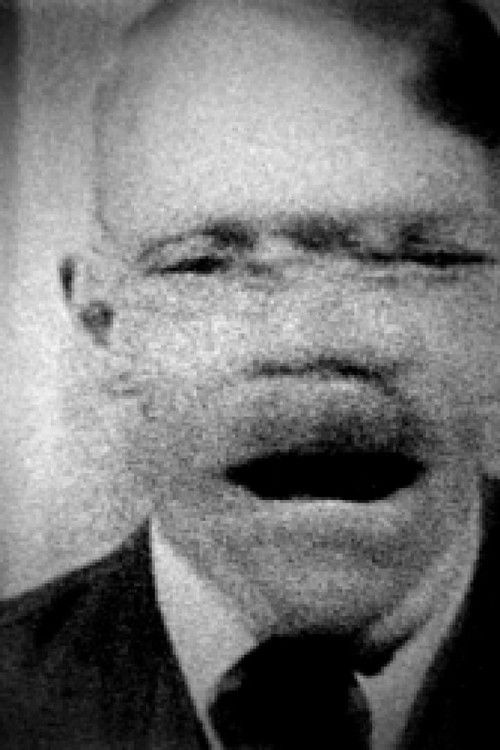
In this grotesque found-footage-film, close-ups of actors playing Adolf Hitler in movies created between 1940 and today are combined in shot/countershot style.
Conference (Notes on Film 05)
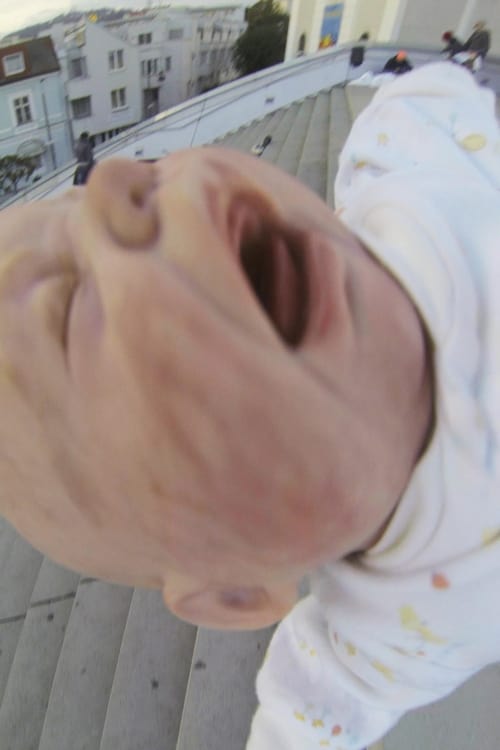
Isolated from the rest of the action, this time the pram from Eisenstein’s Odessa Steps sequence in Battleship Potemkin really crashes to the bottom.