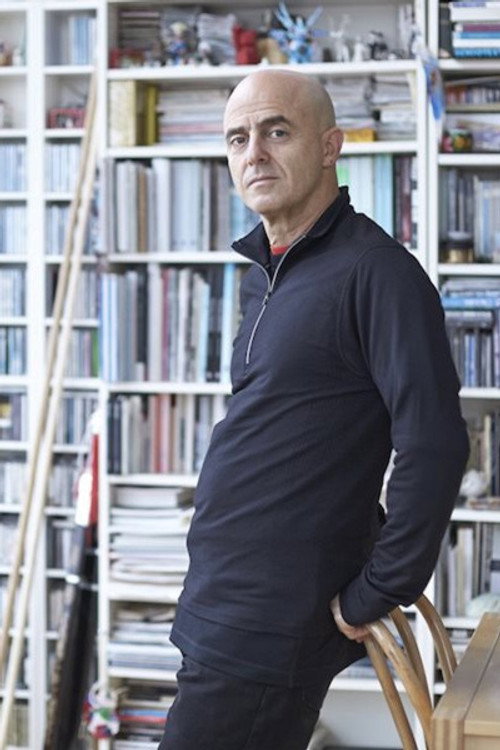
Jayce Salloum
Directing
Known For
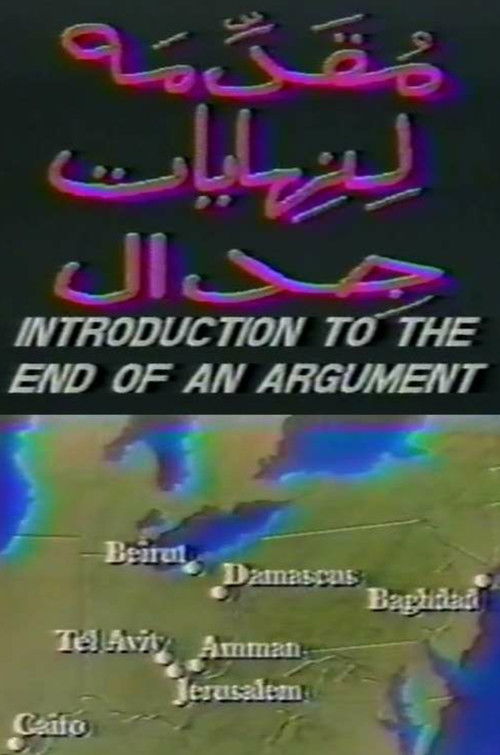
Lebanese/Canadian artist Jayce Salloum and Elia Suleiman, a Palestinian filmmaker living in New York, have taken on our accumulated (mis)impressions of the Palestinian Intifada by tracing their genesis in film and television.
Introduction to the End of an Argument
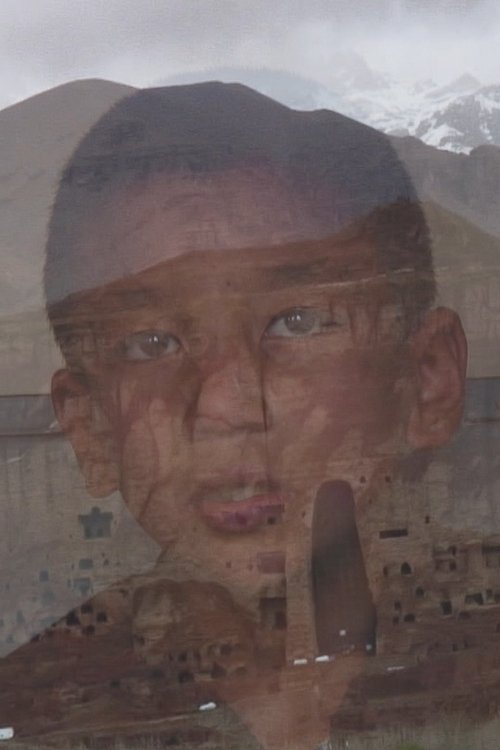
No description available.
Untitled Part 9: This Time
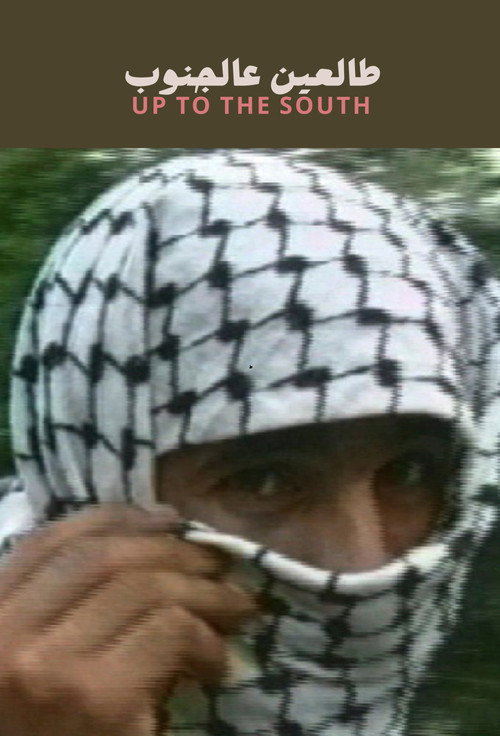
Up to the South is ostensibly a documentary on the south of Lebanon exploring the conditions of the time it was shot, the issues behind those conditions and their representation both in the West and in Lebanon itself. Within this we were trying to tackle two other concerns. One being the terms (and positions) inherent in the discourse surrounding the issues, i.e. terrorism, colonialism, occupation, resistance, collaboration, experts, spokespeople, leadership, the land, etc., and the other being the history and structure of the documentary genre specifically in regards to the representation of other cultures by the West in documentary, ethnography and anthropological practise and the problems/agenda involved from the perspective of the subjects viewed and the practitioners practising. Up to the South challenges traditional documentary formats by positing representation itself as a politicized practice.
Up to the South
An ambient work of many things, including orchids blooming, and plants growing, superimposed over raw footage from post massacre filmings of the 1982 massacre of Palestinians at Sabra and Shatila refugee camp in Lebanon. Cloud footage, Hubbell space imagery, the visible body crosscuts, and abstract shots of slow motion water, add to this reflection of the past, its present context and forbearance. With the voice over of Abdel Majid Fadl Ali Hassan (a 1948 refugee living in Bourg El Barajneh camp) recounting a story told by the rubble of his home in Palestine [Israel], and the collection of audio accompanying the clips, the tape permeates into an intense essay on dystopia in contemporary times. Working directly, viscerally, and metaphorically the videotape rovides an elegiac response to the Palestinian dispossession.
untitled part 3b: (as if) beauty never ends..
No description available.
untitled part 6: upon the resonance/weight of histories
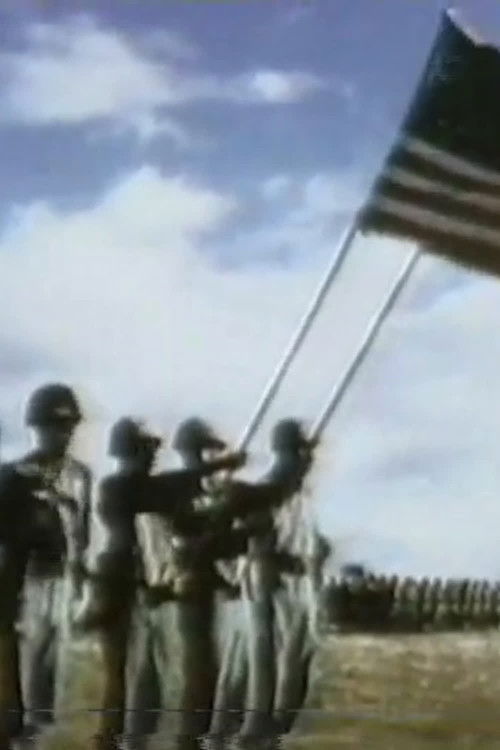
Part of a continuing series of works investigating social manifestations filling the gaps in our lives through media/corporate and government propagated images and idea(l)s. The videotapes present contextualized concepts/fragments of personal/emotional traumatic experiences and conflict. The influence of the media on the infliction, sustainment and interpretation of these conditions is studied while attempting to understand representations directed by the media, which affect personality and interpersonal relationships.
"..In the absence of heroes..” Part IV: Warfare/A case for context
No description available.
untitled part 5 (part 2 of 2): all is not lost but some things may have been misplaced along the way…
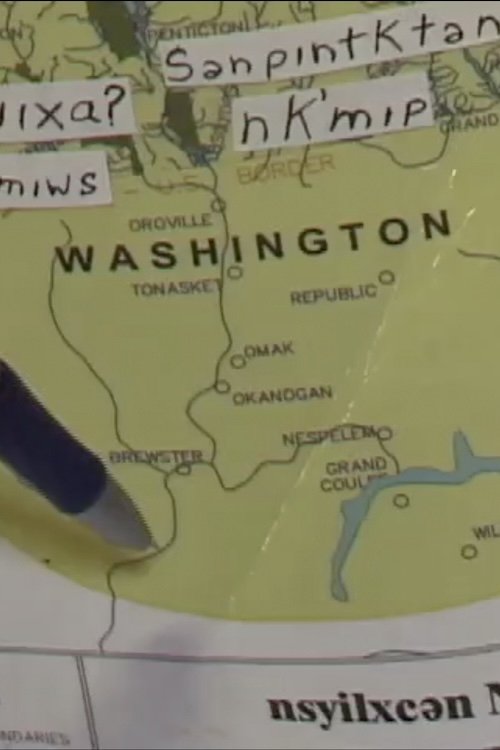
The film focuses on fragments of history, pre-European contacts, interactions, and colonization of the Kelowna region (south-central British Columbia) through the stories of several N'Syilx'cen (Okanagan Nation) speakers. It traces the links and correlations between periods of extermination/disintegration, assimilation, and marginalization up to their present day and their context of belonging to First Nations. Sites of social and historical significance are juxtaposed with the current realities of the region's "landscape." An experiential video that lends itself not to an exhaustive study, but to a sifting through the layers of time and the present, to inconclusive but incisive speculation, in a history that has been lived and survived.
untitled part 4: terra (in)cognita
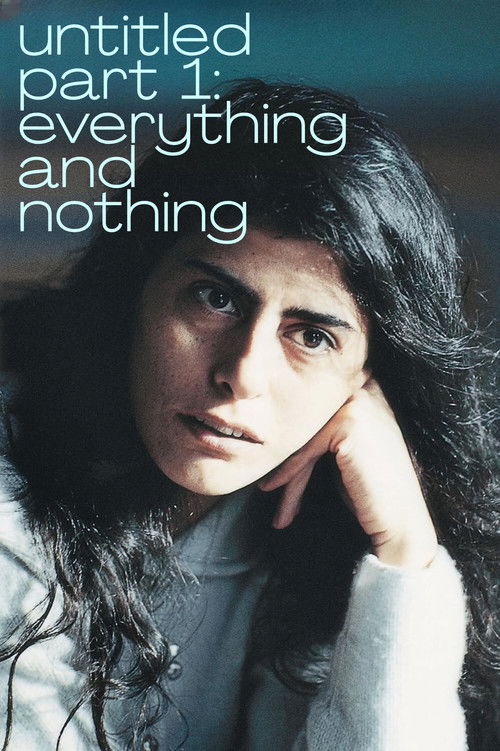
An intimate dialogue that weaves back and forth between representations of a figure (of resistance) and subject with, *Soha Bechara ex-Lebanese National Resistance fighter in her Paris dorm room taped (during the last year of the Israeli occupation) one year after her release from captivity in El-Khiam torture and interrogation centre (S. Lebanon) where she had been detained for 10 years, 6 years in isolation. Revising notions of resistance, survival and will, recounting to death, separation and closeness; the overexposed image and body of a surviving martyr speaking quietly and directly into the camera juxtaposed against her self and image, not speaking of the torture but of the distance between the subject and the loss, of what is left behind and what remains.
untitled part 1: everything and nothing
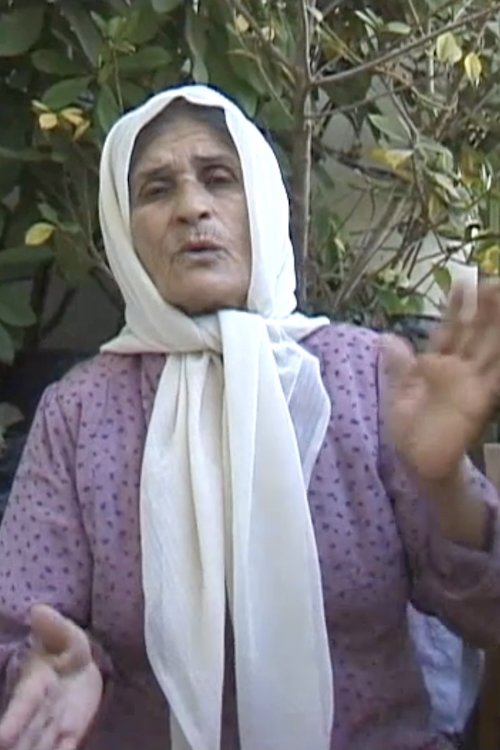
Excerpts from two conversations, one with Abdel Majid Fadl Ali Hassan (in Bourg al Barajinah refugee camp, near Beirut), and the other with Nameh Hussein Suleiman (in Baddawi refugee camp, near Tripoli, Lebanon), two elder Palestinians that have been living in the camps in Lebanon since they were children, forced to flee from their homes in Palestine in 1948. They discuss their displacement and the condition of their lives in a brutal permanent temporariness. Abdel Majid discusses issues of dispossession, and recites an eloquent poem told by the ruins of his house in Palestine where once he was allowed visit after his first 30 years of forced absence, and Nameh recounts her journey of exile and the present situation of her life.
untitled part 3a: occupied territories
No description available.
untitled part 5 (part 1 of 2): all is not lost but some things may have been misplaced along the way…
From accumulated live footage recorded over a period of three years, this piece weaves itself in and out of experiences of differentiation and distance, closeness and otherness and questions of discourse and construction in the viewing and constitution of the subject.
Once you’ve shot the gun you can’t stop the bullet.
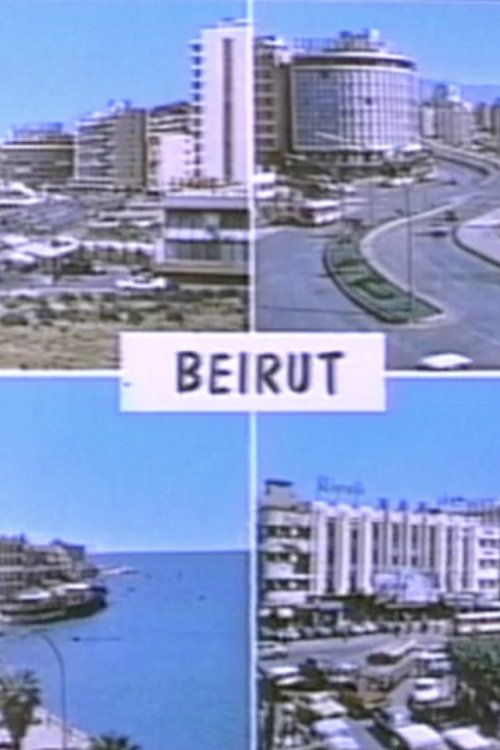
This film at the most fundamental level, a personal project; i) examining the use and production of images/representations of Lebanon and Beirut both in the West and in Lebanon itself, ii) recording the interactions and experiences while working in Lebanon, focusing on the undertaking of this representational process as a Lebanese and a westernized, foreign-born mediator with cultural connections and baggage of both the West and Lebanon and some of the disparities and disjunctions arising in each, and iii) situating the work between genres looking from the inside out at each and engaging critically at the assumptions imposed and thus broken in this site of complexity one’s identity is found and constructed in.
This is Not Beirut (There was and there was not)
“The Ascent of Man..” Parts I, II, & III videotapes focus on the human psyche, its possible primordial essence and subsequent deviations thereof. This is expressed through the use of archetypal/stereotypical representations delivered by broadcast television (illustrating ‘mans’ interrelationship to ‘man’, nature & technology) juxtaposed with references to present a world view of scientific materialism’s analytical experiments and propagation of a standard social order. An order devised from the overwhelming and problematic intentionality enforced by the ontologically debased media industry predominate in our time.
The Ascent of Man
The second part of a series of attempts to give concrete form to the notion of intersticiality, this videotape addresses issues of nationalism and the nation-state, temporal polarities, alienation, the rejection and construction of political identities, ethnofascism, the body as object and metaphor, agents, monsters and abjection, subjective affinities, and the objectivity of trust. The material was recorded while leaving the family home, arriving in New York and Vienna, and then traveling through the former Yugoslavia (stopping in Ljubljana, Zagreb, Sarajevo, Belgrade, and Skopje) shortly after the NATO bombings.
untitled part 2 : beauty and the east
In La Havana there is park where every Sunday men gather to discuss and debate, vigorously and passionately for hours on end. The smallest details and the grandest schemes are mulled over, successes and failures, posturing for and against, supportive or criticized. Not without humour it is an intense form of entertainment and theatre in a personal and collective environment. You could think that this is a forum for political engagement, a drama of the real in a surreal world, players and performances, in the midst of it all a song emerges, a camera ballad of moments in time and place.
untitled part 8: esquina caliente
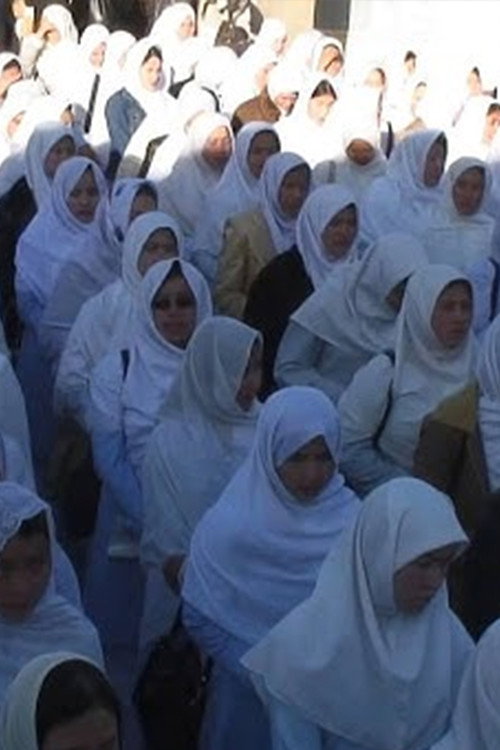
Marefat high school morning assembly: the girls shift with a few boys, and faculty entering the school courtyard at 5:30 am, gathering, lining up while Sufi songs play in the background, then singing their school song, “the heat that has no love, pain, or generosity is not a heart” being one of the lyrics (this line of the song was used for the overall installation project title), then walking up the stairs to their classes. At Laisa-e-Maarifat (Marefat School), Dasht-e-Barchi, Kabul, Afghanistan. Video segment of "The Heart That Has No Love/Pain/Generosity is Not a Heart" art installation.
untitled part 7.2: assembly
Video segment of "The Heart That Has No Love/Pain/Generosity is Not a Heart" art installation.
untitled part 7.1: scenes/settings
Video segment of "The Heart That Has No Love/Pain/Generosity is Not a Heart" art installation.
untitled part 7.3: shahnameh/band-e-amir
Video segment of "The Heart That Has No Love/Pain/Generosity is Not a Heart" art installation.