Paula S. Apsell
Production
Known For
PBS' premier science series helps viewers of all ages explore the science behind the headlines. Along the way, NOVA demystifies science and technology, and highlights the people involved in scientific pursuits.
NOVA

NOVA scienceNOW is a News magazine version of the long-running and venerable PBS science program Nova. Premiering on January 25, 2005, the series was originally hosted by Robert Krulwich, who described it as an experiment in coverage of "breaking science, science that's right out of the lab, science that sometimes bumps up against politics, art, culture". At the beginning of season two, Neil deGrasse Tyson replaced Krulwich as the show's host. Tyson announced he would leave the show and was replaced by David Pogue beginning season 6.
NOVA scienceNOW
NOVA biography of Albert Einstein, covering his early years, relativity research and personal life.
Einstein Revealed

We’ve all heard of the Warsaw Ghetto Uprising, but most people have no idea how widespread and prevalent Jewish resistance to Nazi barbarism was. Instead, it’s widely believed “Jews went to their deaths like sheep to the slaughter.” Filmed in Poland, Lithuania, Latvia, Israel, and the U.S., Resistance – They Fought Back provides a much-needed corrective to this myth of Jewish passivity. There were uprisings in ghettos large and small, rebellions in death camps, and thousands of Jews fought Nazis in the forests. Everywhere in Eastern Europe, Jews waged campaigns of non-violent resistance against the Nazis.
Resistance: They Fought Back

The Vikings were the most ferocious warriors of the Middle Ages. Especially fearsome were the select few who wielded a formidable weapon: a light, razor sharp, virtually indestructible sword with its maker's name, Ulfberht, inlaid along the blade.
NOVA: Secrets of the Viking Sword

An investigation into the mysterious people who built Machu Picchu, the 15th-century Inca citadel located in southern Peru.
The Lost City Of Machu Picchu
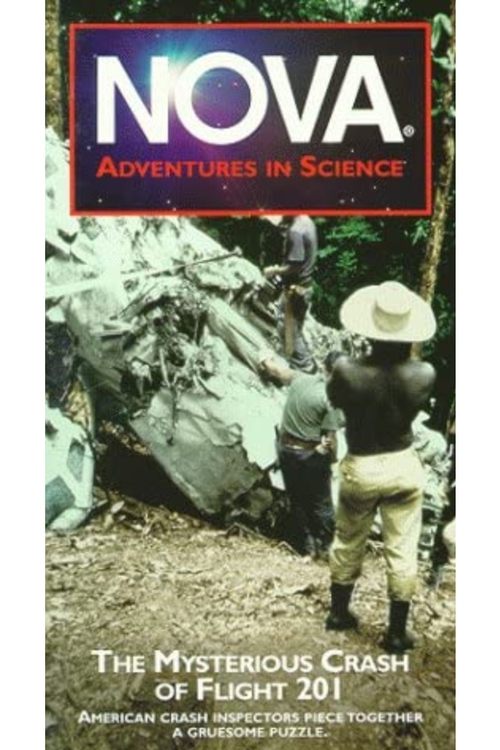
US federal investigators are called in to determine the cause of a mysterious jetliner crash in Panama. Nothing about the accident makes sense, until a key clue emerges.
Mysterious Crash of Flight 201
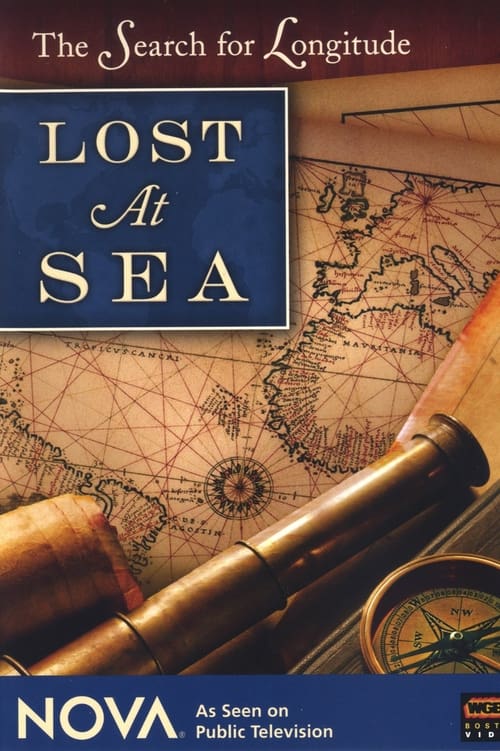
It was one of humankind's most epic quests - a technical problem so complex that it challenged the best minds of its time, a problem so important that the nation that solved it would rule the economy of the world. The problem was navigation by sea—how to know where you were when you sailed beyond the sight of land - establishing your longitude. While the gentry of the 18th Century looked to the stars for the answer, an English clockmaker, John Harrison, toiled for decades to solve the problem. His elegant solution made him an unlikely hero and remains the basis for the most modern forms of navigation in the world today. This film will be both a celebration of Harrison's invention and an adventure story. An expedition on a period sailing vessel as it sails the open sea will demonstrate the life and death importance of finding your longitude at sea.
Lost at Sea: The Search for Longitude
When the U.S. trade embargo left Cuba isolated from medical resources, Cuban scientists were forced to get creative. Now they've developed lung cancer vaccines that show so much promise, some Americans are defying the embargo and traveling to Cuba for treatment. In an unprecedented move, Cuban researchers are working with U.S. partners to make the medicines more widely available.
Cuba's Cancer Hope
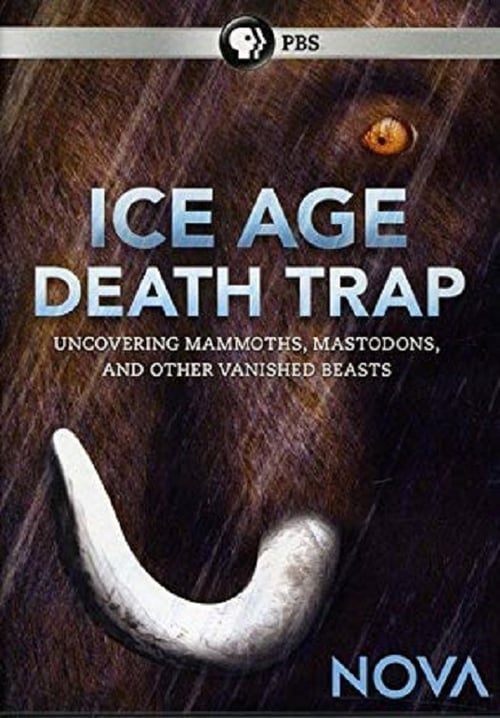
In a race against developers in the Rocky Mountains, paleontologists uncover a unique fossil site packed with astonishingly well-preserved bones of mammoths, mastodons, and other giant extinct beasts. The discovery opens a highly focused window on the vanished world of the Ice Age in North America.
Ice Age Death Trap

No description available.
Holocaust Escape Tunnel
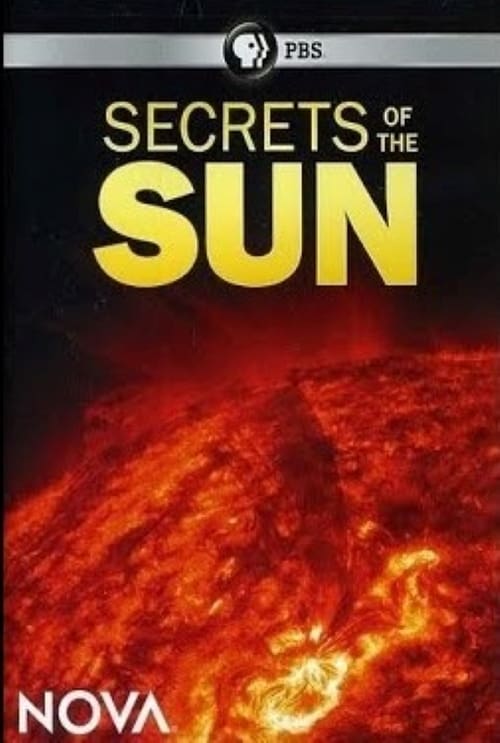
It contains 99.9 percent of all the matter in our solar system and sheds hot plasma at nearly a million miles an hour. The temperature at its core is a staggering 27 million degrees Fahrenheit. It convulses, it blazes, it sings. You know it as the sun. Scientists know it as one of the most amazing physics laboratories in the universe.
Secrets of the Sun
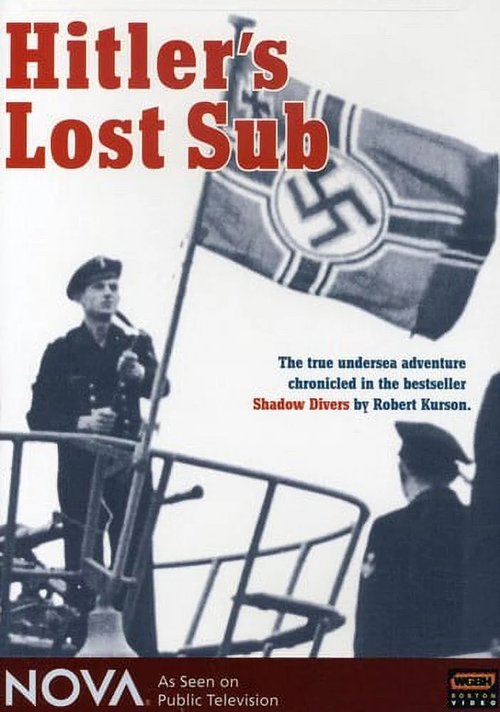
In 1991, professional diver John Chatterton discovered a sunken German U-boat from World War II, lying undetected only 60 miles off the New Jersey shore, its unexploded torpedoes and the bodies of its crew still aboard. This two-hour special follows Chatterton and his dive partners in their dangerous quest to identify the missing U-boat, a pursuit that takes six years and costs three lives. The U-boat's history involves unusual coincidences and a startling twist of fate.
Hitler's Lost Sub
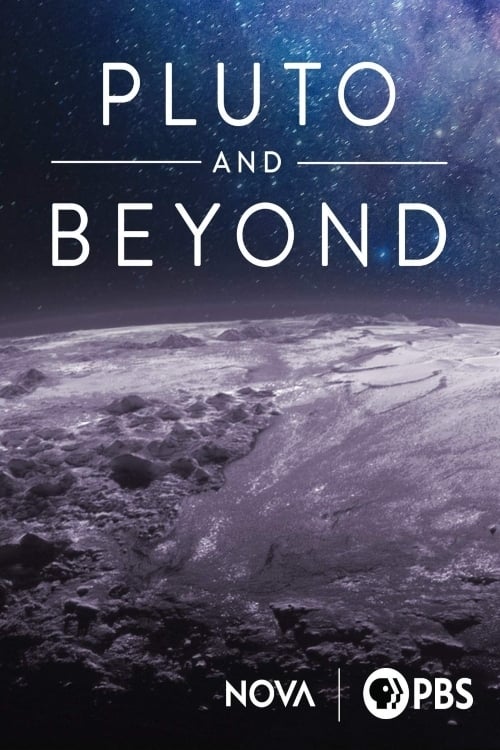
Since it explored Pluto in 2015, the New Horizons spacecraft has been zooming toward NASA's most distant target yet. Join the mission team as the probe attempts to fly by Ultima Thule, an object 4 billion miles from Earth.
Pluto and Beyond
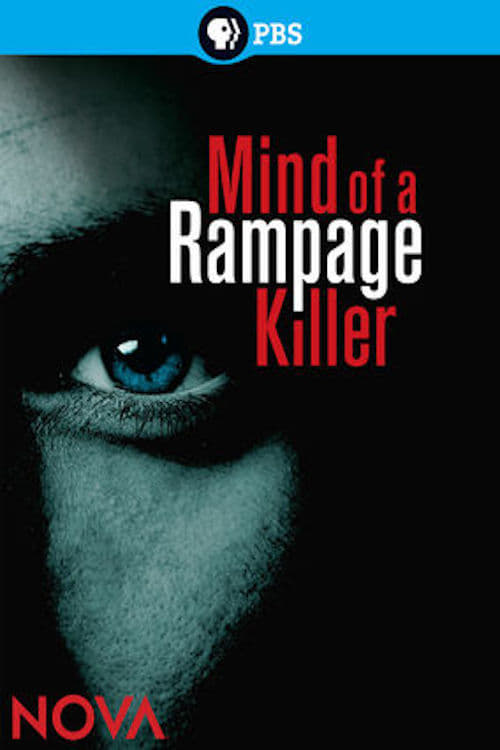
Can science help us understand these crimes?
Mind of a Rampage Killer
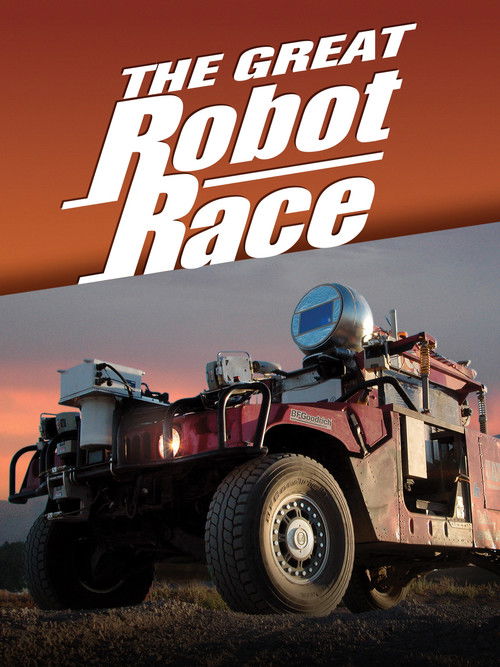
Twenty-three bizarre looking vehicles line up at the starting gate of the DARPA Grand Challenge with one thing in common: there's nobody behind the wheel. Sponsored by the Pentagon's research agency, this race for robotic, driverless vehicles has a $2 million prize. Its ultimate goal is to gather new ideas for the future of unmanned warfare.
The Great Robot Race: The DARPA Grand Challenge

Acid rain, economic development, and a century of mining pollute Rocky Mountain waters.
Poison in the Rockies
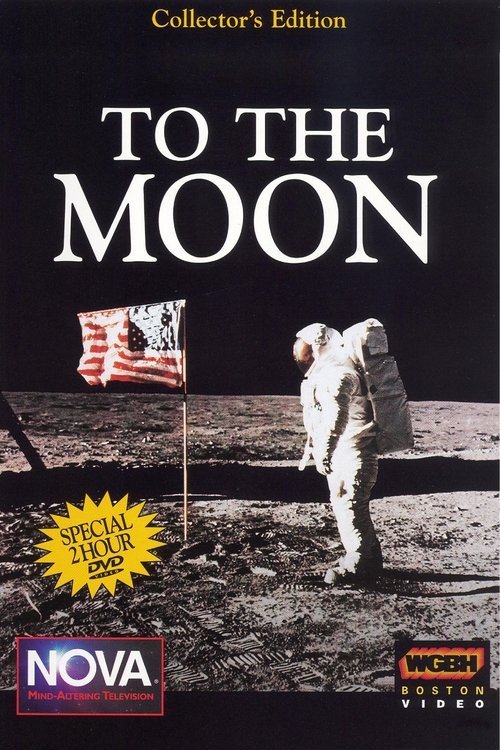
The mission was impossible. The Odds were astronomical. The results were spectacular. NOVA presents the fascinating story behind the Apollo space program, including the most remarkable feat in human history - the historic walk on the moon in 1969. Meet the unsung heroes, experience the dangers and discover a broader range of Apollo perspectives than any space documentary ever produced.
NOVA: To The Moon
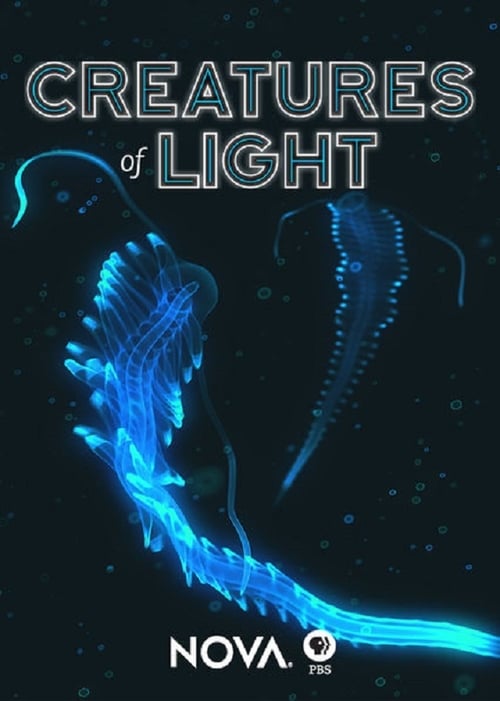
On a summer's night, there's nothing more magic than watching the soft glow of fireflies switching on and off. Few other life forms on land can light up the night, but in the dark depths of the oceans, it's a different story: nearly 90% of all species shine from within. Whether it's to scare off predators, fish for prey, or lure a mate, the language of light is everywhere in the ocean depths, and scientists are finally starting to decode it.
Creatures of Light

Call somebody a “bird brain,” and you’re not delivering them a compliment. But as NOVA shows, birds turn out to have advanced problem-solving skills that we usually assume are unique to humans. Watch astonishing tests of avian aptitude: parrots that can plan for the future, jackdaws that can “read” human faces, and crows that can solve multi-step puzzles with tools like pebbles, sticks, and hooks. Could these just be clever tricks based on instinct or triggered by subtle cues from their human handlers? To rule out any doubts, NOVA puts feathered Einsteins through their paces and reveals skills that even three- or four-year-old children have a hard time mastering—such as putting off one reward now to get a bigger one later. From this revolution in thinking about our feathered friends, the conclusion seems irresistible that bird brains see the world in ways that aren’t so different from our own.