Sōzaburō Kikuchi
Acting
Known For
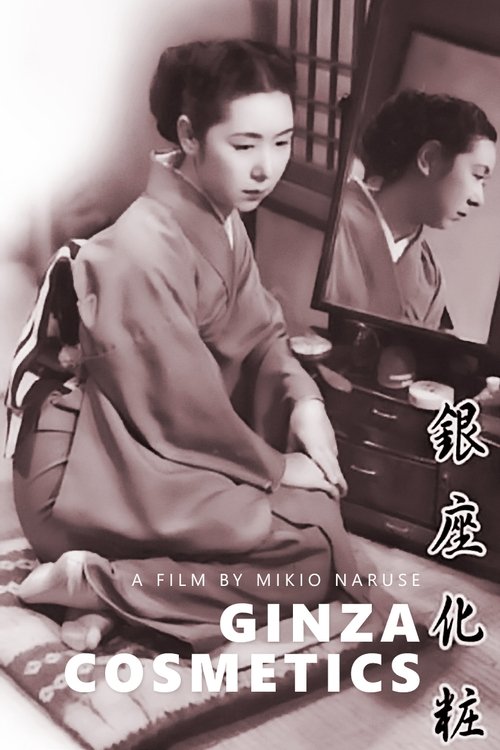
A few days in the life of a quiet geisha, single mother of a smart young boy, in the lively Tokyo quarter of Ginza. A woman devoted to others' needs, she'll end by taking part herself in one of the many disguises of Ginza.
Ginza Cosmetics
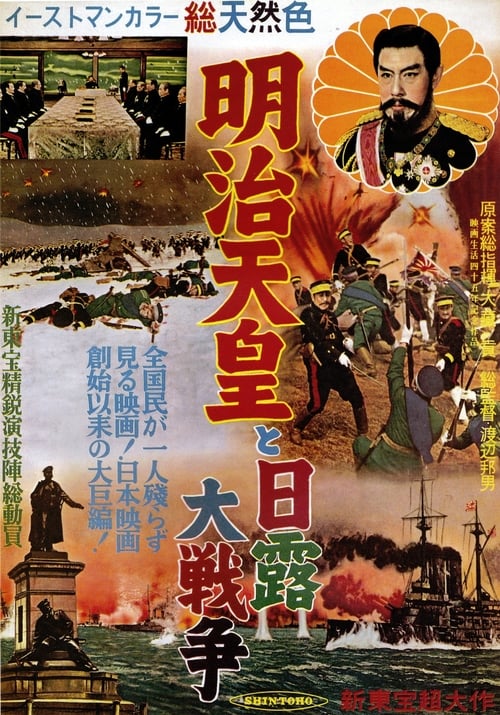
Meiji Tenno portrays the buildup to the Russo-Japan War. In addition to showing the political events that led to war, it also shows the era from the story of a farm family in rural Japan that sends their son off to war. As such, it could be considered an anti-war movie, showing how, while war is devised by governments, the people do not really understand what war is, and its combatants often do not know what they are fighting for.
Emperor Meiji and the Great Russo-Japanese War
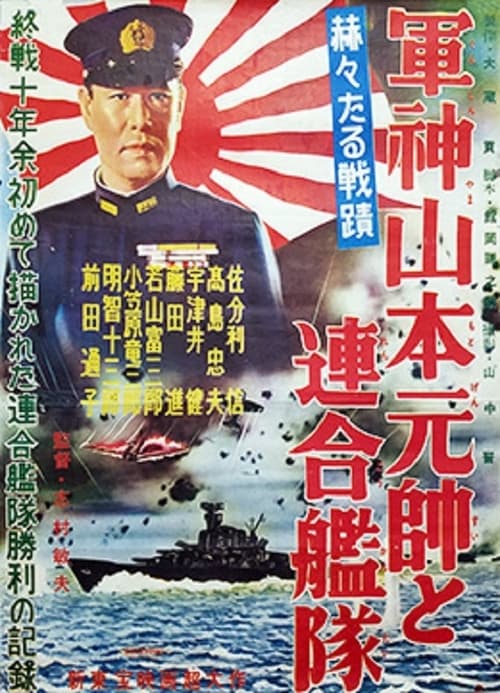
Admiral Isoroku Yamamoto leads the Combined Fleet of the Imperial Japanese Navy to defeat the American Fleet.
Admiral Yamamoto and the Allied Fleets
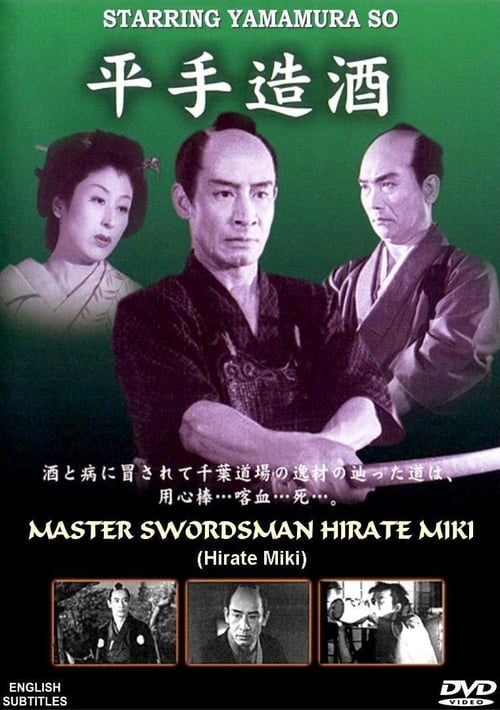
After mastering swordsmanship at the dojo of Chiba Shusaku, and unable to serve a clan due to his illness, Hirate Miki becomes a ronin who winds up as bodyguard to Shigezo of Sasagawa leading up to an epic battle.
Miki, the Swordman
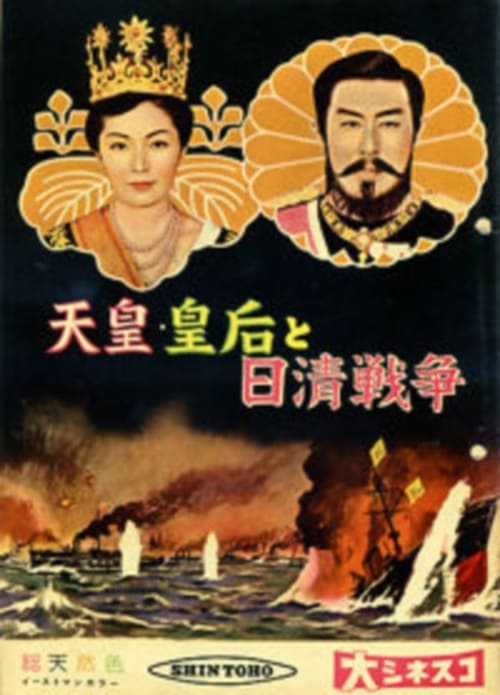
No description available.
Emperor & Empress Meiji and the Sino-Japanese War
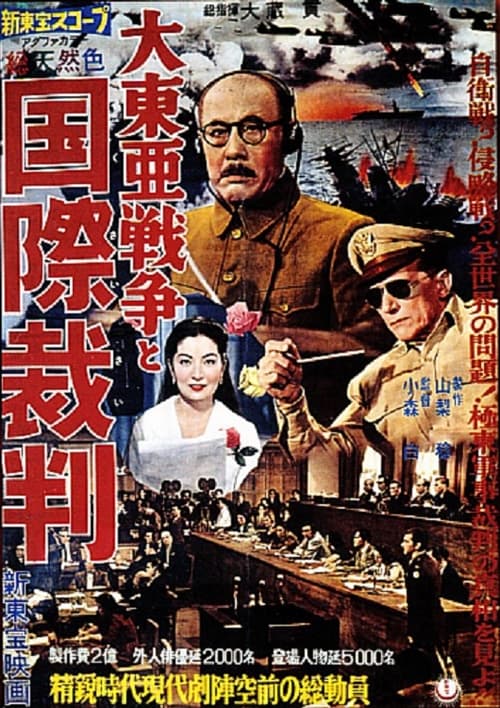
In 1941, overpopulated Japan faces an economic boycott and its armed forces push further to the south. And despite negotiations between Japan and the U. S. A. war is declared with the attack on Pearl Harbour. Victories follow for Japan on land and sea and her forces push forward to the borders of India. But gradually the tide turns in favour of the Allies and after the atom bombings of Hiroshima and Nagasaki, Japan is compelled to accept the Potsdam Declaration and by the order of the Emperor agrees to unconditional surrender. Under the supervision of the occupation forces the International Military Tribunal opens in Tokyo to try the Japanese war leaders. Established in the cause of justice, and to prevent future aggressive wars the trials drag on for two and a half years. And on December 23, 1948, General Tojo and six other war leaders mount the thirteen steps to the gallows at Tokyo's Sugamo prison.
The Pacific War and the International Military Tribunal
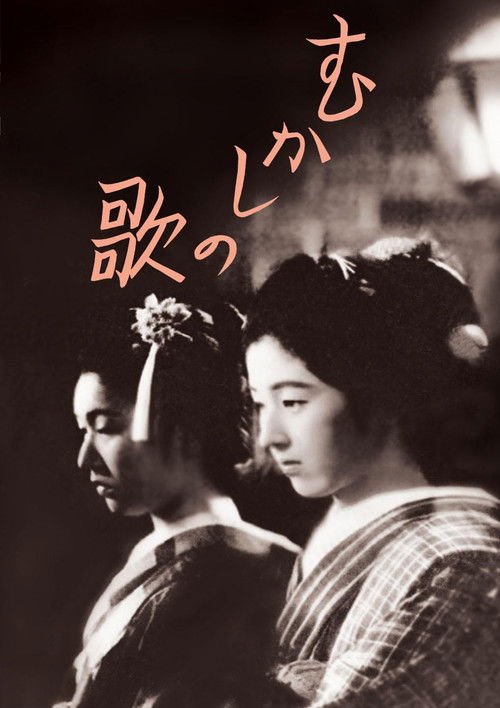
Set against the 1877 Satsuma Rebellion, two Osaka families navigate the radical social shifts of the early Meiji Era. As the merchant class ascends to economic prominence, the former samurai class faces a steady decline in status and traditional structure.
Old Songs

An early fantasy film starring Tomisaburô Wakayama.
Gyakushû Orochimaru
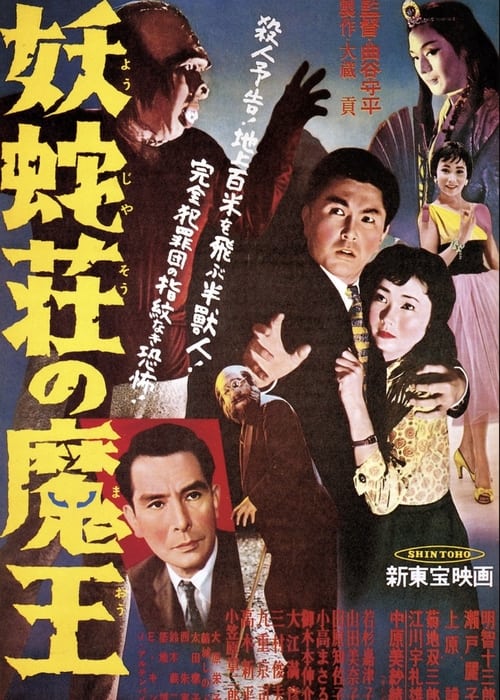
During a packed game at Korakuen Stadium, Eagles’ star Tsubota faints, while singer Kyoko Tsukita collapses on stage at Cabaret Copacana. Goro Hayatori, deputy director of Hayatori Hospital, grows suspicious of Akuri, founder of the new religion “Reihi-kyo,” who had predicted these incidents. Together with his fiancée Mitsuko Nogata and friend Chief Kamimura, he investigates Akuri. It’s revealed that Akuri conspired with Dr. Sakurada, a psychiatrist, using a brainwave-disrupting ray to cause Tsubota and Tsukita’s collapse. Disguised as “Busujima,” Sakurada operates from a nearby villa. Meanwhile, Dr. Stanley from Monotor Republic plans to assassinate conglomerate Maurice and enlists Sakurada to create a half-animal man. Soon after, Akuri predicts Tsubota’s death as Sakurada aims to showcase the creature’s power for profit.
Demon King of Yoja Manor
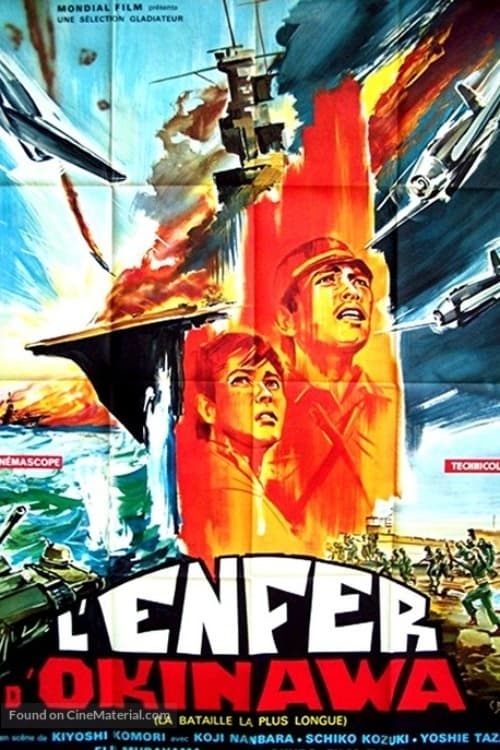
The last fight put up by remaining forces and a special volunteer nursing corps in 1944-5.
The Pacific War and Himeyuri Corps
On a Sunday morning, young dentist Toshio Ezaki wakes up with a hangover, on a bench in his office. He finds a poisoned woman in a green-striped Western-style outfit lying in his exam room. He must retrace his blurry steps of the night before, and navigate a web of embezzlement, murder, framings, and false identities in Tokyo's Ginza district, to discover the identity of the dead woman and why she is there—and hopefully prove his innocence, before his wedding in three days...
Golden Beast
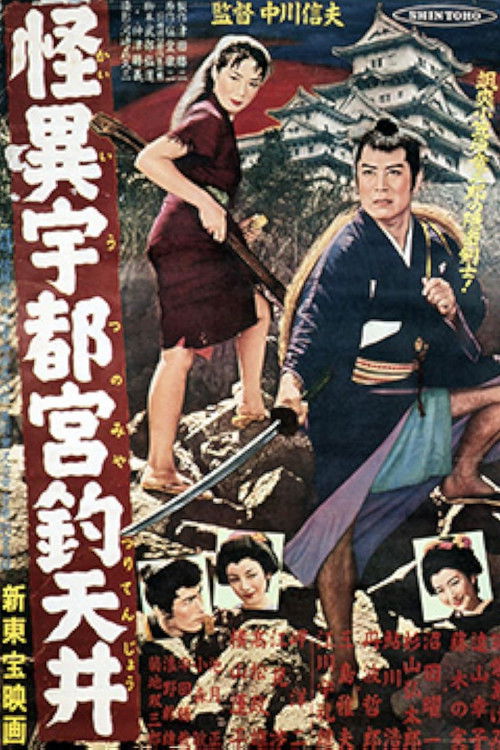
Ryutaro is a spy employed by the shogun Tokugawa Iemitsu, who is the target of assassination attempts that aim to hand power over to his younger brother Tadanaga.
The Ceiling at Utsunomiya
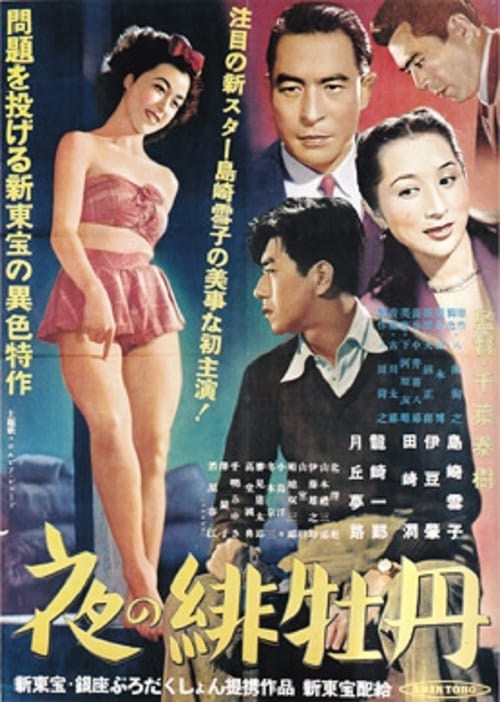
A romantic melodrama about the shifting relationship between Ryosuke and Miki as their precarious employment and social circumstances shift around them.
Red Peony of Night

1961 Japanese movie
Botchan yarō seizoroi
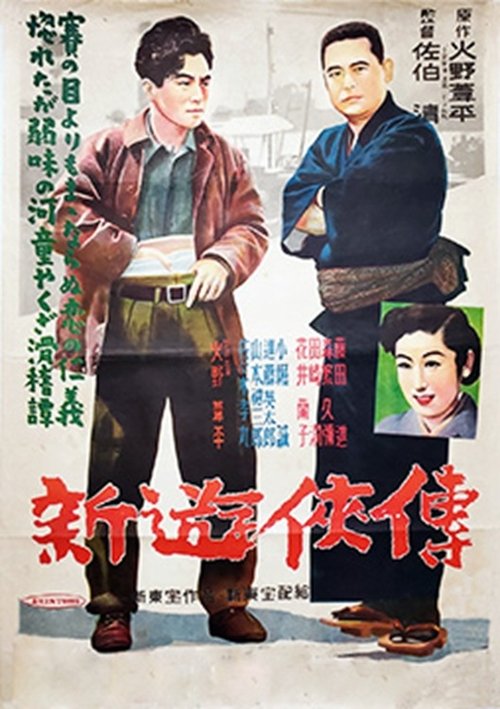
No description available.
新遊侠伝
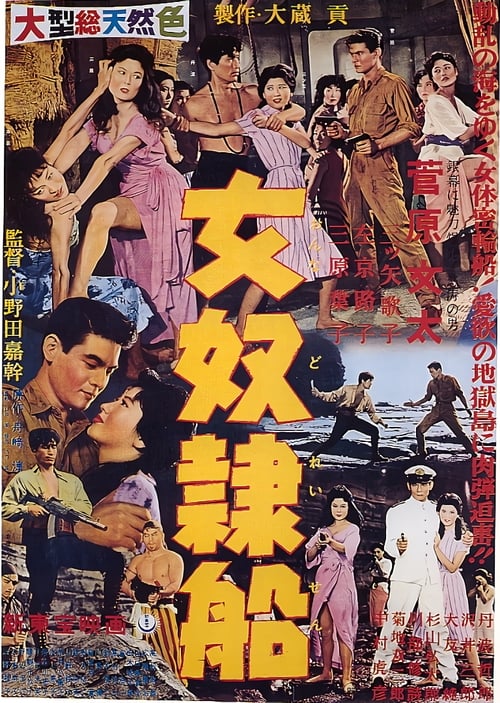
The year is 1945, months prior to Japan's ultimate defeat in WW2, and military lieutenant Sugawa is sent on a critical mission to deliver micro-fiche war plans to Tokyo from his base in Malaysia. But while flying over Chinese waters his plane is shot down and he is taken aboard a ship bound for Shanghai to deliver its merchandise - a ship filled with Female Slaves kidnapped from Japan. Will he abandon the women to pursue his main objective? Or will he fight foes, spies and pirates to save these women against all odds?
Female Slave Ship
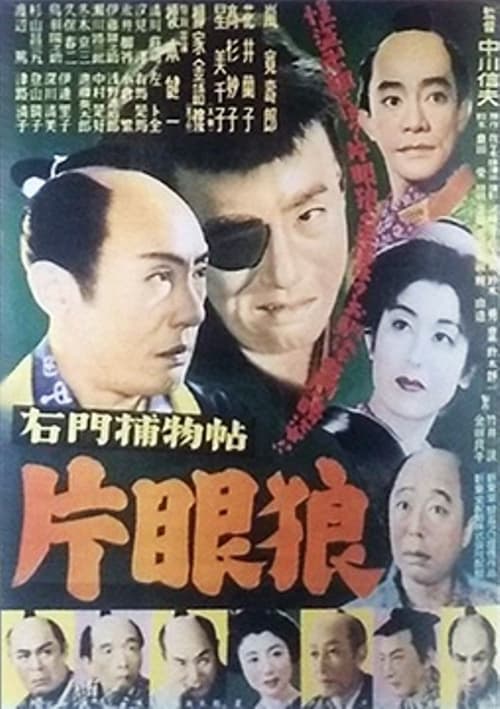
No description available.
Umon's Detective Stories: The One-Eyed Wolf
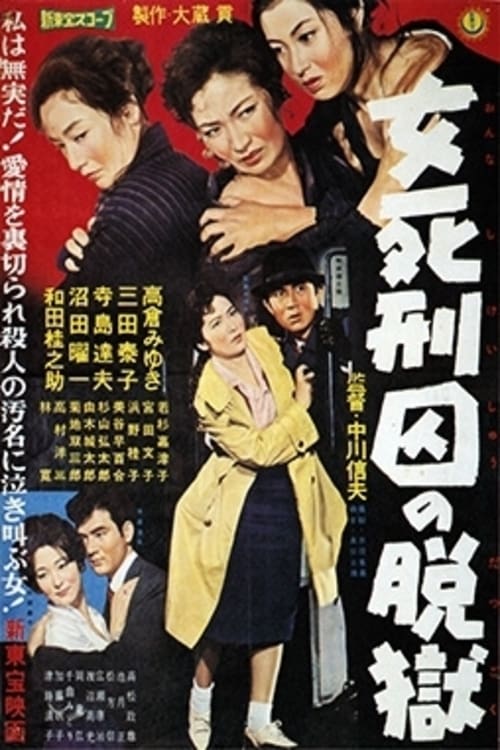
Arrested for the murder of her wealthy businessman father, convicted on false evidence and sentenced to death, Kyoko is determined to prove her innocence.
Death Row Woman
Japanese comedy film.
Tōkaidō yajikita chin dōchū
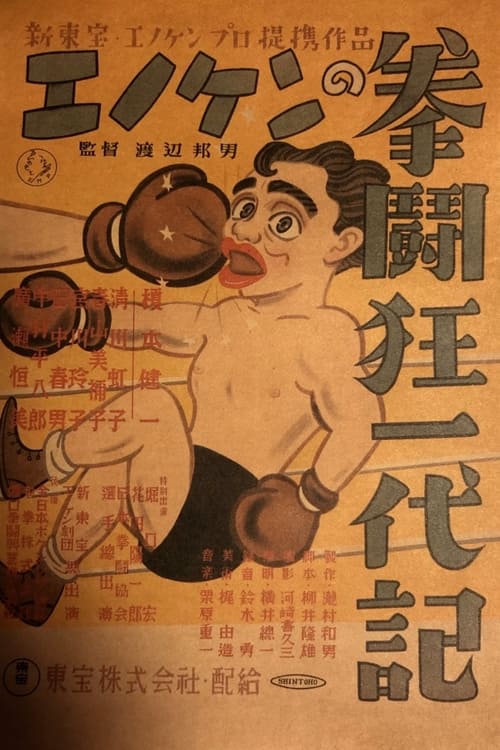
Near the end of the Taisho era (1912-1926), Enokichi, a popular figure in the world of boxing entangled in the Yakuza business.