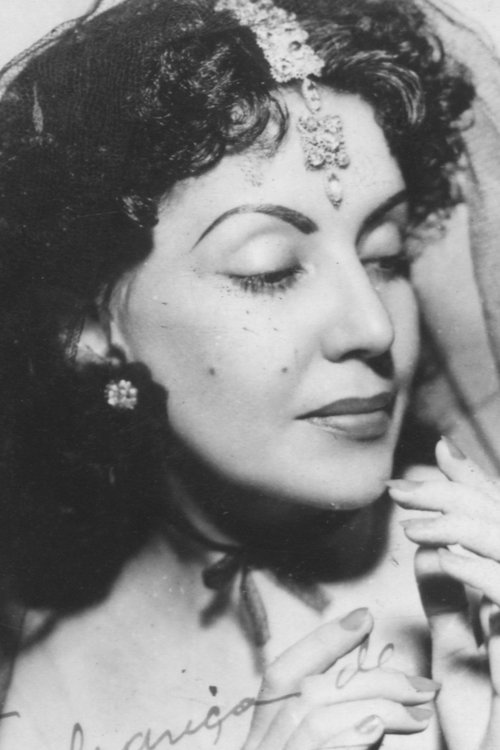
Gilda de Abreu
Writing
Biography
Gilda de Abreu (23 September 1904 – 4 June 1979) was a Brazilian actress, singer, writer and film director. Born to a wealthy family, Gilda de Abreu began her career as a singer, performing in stage musicals and operettas. She first started appearing in theater productions in 1936, when she starred in the romantic comedy Bonequinha de Seda, produced by Adhemar Gonzaga. The film acted as a break-out role for Abreu, allowing for a transition from her previous stage-based career to one in the Brazilian film industry. She was one of the first women to direct films in Brazil, coming to renown for her directorial debut, O Ébrio (The Drunkard) in 1946. The film, in addition to being the first sound film directed by a woman, was a commercial and critical success, with approximately 4 million viewings between 1946 and 1950. It is still regarded as "one of the great successes of Brazilian Cinema", according to film historian João Luiz Vieira. After O Ébrio, Abreu directed Pinguinho de gente (Tiny Tot) in 1949 and Coração materno (Mother's Heart) in 1951. Neither achieved the same critical or commercial success as O Ébrio. These were her final films as director until 1977, when she directed the short film Canção de Amor (Love Song).
Known For

"Portraits and excerpts from Brazilian films from all times. Actors, directors and images that affirm cinema."
Celebração - 100 Anos do Cinema Nacional
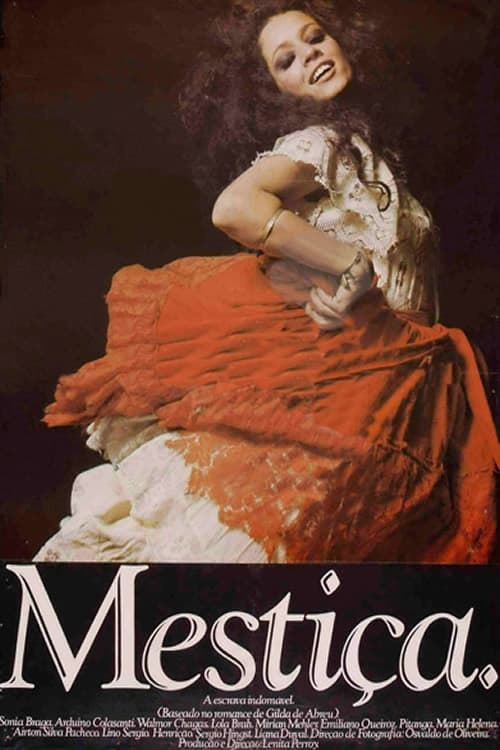
On a farm in rural Brazil in the 18th century, a new overseer arrives. He falls in love with one of the enslaved women, Mestiça, beloved by all the men. When a pair of silver earrings disappears from the farm and the overseer orders the leader of the enslaved women arrested, Mestiça decides to take revenge.
Mestiça, a Escrava Indomável

Passionate about the magic of cinema and historically imposed on a place of invisibility, prejudices and stereotypes, how can women challenge, break with oppression, look after precious archives, play remarkable characters, produce and direct successful films? The documentary illuminates the trajectories of dreams, challenges and victories of talented Brazilian women in our audiovisual sector.
Women's Cinema
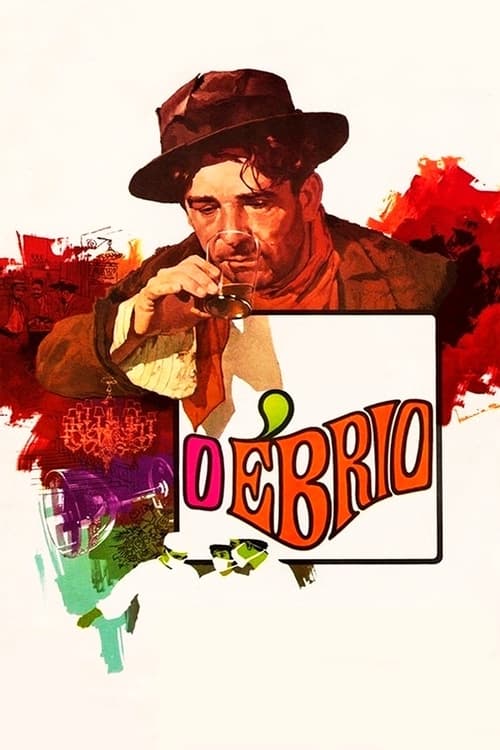
A good-hearted man, betrayed by his wife and friends, fakes his death and takes up a new identity, as a nameless, wandering drunkard.
The Drunkard

Documentary on famous Brazilian actresses, female directors and the role of women in Brazilian film history.
Mulheres de Cinema
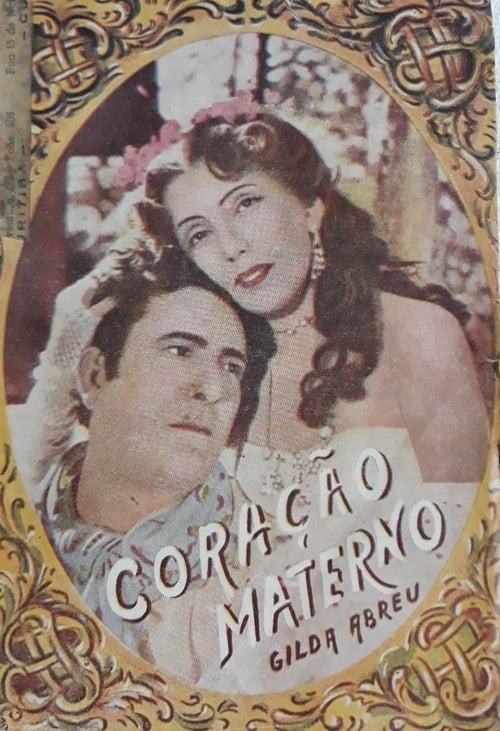
As a baby, Carlos was abandoned in the church at the feet of Holy Mary, raised by the priest, and consecrated to her. As a child, he falls in love with the daughter of the Commander, the local landowner, who is already promised to the son of a ruined count.
Coração Materno

The biography of the singer Francisco Alves. It narrates his father's opposition to his singing, his adventure in the circus, his love affairs and breakups, his discovery in a bar at dawn and, finally, his success cut short when he died in 1952 in a car accident.
Chico Viola Não Morreu
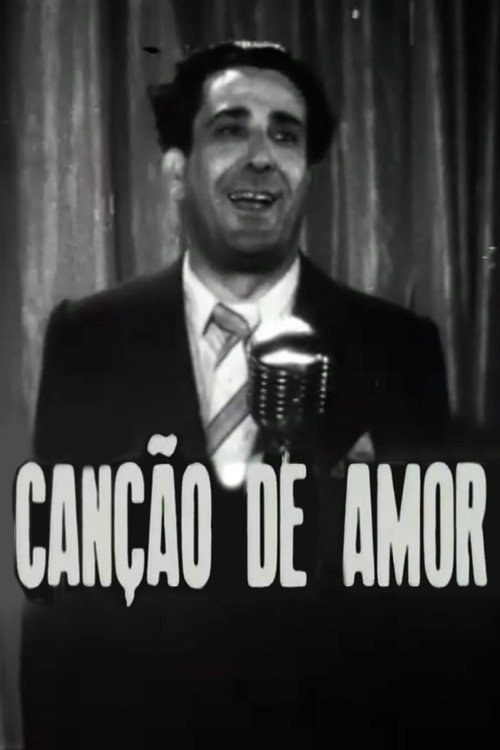
Portrays the life of Vicente Celestino, a singer and composer of Brazilian popular music, who died in 1968. It shows his childhood in Rio de Janeiro, his professional debut at the Teatro São José, his first record, Flor do Mal, his participation as an actor in the Cia. Leopoldo Fróes, the gold record that was offered to him by the people, the numerous operettas and sacred plays in which he worked, his marriage to Gilda de Abreu, and original scenes from the films O Ébrio and Coração Materno, where he acted as both actor and singer.
Canção de Amor

A documentary that chronologically traces the presence of women in Brazilian cinema.
As Mulheres no Cinema Brasileiro
No description available.
SRTV 307 – Cinemateca: Almoço na Cinédia – nosso cinema 80 anos
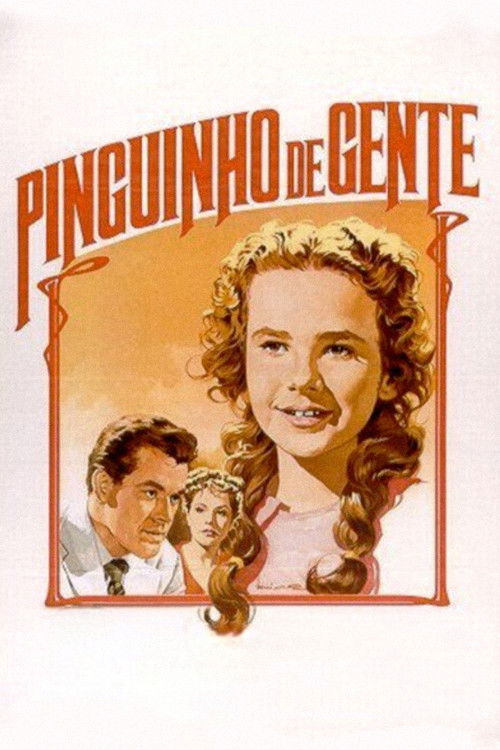
Nini dreams of a doll that resembles a queen living in a toy store window. Although now, first of all, it is necessary to think about paying the rent.
Pinguinho de Gente
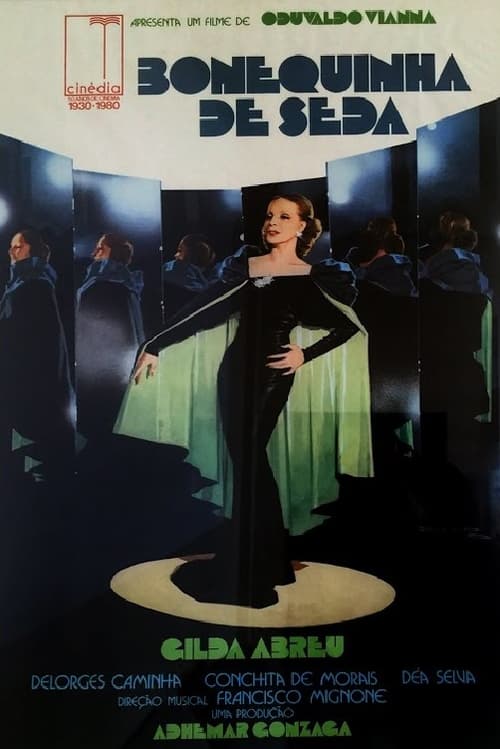
A poor woman passes herself as singer that just arrives from Frances and becames a sensation on Rio de Janeiro's high society.