Jerzy Stuhr
Acting
Biography
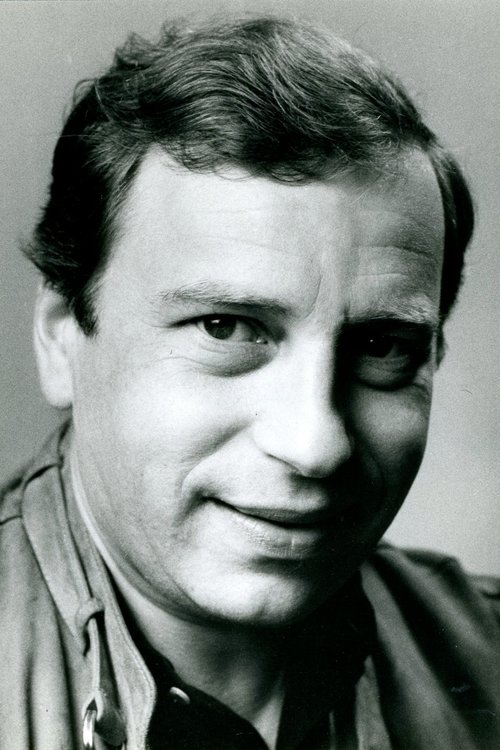
Jerzy Oskar Stuhr (Polish pronunciation: [ˈjɛʐɨ ˈʂtur]; 18 April 1947-9 July 2024) was one of the most popular, influential and versatile Polish film and theatre actors. He also worked as a screenwriter, film director and drama professor. He served as the Rector of the Ludwik Solski Academy for the Dramatic Arts in Kraków for two terms: from 1990 to 1996 and again from 2002 to 2008.
Known For

The Ten Commandments, exact and uncompromising, literally cast in stone, continues to provide a source of moral conflict in contemporary society. In the ten part epic masterpiece, The Decalogue, Krzysztof Kieslowski examines the dilemma of fundamental sin in the lives of ordinary Warsaw citizens.
Dekalog

Two scientists are chosen as guinea pigs for a time experiment: they are placed in hibernation and should be brought back to life after three years. In the meantime, however, World War III breaks out and life has been wiped off the surface of Earth. When they wake up, it turns out that not only 50 years have passed but also that they are the only living specimens of the male sex in a new, underground society composed exclusively of women.
Sexmission

Polish immigrant Karol Karol finds himself out of a marriage, a job and a country when his French wife, Dominique, divorces him after six months due to his impotence. Forced to leave France after losing the business they jointly owned, Karol enlists fellow Polish expatriate Mikołaj to smuggle him back to their homeland.
Three Colors: White

No description available.
My Agent

Lazowski, an expelled university student, investigates the supposed suicide of the famous artist Witkacy and tries to prove that the artist is in fact still alive.
Mystification

Witek runs after a train. Three variations follow on how such a seemingly banal incident could influence the rest of Witek's life.
Blind Chance

Filip buys an 8mm movie camera when his first child is born. Because it's the first camera in town, he's named official photographer by the local Party boss. His horizons widen when he is sent to regional film festivals with his first works but his focus on movie making also leads to domestic strife and philosophical dilemmas.
Camera Buff

The newly elected Pope suffers a panic attack just as he is about to greet the faithful who have gathered to see him. His advisors, unable to convince him he is the right man for the job, call on a renowned therapist who also happens to be an atheist. But the Pope's fear of his newfound responsibility is one he must face alone. Winner Best Film at the Italian Golden Globes.
We Have a Pope

An innocent cab driver is mistaken for a contract killer and imprisoned. Soon, he is sprung by a mob boss who needs a "killer" for a few more jobs.
Killer

No description available.
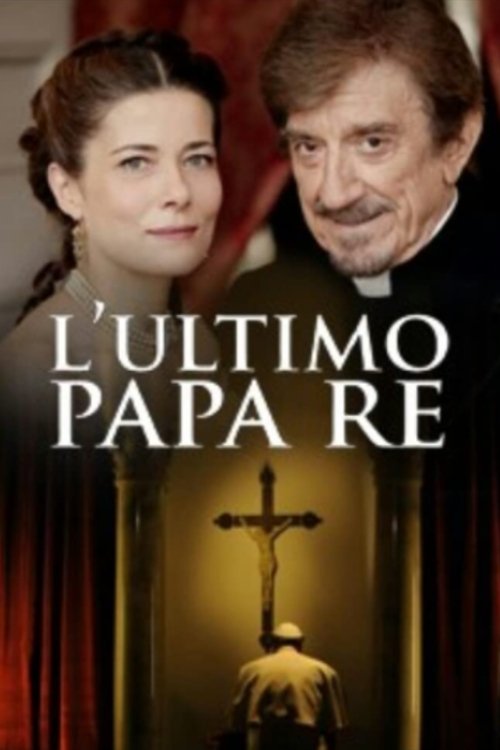
L'ultimo Papa Re

Shortly after World War II an American soldier (Norman) and a Polish refugee (Emilia) fall in love. Eventually he will return to the U.S. and both expect that she will soon follow him with her mother. Emilia's mother is sick, but will recover with the right medicine. But the mother, and not Emilia, knows that there will only be one ticket...
A Year of the Quiet Sun

Bruno Bonomo was a famous producer of B-movies in the ‘70s. After a long hiatus, Bonomo offers a screenplay to RAI centered on the figure of Italy’s prime minister and media tycoon Silvio Berlusconi, a subject so controversial that even the public television broadcaster refuses to produce it
The Caiman

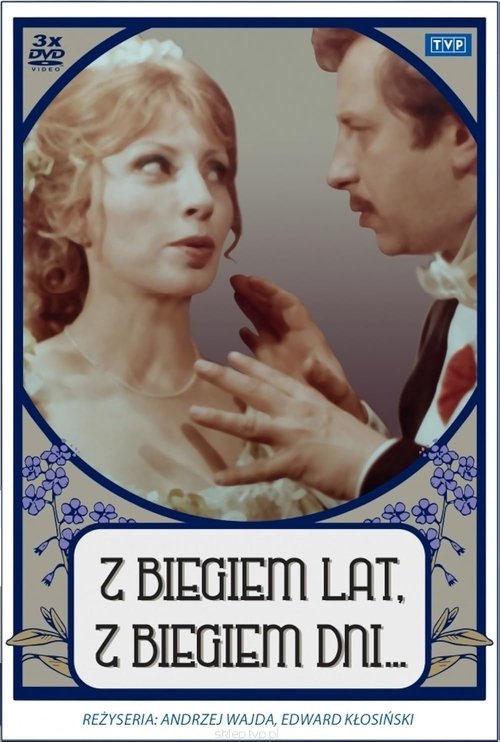
A story about the fate of two Krakow families, the action takes place in the years 1874-1914.
As the Days Come and the Days Go

A man, after having abandoned his family to live in a monastery, goes back into the world after 17 years.
Tomorrow's Weather

After Mick Nich, a 1930's Chicago gangster, sells out his own gang to the police, the Mafia hires the best hitman in town, Johnny Pollack, to follow him to Odessa, USSR. Upon arrival, Pollack loses his memory and goes on various adventures with a group of thick-headed Odessa locals who think he is a harmless butterfly collector.
Déjà vu

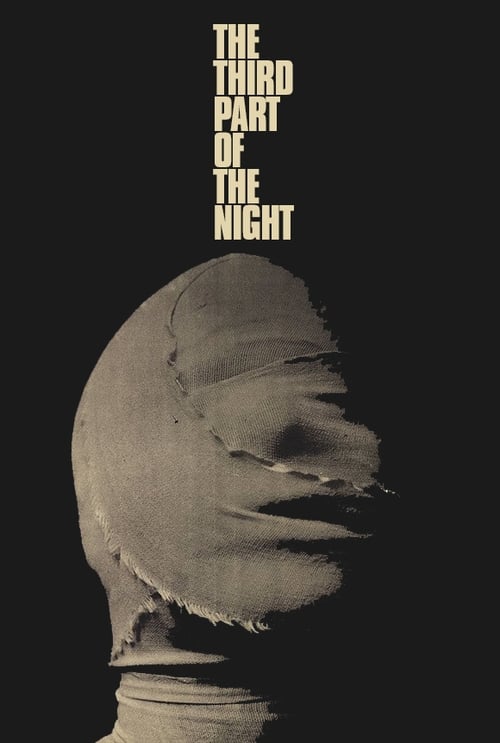
Set during the Nazi occupation of Poland, the story follows Michał, who witnesses the murder of his mother, wife and child and then is hurled into a life that literally is not his own; a surreal world littered with trapdoors, doppelgängers and wormholes.
The Third Part of the Night

An old film director, unhappy with the movie he's shooting about a Hungarian circus stranded in Rome during the 1956 anti-Soviet uprising, faces divorce from his producer wife and other problems.
A Brighter Tomorrow

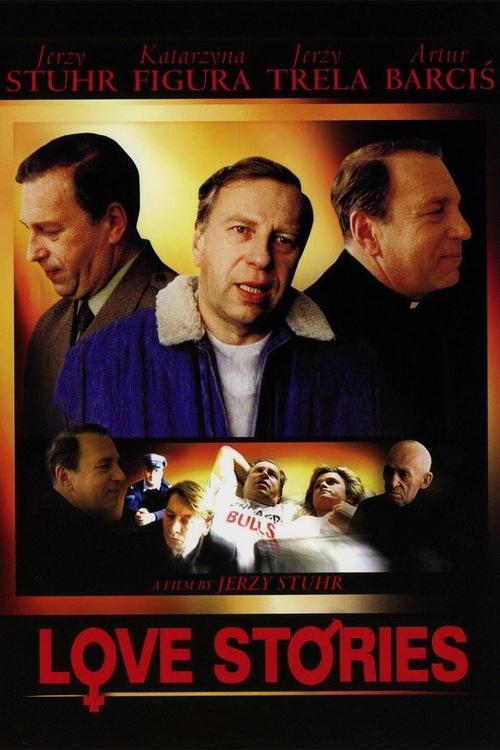
Jerzy Stuhr scripted, directed and plays four roles in this Polish comedy about four men -- an army officer, a college instructor, a priest, and a drug dealer -- and their relationships with four females. An attractive student puts the teacher in an awkward spot when she reveals her love for him. An 11-year-old informs the priest that she's his daughter. The army officer is pleased when confronted by a past lover. The drug dealer, taken prisoner, must decide whether or not to trust his wife with his hidden loot. In the wrap-up, the elderly accountant passes judgment on all four men. Stuhr acted in films by the late Krzysztof Kieslowski, who had some input here by offering advice to Stuhr on this screenplay.
Love Stories

The story of catholic saint Maximilian Kolbe (1894-1941), who volunteered to die in place of a stranger in the Nazi concentration camp of Auschwitz.
Life for Life: Maximilian Kolbe

Scope is a prisoner on a behemoth space station and is chosen, like all his fellow prisoners, to 'volunteer' for the exploration of far-away planets. Landing on planet Australia 458, he is given a hero's welcome with all the sex, booze, and violence that any one man can stomach. But as his new caretakers push him towards even more heinous and deplorable acts, Scope finds that his freedom comes with a high price; his own violent demise, broadcast live for the viewing pleasure of Australia 458's inhabitants.