Noburô Ôfuji
Directing
Biography
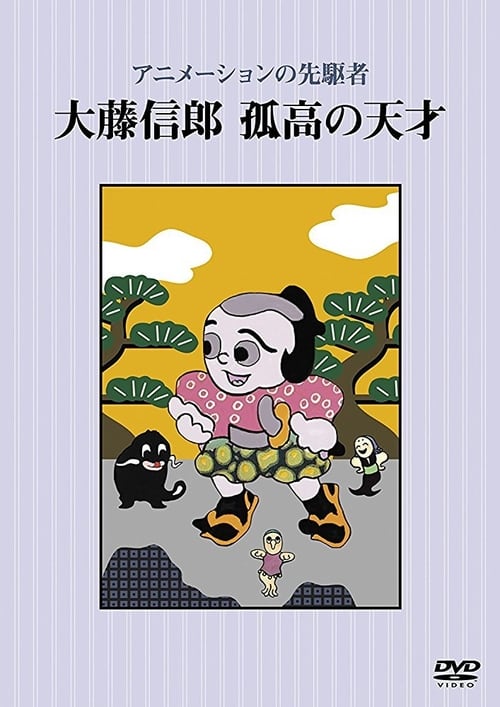
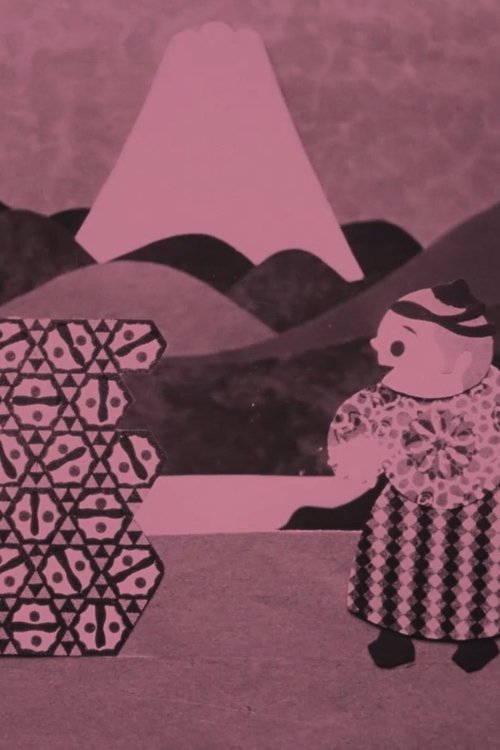
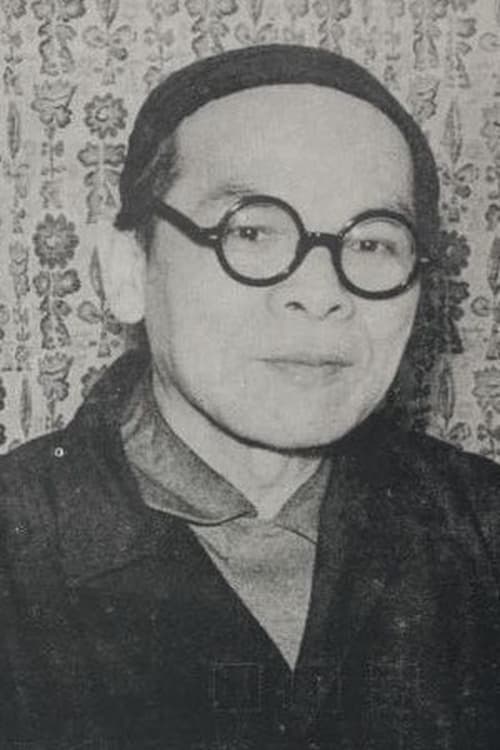
Born 1900, in Tokyo. Ofuji learned the basics of animation under Junichi Kouchi, and later developed his own unique animation style using cutouts from chiyogami (Japanese traditional decorative paper with colored patterns). While strictly maintaining his independent production style, he attempted a variety of techniques such as paper cutouts, cel, silhouette, and colored cellophane.
Known For

Early Japanese anime. A stop-motion papercraft animation set to a song sung by Kikoku Inoue
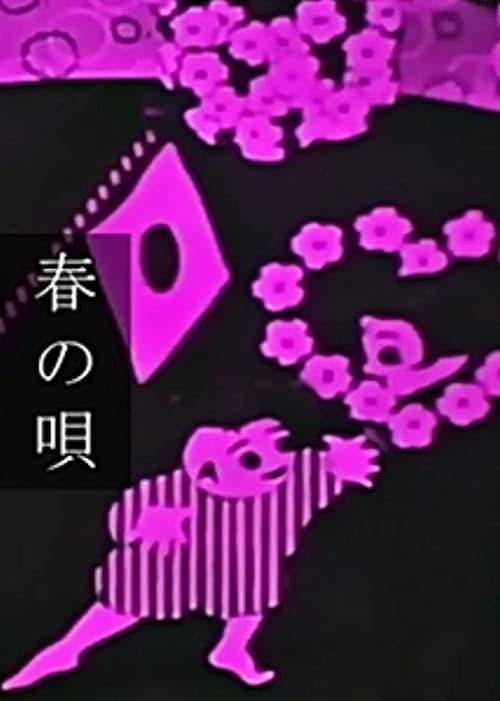
Spring Song

Very short animated film from Japan, using cut-outs in the style of Lotte Reiniger.
The National Anthem Kimigayo

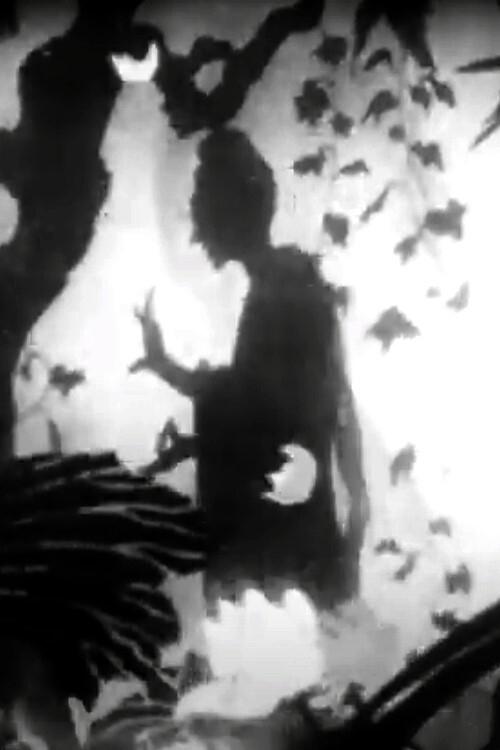
A re-edited, feature length compilation of the two parts of Ôfuji's The Great Sage Shakyamuni Buddha - the culmination of Noburô Ôfuji's monochrome silhouette films. After a portentous dream about a white elephant, the ancient Hindu princess Maya gives birth to a prince. Reared in seclusion from the troubles of the world, Prince Siddhartha is troubled by sights of poverty and deprivation when he is 12 years old. He is married to a beautiful wife, but he is unable to bear the thought of others suffering, and leaves the palace in search of an answer. While sitting beneath a tree, he achieves enlightenment. Planned as a nine-reel life of Buddha, but exhibited in Cannes as ‘Part One’ with only 6 reels completed, this late work by Noburô Ôfuji was not completed until after his death. It was only in 1961 that it was finally exhibited as a full 72-minute film (comprising 10 reels).
The Life of Buddha

A Japanese equivalent of a Hollywood Screen Song.
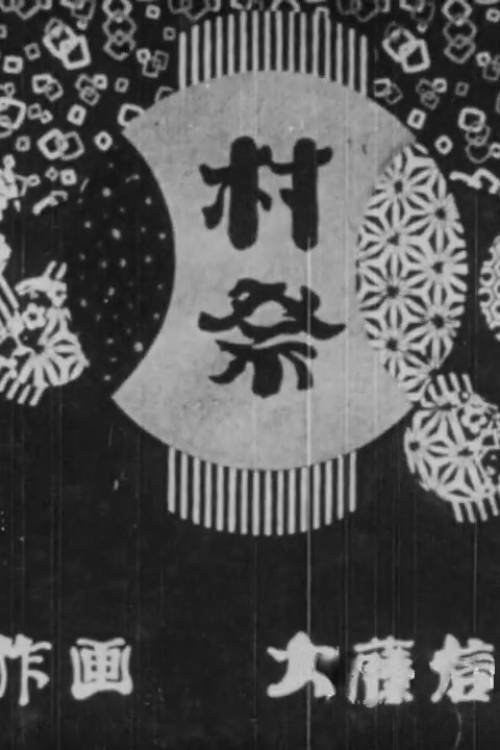
The Village Festival

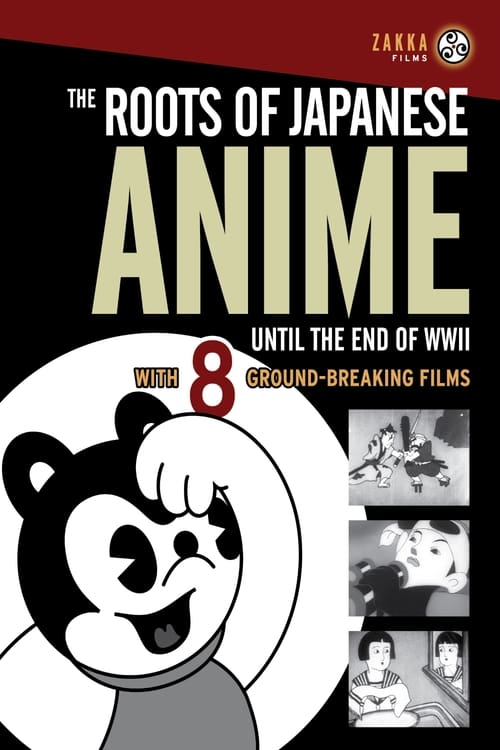
A rare glimpse of early Japanese sound anime and prewar Japanese culture, The Roots of Japanese Anime features the masterworks of such pioneers of Japanese animation as Noburo Ofuji, Yasuji Murata, and Kenzo Masaoka, in addition to Mitsuyo Seo’s Momotaro’s Sea Eagle, the notorious war cartoon billed as Japan’s first feature anime. These movies represent the brilliance and variety of anime, ranging from beautiful Japanese paper animation to powerful multiplane cel cartoons. They also evoke the fascinating complexity of Japan, a nation that is then both marching towards war, enlisting kids in militarist nationalism, yet also delighting in a mixture of modern popular culture, ancient folk tales, irreverent comedy, and the everyday life of prewar Japanese children.
The Roots of Japanese Anime Until the End of WWII: 1930-1942

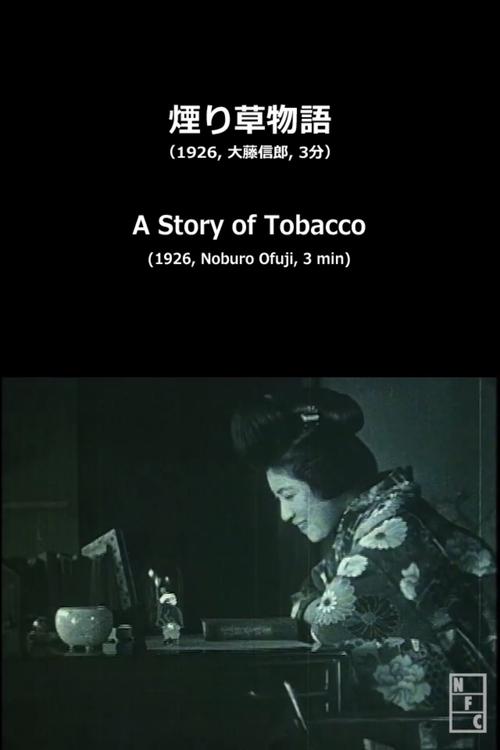
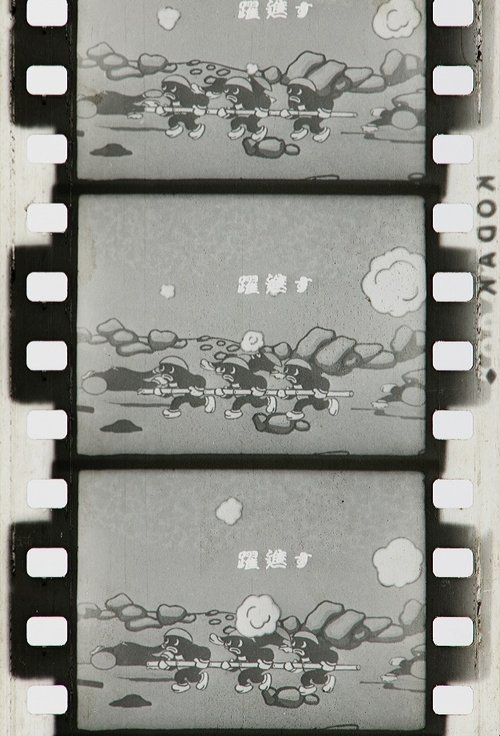
In front of a girl with the traditional Japanese hairstyle, a small man on a desk says, "women descended from tobacco." The girl laughs at him and traps him under a glass. The angry man puffs on a cigarette in a pipe and blows smoke at the girl. The girl takes the cigarette from the man and puts it under her book. When the man threatens her with a gun, the girl throws the cigarette into the yard. The man becomes really angry and tries to shoot her, but the gun does not fire. In the end, the man starts telling her about the beginning of tobacco. According to the 1926 film censor record, the original one reel version had a total length of 174 meters and lasted 6 min. The second half of the film is missing from the existing version. (animation.filmarchives.jp)
A Story of Tobacco
In order to win the hand of a princess, a man must defeat an evil dragon and claim its treasured magic stone. Upon his return, Baghdad has been invaded and he must use the stone to defeat his new enemy.
Burglars of "Baghdad" Castle

A black cat sings and dances, animated using cut-outs.
The Black Cat

Chaos in the wild as fires break out and thread from a spider is the savior.
Spider Silk
A short Japanese animation film from 1934.
Hyoei and Heibei's Tengu Hunt

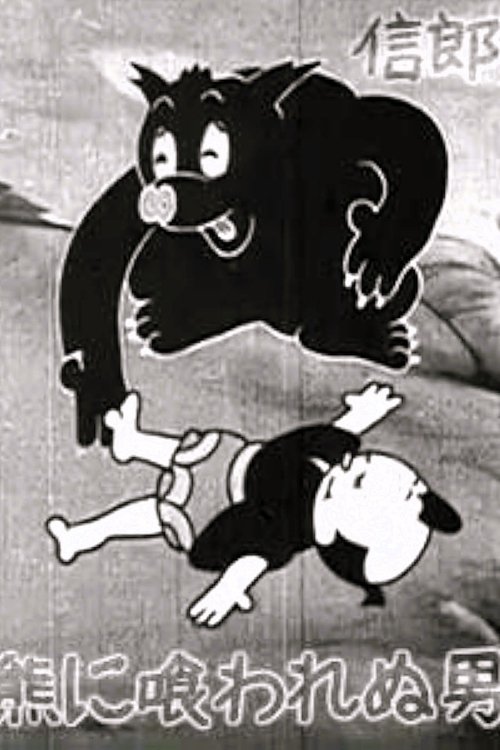
Created by Noburo Ofuji, who had been cartoon making since the 1920s, often with decorative paper cutouts. The character animation looks like it was done 15 years before, but a lot of the elements are highly original; design (those trees!), use of camera focus. Heavily musical in a manner that recalls animation's earliest use of sound. The lesson here is: "If you can't count on your friends, travel alone".
The Bear Dodger

A man in love with a noble lady tries to get close to her with the help of cats.
Will Power

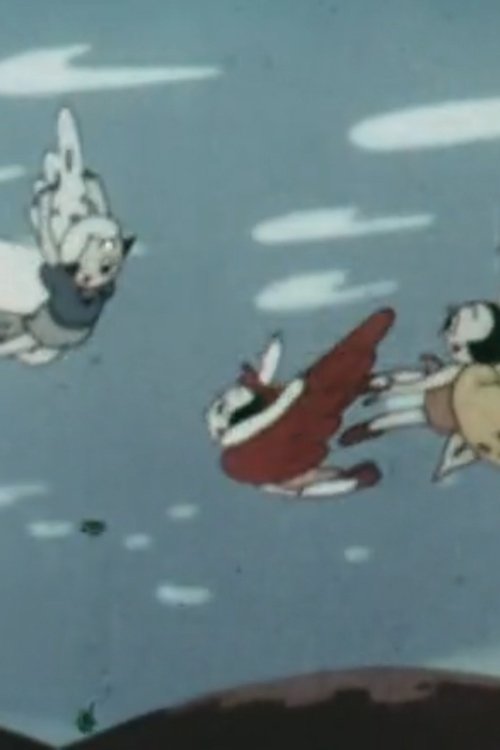
An early color animation which uses the color to help tell the story. Three butterflies save a bird that falls out of it's nest during a rainstorm. The butterflies decide to ask the flowers for cover, but the red rose will only help the red butterfly since they are the same color.
The Flower and the Butterfly
Directed by Noburô Ôfuji.
Sitting Beneath the Cherry Blossoms

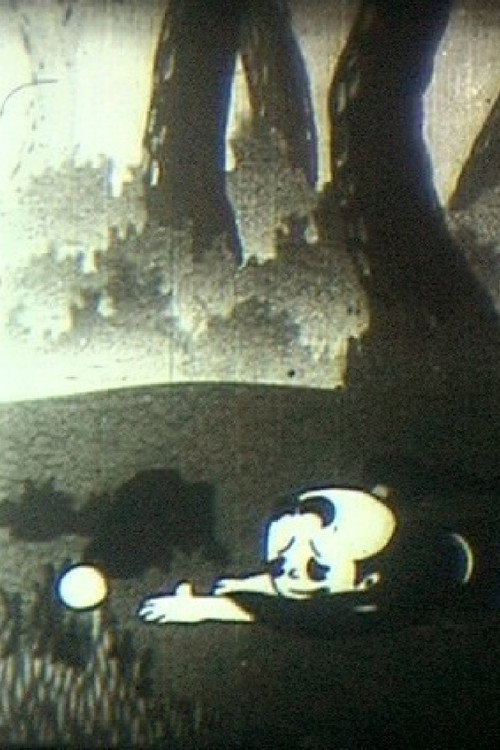
A man has a strange adventure on a hill as he returns from the village festival.
The Golden Flower

A whale swallows women and men.
Kujira
A war propaganda film by Oofuji Noburou.
The Battle of the Malay Sea
The mischievous Chinkoroheibei visits the underwater realm of the fish king where he tries to steal the king's treasure box.
Chinkoroheibei and the Treasure Box
An animated black-and-white short by Noburô Ôfuji.
Dangobee Torimono Chou: Hirakeegoma no Maki

The story of a gluttonous whale and the other aquatic creatures