Acting
No description available.
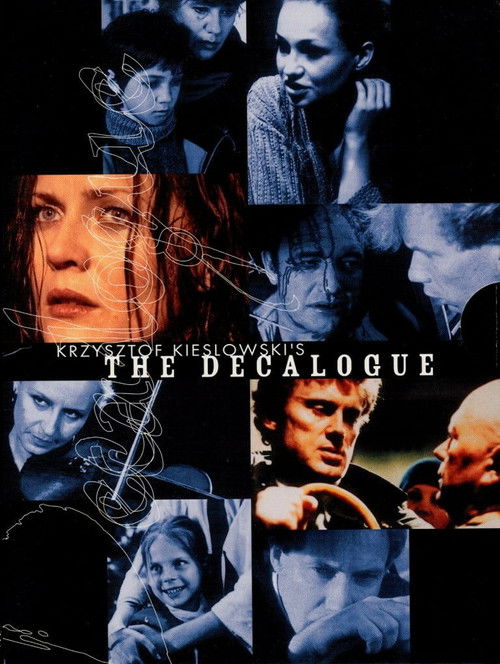
The Ten Commandments, exact and uncompromising, literally cast in stone, continues to provide a source of moral conflict in contemporary society. In the ten part collection of films, The Decalogue, Krzysztof Kieślowski examines the dilemma of fundamental sin in the lives of ordinary Warsaw citizens.
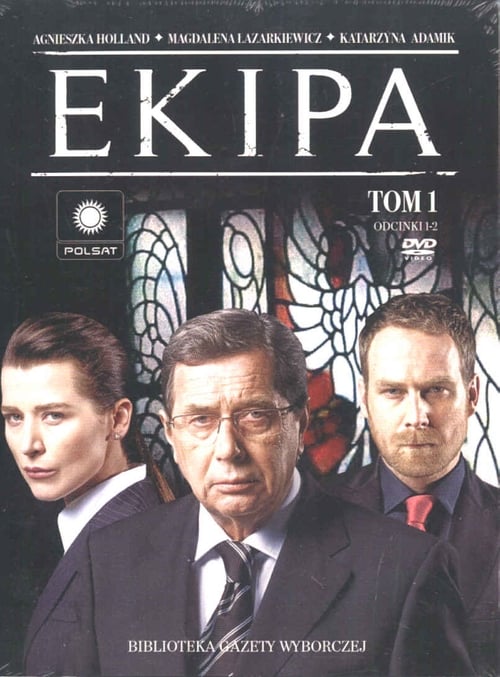
Ekipa is a Polish political drama TV series created and directed by Agnieszka Holland, aired from 13 September 2007 until 6 December 2007 on Polsat. Ekipa is the second Polish political fiction series after the 1980s miniseries The Career of Nicodemus Dyzma.
Second half of September 1939. Lt. Brejer, along with a detachment of his sappers, receives orders to blow up the bridge. The promised explosives do not arrive. So Brejer gets the order to withdraw and reunite with the rest of the division. Along the way, suffering hunger and discomfort along with his soldiers, he joins various divisions, collects survivors and fights. From a German prisoner of war, he finally learns that the Soviets have entered Poland. Finally, he and his men manage to reach his home unit, but that unit has just surrendered to the Germans.
The film takes place during the first four days of the Warsaw Uprising. The main character is Krzysztof Kamil Baczyński, one of the most outstanding poets of the young war generation. The film is a pseudo-documentary account of the last days of the artist's life. We learn about his earlier life through numerous flashbacks. The film uses a lot of archival material, memorabilia, and eyewitness accounts of the poet's death.
The documentary film is based on reconstructed archival films of the 1920 Polish-Soviet war, which ended in one of the greatest military successes of the Polish nation. The film also uses radio recordings, accounts of participants and witnesses to the events, as well as archival material testimony that has survived to our time: photographs, orders and records of secret reports. Polish Television carried out a digital reconstruction of century-old, previously unpublished archival films, including those from Soviet Union, France, Great Britain, the Czech Republic, Hungary and the USA.
Dorota Geller, a married woman, faces a dilemma involving her sick husband's prognosis. Her husband's doctor, who believes in God, sweared about it in vain.
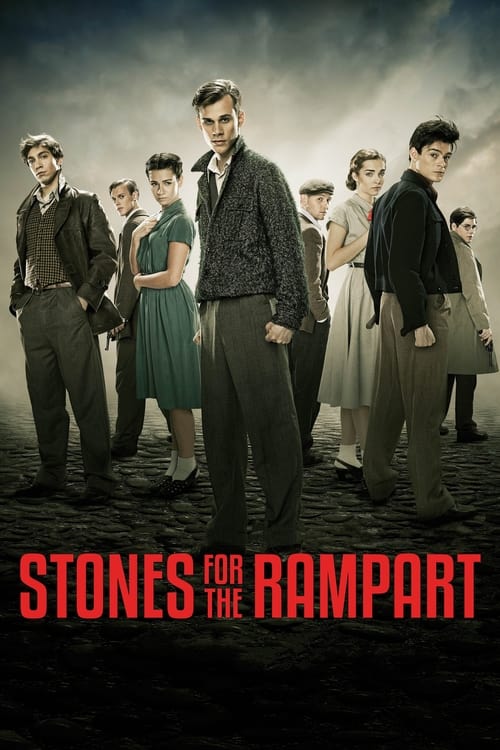
To be defeated and not be - a victory. This is the motto that life is guided by three young friends: Alek, Sophy and Rudy. Scouts, high school graduates high school in Warsaw drifting ambitious plans for the future broken through September 1939. Entering adulthood in a very dramatic times, which puts them a choice - to survive at any cost, or to join the fighting for a free homeland, risking everything. The boys brought up in patriotic homes, shaped by the ideals of scouting, they decide to fight. They become soldiers, and although every scrape with death, they can live a full life.
The film is a continuation of the 1984 film I died to live. Leopold Wójcik, faking his own death, returns to the underground. Unlike the previous part, the fate of the heroes is a fiction - a variant of events that could have taken place. The film had a sequel: Born for the Third Time (1989).
The protagonists are three women - Eve, Elizabeth and Anna. Years ago, they performed in one musical group, then their paths diverged. Eve made a career in the US, Anna also stayed with music, but did not succeed, and Elisabeth devoted herself to her family. Their reunion years later stirs up old conflicts, reminds of unfulfilled hopes and hurt feelings.
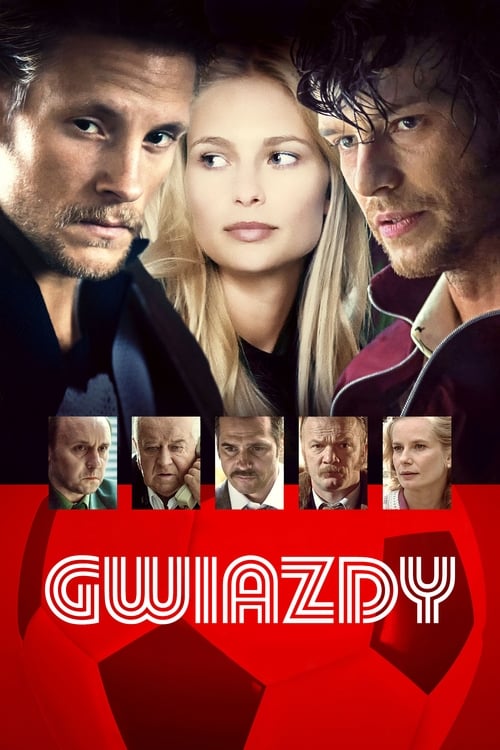
A story of passion, rivalry, love, and friendship. Jan Banas, acclaimed Silesian football player of the 1960s and 1970s, struggles to makes his dreams come true on and off the field. Stars is the story of a great love between young people torn by passion and ambition.
Handsome, wealthy neurosurgeon Philip Morawski decides to spend the weekend with a sinful young nurse, Dominica. Unfortunately, these romantic plans could upset his doctor wife, who is also staying at the same hotel on business. But for a man who works daily with a scalpel in his hand, there are no insurmountable obstacles.
A portrait of cabinet intrigues, the false aspirations of the party elite and the grinding reality of the 1960s, or "our little stability." Robert Meller and Janusz Dymek's documentary drama concerns the famous 1964 meat scandal, in which three death sentences were demanded and one was adjudicated and executed. The victim was Stanislaw Wawrzecki. Ostensibly, it was about fraud and bribes in the meat industry. In fact, it was about covering up the government's economic ineptitude, shortages of supplies and directing the people's anger at a few defendants.
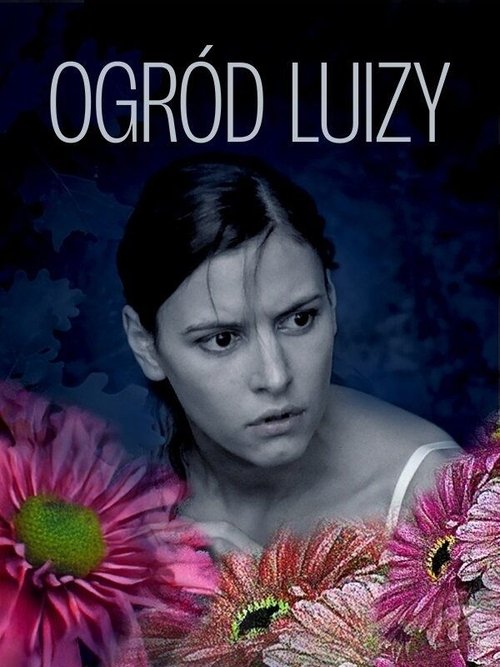
A young girl meets a gangster at a psychiatric hospital.
Warsaw 1941. Gestapo captures a Home Army soldier who knows the code needed to read the list of agents working in Reich. Tortured Wójcik asks the doctors for poison.