Colé Santana
Acting
Biography
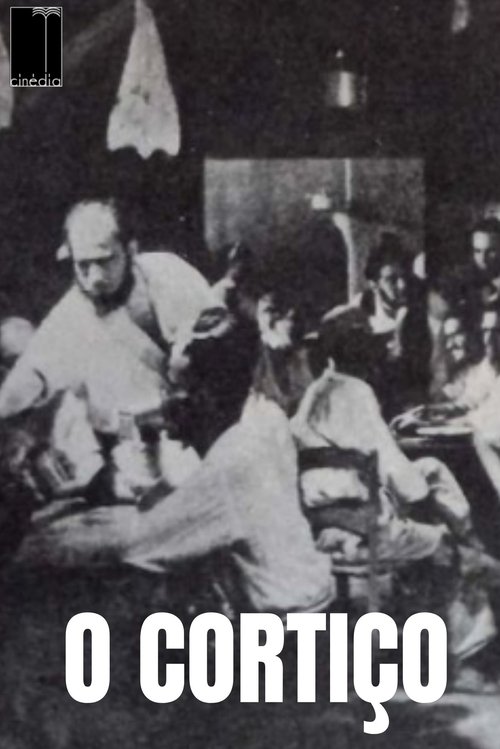
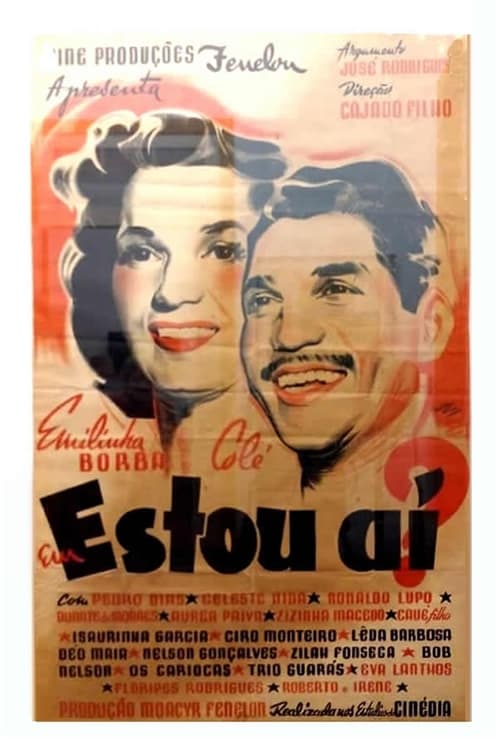
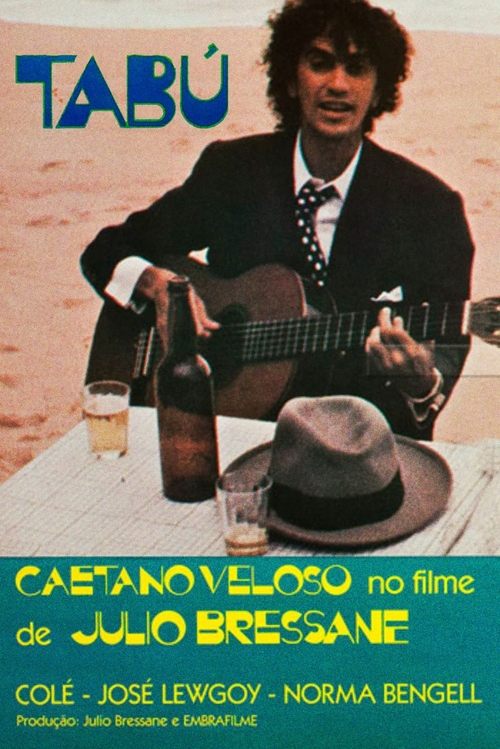
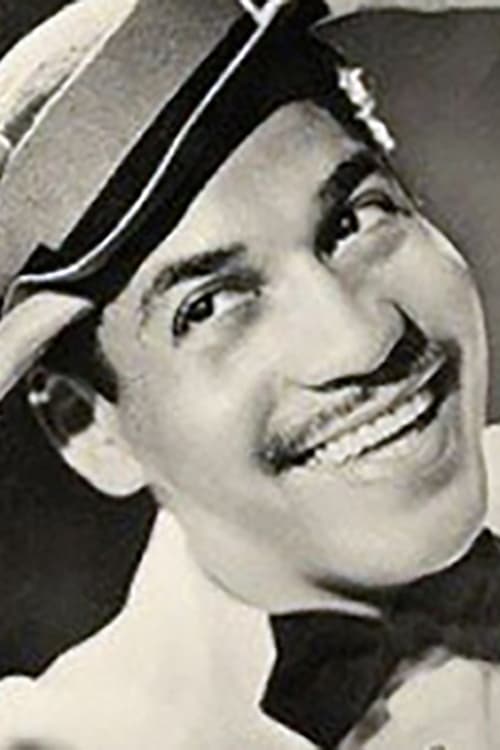
Petrônio Rosa Santana was born in Cruzeiro, SP, on December 1, 1919. He began his acting career in the circus, as the clown Picolé. Later, as Colé, he worked as a comedian in the pocket theaters in Copacabana. His performances in Jardel and Follies earned him fame and prestige. He made his film debut in 1945 in the film O Cortiço, beginning a successful film career in films such as Carnaval na Atlântida (1953), Dona Xepa (1959), Jesus Cristo eu Estou Aqui (1971), etc. He formed his own revue company and toured Brazil, alongside Renata Fronzi, in plays such as Adorei Milhões. From the 1960s onwards, he participated in comedy shows on television, such as the programs Balança mas não Cai (1968), Os Trapalhões and Escolinha do Professor Raimundo (1990), on TV Globo. In 1993, he participated in the miniseries Agosto. He is the uncle of comedian Dedé Santana. On the show Os Trapalhões, he always appeared as the drunk supporting actor. In the cinema, the actor surprised everyone with racy scenes in the film Tabu. He was married to practically all the starlets he starred with, including Nelia de Paula. He died on August 29, 2000, in Rio de Janeiro, at the age of 80.
Known For

Os Trapalhões was a Brazilian comedy group and also a Brazilian television series created by Wilton Franco. Its members were Dedé Santana, Zacarias, Mussum and their leader Didi Mocó, that was played by Renato Aragão. The name Trapalhões is derived from the Portuguese verb atrapalhar, which means the opposite of helping, to do something the wrong way or to Those that confuse. The name is translated "Tramps" in English DVD subtitles. It was aired by Rede Globo from 1977 to 1999. On March 18, 1990, Zacarias died due to respiratory failure, but the group and the series didn't come to an end until July 29, 1994, when Mussum died due to an unsuccessful heart transplant.
The Trapalhões

No description available.
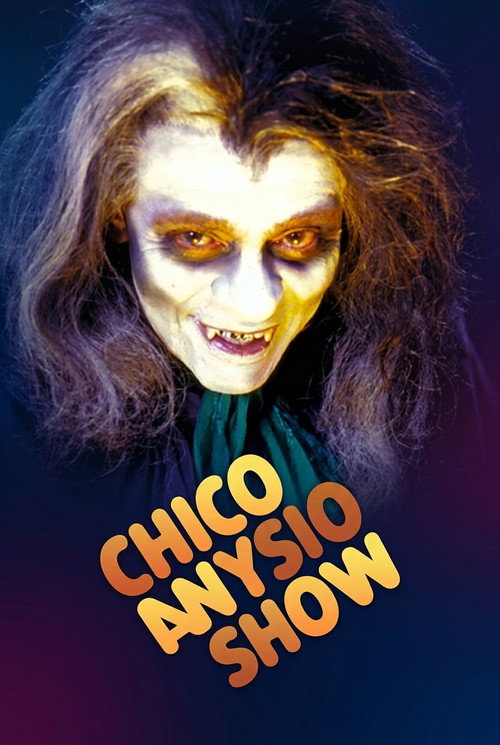
Chico Anysio Show

No description available.
Balança Mas Não Cai

Movie producer Cecílio B. de Milho is intent on filming an epic about Helen of Troy, while some of the crew would rather turn it into a musical comedy.
Carnaval Atlântida

The fictional encounter in Rio de Janeiro, Brazil (in the 30s) between popular songwriter Lamartine Babo and inconoclast poet and playwright Oswald de Andrade.
Tabu

A religious comedy in 5 segments, illustrating maniqueism on Earth, as shown by movies. God and his son Jesus disagree on how to manage human life on Earth.
Assim na Tela Como no Céu

A mad scientist attempts to bring an ancient Egyptian mummy back to life.
The Secret of the Mummy

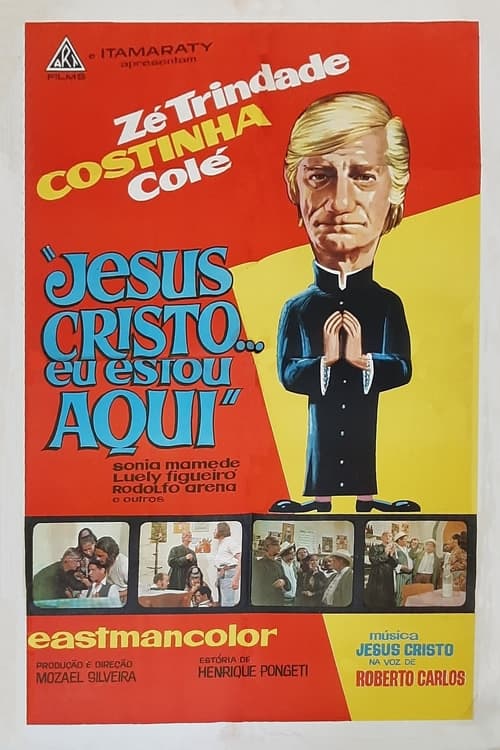
Low-budget comedy of errors about false miracles, Catholic priests, greedy politicians and a prostitute in a small Brazilian town, with popular Brazilian comedy stars of the time.
Jesus Cristo, Eu Estou Aqui

Two stories chronicle the days of the bohemian, libertine youth of 1960s Rio de Janeiro.
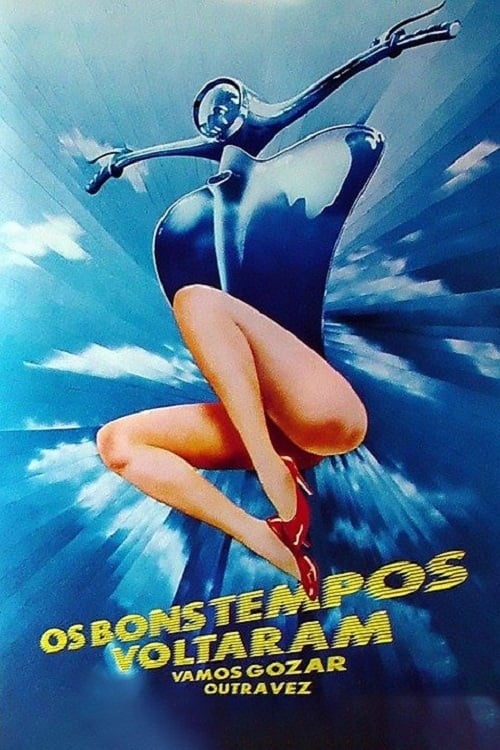
The Good Times Are Here: Let It All Hang Out

For this behemoth, Bressane took his opera omnia and edited it in an order that first adheres to historical chronology but soon starts to move backwards and forward. The various pasts – the 60s, the 80s, the 2000s – comment on each other in a way that sheds light on Bressane’s themes and obsessions, which become increasingly apparent and finally, a whole idea of cinema reveals itself to the curious and patient viewer. Will Bressane, from now on, rework The Long Voyage of the Yellow Bus when he makes another film? Is this his latest beginning? Why not, for the eternally young master maverick seems to embark on a maiden voyage with each and every new film!
The Long Voyage of the Yellow Bus

A caboclo's soul wanders through purgatory (or hell), visiting many places until he boards a ship whose destination is unknown.
O Gigante da América

A clumsy detective and his secretary are hired to solve the mysterious, vampiresque deaths happening at a nightclub show.
The Seven Vampires

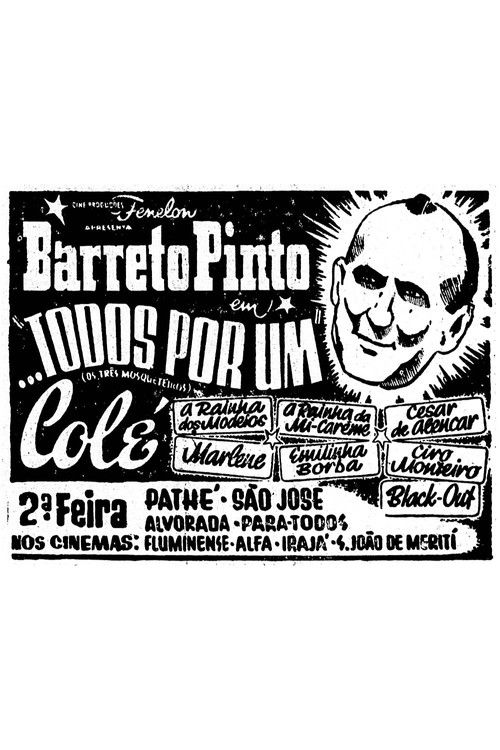
A parody of the story The Three Musketeers.
Todos Por Um

No description available.
Malandros em Quarta Dimensão

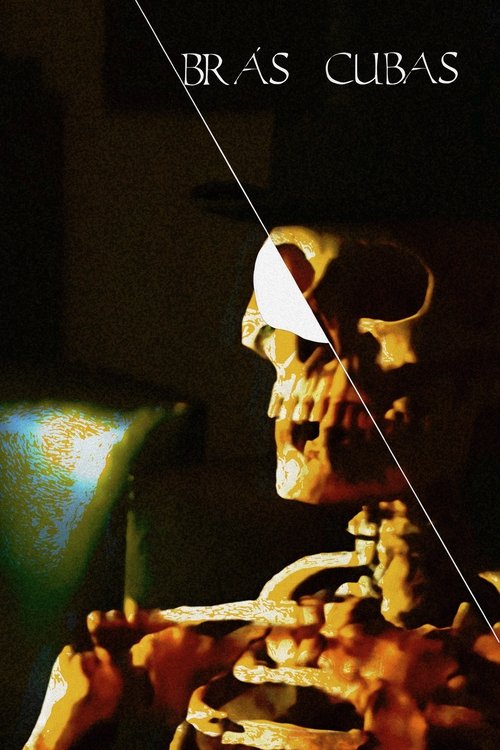
Irreverent adaptation of great writer Machado de Assis's masterpiece "Memórias Póstumas de Brás Cubas" ("Brás Cubas's Posthumous Memories"). A dead man tells about his love life and adventures, specially his affair with Virgília, a dubious married woman.
Brás Cubas

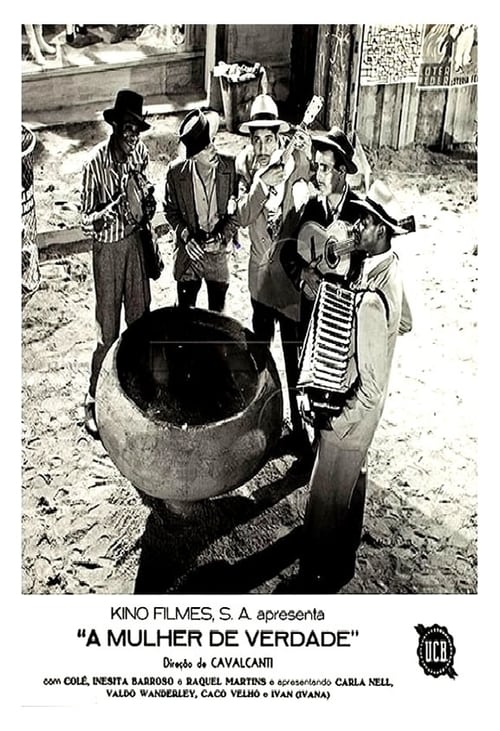
A nurse falls in love with her patient and secretly marries him. When treating another patient, he falls in love with her and, pretending to be in agony, asks for one last wish: to marry him, and she accepts.
A Real Woman

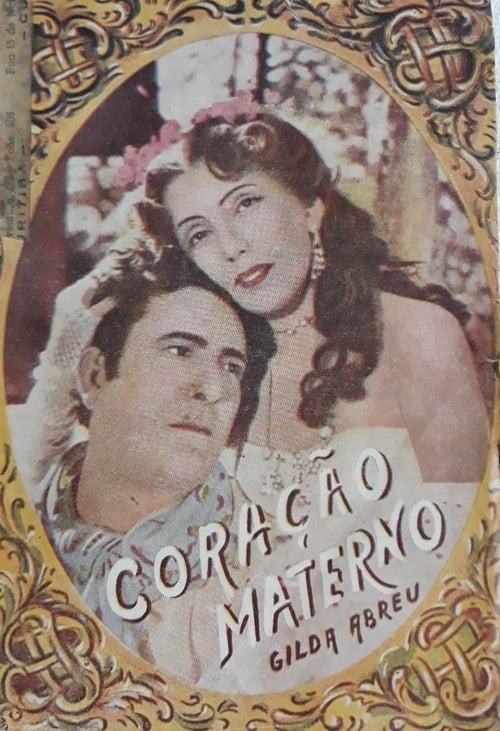
As a baby, Carlos was abandoned in the church at the feet of Holy Mary, raised by the priest, and consecrated to her. As a child, he falls in love with the daughter of the Commander, the local landowner, who is already promised to the son of a ruined count.
Coração Materno

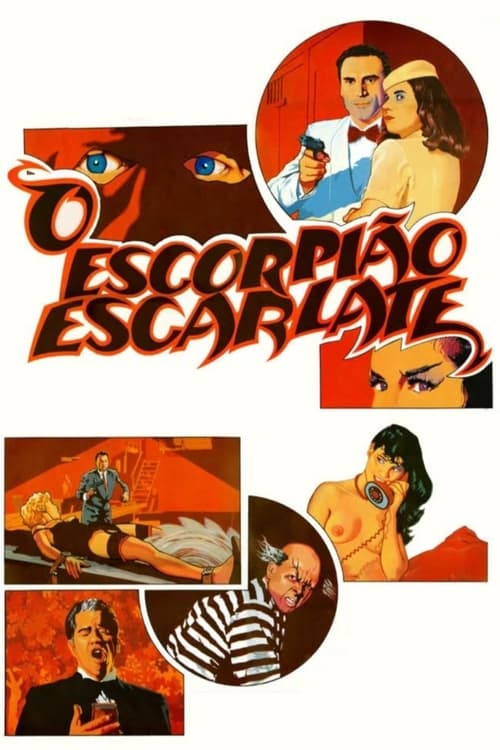
Anjo, a millionaire playboy who moonlights as a crime fighter, leaps into action when his arch-nemesis, the Scarlet Scorpion, kidnaps a beautiful fashion designer.
The Scarlet Scorpion

No description available.
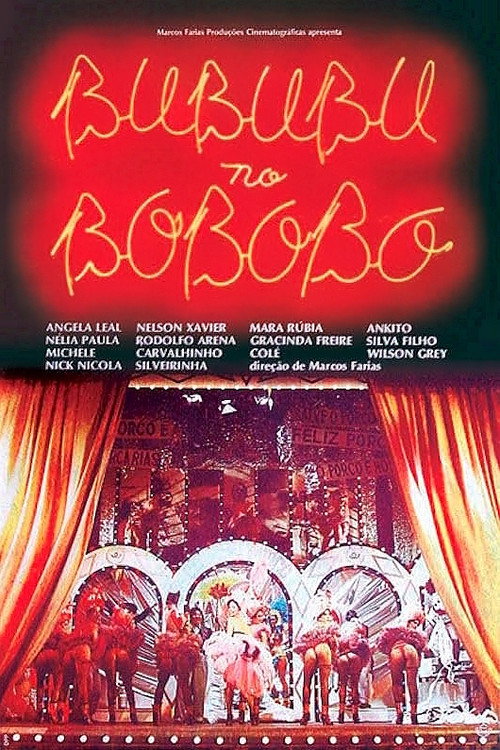
Bububu no Bobobó

No description available.