Acting
A group of sinners involved in interconnected tales of murder, revenge, deceit and adultery all meet at the Gates of Hell.
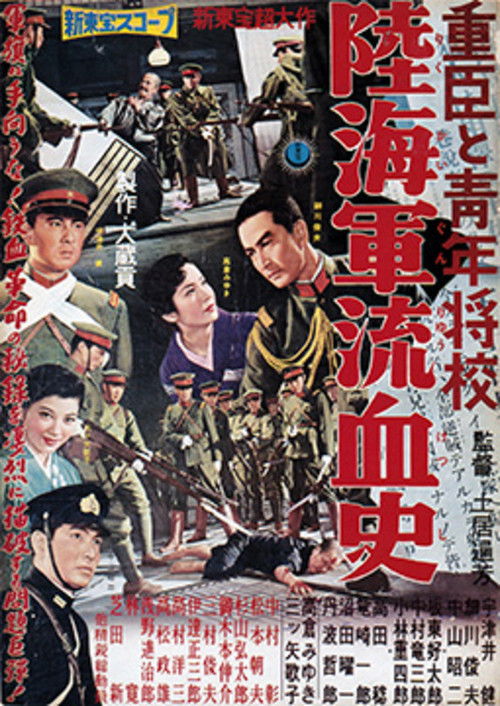
A historical film that portrays the fervent and violent actions of young Army and Navy officers, such as the February 26 and May 15 incidents, in a semi-documentary style.
A spectacular comedy with a star-studded cast that depicts unusual trials and unexpected verdicts regarding the five deadly sins: the crime of beauty, the crime of a terrifying wife, the crime of taking the wrong course, the crime of seducing, and the crime of killing with laughter.
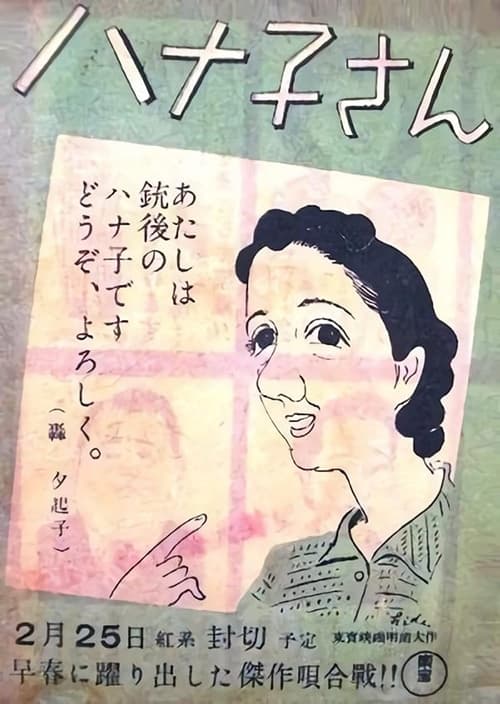
Hanakosan (1943, TOHO, MAKINO Masahiro), a thoroughly light and joyful musical comedy, influenced by Busby Berkeley films, against the national policy under the wartime, was made into a film from comic serials by SUGIURA Yukio published in a magazine.
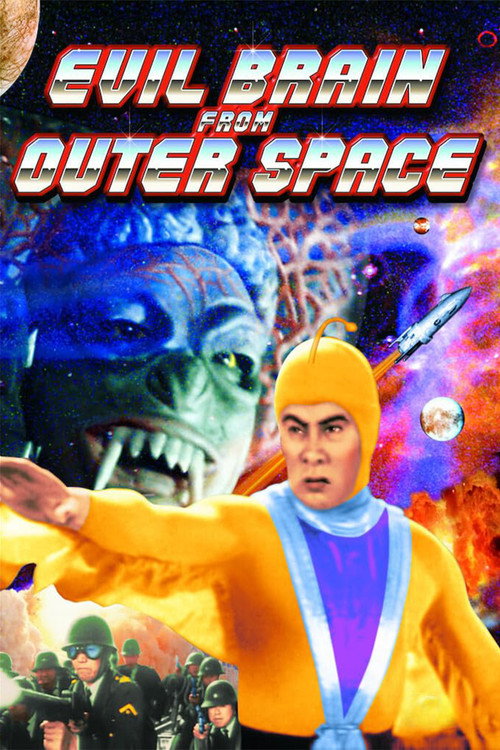
An evil brain from outer space unleashes monsters with deadly diseases on Earth with trying to conquer the universe. Superhero Starman must battle them all to save his planet.
No description available.
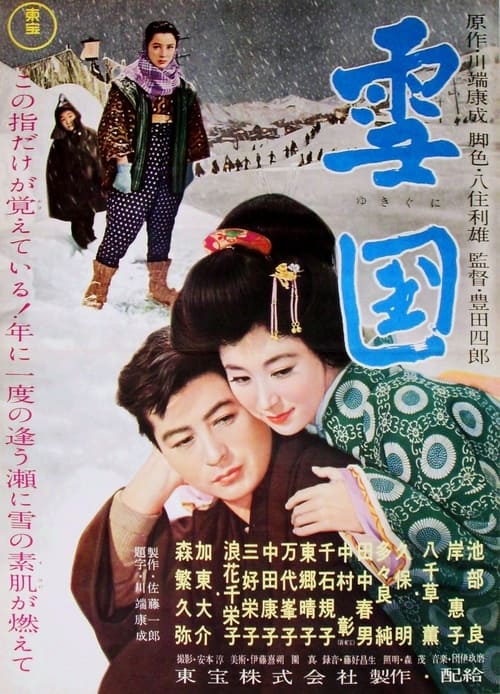
It's a man's world. Shimamura, an artist, comes to this snowbound town to rejuvenate himself. He connects with Komako, a geisha he met on a previous trip, and it seems like love. She's the foster daughter of a local family, almost engaged to the family's son Yukio, now dying of consumption. He's tended by his sister Yuko who's angry at Komako for abandoning her brother. Shimamura returns to Tokyo but promises he will be back soon. In anticipation of his return, Komako breaks with her patron and her family loses their home. Complications arise when Shimamura doesn't come back as promised. Then Komako discovers that he and Yuko knew each other in Tokyo. Can Komako escape destiny?
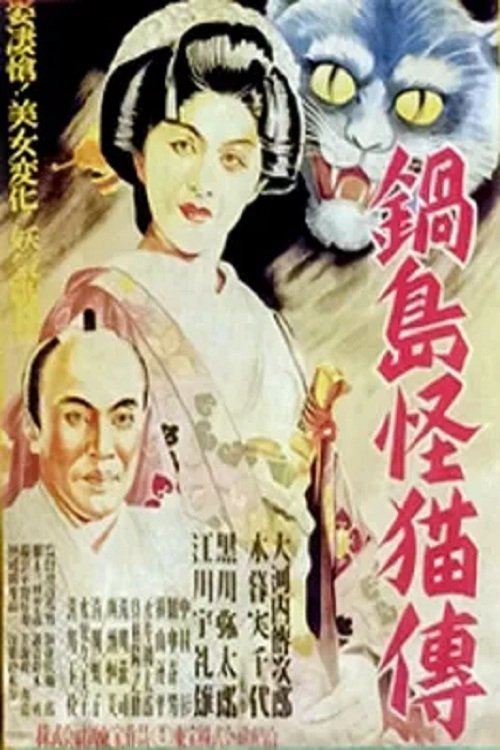
Tanuma Kandayuu is a high class samurai of the house of Nabeshima. He finds a lavish board of Go (a Chinese Board game) at Kinbei's store. He recommend Kinbei to offer it to his lord. Kinbei hesitates at first, since he knows the board has a mysterious legend surrounding it; it's believed that for every game played on the board, one death is required.
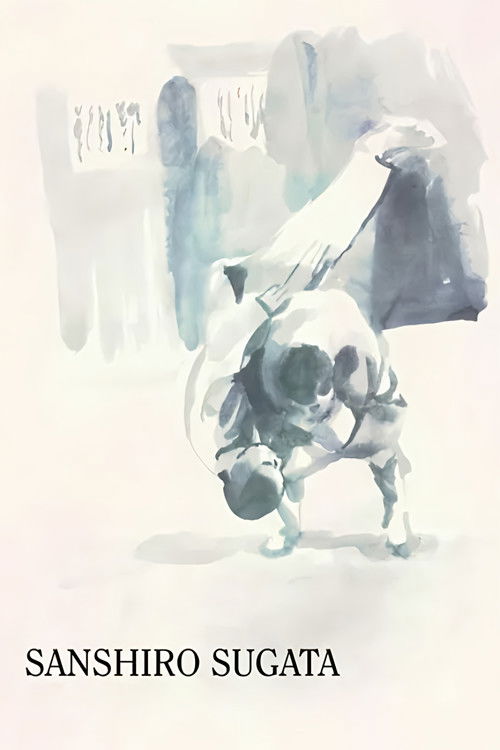
A hotheaded youth in 1880s Meiji Japan apprentices to judo master Shōgorō Yano, trading brute jujutsu bravado for discipline and humility. As Sanshirō matures, he proves judo’s spirit against old-guard challengers—including a deadly duel—while falling for his vanquished opponent’s daughter. Based on the novel by Tsuneo Tomita, son of Tomita Tsunejirō, the earliest disciple of judo.
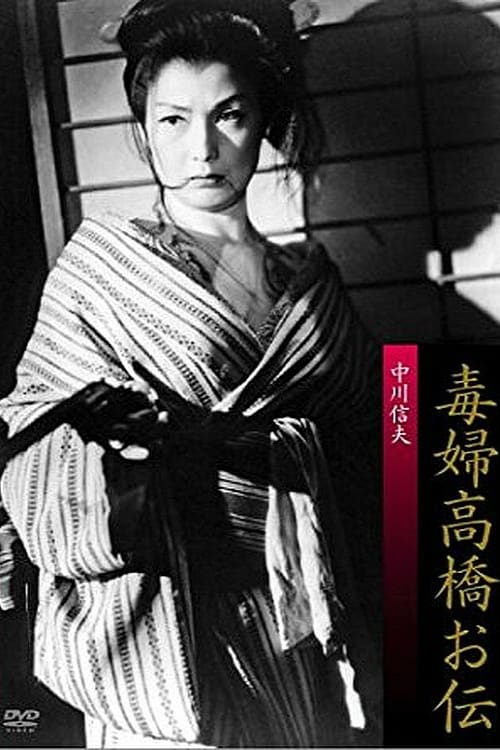
In 1870's Tokyo, Den steals to support the daughter of her first marriage and her consumptive second husband. She falls in love with a young policeman, but is coerced into becoming the mistress of and procurer for a vice boss.
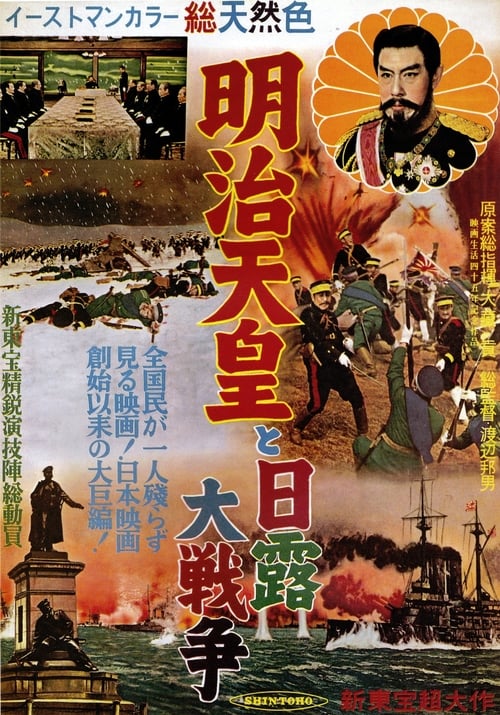
Meiji Tenno portrays the buildup to the Russo-Japan War. In addition to showing the political events that led to war, it also shows the era from the story of a farm family in rural Japan that sends their son off to war. As such, it could be considered an anti-war movie, showing how, while war is devised by governments, the people do not really understand what war is, and its combatants often do not know what they are fighting for.
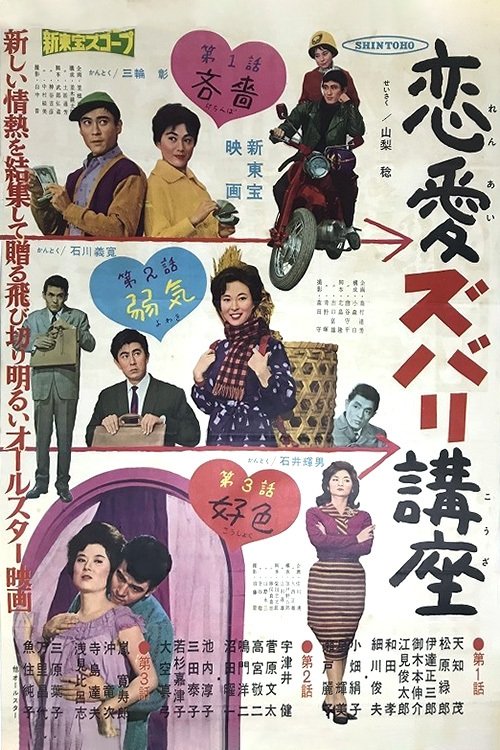
A omnibus movie consisting of the three parts: "Kechinbo", "Yowak" and "Kōshoku".
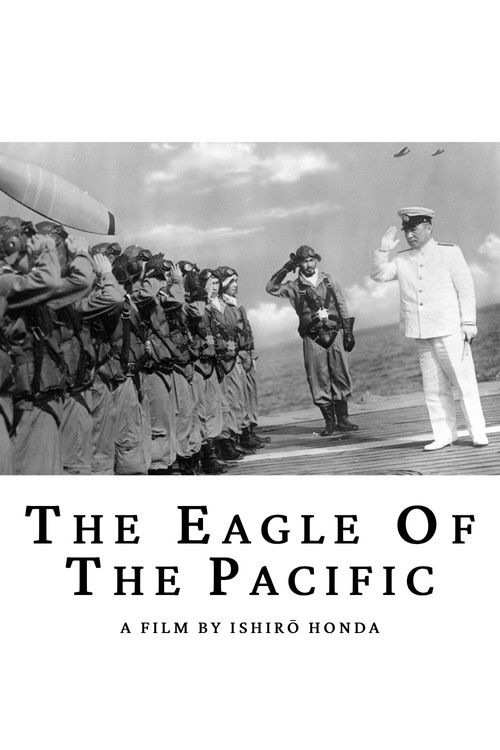
Admiral Isoroku Yamamoto, a brilliant tactician, is a loyal subject of the emperor, despite his grave misgivings about leading Japan's navy into war with the United States. He opposes the attack on Pearl Harbor, but, overruled, he leads his forces to the best of his ability.
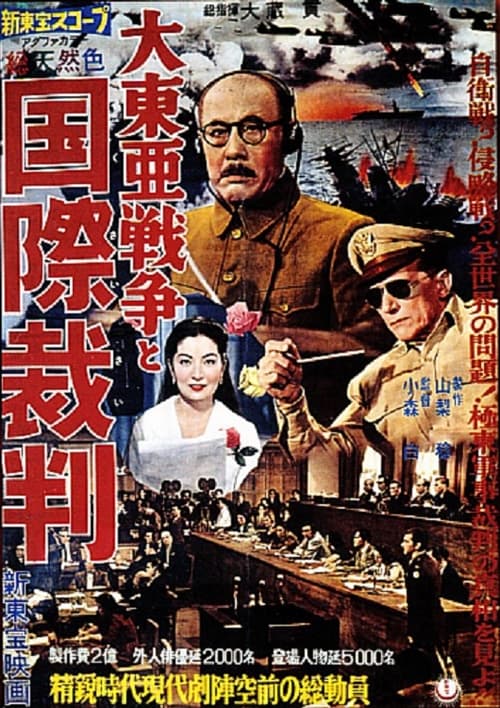
In 1941, overpopulated Japan faces an economic boycott and its armed forces push further to the south. And despite negotiations between Japan and the U. S. A. war is declared with the attack on Pearl Harbour. Victories follow for Japan on land and sea and her forces push forward to the borders of India. But gradually the tide turns in favour of the Allies and after the atom bombings of Hiroshima and Nagasaki, Japan is compelled to accept the Potsdam Declaration and by the order of the Emperor agrees to unconditional surrender. Under the supervision of the occupation forces the International Military Tribunal opens in Tokyo to try the Japanese war leaders. Established in the cause of justice, and to prevent future aggressive wars the trials drag on for two and a half years. And on December 23, 1948, General Tojo and six other war leaders mount the thirteen steps to the gallows at Tokyo's Sugamo prison.
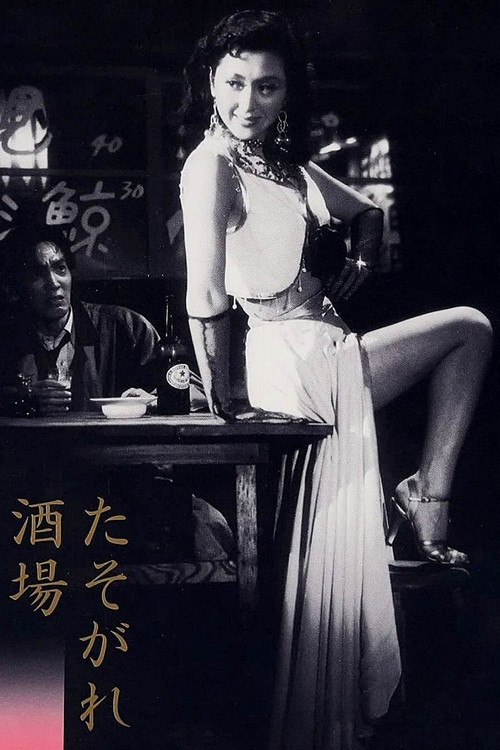
Inside a bustling postwar Tokyo beer hall, a diverse group of patrons, performers, and workers spend a single evening navigating their personal frustrations and social anxieties. A disillusioned professor, a struggling artist, and various laborers find their lives intersecting through chance encounters and heated arguments fueled by drink.
Two lovers lost in the mountains. In what direction do not go, they find themselves in a mysterious forest pond, as if some kind of force does not want to let them go. Once upon a time, over a century ago, there had been a crime, whose shadow still hovers over these places.
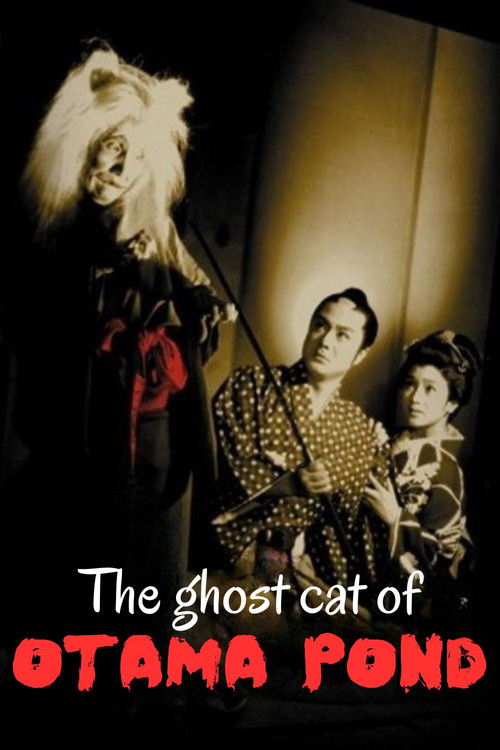
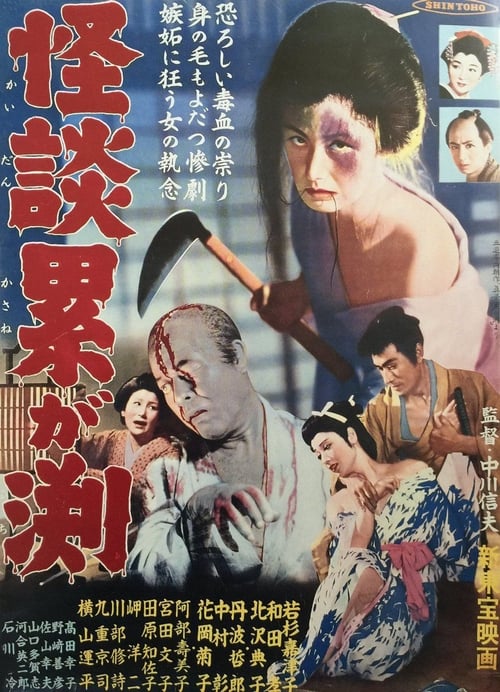
A blind masseur visits a samurai to request the return of a loan. The samurai kills him in anger, then has his servant dump the body in the Kasane swamp. However, the ghost of the masseur returns to haunt the samurai, who kills his wife by mistake and then goes to the swamp and drowns himself. 20 years later, the masseur's daughter unknowingly falls in love with the samurai's son who has been brought up to be a servant. After she is horribly disfigured in an accident, he plots to run away with another woman, but the path of their escape lies by the Kasane swamp...
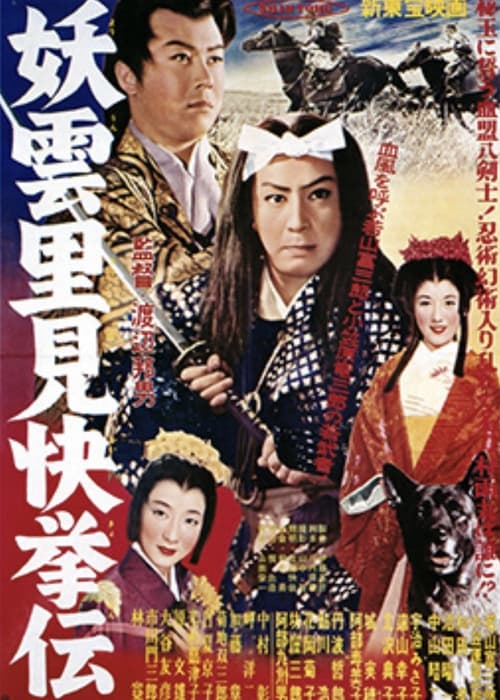
In the first year of Chōroku, Satomi Yoshimi, lord of Takita Castle in Awa, faces defeat by neighboring lord Anzai Kagesuren. As the castle nears collapse, Anzai demands a seed from Yoshimi’s lineage, specifically from his wife, Fushihime. Outraged but facing annihilation, Yoshimi gives Fushihime a string of eight ancestral beads and urges her to escape to loyal retainer Inuda Kobungo. Instead, she goes alone to Anzai, followed by her dog, Hachibo. In a twist, Hachibo attacks and kills Anzai, allowing Fushihime to escape. She later reveals that the beads protected her and predicts that eight warriors bearing these beads will someday defend the Satomi family before passing away. Yoshimi finds one of the beads in Inuzuka Nobuno’s armor and convinces her to serve him. Meanwhile, Baka Daiki, plotting to overthrow Satomi, imprisons Inukawa Shosuke, who tries to intervene, under the watch of vassal Aminen Saomojiro.
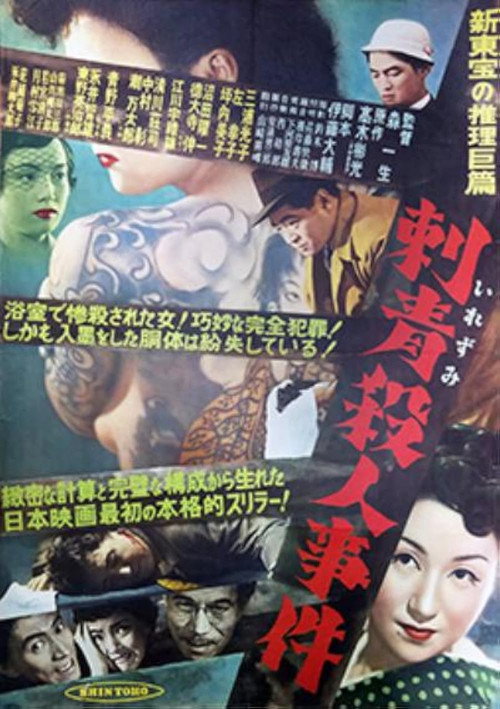
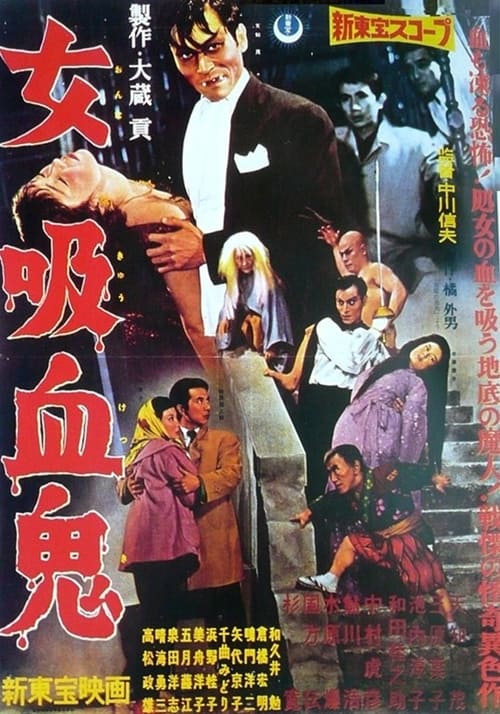
Tamio takes Itsuko to an art gallery and the two find one painting is a nude portrait of Itsuko's mother, who disappeared twenty years ago when she was just a baby. No one knows the first thing about the artist who painted it, but he goes by the name Shiro Sofue, and he's always wearing shades in the daytime...