Acting
Ichirō Ryūzaki (1912-1988) was a Japanese actor.
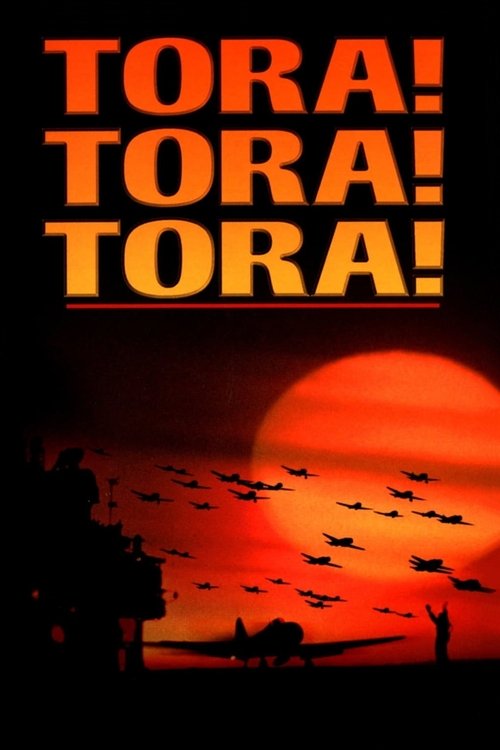
In the summer of 1941, the United States and Japan seem on the brink of war after constant embargos and failed diplomacy come to no end. "Tora! Tora! Tora!", named after the code words used by the lead Japanese pilot to indicate they had surprised the Americans, covers the days leading up to the attack on Pearl Harbor, which plunged America into the Second World War.
A television serial that was in turn adapted from a radio series and a novel, My Daughter And I featured a Japanese novelist who is married to a French woman who have one daughter. The man and his daughter begin a new life when the woman dies. Having difficulty spending time with his daughter, the man sends his daughter to a Christian boarding school. He remarries and brings his daughter back home. After the end of the World War his lot improves professionally, yet his second wife dies.
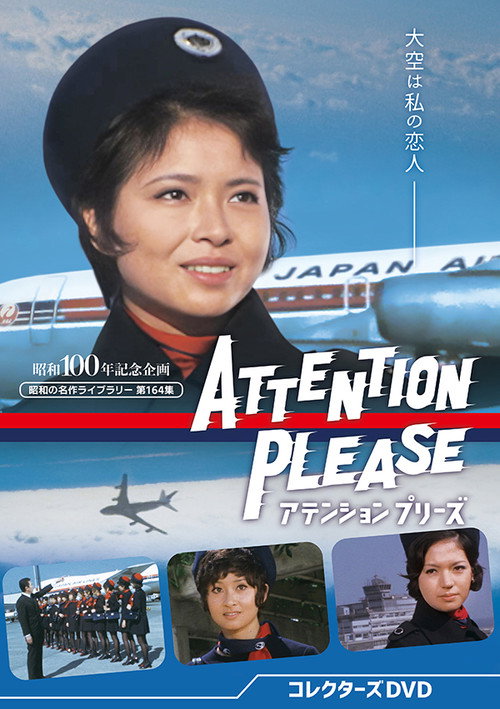
First Japanese TV drama about flight attendants.
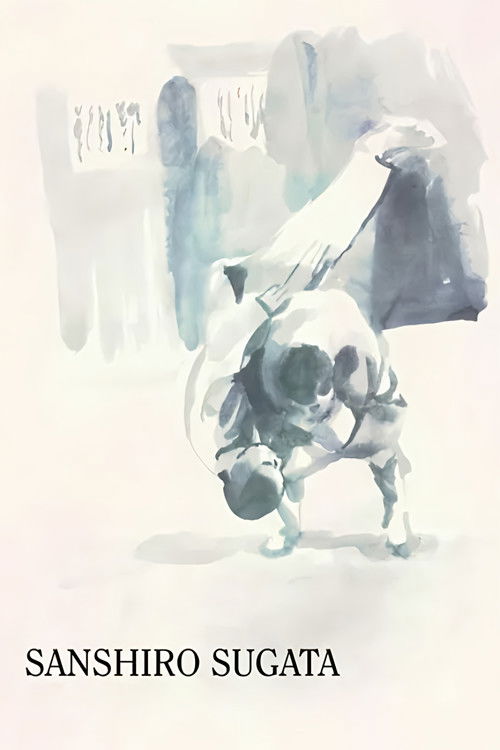
A hotheaded youth in 1880s Meiji Japan apprentices to judo master Shōgorō Yano, trading brute jujutsu bravado for discipline and humility. As Sanshirō matures, he proves judo’s spirit against old-guard challengers—including a deadly duel—while falling for his vanquished opponent’s daughter. Based on the novel by Tsuneo Tomita, son of Tomita Tsunejirō, the earliest disciple of judo.
A romance with political overtones about the relationship of a sheltered bourgeois woman and a doctor who devotes himself to caring for the poor. Over a ten-year period - from 1936 through the war - they find each other and are separated again by the events of those tumultuous days.
No description available.
Teacher Yukiko finds herself in opposition to conservative faculty and villagers after defending a student for being in a relationship with a young man from Tokyo.
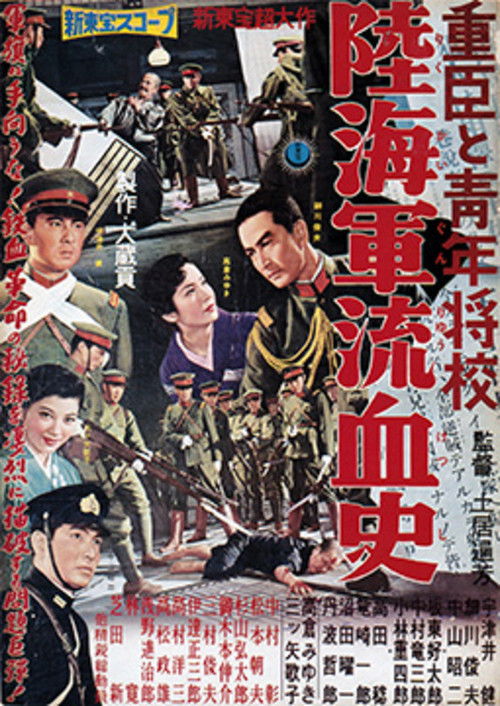
A historical film that portrays the fervent and violent actions of young Army and Navy officers, such as the February 26 and May 15 incidents, in a semi-documentary style.
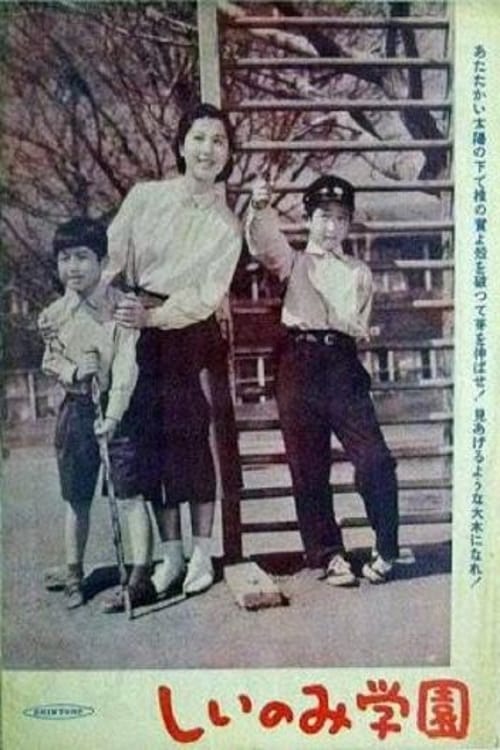
A university professor and his wife have two sons with infantile paralysis. Through trial and error, they struggle to open a school for disabled children at their own expense. Based on a true story, it features natural child performances under Hiroshi Shimizu’s skillful direction.
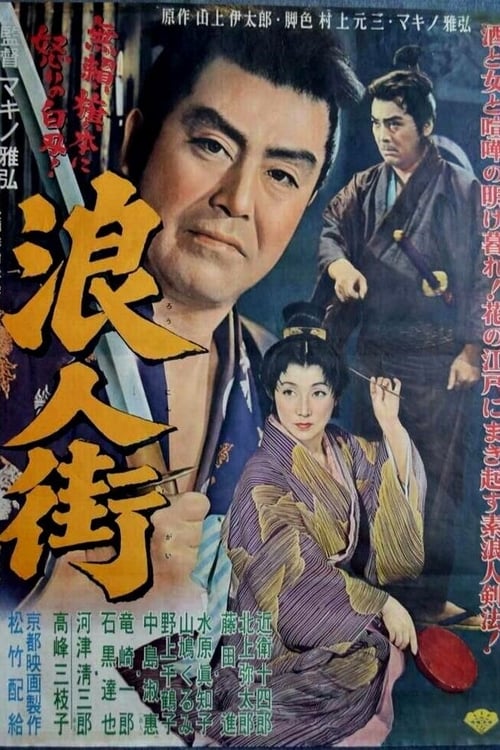
Based on the famous novel by Yamagami Itaro, this is the story of a group of ronin living in abject poverty in the latter days of the Edo period. Starring the great Konoe Jushiro, Ronin Gai is populated by an ensemble of colorful characters, social outcasts who patronize a restaurant and bar on the outskirts of Edo. Among them are masterless samurai reduced to drunkenness and debauchery. One disgraced and disillusioned former warrior gets a chance at redemption when he is hired to retrieve a famous knife from a corrupt lord. This is the third version directed by Makino Masahiro and is considered a true classic.
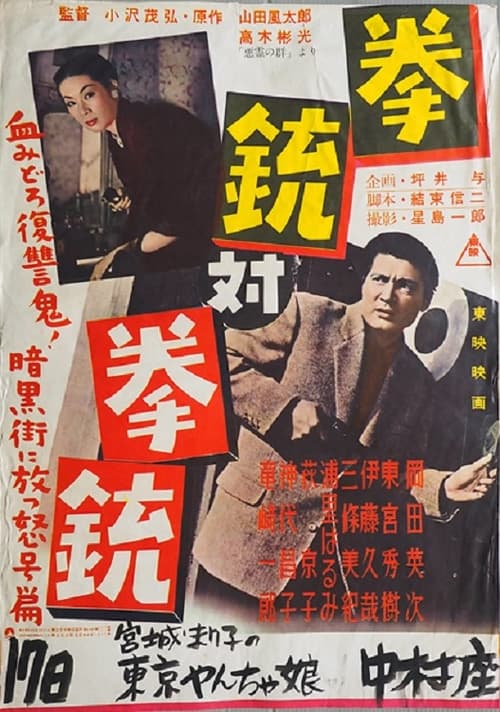
The orphaned son of a count who was assassinated by his subordinates in a conspiracy during the Pacific War becomes obsessed with taking revenge on his late father's enemies.
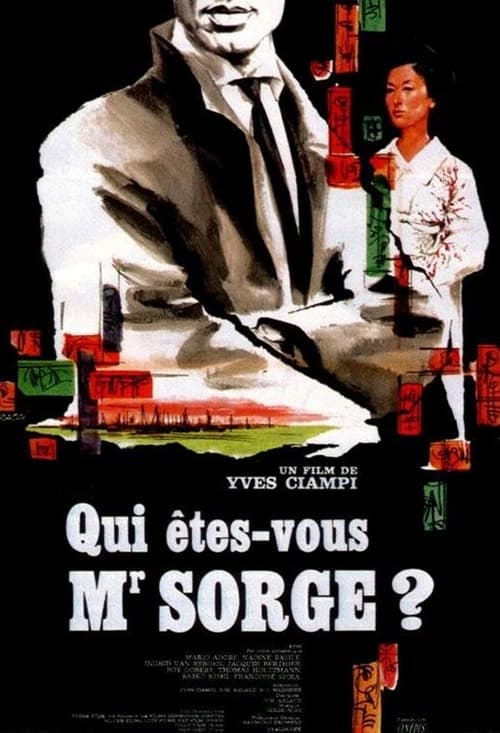
French docu-drama which chronicles the chain of events that lead to the hanging of German-journalist Richard Sorge, who was executed in 1944 after he was found supplying classified information to the Russians.
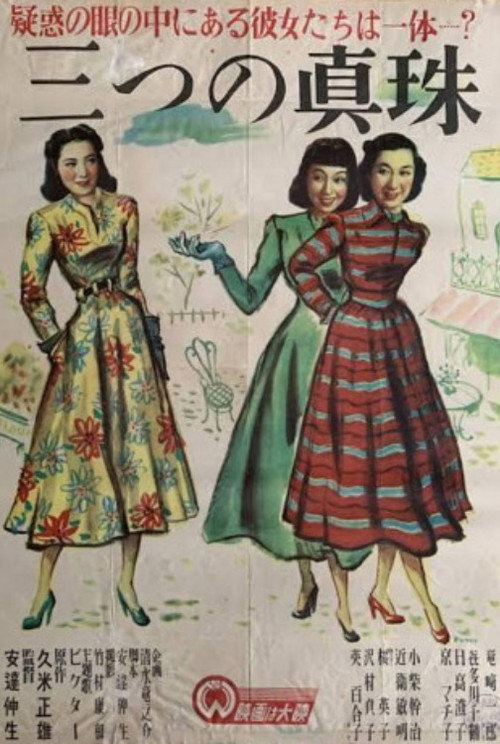
Expressing the distinct personalities of the three daughters.
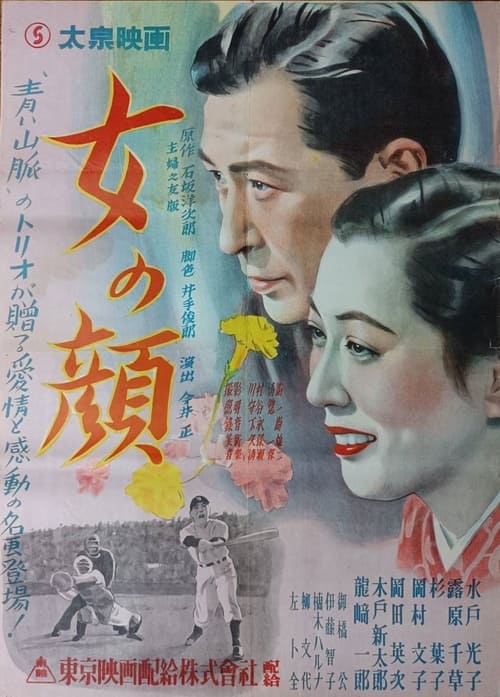
1949 drama film
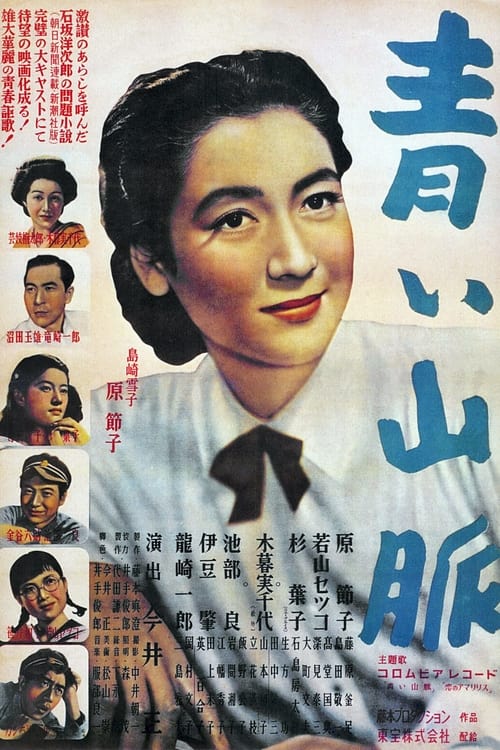
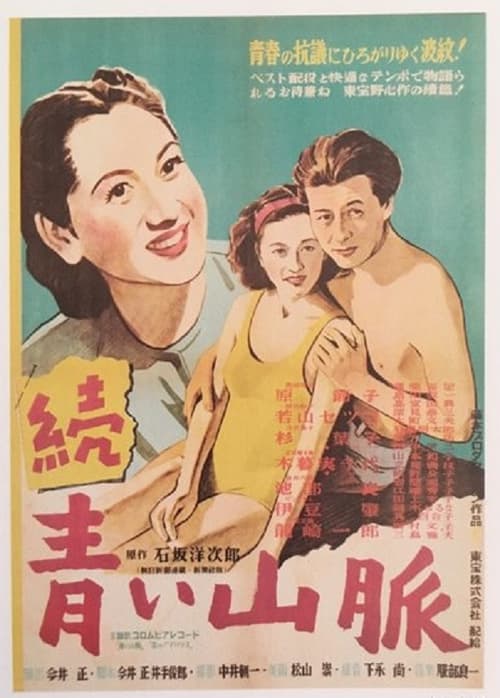
Continuation of The Blue Mountains: Part I. Released a week later.
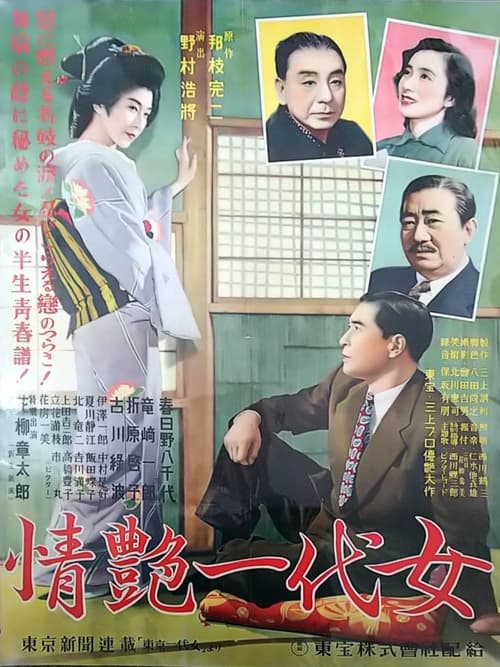
Based on the serialized story "東京一代女" which appeared in Tokyo Shinbun. A geisha known for her dancing begins training with the Onnagata Kikugoro VI as a dancer. She leaves her geisha life to pursue this new path, but falls in love with a naval officer who is the younger brother of Kikugoro and who saves her from a stalker monk. Kikugoro hears of this and becomes enraged. The naval officer dies in the Second Sino-Japanese War, causing the lead to go back home to her mother where she meets, and falls in love with, a poet who resembles her now-deceased fiancé. This poet leaves her in order to force her to dedicate her entire life to dancing, which he sees as her true pursuit.
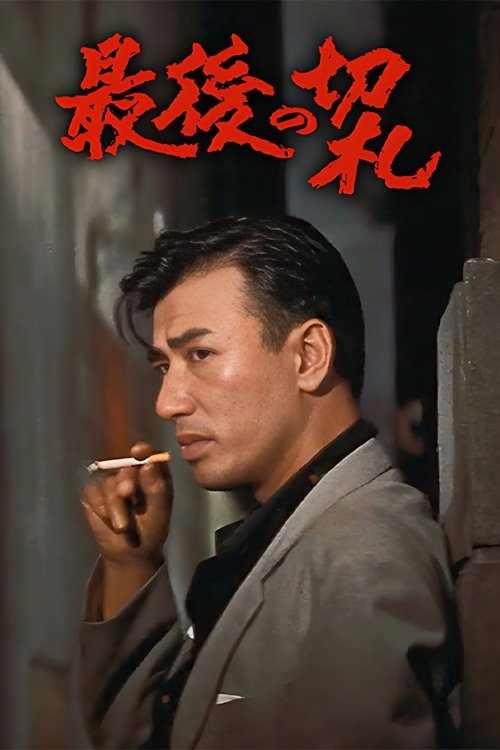
The actions and downfall of a man who lives a life of cold calculation, adapted from a Hideo Shirasaki novel.
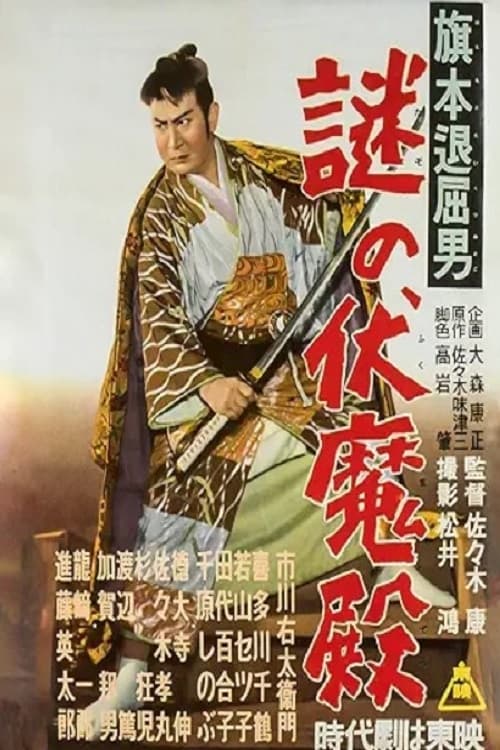
In Kyoto, a samurai named Boredom Otoko, Saotome Mondonosuke , appears and helps a woman being chased by a spy named Genshichi. Unfortunately, the woman is shot and killed. Later, Genshichi explains that the woman was a member of a band of thieves, and because she was let go once, the police officer, Genjuro Mazaki, was demoted to a desk job. Consumed by guilt, Boredom Otoko...
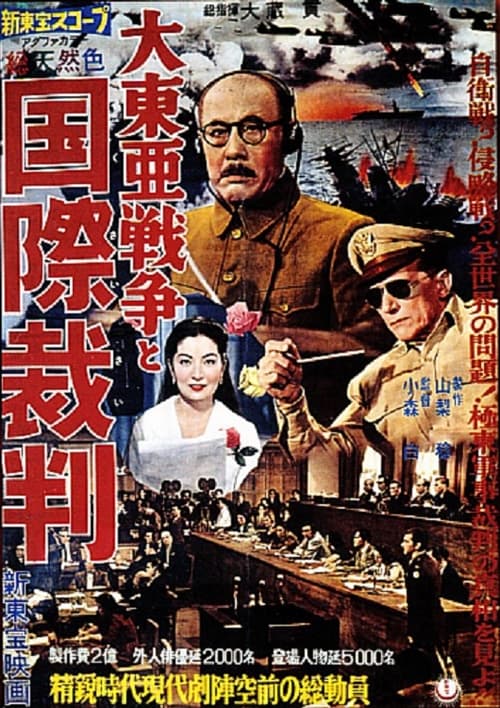
In 1941, overpopulated Japan faces an economic boycott and its armed forces push further to the south. And despite negotiations between Japan and the U. S. A. war is declared with the attack on Pearl Harbour. Victories follow for Japan on land and sea and her forces push forward to the borders of India. But gradually the tide turns in favour of the Allies and after the atom bombings of Hiroshima and Nagasaki, Japan is compelled to accept the Potsdam Declaration and by the order of the Emperor agrees to unconditional surrender. Under the supervision of the occupation forces the International Military Tribunal opens in Tokyo to try the Japanese war leaders. Established in the cause of justice, and to prevent future aggressive wars the trials drag on for two and a half years. And on December 23, 1948, General Tojo and six other war leaders mount the thirteen steps to the gallows at Tokyo's Sugamo prison.
1961 Japanese film about the Shinsengumi.