Acting
A theater troupe master's visit with his old flame unintentionally sets off a chain of unexpected events with devastating consequences.
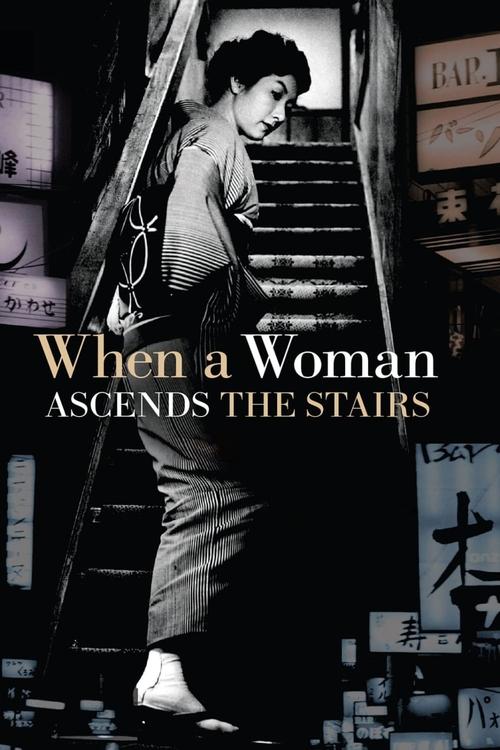
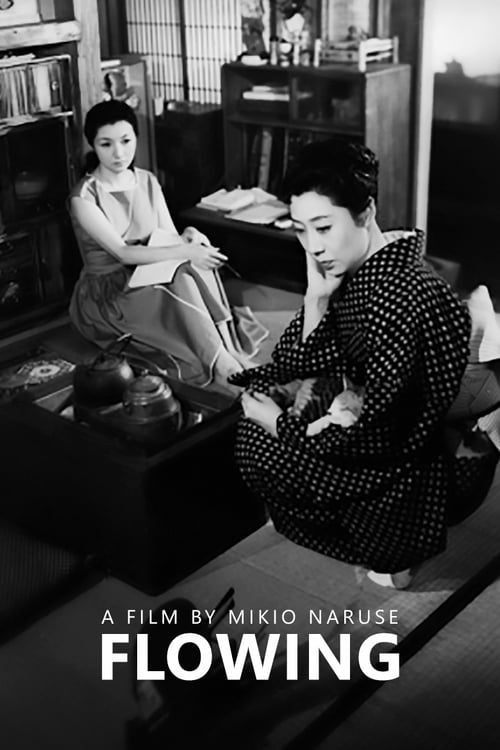
Keiko, whom everyone calls Mama, narrates her story: she's a hostess on the Ginza, 30, a widow. She describes life's vicious cycle: acting cheerful around drunks, dressing and living well to convey confidence, needing money for these expenses and for her demanding mother and brother, and knowing she's growing older.
In this loose adaptation of "Hamlet," illegitimate son Kôichi Nishi climbs to a high position within a Japanese corporation and marries the crippled daughter of company vice president Iwabuchi. At the reception, the wedding cake is a replica of their corporate headquarters, but an aspect of the design reminds the party of the hushed-up death of Nishi's father. It is then that Nishi unleashes his plan to avenge his father's death.
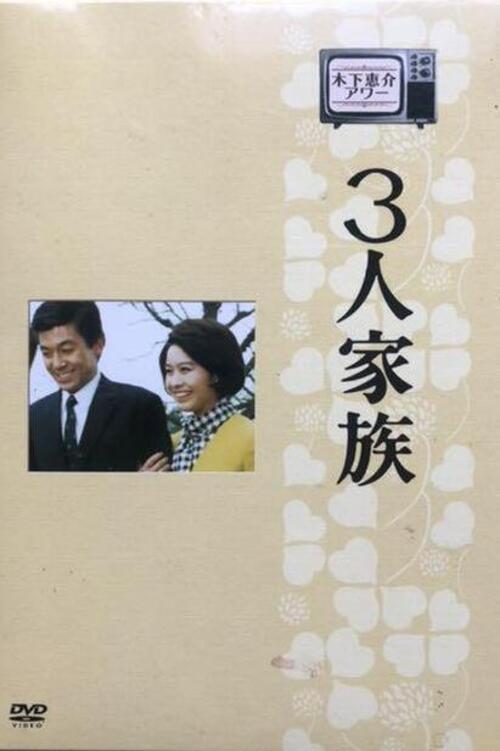
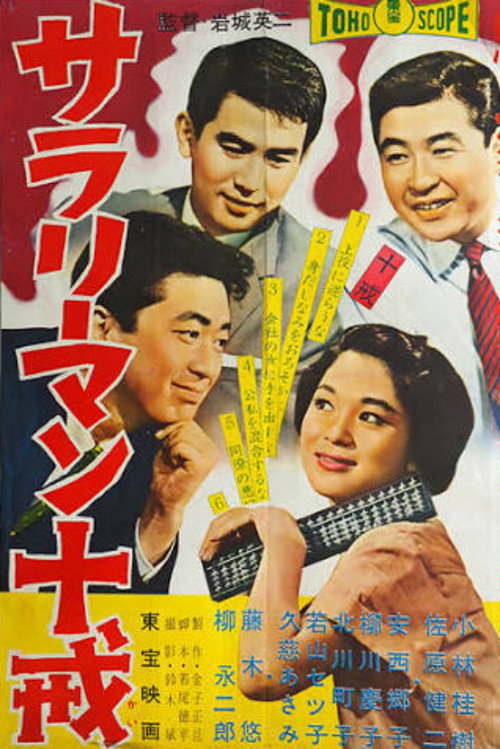
The drama features two families, the all-male Shibata family and the all-female Inaba family, and depicts the interactions between the two families with many amusing and heartwarming episodes.
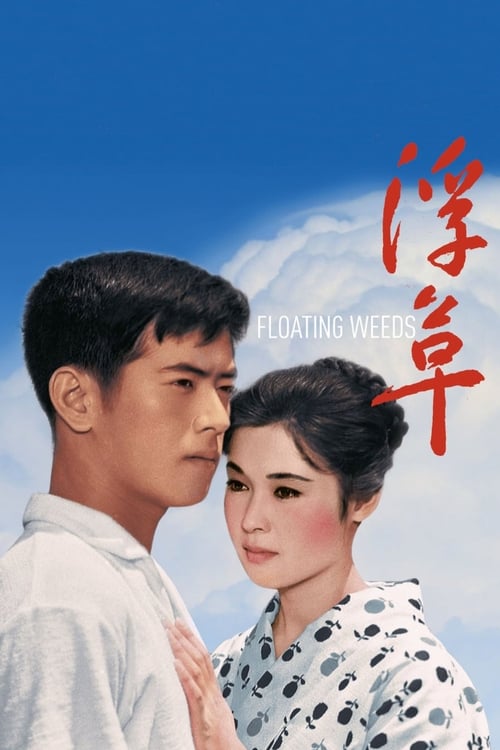
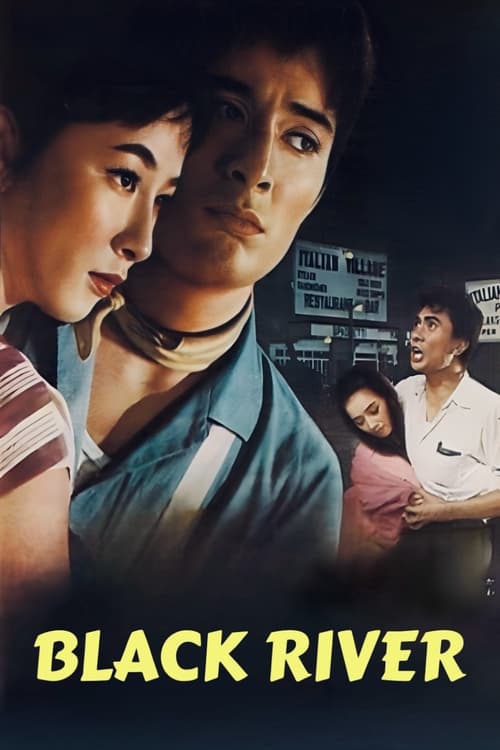
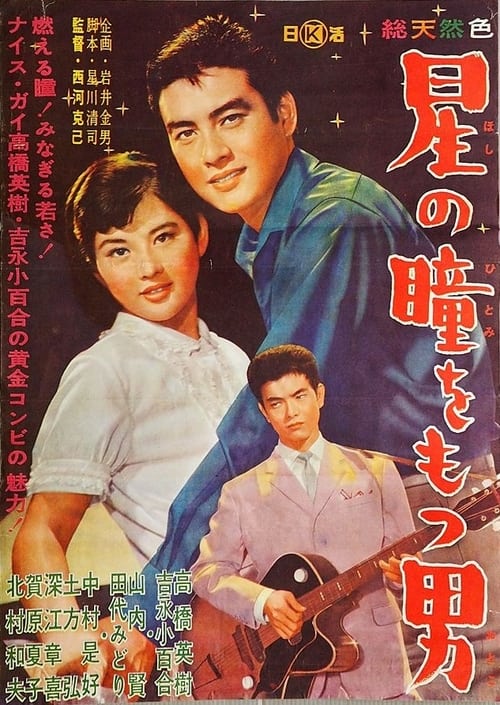
A love triangle develops between a benevolent student, his innocent girlfriend, and a cruel petty criminal, all as a point of diagnosis of a social disease that had Japan slowly succumbing to lawlessness during the post-War era.
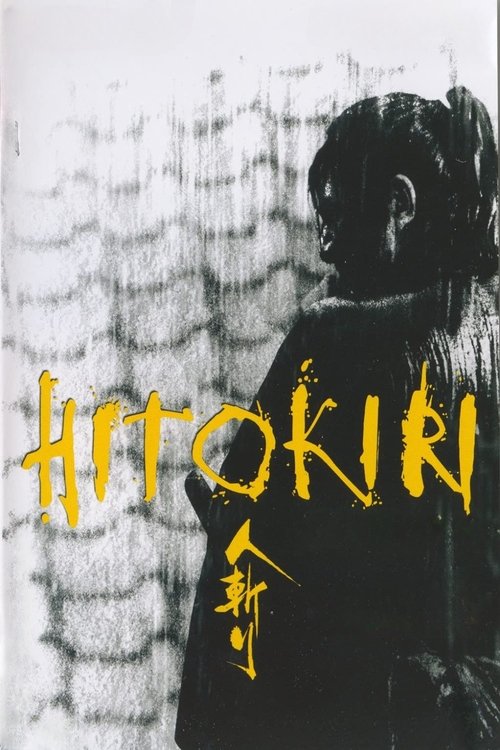
A ronin desperately seeks a way out of financial straits; he allies with the Tosa clan under the ruthless leader Takechi, who quickly takes advantage.
Based on the life and career of novelist Fumiko Hayashi, she bitterly struggles for literary recognition in the first half of the 20th-century – her affairs with feckless men, the jobs she took to survive (peddler, waitress, bar maid), and her arduous, often humiliating attempts to get published in a male-dominated culture.
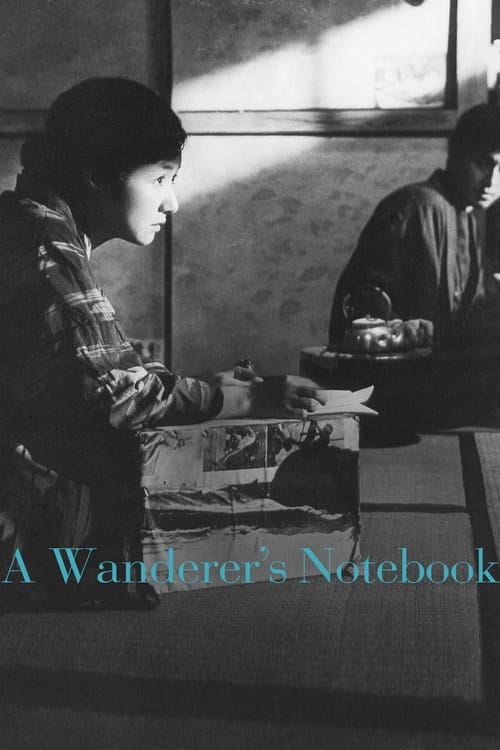
A Japanese woman writes down three stories she has witnessed or heard of in her diary, each about the difficult situation a young woman finds herself in.
Former playmates (Naito and Tamura), both long ago abandoned by their parents, recall their youth and fall in love.
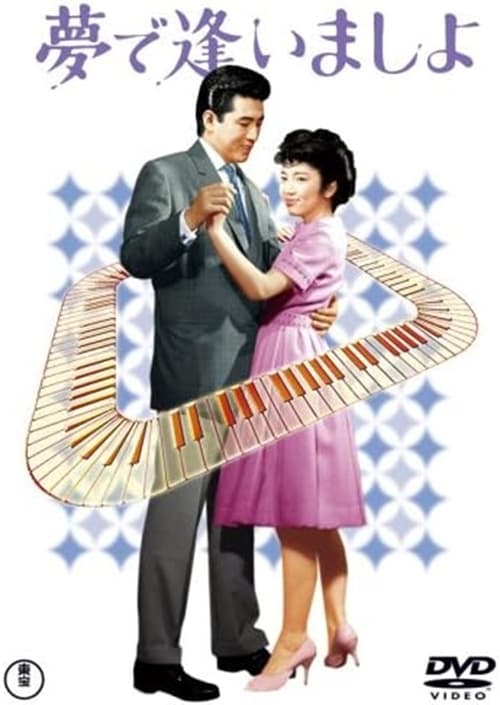
Mie Nakao runs away from home to join her older sister's production company as a new talent. We follow her ups and downs on the way to stardom as she falls in love with two men, a petty thief and a music writer and teacher, and makes her way in the industry alongside The Peanuts and The Crazy Cats.
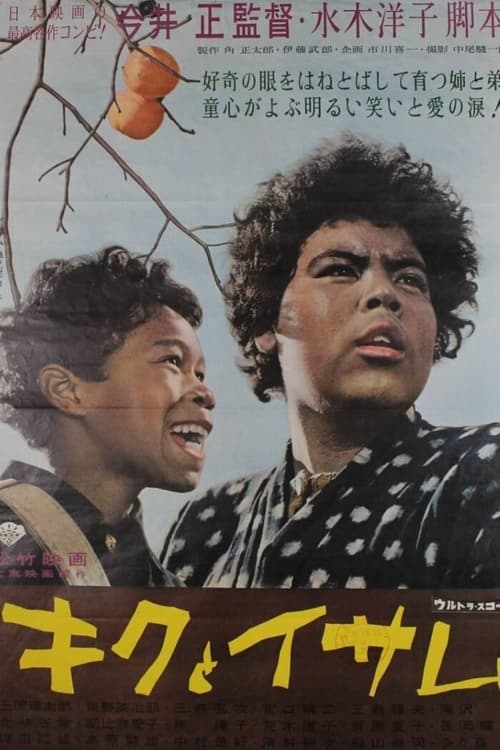
Kiku and her brother Isamu are social outcasts, children of a prostitute mother and black GI father, in postwar Japan.
1962 Japanese movie
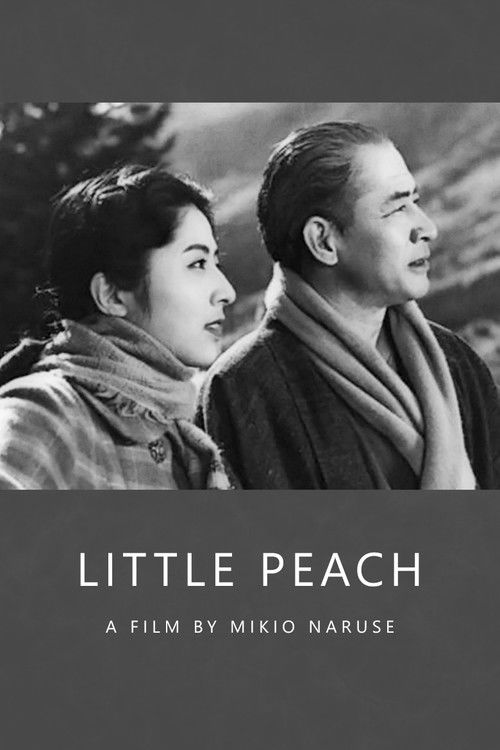
Anzukko (Little Peach) is the daughter of a successful writer. She turns down each one of her suitors, until she marries a beginning writer named Ryokichi. Their life quickly sinks into despair.
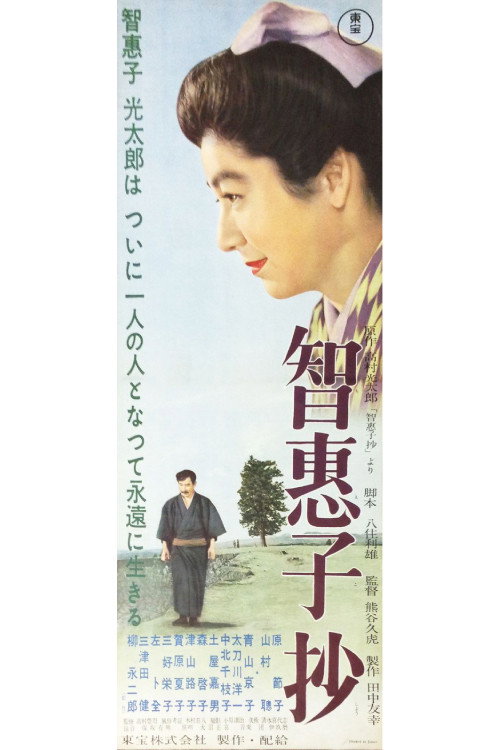
Adapted from a poem, which was composed by poet and sculptor Kotaro Takamura, Chieko-Sho is the story of the artist's wife Chieko. The poet meets a woman, who also as an artist illustrates, one day. They marry and have a good life spending many years together. One day, however, she loses her mind and has to be confined to a hospital. The poetry was some of star Hara Setsuko's favourite even before her involvement in the film.
No description available.
Modern comedy.
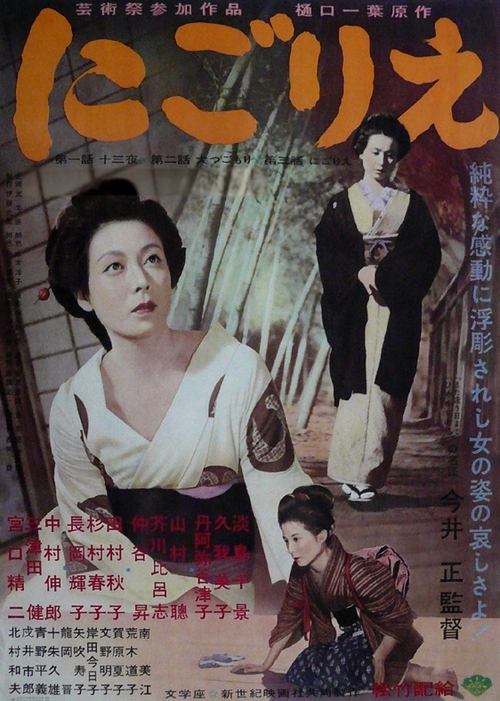
Otsuta is running the geisha house Tsuta in Tokyo. Her business is heavily in debt. Her daughter Katsuyo doesn't see any future in her mother's trade in the late days of geisha. But Otsuta will not give up. This film portrays the day time life of geisha when not entertaining customers.
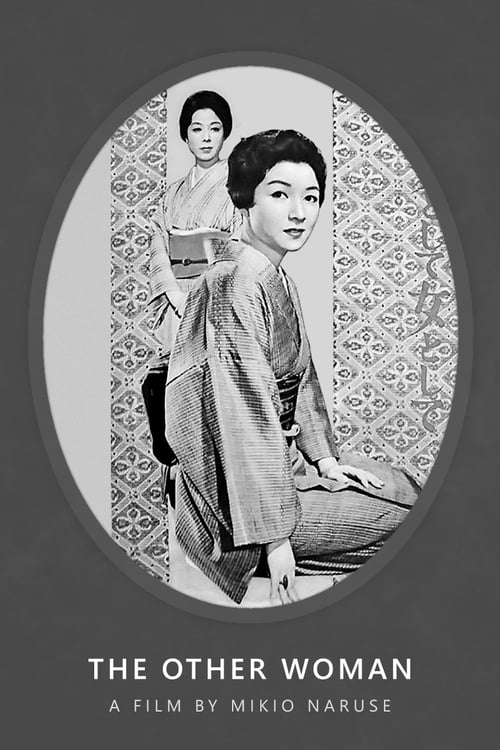
The real mother of the two children of a respectable university professor is not his wife, but his mistress, the hostess of a Ginza bar the family frequents.
A war widow with a young boy manages a farm with her bossy mother-in-law. When a reporter comes to interview her, the two begin an affair. He turns out to be married and won't leave his wife. Her older brother tries to marry off his children and hang on to/ extend his farm through an advantageous marriage in the face of threatened land confiscation and the desire of his children to get comfortable urban jobs instead of the backbreaking work in the paddy fields under parental control.
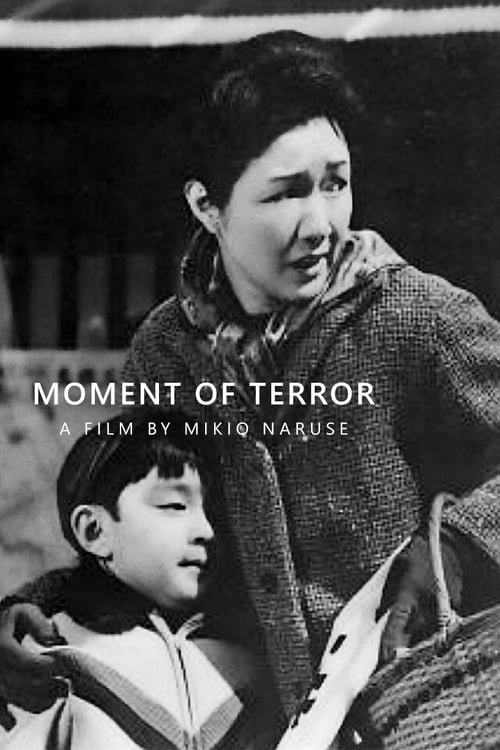
When the only son of a working class woman is fatally struck by a car driven by the adulterous wife of a company president in a hit-and-run, the victim's mother changes her identity and infiltrates the couple's home to work as their maid, plotting to murder their similarly-aged son.