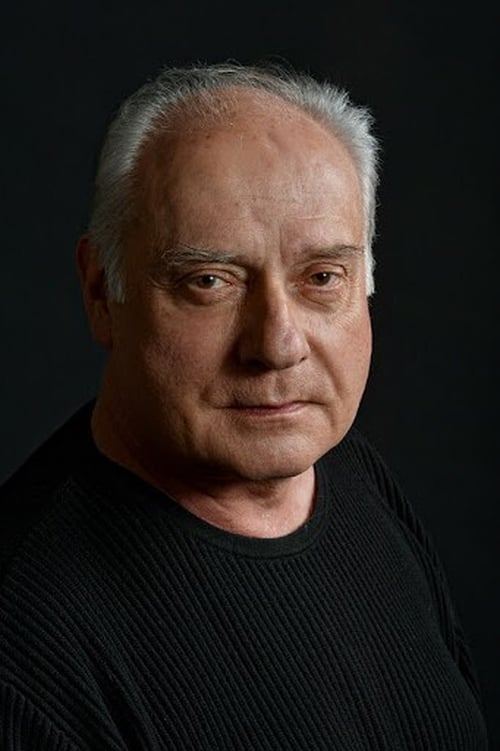
Tadeusz Huk
Acting
Known For
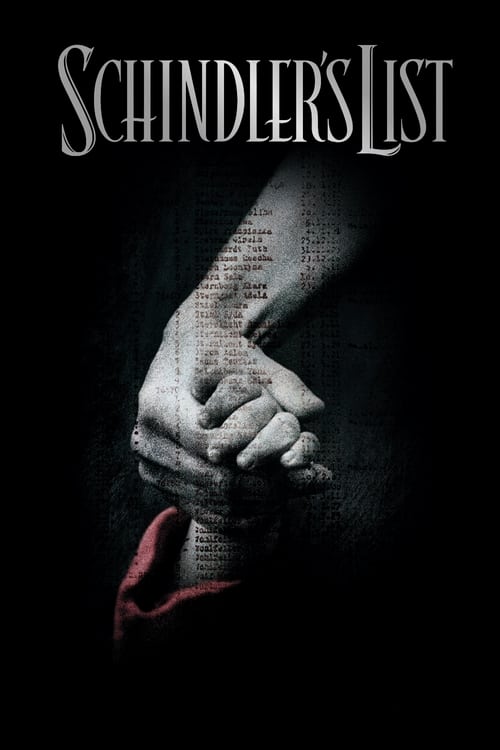
The true story of how businessman Oskar Schindler saved over a thousand Jewish lives from the Nazis while they worked as slaves in his factory during World War II.
Schindler's List
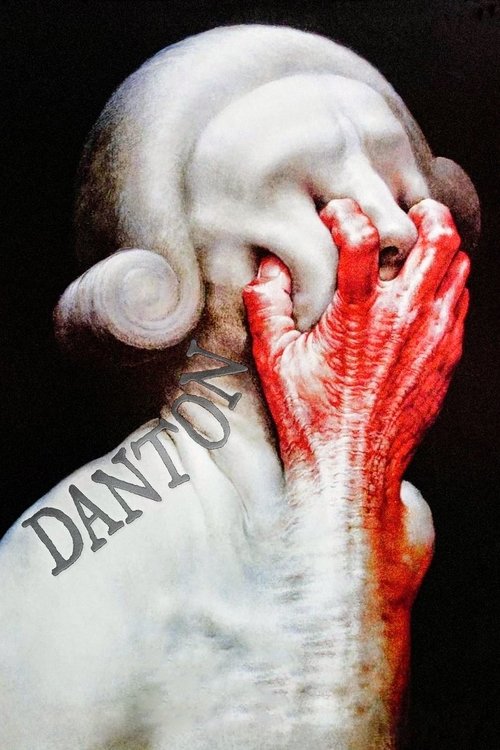
Danton and Robespierre were close friends and fought together in the French Revolution, but by 1793 Robespierre was France's ruler, determined to wipe out opposition with a series of mass executions that became known as the Reign of Terror. Danton, well known as a spokesman of the people, had been living in relative solitude in the French countryside, but he returned to Paris to challenge Robespierre's violent rule and call for the people to demand their rights. Robespierre, however, could not accept such a challenge, even from a friend and colleague, and he blocked out a plan for the capture and execution of Danton and his allies.
Danton
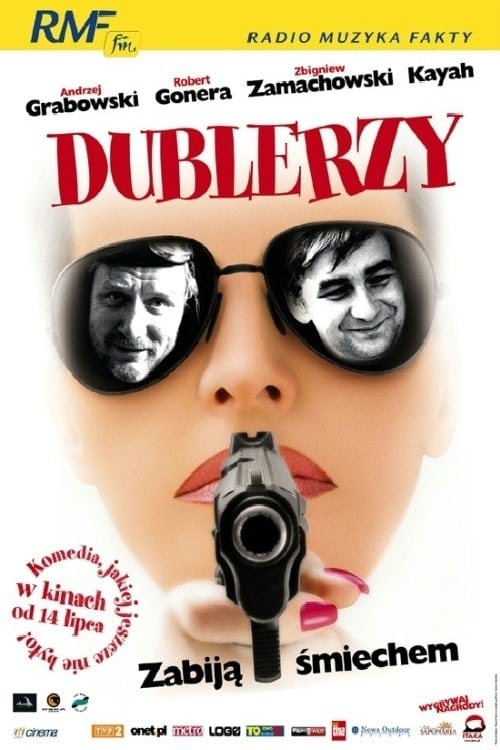
A couple of friends, Max and Leo spend some time in Sicily, the island that is associated with mafia. Strange events on one wedding of a mafioso's daughter near the city of Trapani, bring them back to Warsaw. Yet, the criminal leaders, particularly Don Antonio Gambini, are also in Poland where they have a job to do. Unintentionally, Max and Leo are brought into a plot.
Dublerzy
No description available.
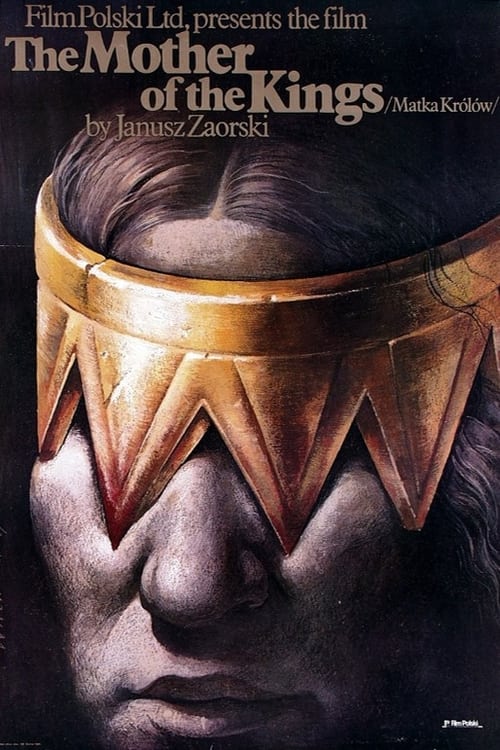
The Mother of the Kings

Filip buys an 8mm movie camera when his first child is born. Because it's the first camera in town, he's named official photographer by the local Party boss. His horizons widen when he is sent to regional film festivals with his first works but his focus on movie making also leads to domestic strife and philosophical dilemmas.
Camera Buff
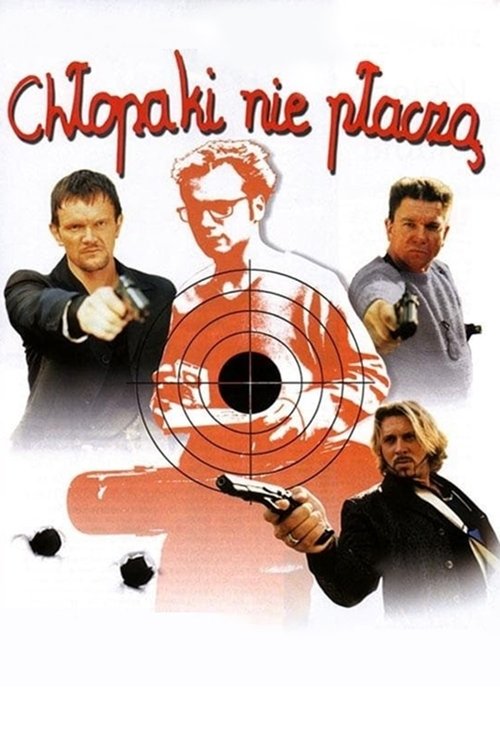
A young aspiring violinist unwittingly becomes involved with a criminal gang.
Boys Don't Cry
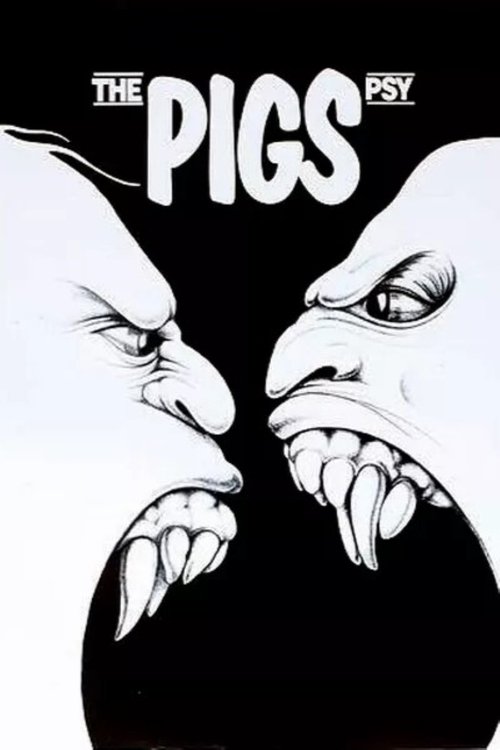
In post-communist Poland, former secret police agent Franz Maurer works as a regular cop pursuing a major drug ring. As he and his old comrades lose their privileges and face public scorn in the new reality, Franz realizes that some of his former colleagues are now on the opposite side of the law.
The Pigs
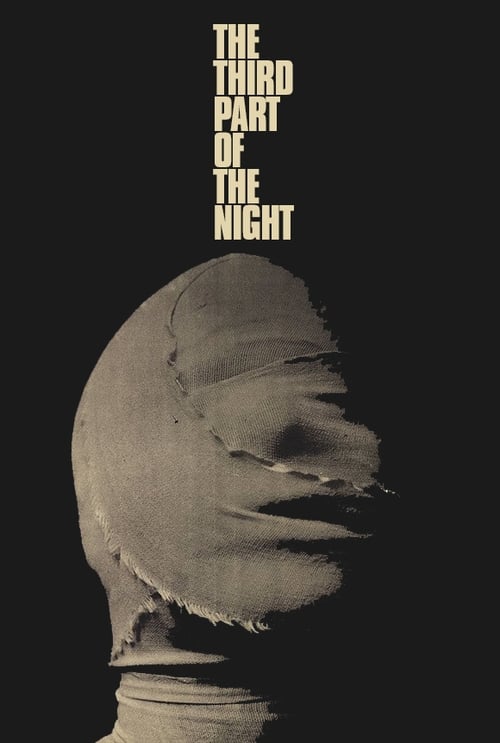
Set during the Nazi occupation of Poland, the story follows Michał, who witnesses the murder of his mother, wife and child and then is hurled into a life that literally is not his own; a surreal world littered with trapdoors, doppelgängers and wormholes.
The Third Part of the Night
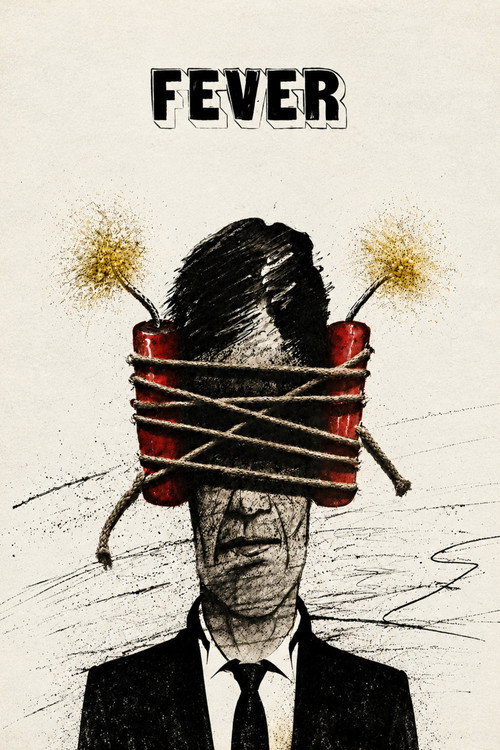
In 1905 partitioned Poland, a bomb moves through the anarchist underground as revolutionaries prepare to strike against Tsarist rule.
Fever
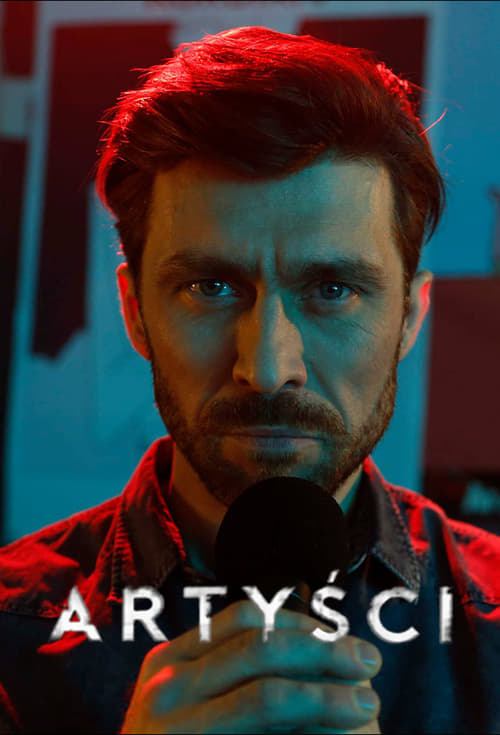
The original, 8-episode series by eminent theatre artists - Monika Strzępka and Paweł Demirski about what is going on behind-the-scenes of one of the muncipial theatres in Warsaw. The story also can be read as an ambiguous metaphor, where artistic problems of cultural activities and hard economic conditions meet.
Artists
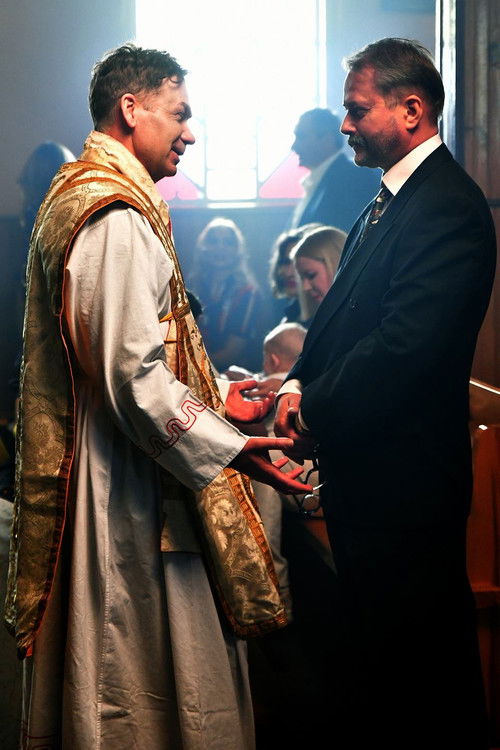
In 2011, a psychiatric patient is visited by a postulate. The patient is a retired head of the "D" Group – a secret department of the Security Service to fight against the Polish Catholic church. Murders, beatings, blackmails, provocations, robberies, those are standard methods of operation for its officers. The postulate wants to unravel the mystery of the death of priest Roman Kotlarz, a parish priest from Pelagow.
Clergyman
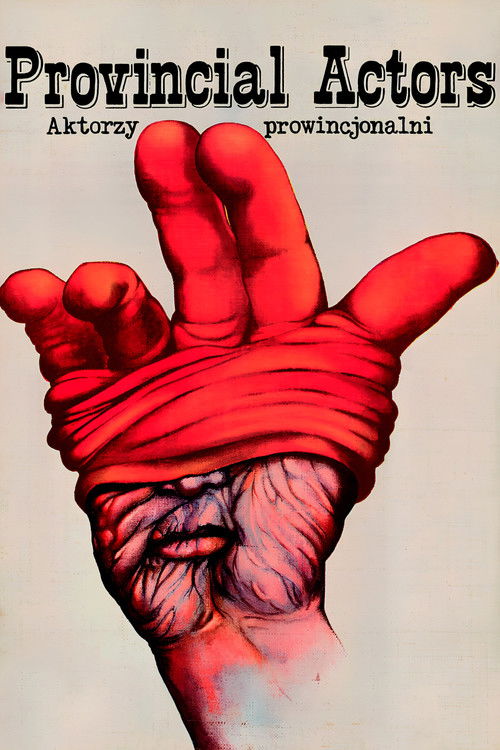
The film is set in a small town near Warsaw, to which a young and coming director comes to produce a classic play (Wyspianski "Wyzwolenie") with a modern vein. Everyone in the production gets his usual stereotypical role, but the aging idol of the ensemble senses opportunity to give the performance of his life. For young director everything is already set. The leading man, however, is not giving up and is trying to restore the role according to his view. His wife listens to his fears, complaints and frustrations, while resigning herself to a fading career in a puppet theatre.
Provincial Actors
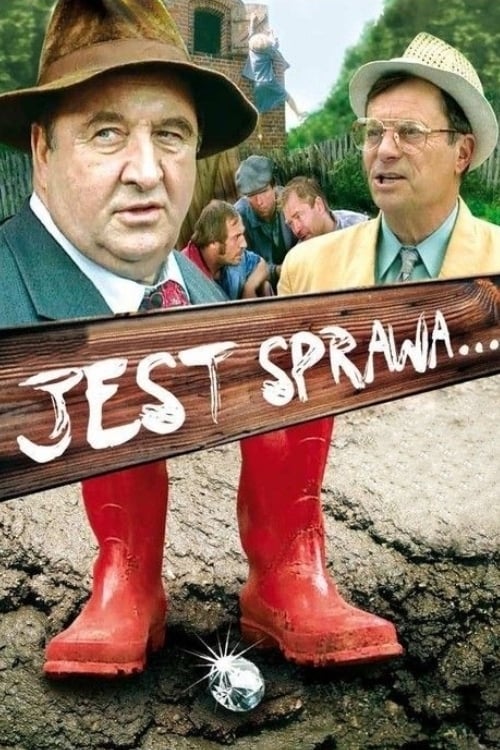
The post-state farm village of Piaski in Pomerania. A deputy minister shows up in the village. He is interested in finding a bust of Lenin, in which the now deceased former secretary of the Polish United Workers' Party smuggled a diamond of enormous value, the "Eye of Siberia." The confidential conversation between the deputy minister and the village head accidentally overhears the unemployed Stanislaw Michalek. He informs his friends about the case. The three men decide to find the secretary's treasure. The problem is that the secretary had a collection of busts of Lenin, which are now strewn all over the village.
Jest sprawa...
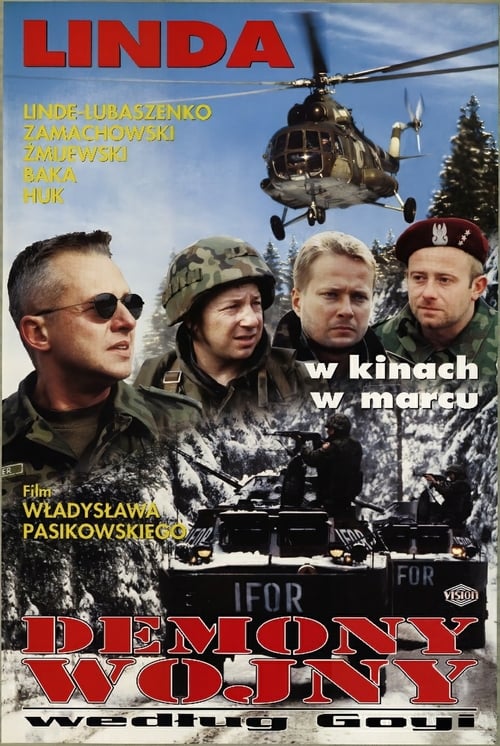
A detachment of the Polish IFOR forces in Bosnia is led by Major Keller, who is being investigated for insubordination during a patrol in Srebrenica. The investigation is to be led by two arriving officers - Lieutenant Czacki and Major Kusz who will also replace Keller as CO. When the camp's RTO receives a communication from a downed Norwegian chopper, Keller ignores his standing orders and leads a platoon to rescue the crew.
Demons of War
The final stage of the great artist's life, a stage in which Witkacy decides to destroy himself. A growing sense of danger, the futility of all actions, and fear of what is to come accompany him constantly during his escape from Warsaw to the East at the outbreak of World War II. Everyday facts and events are intertwined in the film with reminiscences and images from his life, supported by the artist's inner monologue. The style of narration and the way of filming make the film a poignant study of the writer's inner disintegration. By emphasizing the painterly quality of the image and introducing dreamlike themes, Kluba captures on screen the characteristics of both Witkacy's playwriting and painting.
Gwiazda Piołun
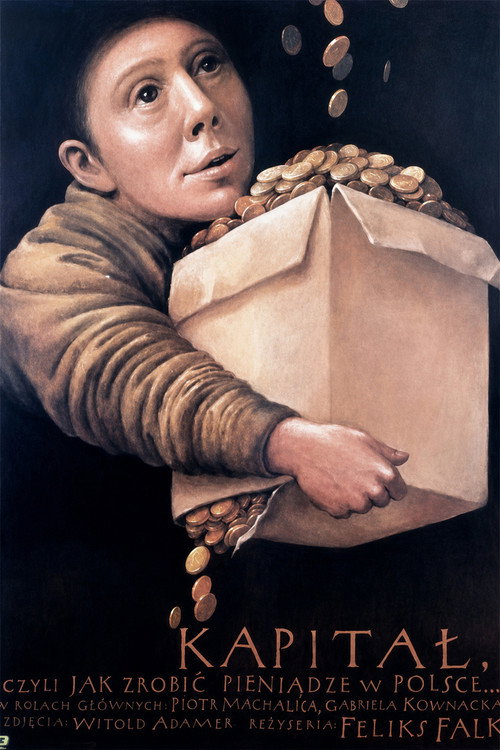
A sociologist nearing middle-aged returns to Poland after several years of giving lectures abroad. The changing economy of the country and business successes of the people around him inspire him to venture out into the deep and unpredictable world of capitalism himself.
Capital, or How to Make Money in Poland
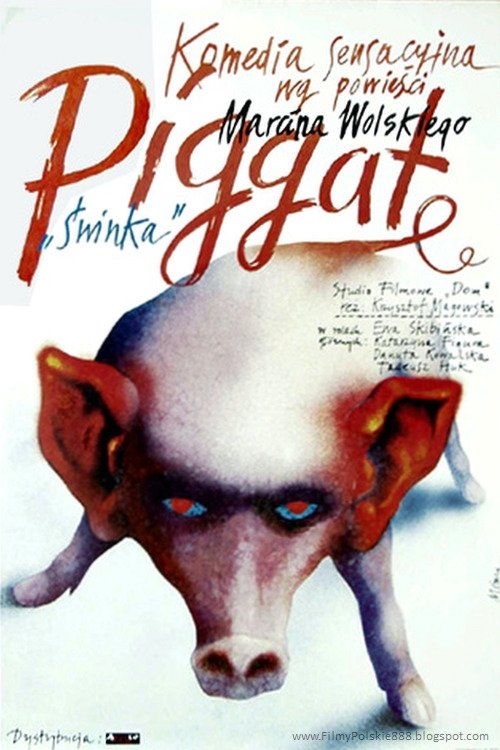
The esteemed transplantologist is the victim of a conspiracy of his colleagues, as a result of which his brain is transplanted into a pig.
Piggate
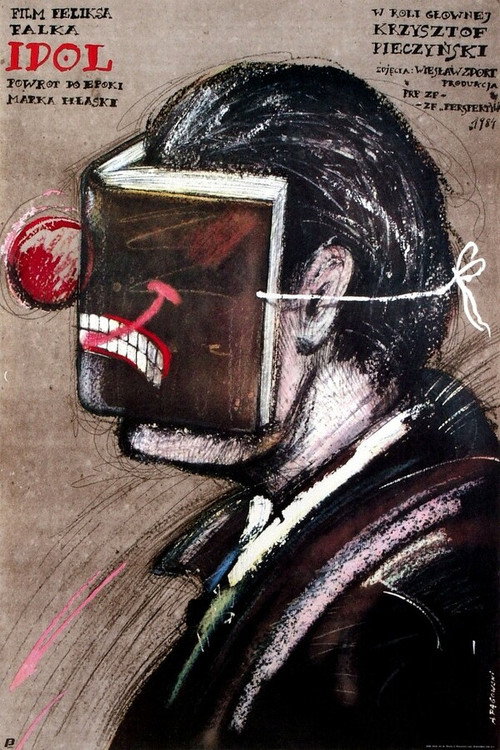
In 1969 a young writer decides to write an essay on a well known Polish writer, who had to leave the country in the 50's, later living, working and dying in exile. He slowly assembles the character and even the exterior appearances of his idol until his own identity tragically disappears.
Idol
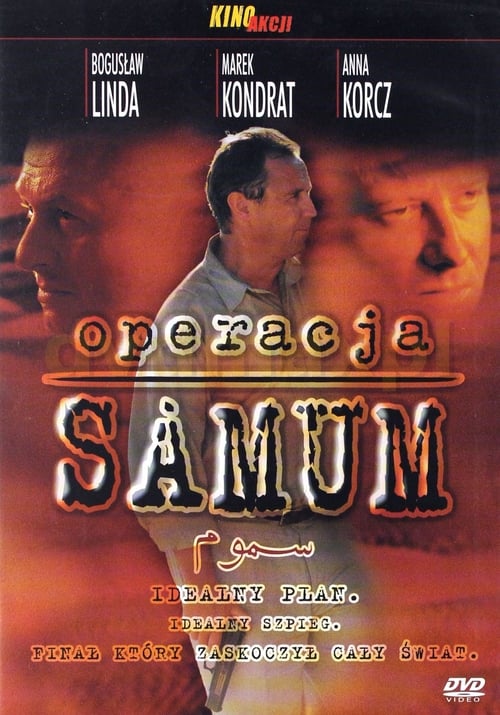
The war between Iraq and Kuwait is just about to begin. While all foreigners are leaving Iraq, Pawel, a young Polish engineer is captured by the Iraqi Secret Service. His father, a retired secret service operative goes to Iraq to attempt to rescue him not knowing that he is secretly being used as bait. Now, two Polish secret agents have been assigned by the CIA to attempt a rescue mission. The stakes are high, but are they high enough to risk the life of one of the best officers?
Operacja Samum
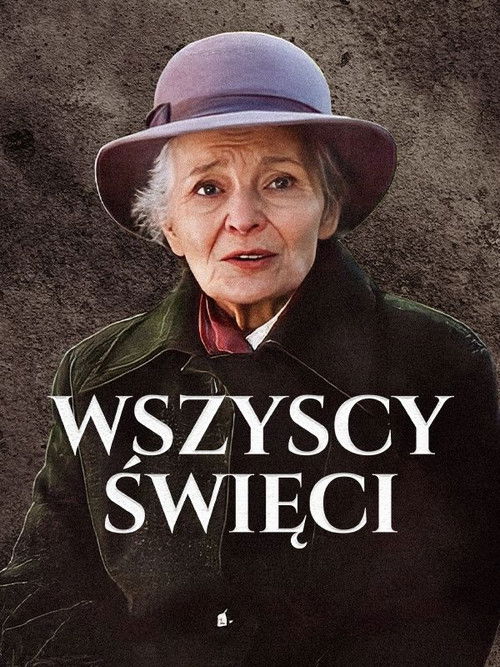
As every year, the celebration of All Saints Day brings Polish families together at the graves of their loved ones. On this special day Maria, 80-year-old widow, visits the graveyard with her son, his wife and their children.