Mariko Okada
Acting
Biography
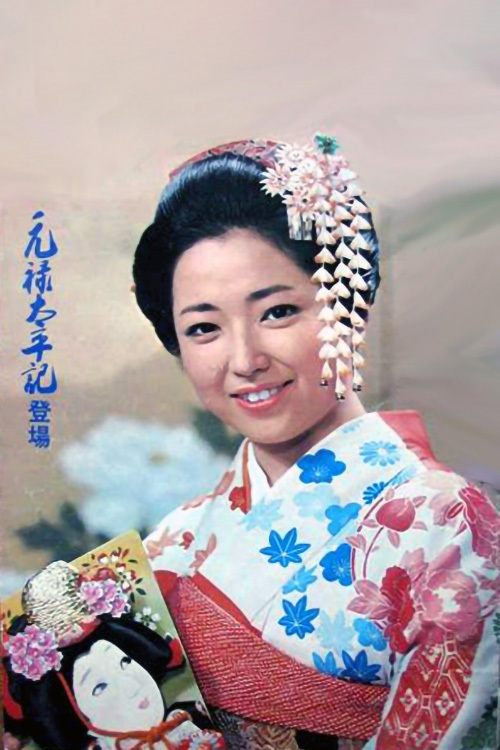
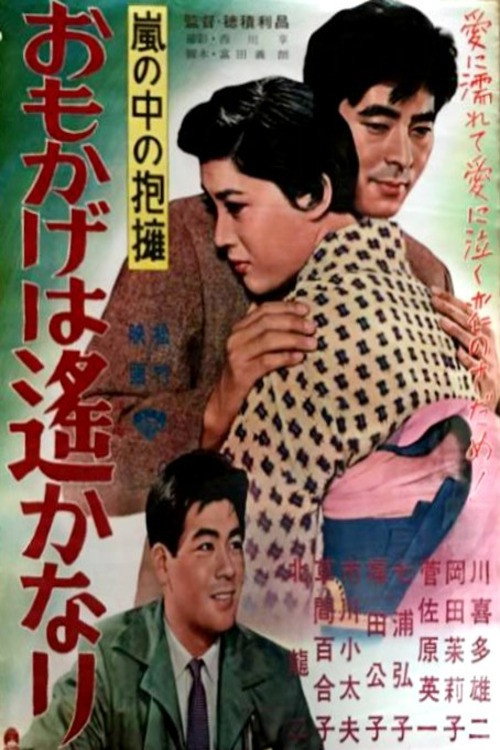
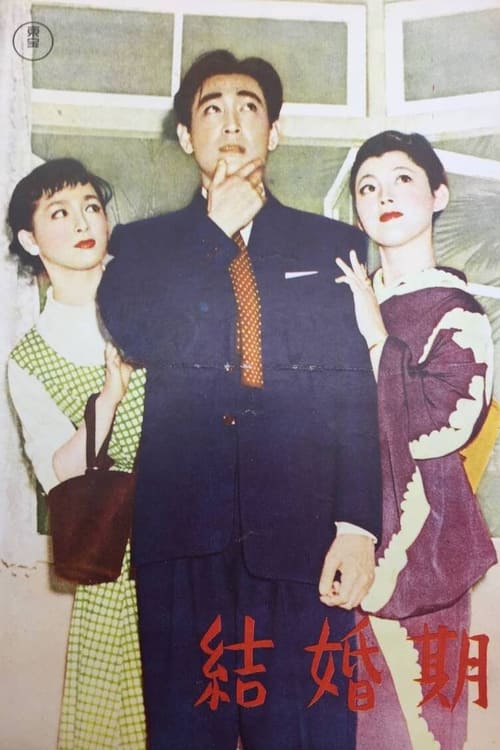
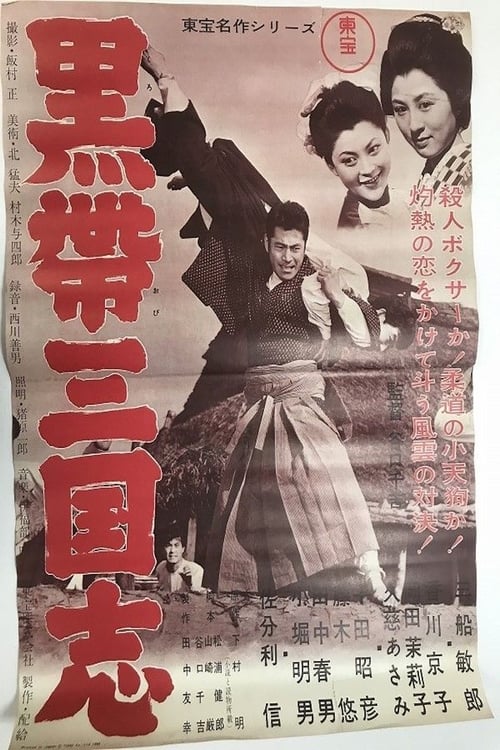
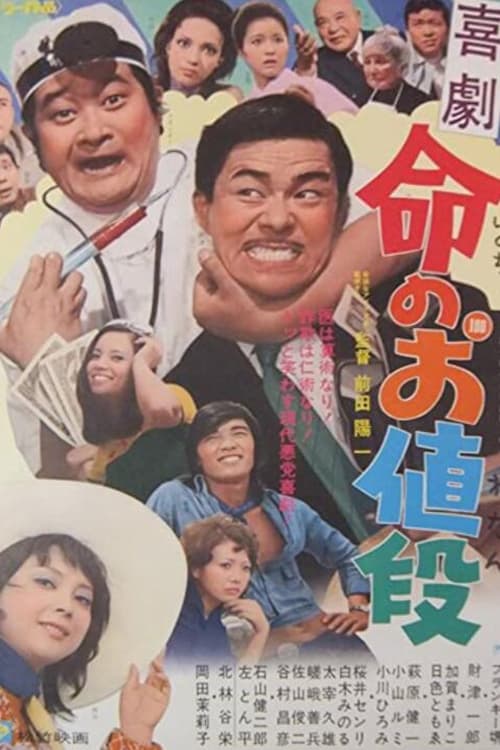
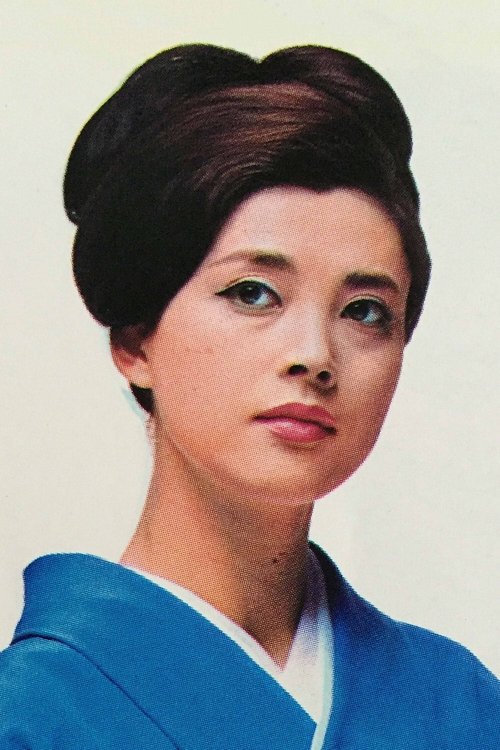
From Wikipedia, the free encyclopedia Mariko Okada (岡田 茉莉子, Okada Mariko, born 11 January 1933) is a Japanese stage and film actress who starred in films of directors Mikio Naruse, Yasujirō Ozu, Keisuke Kinoshita and others. She was married to film director Yoshishige Yoshida. Okada was born the daughter of silent film actor Tokihiko Okada (real name Eiichi Takahashi), who died the year following her birth, and raised by her mother's sister in her early childhood. She gave her film debut in Mikio Naruse's 1951 Dancing Girl, for whom she worked again in Husband and Wife, Floating Clouds and Nagareru. Unsatisfied with the roles she was assigned to, she left Toho studios after her contract expired, and signed with Shochiku. In the following years, she starred in Yasujirō Ozu's Late Autumn and An Autumn Afternoon, Keisuke Kinoshita's Spring Dreams and The Scent of Incense, and Heinosuke Gosho's Hunting Rifle. Between 1965 and 1971, she starred in all of Yoshida's films, independently produced melodramas narrated in an avant-garde fashion. In later years, she appeared in films like Juzo Itami's Tampopo and Shinji Aoyama's My God, My God, Why Hast Thou Forsaken Me? (2005), her last film role to date. She also regularly performed on stage and on television. Description above from the Wikipedia article Mariko Okada, licensed under CC-BY-SA, full list of contributors on Wikipedia.
Known For

No description available.
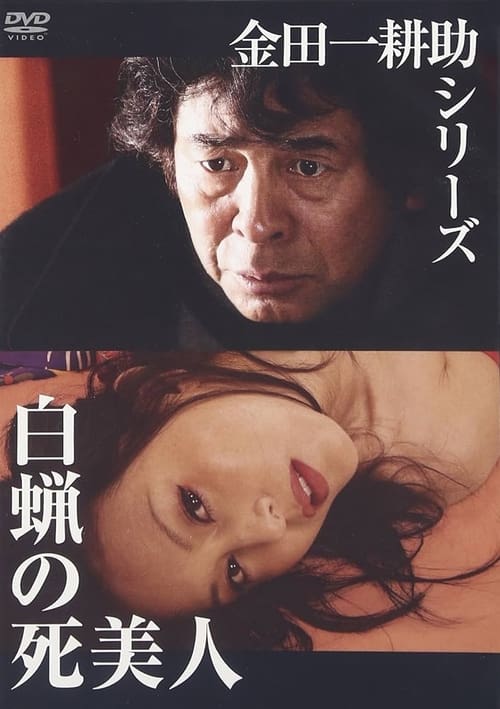
Furuya Ikkou's Great Detective Kindaichi Kousuke Series

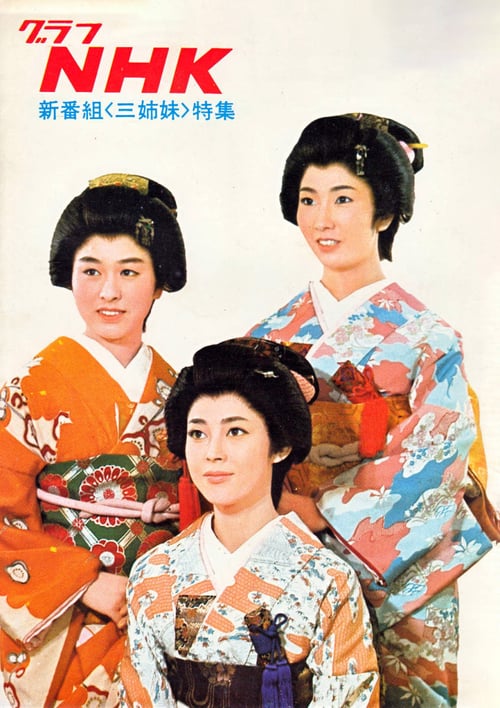
The Story is about three daughters of a "Hatamoto" during the end of the Edo period and the Meiji Restoration.
Three Sisters

In this humorous paean to the joys of food, a pair of truck drivers happen onto a decrepit roadside shop selling ramen noodles. The widowed owner, Tampopo, begs them to help her turn her establishment into a paragon of the "art of noodle-soup making". Interspersed are satirical vignettes about the importance of food to different aspects of human life.
Tampopo

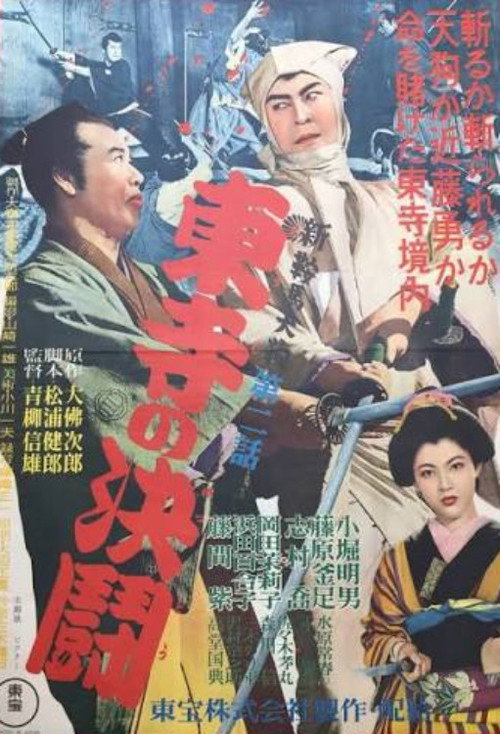
No description available.
Genroku Taiheiki

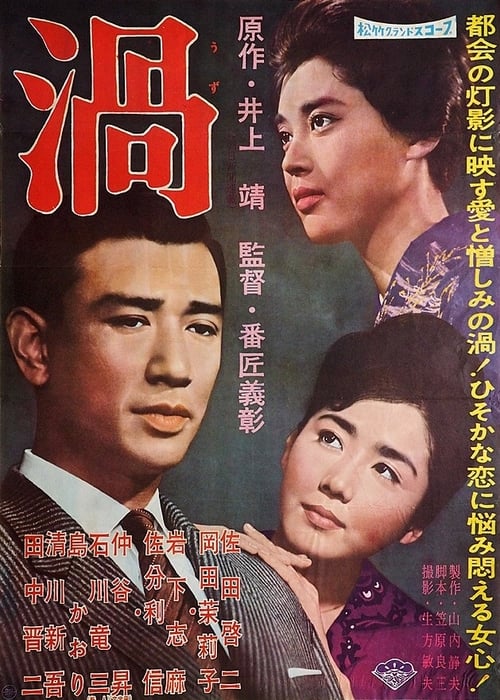
The story revolves around a bar and a poor church in downtown Yokohama , a port town . Kazami Yobuko is a singer and hostess at the bar . The bar originally belonged to Yobuko's mother, Ranko, but Ranko committed an assault and is serving time in prison, and the bar now belongs to Tsukiyo. This is the story of the twists and turns of the love story between Yobuko and a poor pastor , Shioya Isaku. The story begins on Christmas Eve, when Isaku helps Yobuko, who is suffering from a miscarriage .
Downtown Story

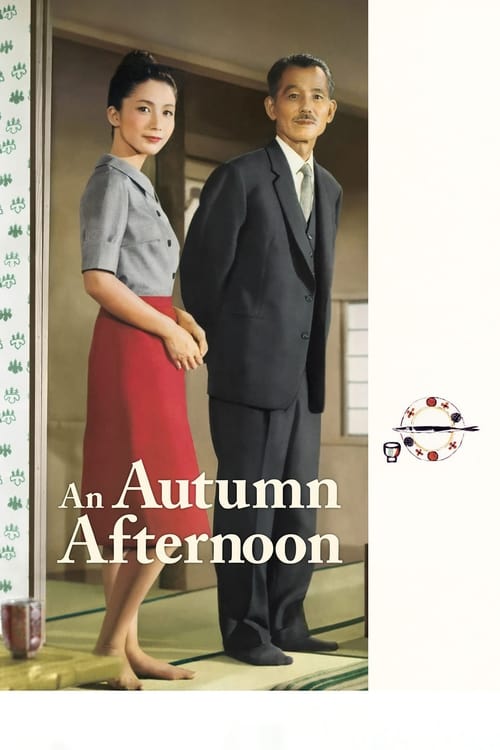
Widower Shuhei Hirayama's caretaker is his 24-year-old daughter, Michiko. Gradually, he comes to realize that Michiko should not be obliged to look after him for the rest of his life, so he arranges a marriage for her.
An Autumn Afternoon

A humble and simple Takezo abandons his life as a knight errant. He's sought as a teacher and vassal by Shogun, Japan's most powerful clan leader. He's also challenged to fight by the supremely confident and skillful Sasaki Kojiro. Takezo agrees to fight Kojiro in a year's time but rejects Shogun's patronage, choosing instead to live on the edge of a village, raising vegetables. He's followed there by Otsu and later by Akemi, both in love with him. The year ends as Takezo assists the villagers against a band of brigands. He seeks Otsu's forgiveness and accepts her love, then sets off across the water to Ganryu Island for his final contest.
Samurai III: Duel at Ganryu Island

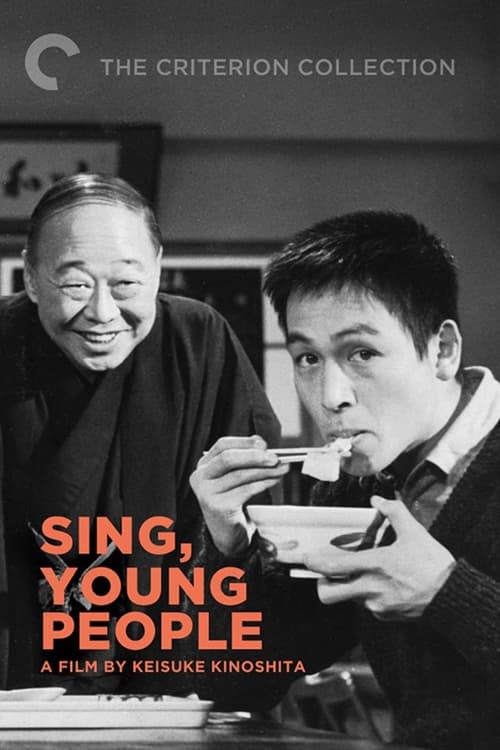
When a wealthy, selfish family decides to take care of an elderly hobo who collapsed near their home, they are beset by visits from his numerous friends.
Spring Dreams

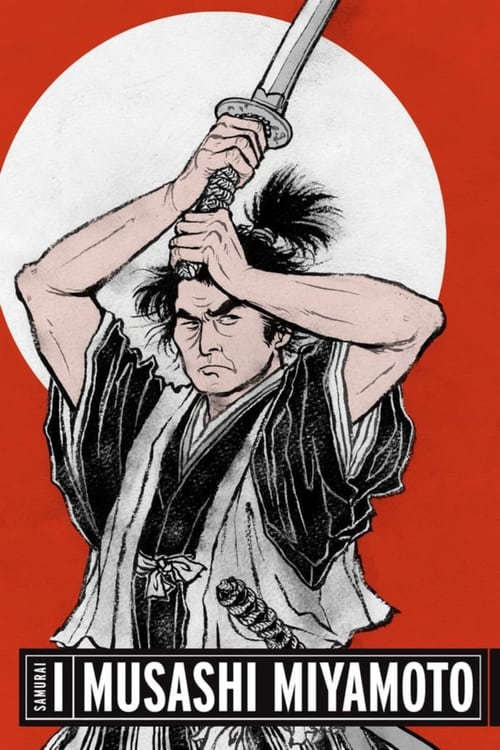
Struggling to elevate himself from his low caste in 17th century Japan, Miyamoto trains to become a mighty samurai warrior.
Samurai I: Musashi Miyamoto

When an American is murdered in a Japanese inn, Tokyo police detective Munesue follows the trail of the killer to New York. There he is joined by a New York City detective named Shuftan and together they sort out the crime.
Proof of the Man

A married Japanese forester during WWII is sent to Indochina to manage forests. He meets a young Japanese typist and promises to leave his wife. He doesn't and after the war, she turns up and the affair resumes.
Floating Clouds

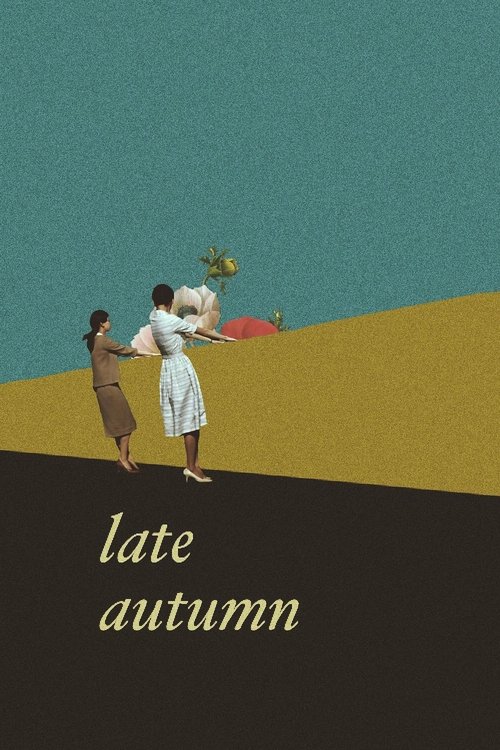
A woman and her daughter are each forced to contend with an increasing pressure to marry, particularly from three men who knew her late husband.
Late Autumn

After years on the road establishing his reputation as Japan's greatest fencer, Takezo returns to Kyoto. Otsu waits for him, yet he has come not for her but to challenge the leader of the region's finest school of fencing. To prove his valor and skill, he walks deliberately into ambushes set up by the school's followers.
Samurai II: Duel at Ichijoji Temple

This story is based on the novel "Jo no mai" by Tomiko Miyao which is based on the life of painter Shōen Uemura (1875–1949), the first woman to be awarded the Order of Culture. The title refers to the masterpiece bijinga ("picture of a beautiful woman") that Uemura painted at the age of 61. The main character, Tsuya Shimamura, is born in Kyoto as the second daughter of a tea trader who dies before her birth. Tsuya, who loves painting more than anything and is hopeless at housework, attends art school and at age 15 receives the name Shōsui (from the characters for "pine" and "green") from her teacher. The crown prince of England purchases one of her works, propelling her to fame overnight. The novel portrays the remainder of her stormy life, during which she is impregnated by her teacher and raises a fatherless child; through it all she devotes herself to her painting, undaunted.
Appassionata

This is the story of "The Forty-Seven Ronin." Based on historical events in 1701-2, the movie tells the tale of the Asano clan's downfall and the revenge of its former samurai on the perpetrator of the catastrophe. Lord Asano was goaded, or tricked, into drawing his sword inside the Shogun's palace -- a crime which carried the death penalty. The newly installed Shogun was furious at Asano and ordered all his clan's assets seized, meaning some 20,000 samurai and commoners were unemployed and landless at a stroke. Forty-seven of these ronin (masterless samurai) banded together to take attempt revenge on Lord Kira, who had goaded Asano into drawing his sword.
The Fall of Ako Castle

In the Tokugawa Era, the clan of Lord Yagyu has hidden away three scrolls containing clan secrets which, if revealed, would cause revolution and disaster for the clan. The information is divided among the three scrolls, all of which must be possessed for the secrets to be understood. When Princess Yuhime steals the scrolls, Tasaburo, a samurai with magical powers, and his brother Senshiro are sent to retrieve them.
Yagyu Secret Scrolls

A squadron of Japanese fighter pilots realise that they are never going to win the war when they understand that Japanese military tactics have little regard for life. Seeking the companionship of any woman who will have them, they spend their days indulging in every fantasy in order to escape the overwhelming fear of death looming just over the horizon.
Farewell Rabaul

This suspense drama set in the mid 1700's depicts the plan of the Tokugawa rulers to send a number of homeless men to a remote island Sado to perform forced labor. Living conditions on the island are terrible and the men soon become rebellious. Based on a short story by Seichō Matsumoto.
Escape from Hell

One day a company executive learns that his younger brother, whom he recommended, embezzled company funds. To save the situation he withdraws his life savings and gives money to his younger brother. He then suddenly disappears…
The Radish and the Carrot

In this intricately layered Japanese film, the nature of actresses and what they gain from acting is explored. The lives of three actresses are laid bare, and scenes from their lives are woven in and out of interviews with each of them. Each of them has experienced a traumatic event which contributes to their particular enjoyment of becoming someone else in dramatic roles.