FEEL IT.STREAM
Daniel Pennac

Daniel Pennac

Writing

Biography

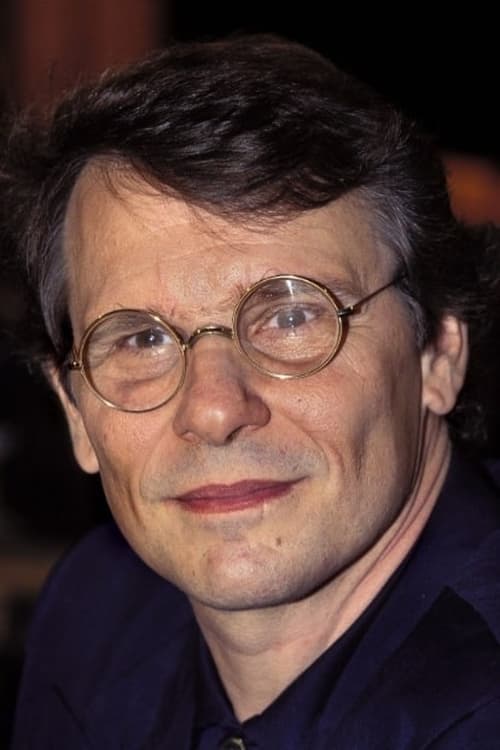
Daniel Pennac (real name Daniel Pennacchioni, born 1 December 1944 in Casablanca, Morocco) is a French writer. He received the Prix Renaudot in 2007 for his essay Chagrin d'école. Daniel Pennacchioni is the fourth and last son of a Corsican and Provençal family. His father was a polytechnicien who became an officer of the colonial army, reaching the rank of general at retirement and his mother, a housewife, was a self-taught reader. His childhood was spent wherever his father was stationed, in Africa (Djibouti, Ethiopia, Algeria, Equatorial Africa), Southeast Asia (Indochina) and France (including La Colle-sur-Loup). His father's love for poetry gave him a taste for books that he quickly devoured in the family library or at school. After studying in Nice he became a teacher. He began to write for children, including his series "La Saga Malaussène", that tells the story of Benjamin Malaussène, a scapegoat, and his family in Belleville, Paris. In a 1997 piece for Le Monde, Pennac stated that Malaussène's youngest brother, Le Petit, was the son of Jerome Charyn's New York detective, Isaac Sidel. His writing style can be humorous and imaginative as in "La Saga Malaussène", or scholarly, as exemplified by the essay "Comme un roman." His comic Débauche, written jointly with Jacques Tardi, deals with unemployment. In 1990 Pennac won the "Prix du Livre Inter" for La petite marchande de prose. His 1984 novel L'œil du loup was translated into English as Eye of the Wolf by Sarah Adams – later known as Sarah Ardizzone – and published by Walker Books in 2002; Adams won the biennial British Marsh Award for Children's Literature in Translation in 2005 for that work. In 2002 he won the Grinzane Cavour Prize. In 2007 Pennac won the Prix Renaudot for Chagrin d'école. He won the "Grand Prix Metropolis bleu" in 2008 for his complete work. In 2013 he received an honorary degree in pedagogy from the University of Bologna. Source: Article "Daniel Pennac" from Wikipedia in English, licensed under CC-BY-SA 3.0.
Known For

Apostrophes
8.5

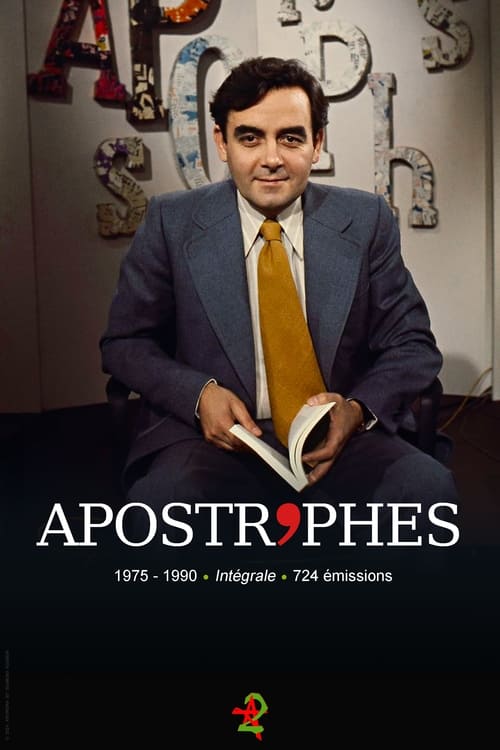
Apostrophes was a live, weekly, literary, prime-time, talk show on French television created and hosted by Bernard Pivot. It ran for fifteen years (724 episodes) from January 10, 1975, to June 22, 1990, and was one of the most watched shows on French television (around 6 million regular viewers). It was broadcast on Friday nights on the channel France 2 (which was called "Antenne 2" from 1975 to 1992). The hourlong show was devoted to books, authors and literature. The format varied between one-on-one interviews with a single author and open discussions between four or five authors.

Apostrophes

1975
Square
N/A

No description available.

Square

2012
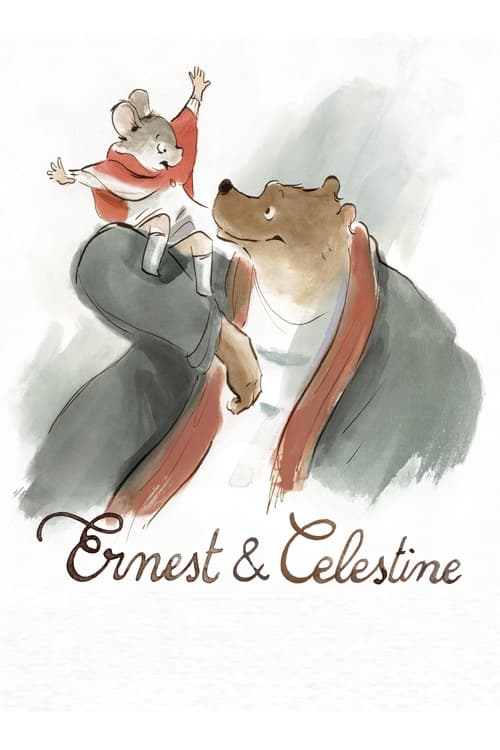
Ernest & Celestine
7.7

Celestine is a little mouse trying to avoid a dental career while Ernest is a big bear craving an artistic outlet. When Celestine meets Ernest, they overcome their natural enmity by forging a life of crime together.

Ernest & Celestine

2012
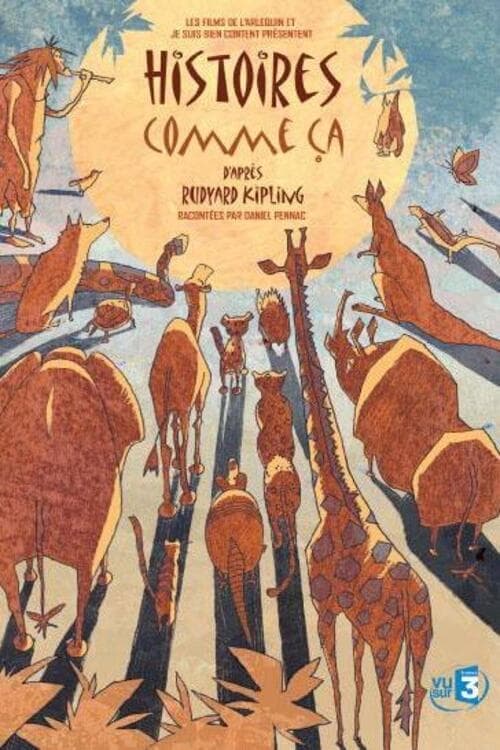
Just So Stories
7.0

No description available.

Just So Stories

2008
The Scapegoat
5.9

There is something strange - some would even say abnormal - about the Malaussène family. But if you take a closer look, no one could be happier than this cheerfully chaotic family, even though their mother is usually off on one romantic adventure or another. Life is never a bore for Benjamin Malaussène, professional scapegoat and the older brother responsible for this horde of kids. But when incidents happen wherever he goes, police and colleagues begin to eye him suspiciously. It soon becomes a matter of life and death to find out what is going on and who is so interested in ruining his life. Written by Pathe International

The Scapegoat

2013
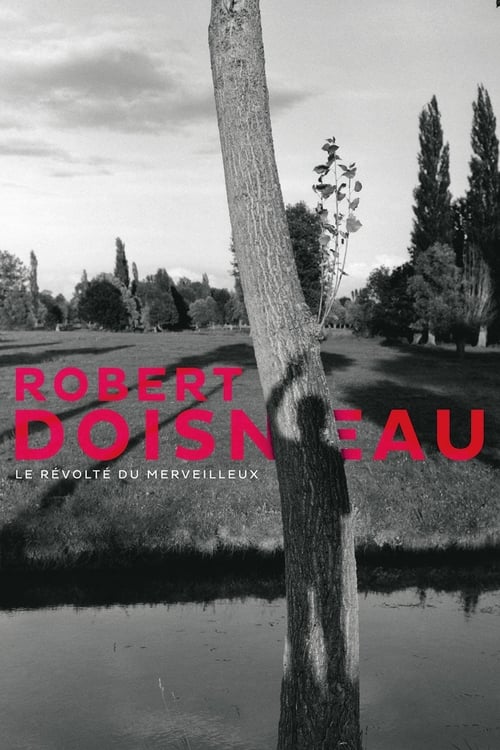
Robert Doisneau: Through the Lens
7.1

Featuring previously unissued photographs and video archives as well as interviews of his friends and partners in crime, this documentary tells how the kid from the poor suburbs turned superstar photographer. It draws the intimate portrait of the life and work – being so closely interwoven – of and artist fiercely determined to be purveyor of happiness.

Robert Doisneau: Through the Lens

2017
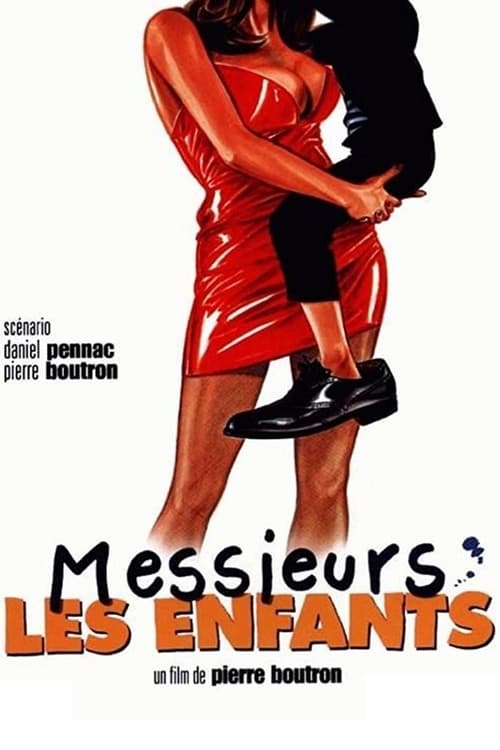
Gentlemen Children
5.2

To punish three troublemakers, Albert Castraing, their French teacher, gives them an essay to do, in which they must imagine what their lives would be if they were suddenly transformed into adults. The next morning, the three twelve-year-old boys realize to their amazement that...they HAVE BEEN transformed into adults! As for they parents they have become...KIDS! It is the beginning of a series of mishaps for Joseph, a Jew, Igor, a catholic and Nourdine, an Arab...

Gentlemen Children

1997
The Eye of the Wolf
7.7

After a long time, a blue wolf, locked in the cage of a Paris zoo, winds up allowing Afrique, a young boy who visits him day after day, to come close to him. As the wolf is one-eyed, the boy has the idea to shut one eye himself and thus manages to communicate with the proud wild animal. Wolf and kid then start telling each other the story of their respective lives...

The Eye of the Wolf

1998
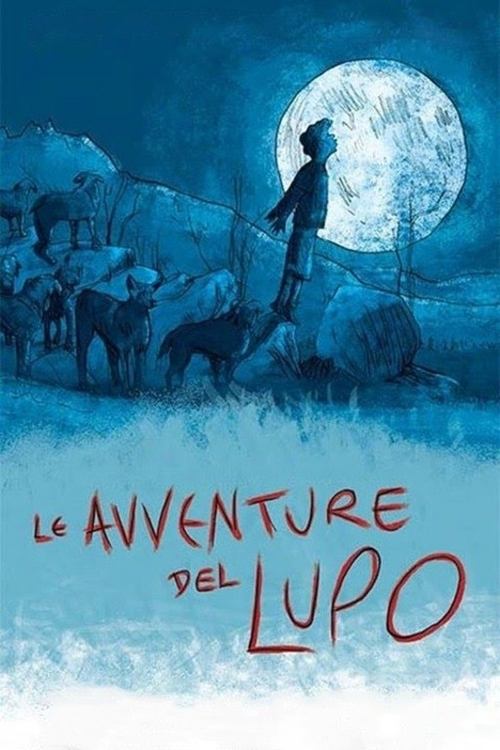
Le avventure del lupo
N/A

No description available.

Le avventure del lupo

2018
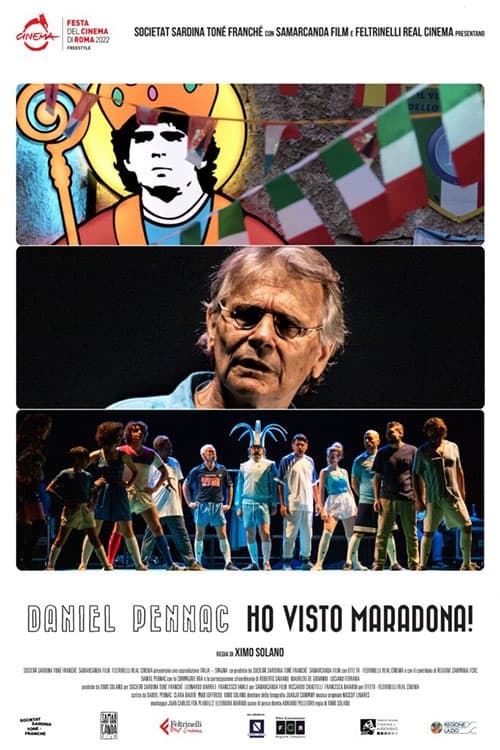
Daniel Pennac: Ho visto Maradona!
6.3

Rehearsals for a play about Maradona in Naples, with Italian actors and an Argentine director. Nothing about Maradona except anecdotes about his figure from the Neapolitans; one of the actors had come to play football. They were all 'touched' by Maradona, as is logical. Pennac is very intelligent, but he has never seen a ball in his life: his fascination comes from the public figure of Maradona, from the totem, from the stupor that invaded him when many friends confessed to having cried at his death. The spectator, Maradonian or not, has an irrepressible desire to travel to Naples and join the song that he sees towards the end of the film, which is moving and overwhelming in its beauty and simplicity. Ideal for theater lovers, or Maradona lovers, or both.

Daniel Pennac: Ho visto Maradona!

2022