Directing
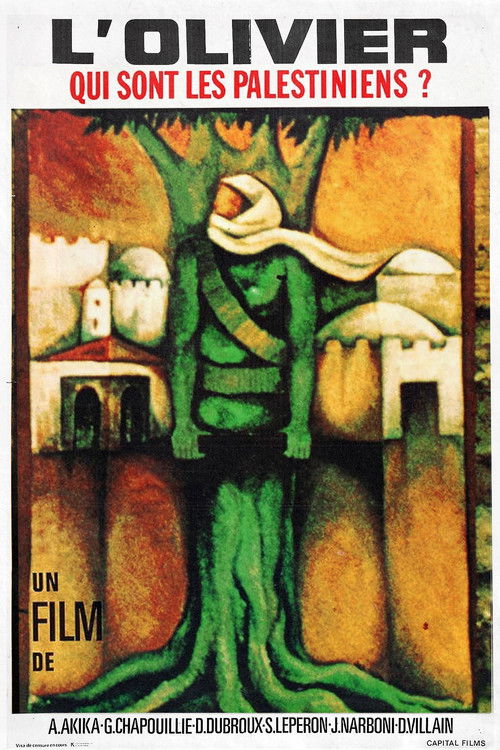
Filmed between 1973 and 1975, L’Olivier was produced by the Vincennes Cinema Group. This activist collective of teachers and filmmakers, formed on the occasion of this film, attempts to explain the Palestinian problem through interviews. The Olivier was one of the first films to attempt to give substance to what was still largely ignored in the West: the existence of the Palestinian people and their fight to recover their rights. L'Olivier responds to a concern: the already weak support of French public opinion for the Palestinian cause diminished following the Munich operation of 1972. Structured in such a way as to tell the Palestinian story and explain the state of the struggle at the time, the film appeals to global militant solidarity and, in particular, to European political commitments.
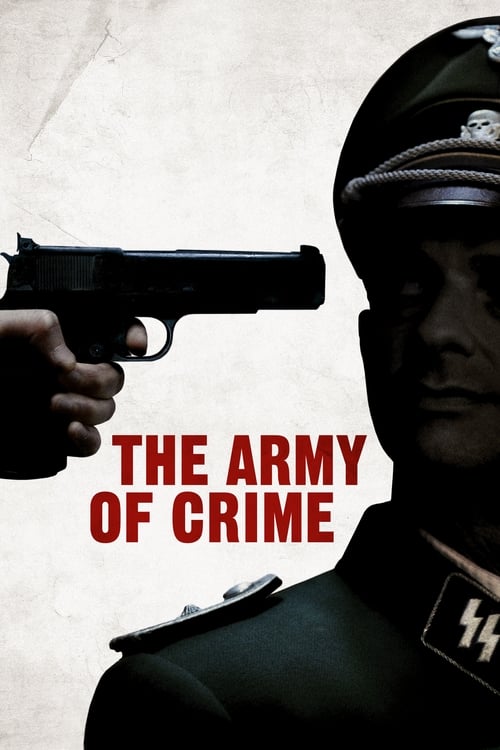
This gripping historical drama recounts the story of Armenian-born Missak Manouchian, a woodworker and political activist who led an immigrant laborer division of the Parisian Resistance on 30 operations against the Nazis in 1943. The Nazis branded the group an Army of Crime, an anti-immigrant propaganda stunt that backfired as the team's members became martyrs for the Resistance.
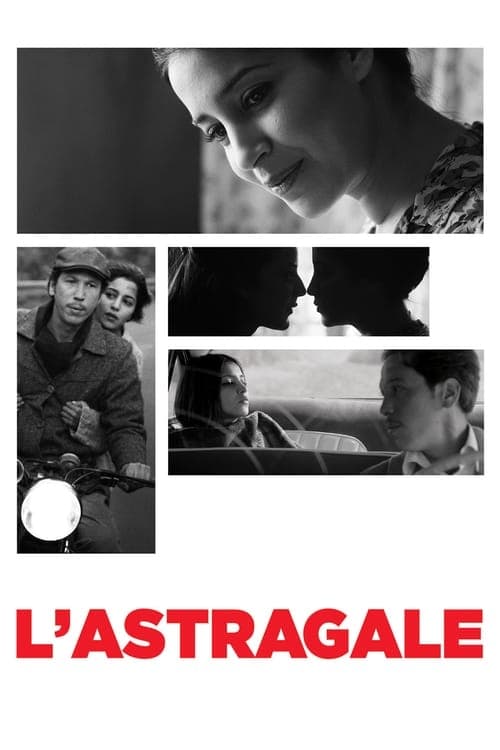
On a night of April 1957, Albertine, a brillant and rebel 19-year-old girl, jumps from the wall of the prison where she’s serving a sentence for a holdup. In her fall, a bone from her ankle breaks: the astragal. She is rescued by Julien, a justice fugitive, and so is born a burning passion between them. He takes her to Paris and hides her. But while he leads his gangster life here and there, the young woman struggles for her freedom and against the wounds inflicted by Julien’s absence, and writes poetry.
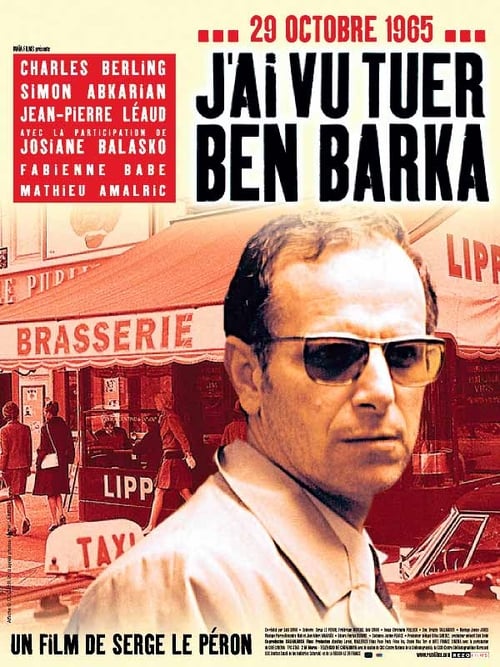
January 1966. In a Paris apartment, police discovers the corpse of Georges Figon, the man who broke the scandal of the Ben Barka affair and undermined Gaullist power.
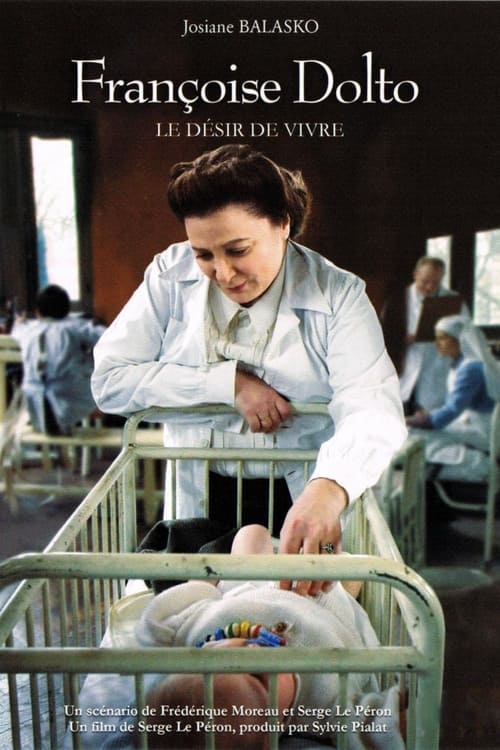
After the Second World War, Claude, son of communist resistance fighters, whose mother died in Auschwitz, and Ben, child of a prostitute and a Jew, face the demons that haunt them with the help of Françoise Dolto.
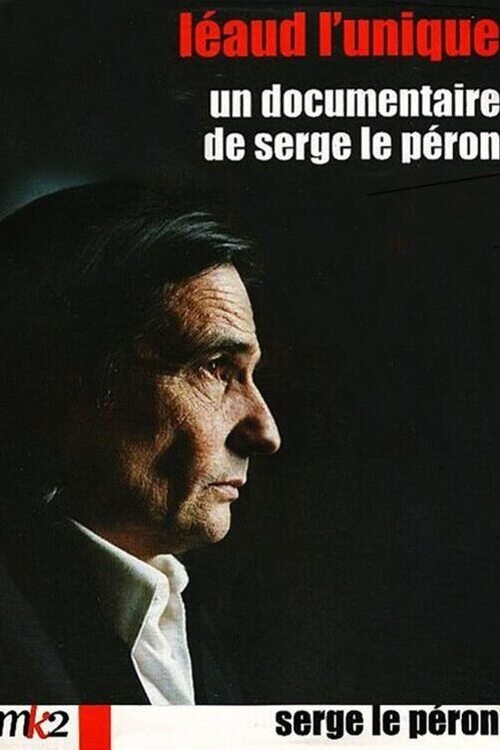
Documentary about the work of Nouvelle Vague actor Jean-Pierre Léaud, with interview clips, film clips and contributions from directors and actors he has worked with.
A militant fictional film on the subject of a hard strike.
No description available.
Reel 26 of Gérard Courant’s on-going Cinematon series.
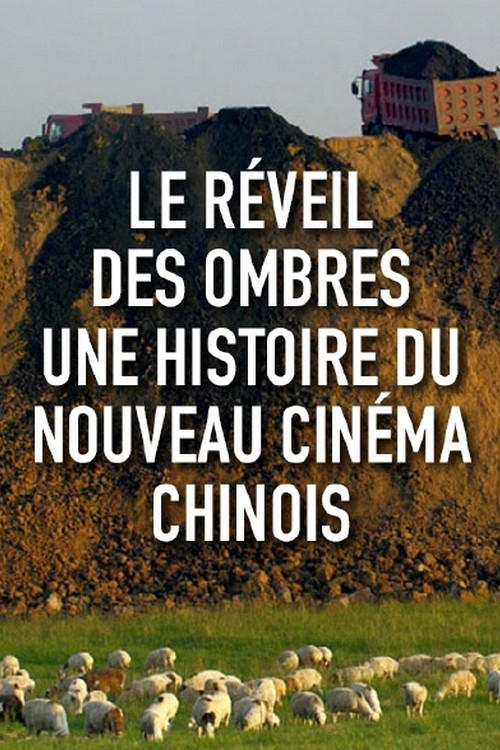
Documentary about new chinese cinema.
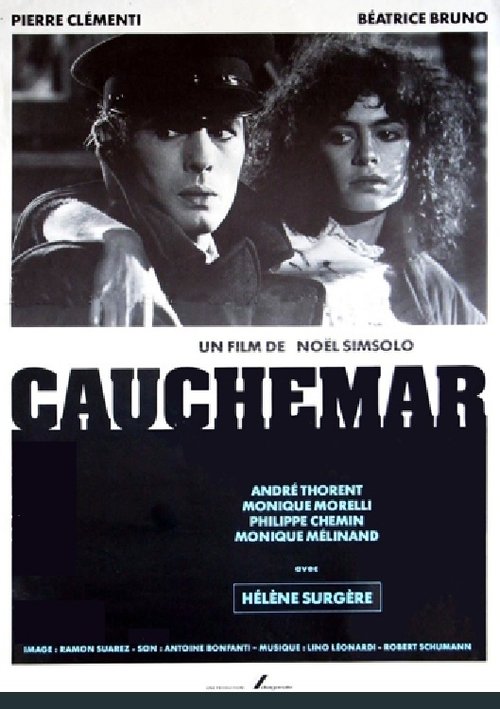
A troubled young woman who lives alone in a rundown house meanders around and one day reveals a hidden talent when she goes into a bar, plays magnificently at the piano, and leaves as mysteriously as she came. Meanwhile, an unidentified man is on her trail and eventually tracks her down to the bar she had visited. As the dragnet around her closes in, it becomes apparent that the young woman's stepmother is behind the effort to locate her. But questions over why she is hiding out and what she is hiding from begin to take on more importance as the history of the young woman starts to surface.
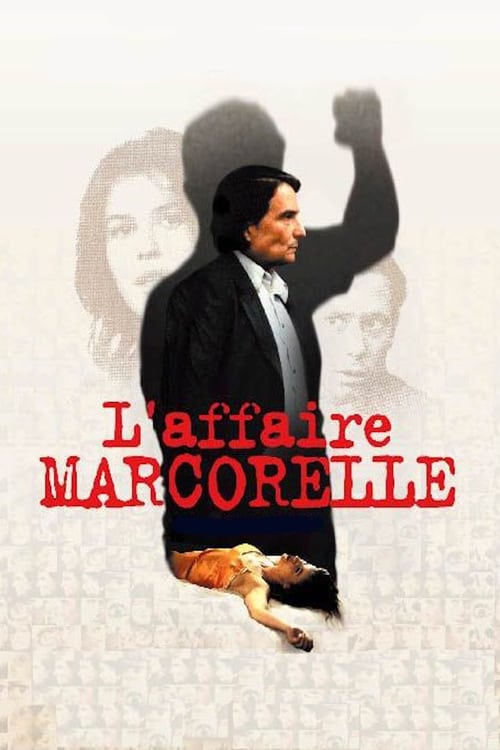
François Marcorelle, an investigation magistrate in Chambéry, finds himself in the room of a young Polish girl that he met in a restaurant
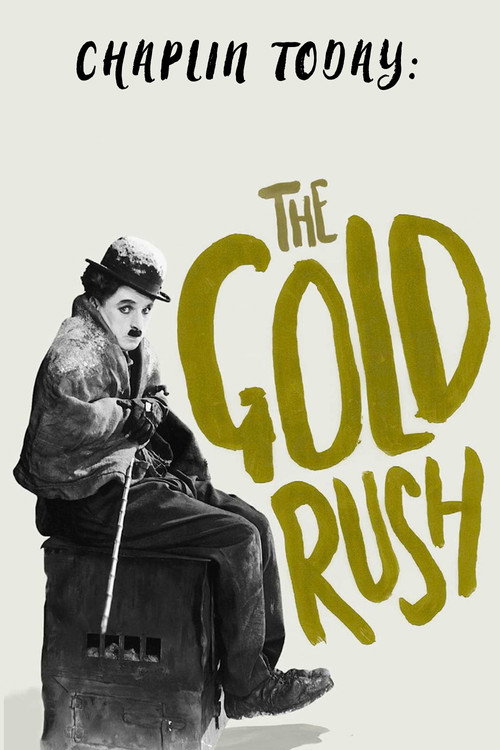
African filmmaker Idrissa Ouedraogo (YAABA) discusses the influence that Charlie Chaplin has been on his work, along with archival footage of interviews with several of Chaplin's co-stars.
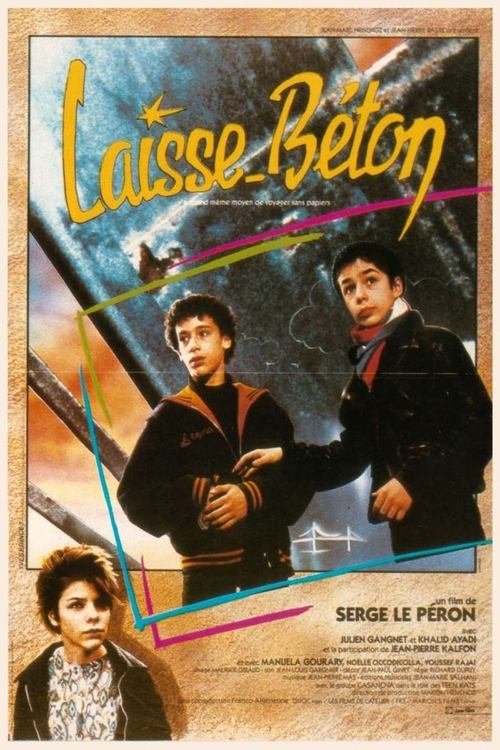
Brian and Nourredine are two lousy young offenders. Their flights have a motive: a film brought back from San Francisco where the father of Brian, singer of rock of the sixties, today in prison, made a tour.
Jacques Tourneur is a director of B movies, yet his films display such sophistication that they attract the attention of cinephiles. It was from the 1950s–1960s onward that his work began to gain recognition. Deeply marked by the uncanny and by fear, what does it reveal about the filmmaker’s personality? His apparent nonchalance may well be nothing more than a façade.
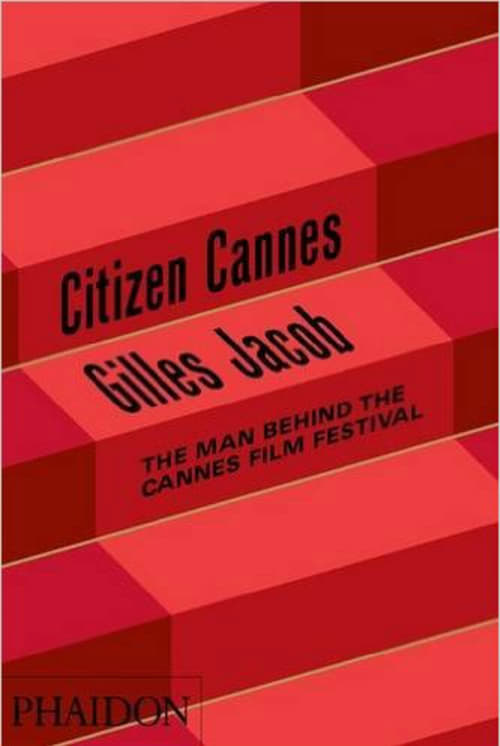
In 1978, Gilles Jacob landed what must seem like a dream job to many film buffs -- he became the director of the Cannes Film Festival, the world's biggest and most prestigious event for international cinema. Born in 1930 to a Jewish family, Jacob survived World War II by hiding out in a Catholic seminary, and developed a passion for movies as a teenager, attending school alongside future director Claude Chabrol. In his late teens, Jacob founded his own film magazine, Raccords, and he later became the chief film reviewer for L'Express (where he lost his job for having the temerity to give The Story of O a bad review). In 1978, Jacob took over as director of the Cannes Film Festival, and set out to make the world's greatest film festival even better by creating new showcases for promising talent (while still maintaining room for gifted veteran filmmakers), expanding the facilities and continuing to entertain and challenge audiences each year.
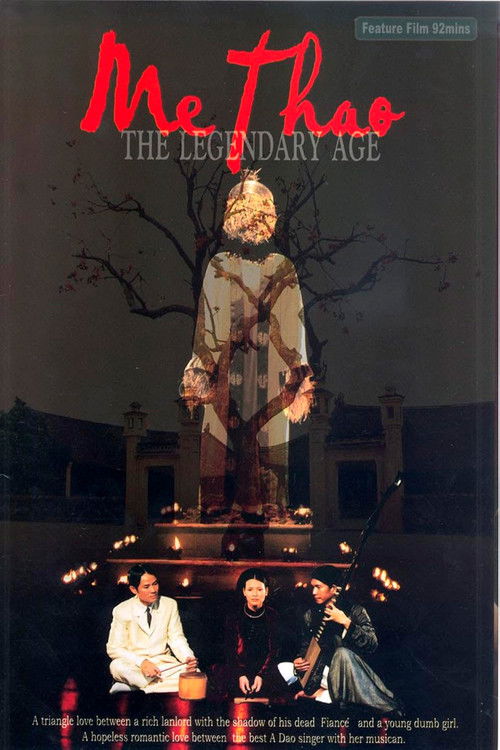
In early 20th century Vietnam, a nobleman scorns everything Western after his beautiful fiance dies in an auto wreck and forces the poor villagers to destroy all their "modern" possessions. Loosely based on the novel "Chùa Đàn" by Nguyễn Tuân
An analysis of the comportement of the French Communist Party during the Algerian War
A double of Sacha Guitry watches several scenes from the artist's films, reads out his letters, goes through his personal archives, and even asks opinions from other film directors on the phone.
Serge Daney was successively critic and editor of Cahiers du Cinéma in the 60s and 70s, then critic at Libération before founding Trafic a few months before his death. Through the dialogue established between some filmmakers of today and the thought of Serge Daney on the most diverse subjects, the film is the reconstitution of the look of a moviegoer on the world and the confrontation with our time.