Synopsis
You might also like

During the 1982 Cannes Film Festival, Wim Wenders asked a number of global film directors to, one at a time, go into a hotel room, turn on the camera, and answer a simple question: "What is the future of cinema?"
Room 666
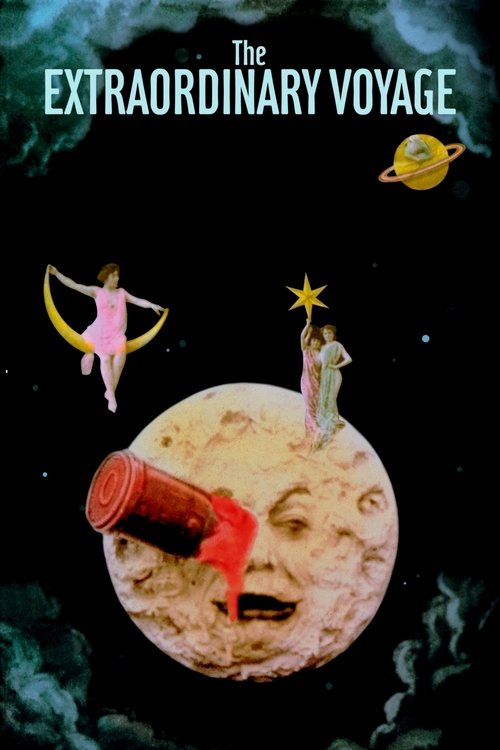
An account of the extraordinary life of film pioneer Georges Méliès (1861-1938) and the amazing story of the copy in color of his masterpiece A Trip to the Moon (1902), unexpectedly found in Spain and restored thanks to the heroic efforts of a group of true cinema lovers.
The Extraordinary Voyage
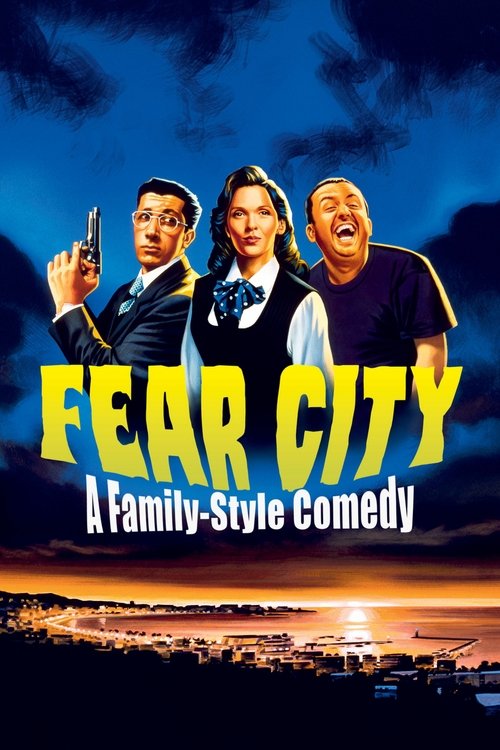
A second-class horror movie has to be shown at Cannes Film Festival, but, before each screening, the projectionist is killed by a mysterious fellow, with hammer and sickle, just as it happens in the film to be shown.
Fear City: A Family-Style Comedy
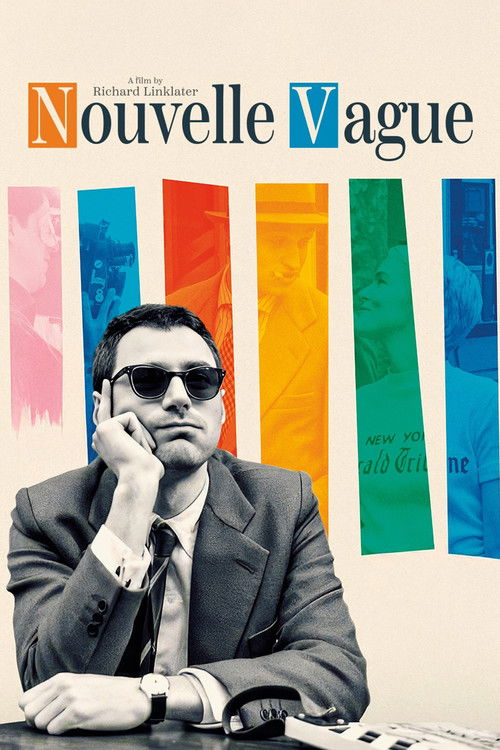
After writing for Cahiers du cinéma, a young Jean-Luc Godard decides making films is the best film criticism. He convinces producer Georges de Beauregard to fund a low-budget feature, and creates a treatment with fellow New Wave filmmaker François Truffaut about a gangster couple. The result? Breathless, one of the first features of the Nouvelle Vague era of French cinema.
Nouvelle Vague
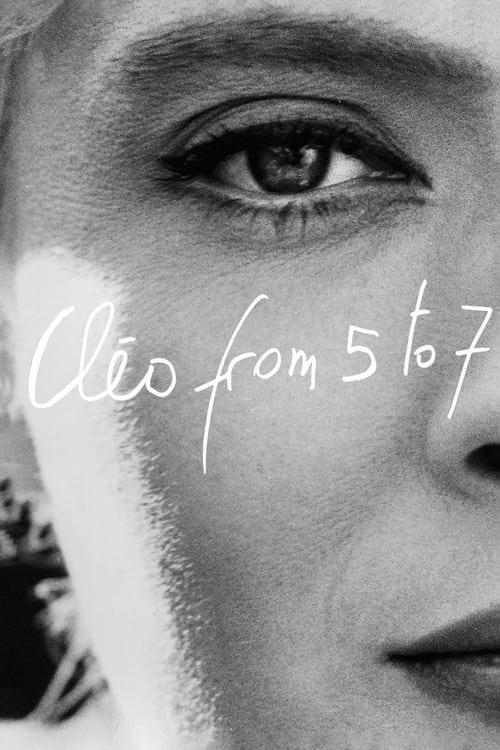
Agnès Varda eloquently captures Paris in the sixties with this real-time portrait of a singer set adrift in the city as she awaits test results of a biopsy. A chronicle of the minutes of one woman’s life, Cléo from 5 to 7 is a spirited mix of vivid vérité and melodrama, featuring a score by Michel Legrand and cameos by Jean-Luc Godard and Anna Karina.
Cléo from 5 to 7
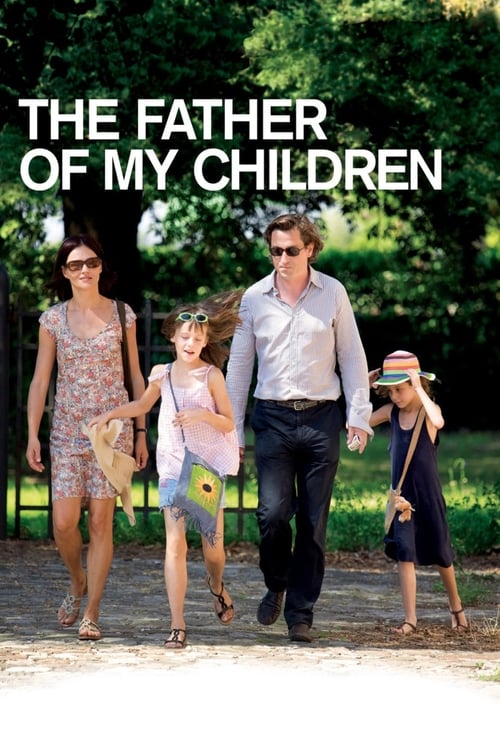
Grégoire Canvel has everything a man could want. A wife he loves, three delightful children, and a stimulating job. He's a film producer. Discovering talented filmmakers and developing films that fit his conception of the cinema-free and true to life-is precisely his reason for living. Yet his prestigious production company, Moon Films, is on its last legs.
Father of My Children
Olivier Assayas, Gus Van Sant, Wes Craven and Alfonso Cuaron are among the 20 distinguished directors who contribute to this collection of 18 stories, each exploring a different aspect of Parisian life. The colourful characters in this drama include a pair of mimes, a husband trying to choose between his wife and his lover, and a married man who turns to a prostitute for advice.
Paris Je T'aime

At age 25, Olivier Rousteing was named the creative director of the French luxury fashion house, Balmain. At the time, Rousteing was a relatively unknown designer, but in the decade since, he’s proven his business prowess and artistic instinct by leading Balmain to new heights. Wonderboy gives the viewer the rare opportunity to experience the inner sanctum of the fashion world, as we stand shoulder-to-shoulder with this extraordinary individual while he works.
Wonder Boy
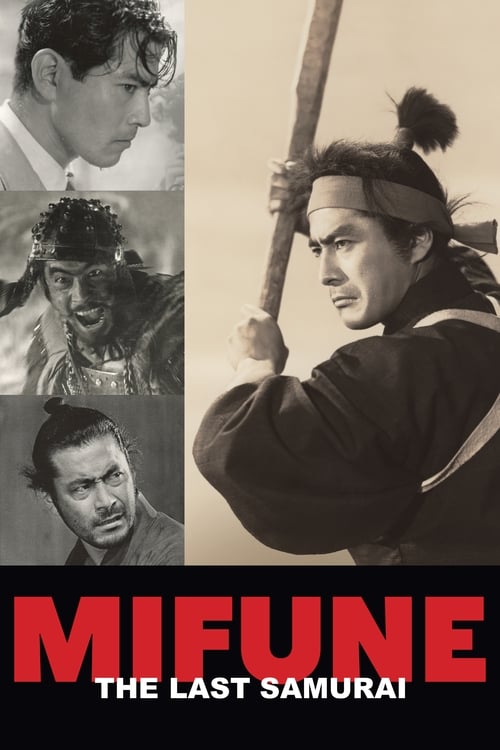
An account of the life and work of legendary Japanese actor Toshirō Mifune (1920-97), the most prominent actor of the Golden Age of Japanese cinema.
Mifune: The Last Samurai

France, 1983. The biggest architectural competition in history is launched by the new socialist president, François Mitterrand. Coveted by all the biggest international architectural firms, the open-call competition is surprisingly won by an unknown: Johan Otto von Spreckelsen, an architecture teacher from Copenhagen. Until then, the fifty-year-old Dane had built only four buildings: his home, and three small chapels.
The Great Arch
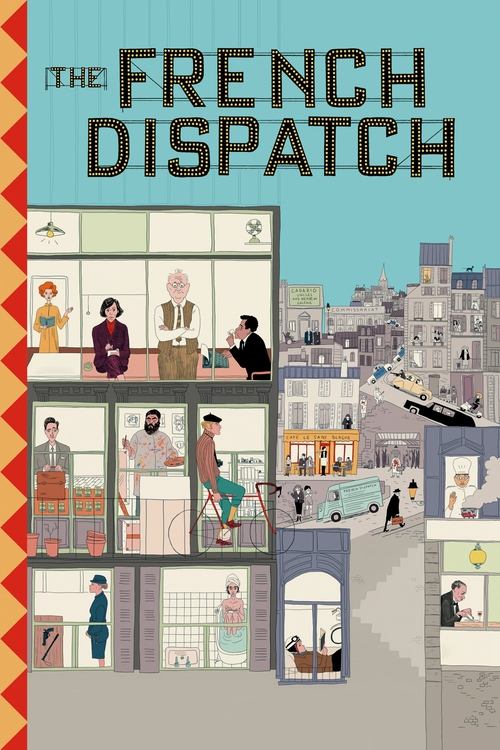
The staff of an American magazine based in France puts out its last issue, with stories featuring an artist sentenced to life imprisonment, student riots, and a kidnapping resolved by a chef.
The French Dispatch of the Liberty, Kansas Evening Sun
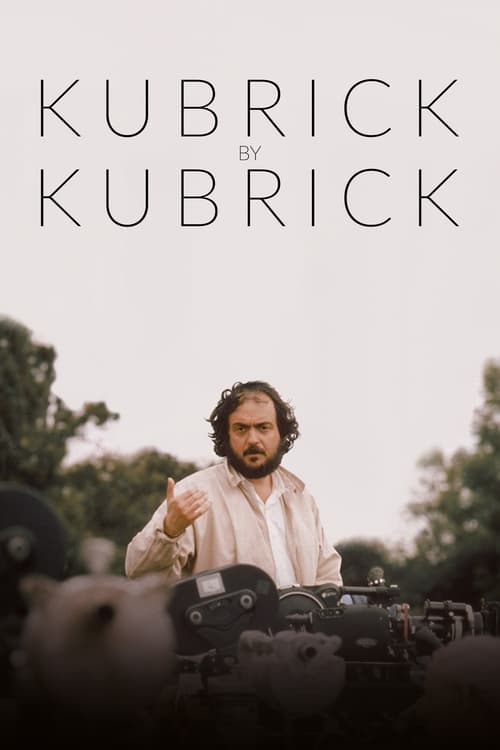
American filmmaker Stanley Kubrick (1928–1999), one of the greatest in history, but also one of the most reserved, gave few interviews throughout his long career, and none of them were filmed. A first-person journey through his life and work, based on a recorded conversation with French film critic Michel Climent.
Kubrick by Kubrick
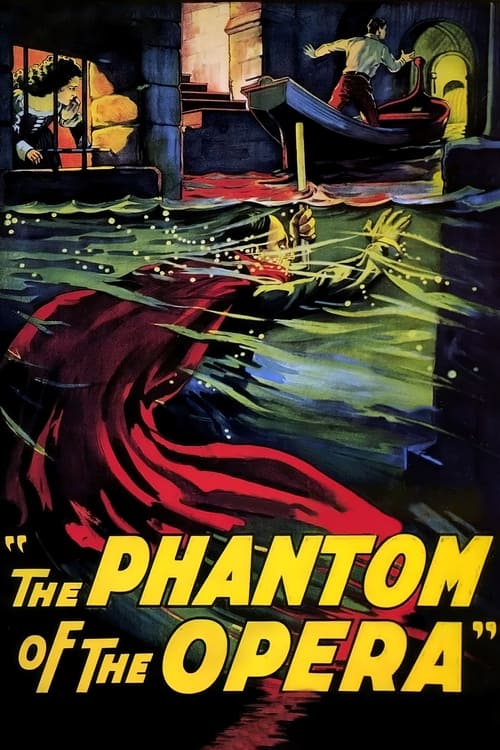
The deformed Phantom who haunts the Paris Opera House causes murder and mayhem in an attempt to make the woman he loves a star.
The Phantom of the Opera
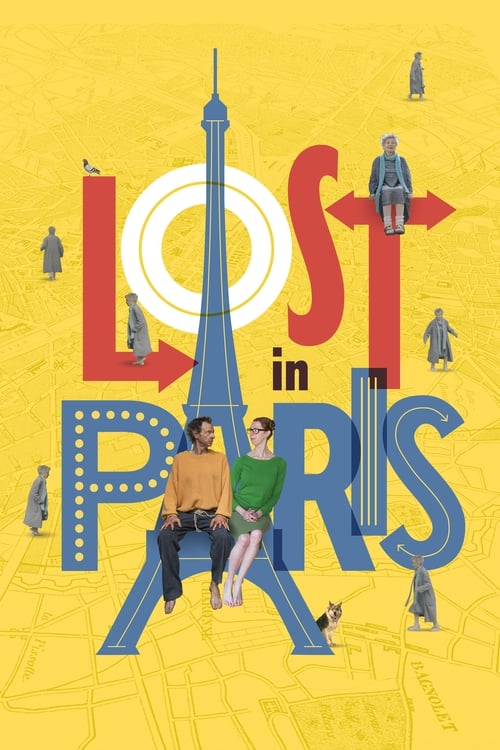
Fiona visits Paris for the first time to assist her myopic Aunt Martha. Catastrophes ensue, mainly involving Dom, a homeless man who has yet to have an emotion or thought he was afraid of expressing.
Lost in Paris

"Fanny" is the second part of the "Marseille trilogy", made by Marcel Pagnol with the generic name of "Marius, Fanny and César". Fanny falls in love and is abandoned by Marius. Now she discovers she is pregnant. Her mother and Marius's father, César, persuade her to accept the romantic advances of a much older man. To save face, Fanny accepts to marry Honoré Panisse, a rich merchant of the Vieux Port, 30 years her senior who will recognize her son.
Fanny
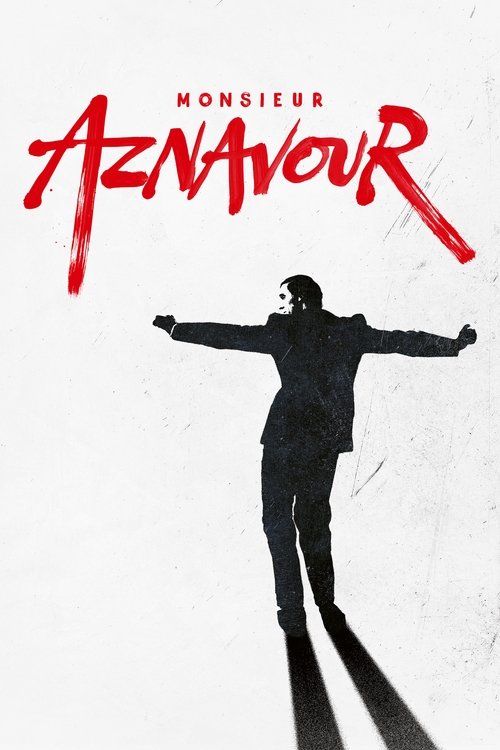
From his poor childhood to his rise to fame, from his triumphs to his failures, from Paris to New York, discover the exceptional journey of an artist. Intimate, intense, fragile and indestructible, devoted to his art until the very end, here is one of the most immortal singers of all time: MONSIEUR AZNAVOUR.
Monsieur Aznavour

During the 1960s, two American jazz musicians living in Paris meet and fall in love with two American tourist girls and must decide between music and love.
Paris Blues
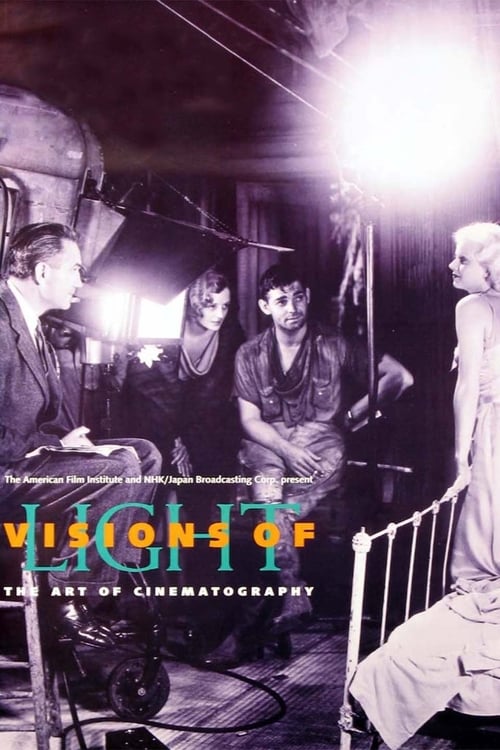
Cameramen and women discuss the craft and art of cinematography and of the "DP" (the director of photography), illustrating their points with clips from 100 films, from Birth of a Nation to Do the Right Thing. Themes: the DP tells people where to look; changes in movies (the arrival of sound, color, and wide screens) required creative responses from DPs; and, these artisans constantly invent new equipment and try new things, with wonderful results. The narration takes us through the identifiable studio styles of the 30s, the emergence of noir, the New York look, and the impact of Europeans. Citizen Kane, The Conformist, and Gordon Willis get special attention.
Visions of Light

On a business trip to the Cannes Film Festival, Manhee is accused of being dishonest, and fired. A teacher named Claire goes around taking photos with a Polaroid camera. She gets to know Manhee and sympathizes with her. Claire is like a person who can see Manhee's possible future or past selves, through the mysterious power of the beach tunnel. Through taking photos, Claire has acquired the ability to look slowly at things, and to transform objects. Now, Claire goes with Manhee to the café where she was fired. We look forward to seeing Claire's power at work.
Claire's Camera
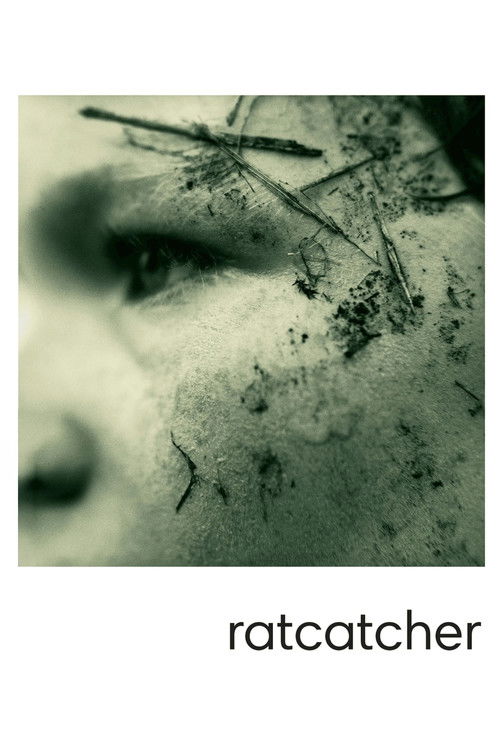
James Gillespie is 12 years old. The world he knew is changing. Haunted by a secret, he has become a stranger in his own family. He is drawn to the canal where he creates a world of his own. He finds an awkward tenderness with Margaret Anne, a vulnerable 14 year old expressing a need for love in all the wrong ways, and befriends Kenny, who possesses an unusual innocence in spite of the harsh surroundings.