FEEL IT.STREAM
Emile de Antonio

Emile de Antonio

Directing

Biography

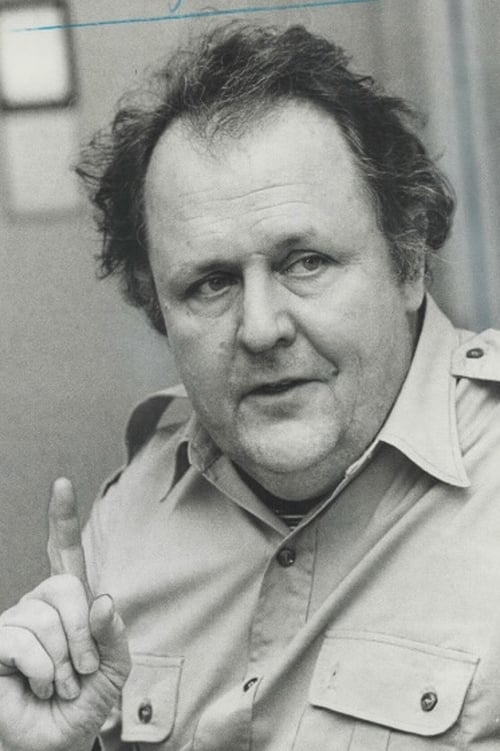
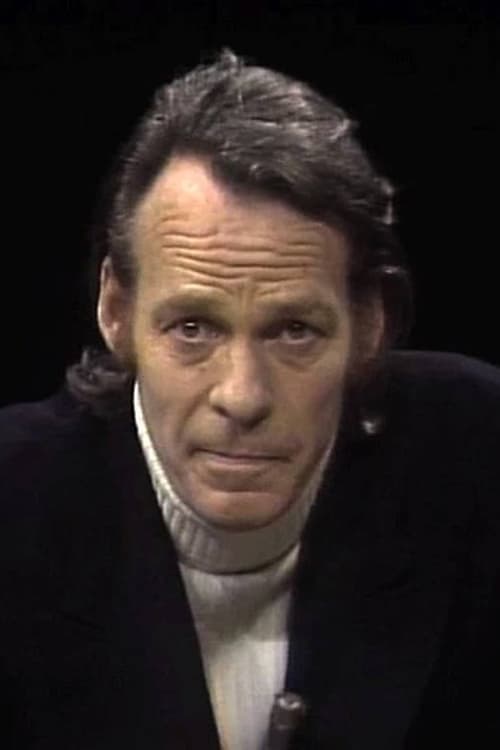
Emile Francisco de Antonio was an American director and producer of documentary films, usually detailing political, social, and counterculture events circa 1960s–1980s. From Wikipedia, the free encyclopedia
Known For

Screening Room
N/A

Independent filmmakers are given a chance to show and discuss their work on a commercial (ABC-TV) affiliate station.

Screening Room

1972
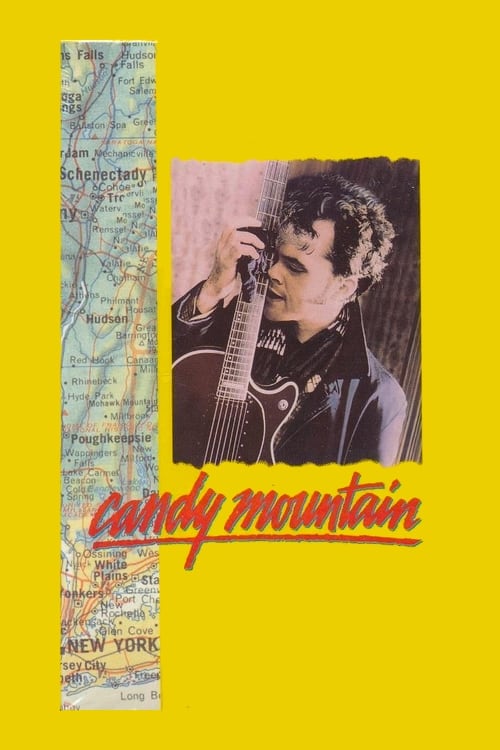
Candy Mountain
6.1

A mediocre musician goes on the road in search of the world's greatest guitar maker.

Candy Mountain

1988
Andy Warhol
7.0

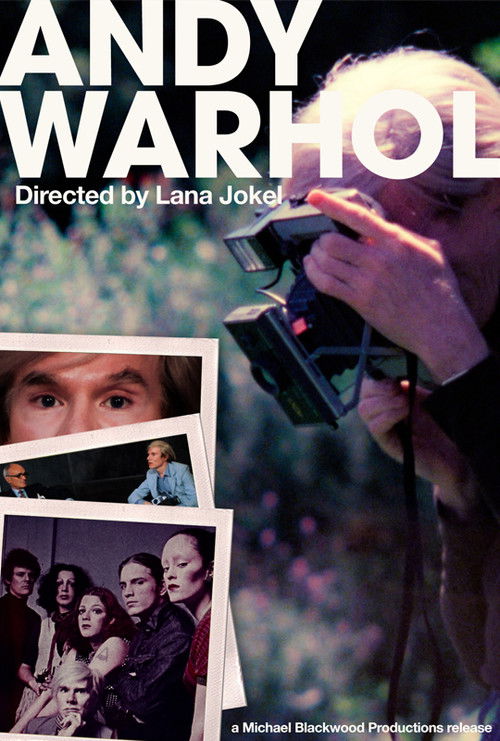
With a rambling, unstructured style that echoes Andy Warhol’s own approach to filmmaking, this documentary profiles his career, showing him to be a brilliant manipulator, dedicated voyeur and person of astute commercial judgment.

Andy Warhol

1972
Resident Alien
5.3

At age 73, writer and melancholy master of the bon mot, Quentin Crisp (1908-1999), became an Englishman in New York. Nossiter's camera follows Crisp about the streets of Manhattan, where Crisp seems very much at home, wearing eye shadow, appearing on a makeshift stage, making and repeating wry observations, talking to John Hurt (who played Crisp in the autobiographical TV movie, "The Naked Civil Servant"), and dining with friends. Others who know Crisp comment on him, on his life as an openly gay man with an effeminate manner, and on his place in the history of gays' social struggle. The portrait that emerges is of one wit and of suffering.

Resident Alien

1990
In the Year of the Pig
6.9

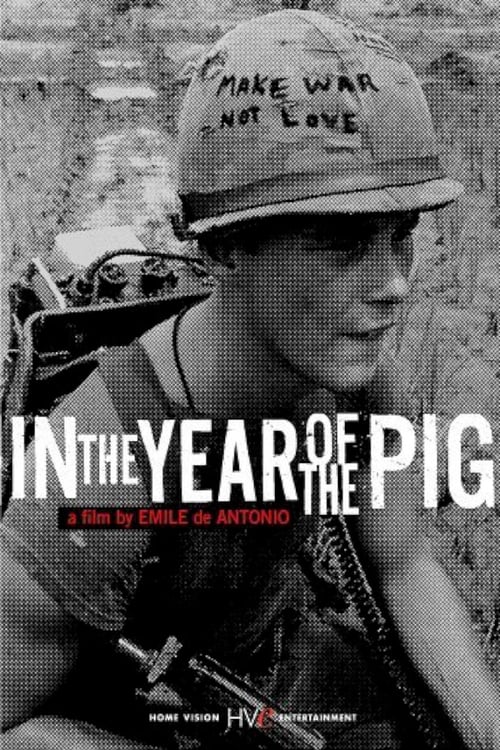
Both sober and sobering, producer-director Emile de Antonio’s In the Year of the Pig is a powerful and, no doubt for many, controversial documentary about the Vietnam War.

In the Year of the Pig

1969
No image
7.0

Documentary of the U.S. Senator Joseph McCarthy, who rose to prominence in the early 1950s by trumpeting allegations of a vast conspiracy by alleged Communist agents whom he claimed had infiltrated the U.S. government, media, film industry, labor unions and other organizations.

McCarthy: Death of a Witch Hunter

1975
Millhouse
6.9

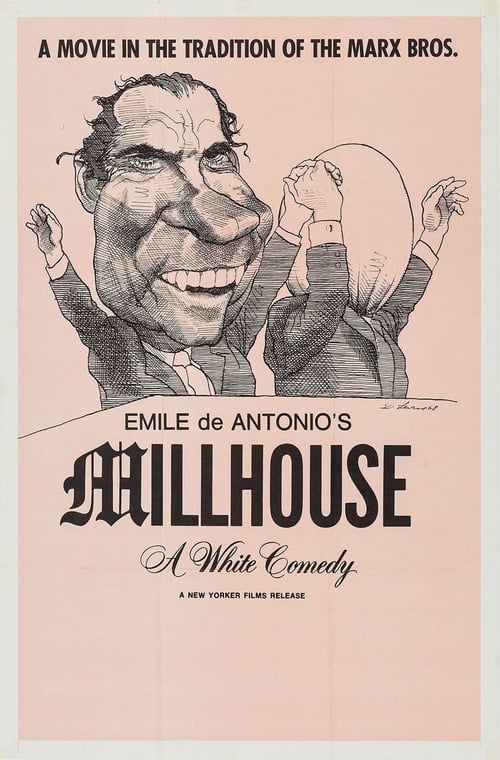
Emile de Antonio's film decimates Richard Nixon and exposes him as a paranoid, power mad lunatic... de Antonio compiles (via video and film) what amounts to the "best of" one of the worst political figures of the 20th century. Nixon was a shameless self-promoter while trying desperately to convince everyone that he wasn't. Through Alger Hiss and the "Checkers" speech to the character assassination of Helen Gahagan Douglas (among others), there are few stones left unturned.

Millhouse

1971
Underground
7.3

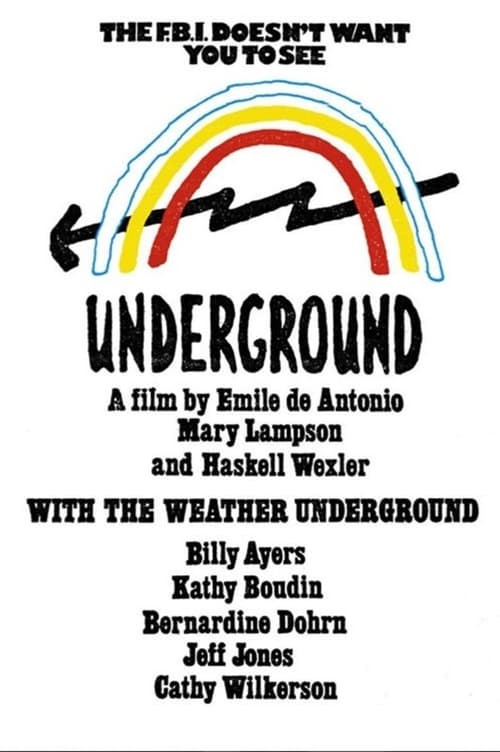
A documentary about the Weathermen, founded as a militant faction of the Students for a Democratic Society (SDS), who fought to overthrow the U.S. government during the 1960s and 1970s. The film consists of interviews with members of the group after they went underground and footage of the anti-war and civil rights protests of the time. It was directed by Emile de Antonio, Haskell Wexler and Mary Lampson, later subpoenaed by the Federal Bureau of Investigation in an attempt to confiscate the film footage in order to gain information that would help them arrest the Weathermen.

Underground

1976
Painters Painting
7.0

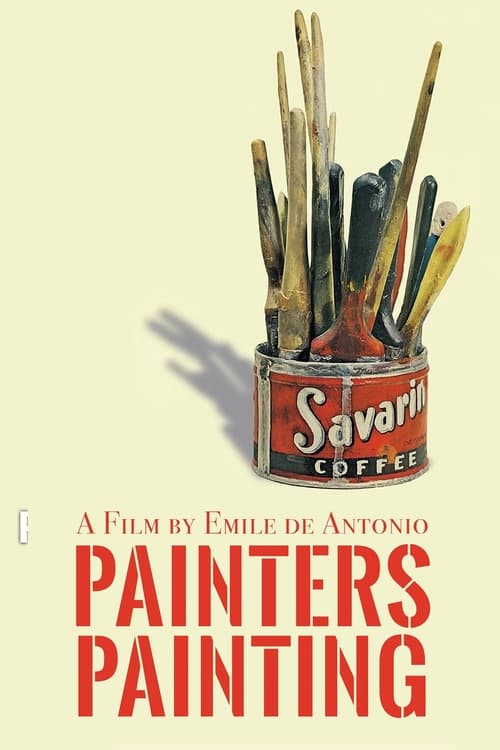
Painters Painting: The New York Art Scene 1940-1970 is a 1972 documentary directed by Emile de Antonio. It covers American art movements from abstract expressionism to pop art through conversations with artists in their studios. Artists appearing in the film include Willem de Kooning, Jasper Johns, Andy Warhol, Robert Rauschenberg, Helen Frankenthaler, Frank Stella, Barnett Newman, Hans Hofmann, Jules Olitski, Philip Pavia, Larry Poons, Robert Motherwell, and Kenneth Noland.

Painters Painting

1973
In the King of Prussia
6.7

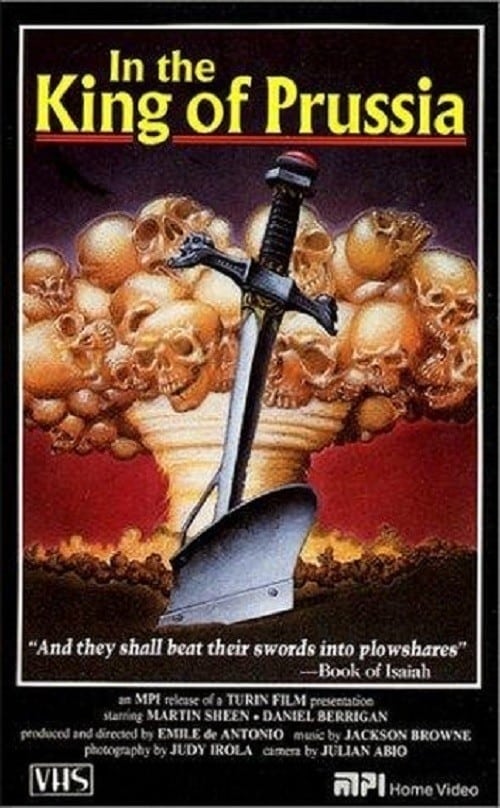
Dramatization of the trial of Christian anti-war activists, known collectively as the "Plowshares Eight". In September 1980, they broke into a General Electric weapons plant in King of Prussia, Pennsylvania, and in an act of protest against nuclear proliferation, poured vials of their own blood onto secret missile plans, burned other files, and damaged nosecones intended for nuclear missiles. The direct-to-video production is intercut with clips from actual news coverage of the trial. The "Plowshares Eight" portray themselves in the production, and after taping was complete, reported to court for their imprisonment.

In the King of Prussia

1983
Point of Order!
6.4

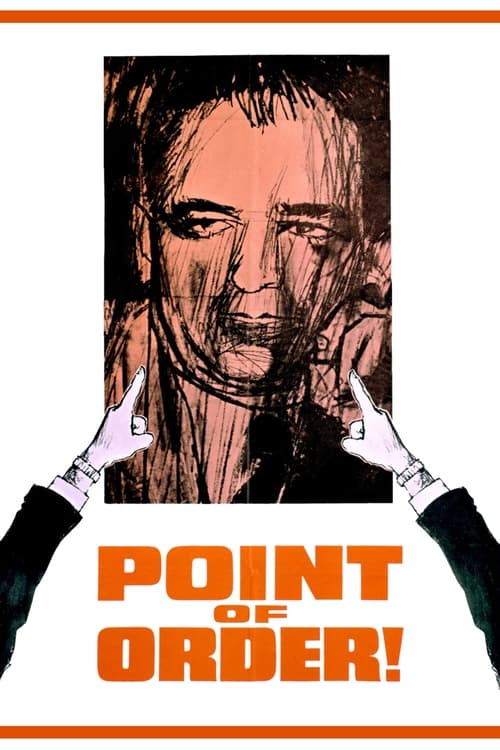
Point of Order is compiled from TV footage of the 1954 Army-McCarthy hearings, in which the Army accused Senator McCarthy of improperly pressuring the Army for special privileges for Private David Schine, formerly of McCarthy's investigative staff. McCarthy accused the Army of holding Schine hostage to keep him from searching for Communists in the Army. These hearings resulted in McCarthy's eventual censure for conduct unbecoming a senator.

Point of Order!

1964
Fire in the East: A Portrait of Robert Frank
N/A

Presents an intimate view of four decades of the Swiss-born artist Robert Frank who has had an extraordinary influence on contemporary photography and filmmaking. This documentary which examines his life through his films and photographs, includes interviews with many of his collaborators and contemporaries. Written, directed and edited by Philip Brookman, Amy Brookman

Fire in the East: A Portrait of Robert Frank

1986
No image
10.0

Paul Mills is a miserable, lonely man leading a meaningless existence in a nameless city and has visions of the Spirit of Death waiting to collect him while having encounters with various people while seeking solace for his short life knowing it will end soon. Shadows in the City was the last major work of New York’s 1980s No Wave film scene. Shot over seven years in Manhattan, Brooklyn, and Queens, painter-performer Ari Roussimoff’s only fiction feature captures the urban desolation of the city in the decade before gentrification.

Shadows in the City

1991
Rush to Judgment
6.7

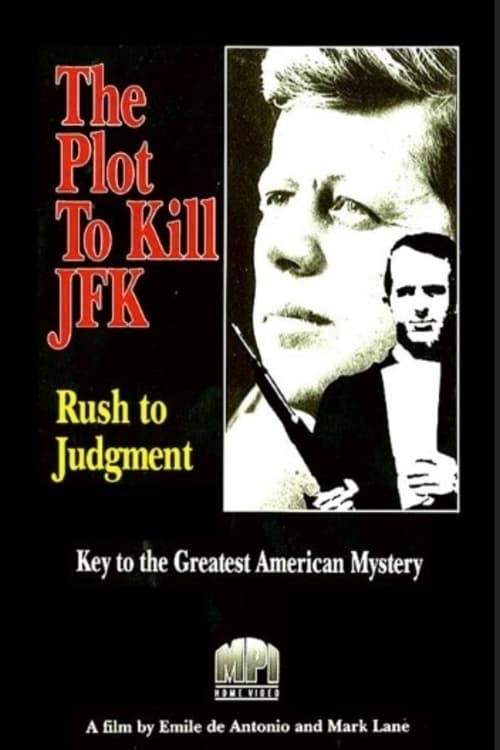
Mark Lane interviews witnesses to the Kennedy assassination and exposes serious flaws in the conclusions made by the Warren Commission.

Rush to Judgment

1967
No image
8.0

"In January 1965, over drinks at the Russian Tea Room, the documentary filmmaker Emile de Antonio (Point of Order, In the Year of the Pig) warily agreed to collaborate with Warhol on a movie. Believing their politics and art to be absurdly different, De Antonio instead gamely proposed to drink an entire quart of J&B scotch in 20 minutes under the unflinching, voyeuristic gaze of Warhol’s camera. Their Factory session, recorded in this film, instead lasted 66 minutes, its grand finale a reckless and grandiose De Antonio writhing on the floor, clawing the walls, and speaking in tongues." - MoMA

Drunk

1965
America Is Hard to See
10.0

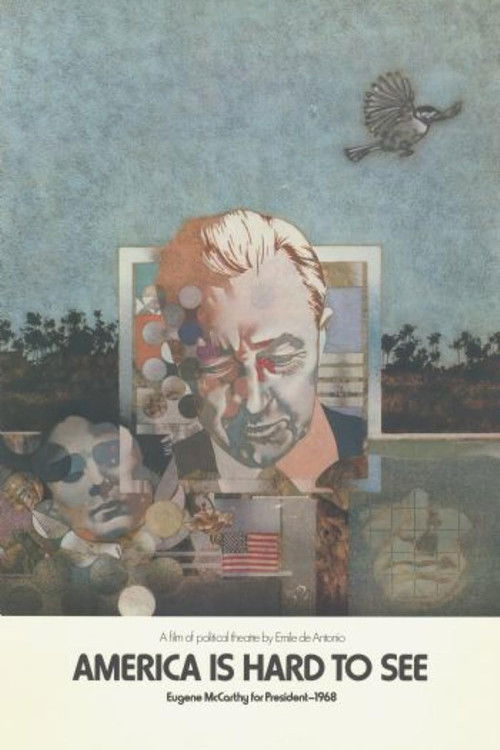
The tumultuous year of 1968 and the candidacy of Eugene McCarthy for the U.S. Presidency, culminating in the Democratic convention in Chicago.

America Is Hard to See

1970
Mr. Hoover and I
5.8

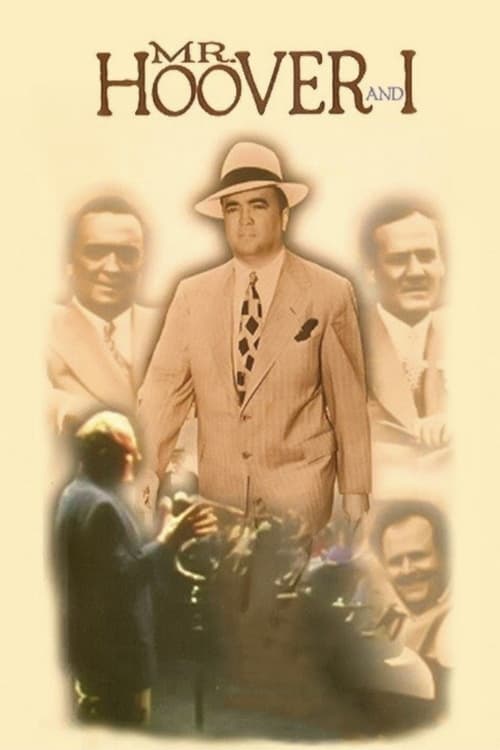
Celebrated documentary filmmaker Emile DeAntonio discusses his comtempt for J Edgar Hoover, the Federal Bureau of Investigation (FBI), and American political intolerance in general.

Mr. Hoover and I

1989