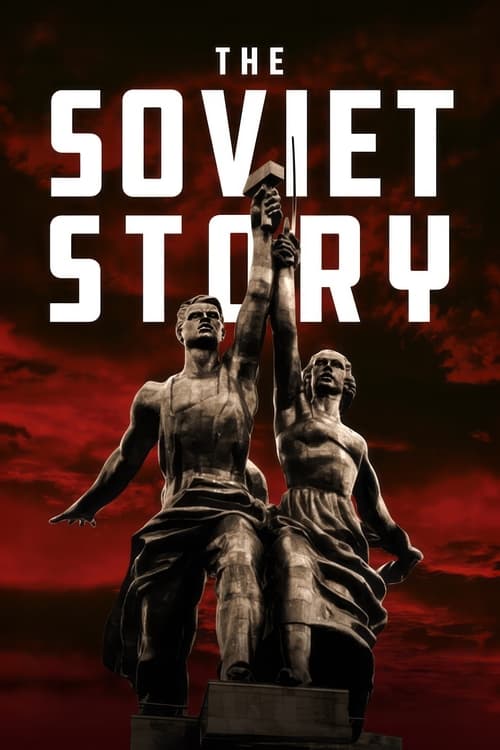
“The Soviet Story” is a story of an Allied power, which helped the Nazis to fight Jews and which slaughtered its own people on an industrial scale. Assisted by the West, this power triumphed on May 9th, 1945. Its crimes were made taboo, and the complete story of Europe’s most murderous regime has never been told. Until now...
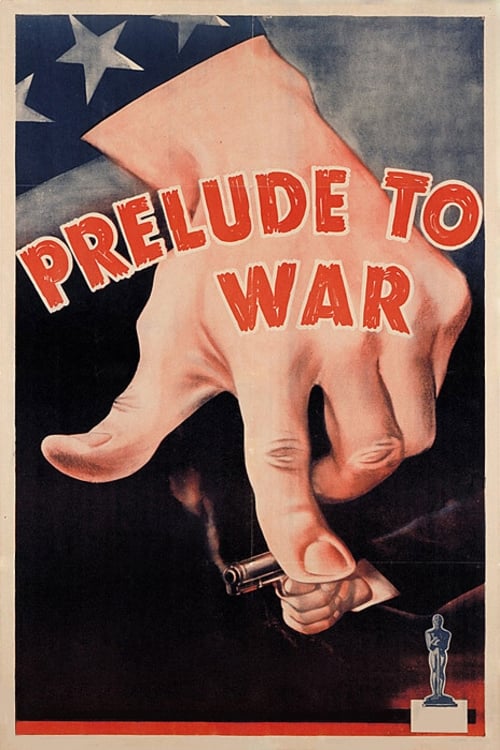
Oscar® du meilleur documentaire en 1943, ce film est le premier de la série Pourquoi nous combattons produite par le Département de la Guerre américain. L’objectif est de décrire et d’expliquer les événements qui ont poussé les États-Unis à entrer en guerre. Les systèmes totalitaires et répressifs allemands, italiens et japonais sont décryptés et opposés à la grande puissance démocratique des États-Unis.
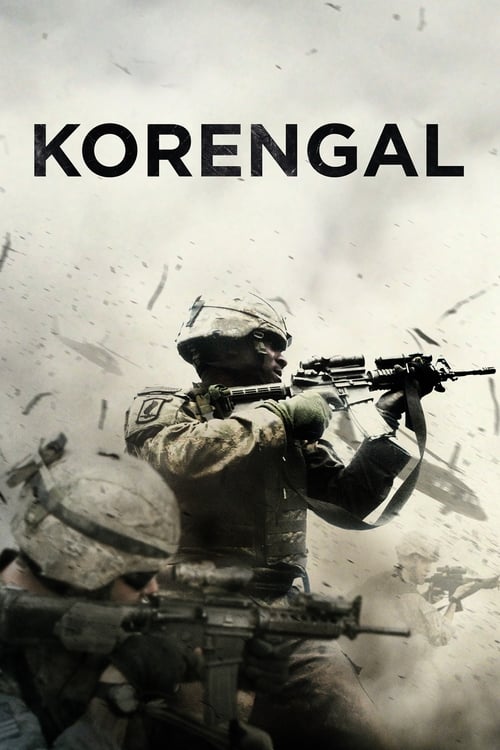
Korengal reprend là où Restrepo s'est arrêté; les mêmes hommes, la même vallée, les mêmes commandants, mais un regard très différent sur l'expérience de la guerre.
During the chaotic final weeks of the Vietnam War, the North Vietnamese Army closes in on Saigon as the panicked South Vietnamese people desperately attempt to escape. On the ground, American soldiers and diplomats confront a moral quandary: whether to obey White House orders to evacuate only U.S. citizens.
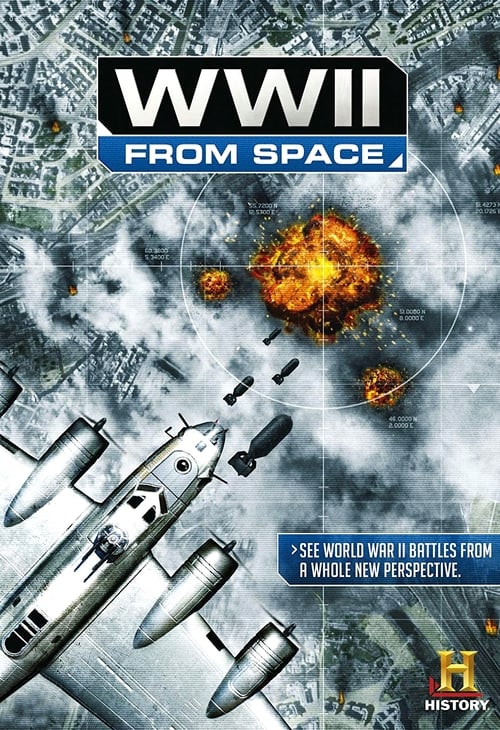
WWII from Space delivers World War II in a way you've never experienced it before. This HISTORY special uses an all-seeing CGI eye that offers a satellite view of the conflict, allowing you to experience it in a way that puts key events and tipping points in a global perspective. By re-creating groundbreaking moments that could never have been captured on camera, and by illustrating the importance of simultaneity and the hidden effects of crucial incidents, HISTORY presents the war's monumental moments in a never-before-seen context. And with new information brought to the forefront, you'll better understand how a nation ranked 19th in the world's militaries in 1939 emerged six years later as the planet's only atomic superpower.
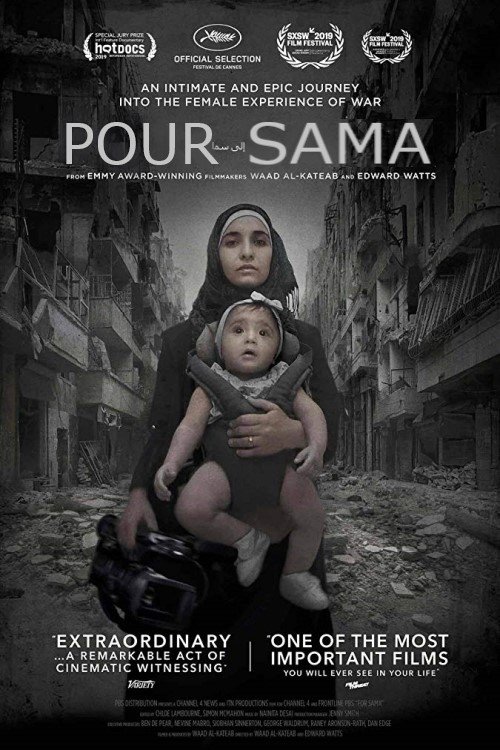
Waad al-Kateab est une jeune femme syrienne qui vit à Alep lorsque la guerre éclate en 2011. Sous les bombardements, la vie continue. Waad tombe amoureuse, se marie avec Hamza et donne naissance à sa fille, Sama. Elle filme au quotidien les pertes, les espoirs et la solidarité du peuple d’Alep. Son mari médecin sauve des centaines de vies dans un hôpital de fortune. Le couple est déchiré entre la protection de leur enfant et leur combat pour la liberté.
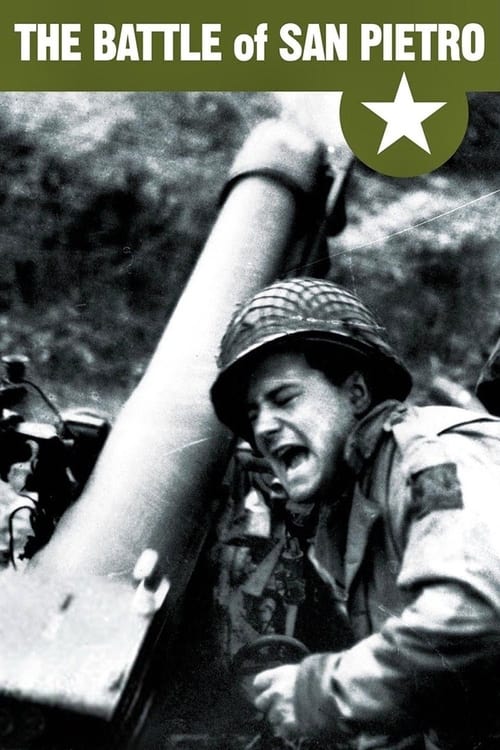
Fin 1943, après le débarquement en Italie, John Huston fut chargé de réaliser un documentaire sur l’avancée triomphale des troupes américaines sur Rome. Filmant des combats d’une rare violence, il réalisa l’un des plus bouleversants témoignages sur les horreurs de la guerre.
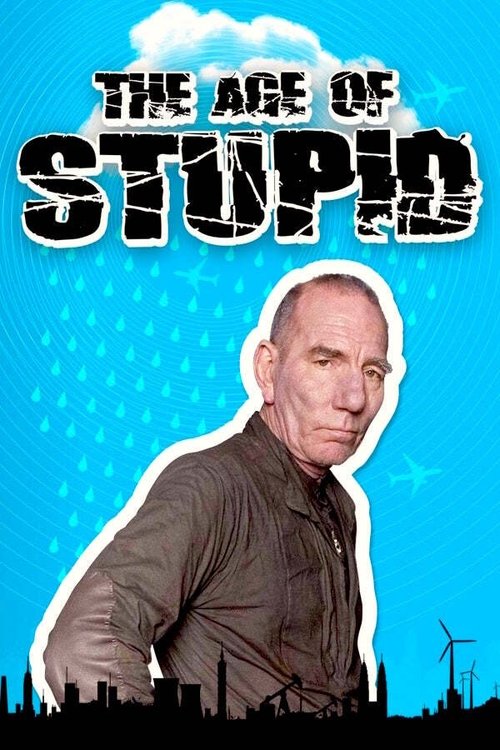
2055, un homme seul en haut d'une tour s'installe devant son ordinateur relié à l'ensemble des archives vidéo du monde. Face au monde dévasté qui l'entoure, il se pose la question suivante : pourquoi n'avons nous pas réagi lorsqu'il était encore temps ? Pour y répondre, il ouvre les archives de 2008.
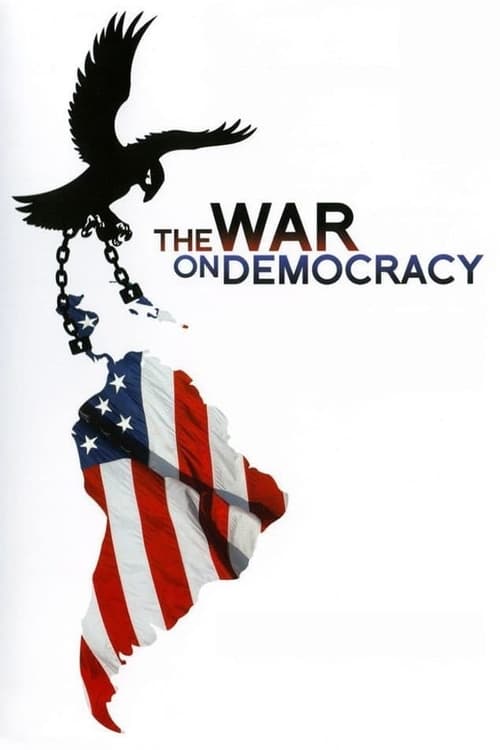
Set both in Latin America and the United States, the film explores the historic and current relationship of Washington with countries such as Venezuela, Bolivia and Chile. Pilger says that the film "...tells a universal story... analysing and revealing, through vivid testimony, the story of great power behind its venerable myths. It allows us to understand the true nature of the so-called "war on terror". According to Pilger, the film’s message is that the greed and power of empire is not invincible and that people power is always the "seed beneath the snow".

En 1945, le cinéaste Alfred Hitchcock est engagé pour superviser le montage d'un documentaire produit par l'armée britannique sur la libération des camps de concentration nazis. Un film qui était destiné à montrer au peuple allemand les atrocités qui avaient été commises en son nom par les nazis. Une fois le film terminé, celui-ci fut cependant enterré pour des raisons politiques et jamais diffusé. Il fut alors simplement déposé à l'Imperial War Museum, à Londres, où dans les années 1980, les pellicules y ont été redécouvertes par un chercheur américain. Le film a fait l'objet d'une restauration complète respectant les choix du cinéaste. "Night Will Fall" retrace l’histoire de ce film pas fini, qui était connue longtemps sous le nom "The missing Hitchcock"...
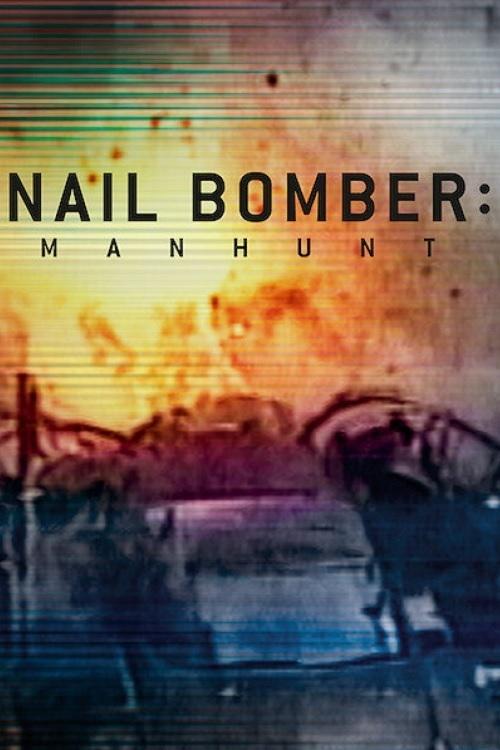
Ce documentaire examine les attentats à la bombe de Londres de 1999 qui ont visé les communautés noires, bangladaises et gays, et la course à la recherche de l'agresseur d'extrême droite. Il a terrorisé une ville, cherchant à déclencher une guerre raciale, mais la justice était rendue par ceux qui ne voulaient pas laisser sa haine l'emporter.
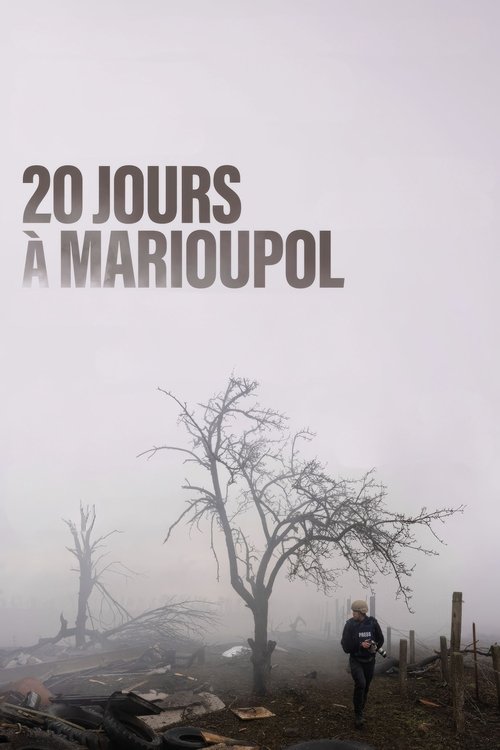
Février 2022. Une équipe de journalistes ukrainiens de l’Associated Press (AP), piégée dans la ville assiégée de Marioupol, filme les atrocités de l'invasion russe. Seuls reporters internationaux sur place, ils capturent ce qui deviendra plus tard des images marquantes de la guerre. Au plus près des civils, le réalisateur Mstyslav Chernov et son équipe, récompensés du prix Pulitzer, livrent un témoignage capital sur la réalité de la guerre qui déchire leur pays. Ils offrent un récit puissant et déchirant des civils pris dans le piège, ainsi qu'une réflexion sur la responsabilité d'un reporter en zone de conflit et sur l'impact d'un tel journalisme à l'échelle mondiale.
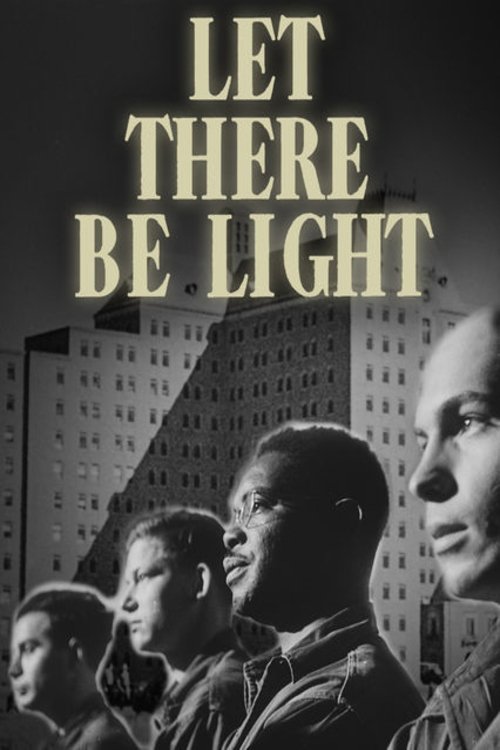
Bouleversant témoignage sur les horreurs de la guerre censuré jusqu’en 1980, Que la lumière soit est aujourd’hui considéré comme l’un des meilleurs films jamais réalisés sur les conséquences psychologiques de la guerre.
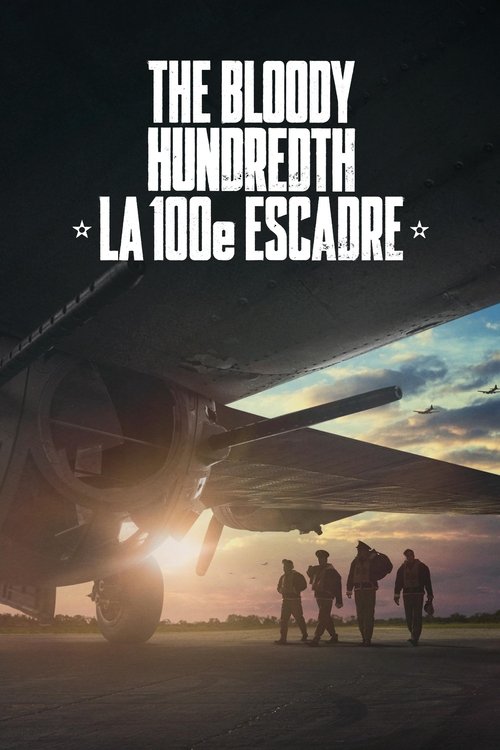
Rencontrez les vrais aviateurs ayant inspiré Masters of the Air à travers leur récit poignant et marquant sur le 100e groupe de bombardement.
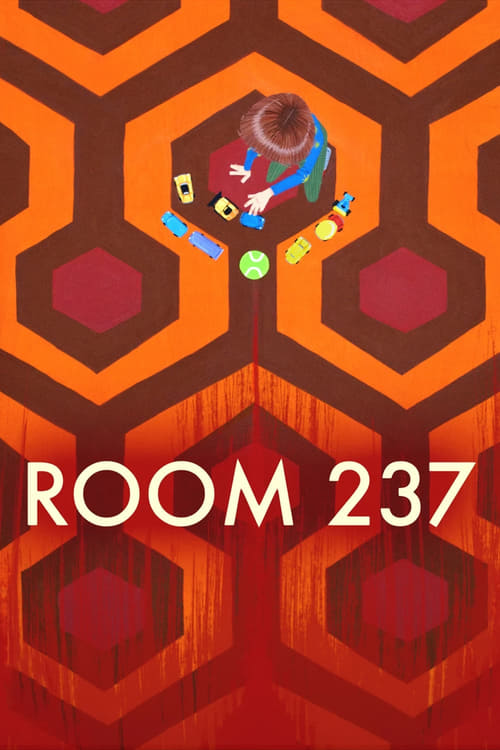
En 1980, Stanley Kubrick signe SHINING, qui deviendra un classique du cinéma d’horreur. A la fois admiré et vilipendé, le film est considéré comme une œuvre marquante du genre par de nombreux experts, tandis que d’autres estiment que Kubrick s’est dévoyé en la réalisant. Mais il y a aussi des fans acharnés qui ont voué leur vie au décryptage des messages cachés de ce film culte… Théories du complot ? Ont ils décrypté les messages secrets de Shining ?
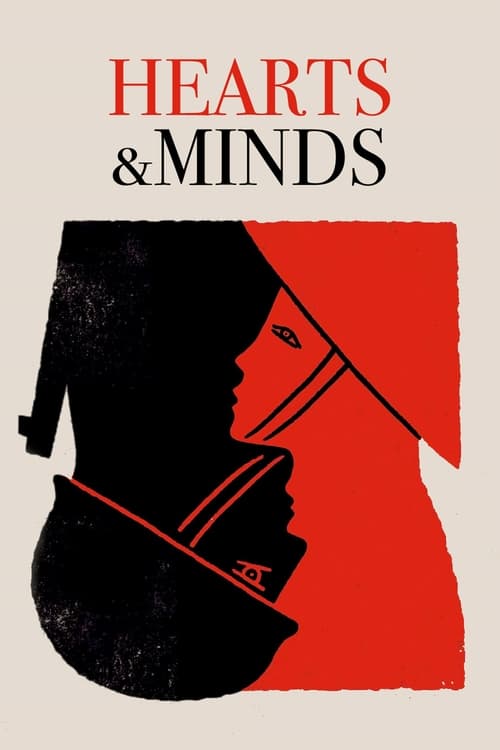
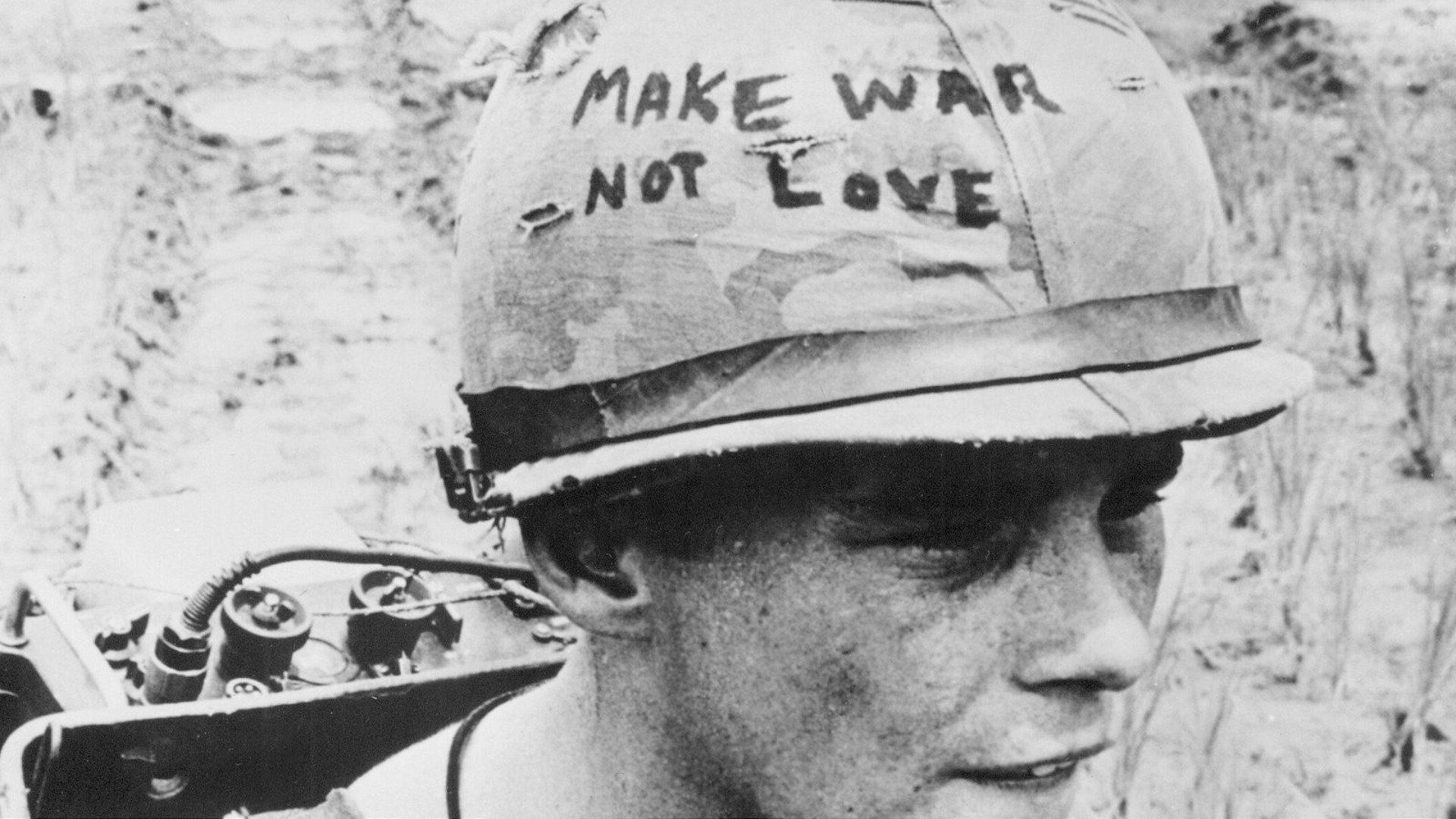
Un documentaire soulignant, à travers des images d'archives et des témoignages, les enjeux et les attitudes contradictoires des témoins de la guerre du Viêtnam. Le titre vient directement d'un discours du président Lyndon Johnson qui déclara, en tentant de justifier l'envoi de soldats au Viêtnam, que l'ultime victoire ne se gagnerait qu'avec le cœur et l'esprit des hommes qui vivent là-bas.

La police arrête une femme qui affirme qu'elle vient d'accoucher. Mais ni le bébé ni le sang ne sont les siens. Les mensonges se succèdent dans ce documentaire sur un crime réel.
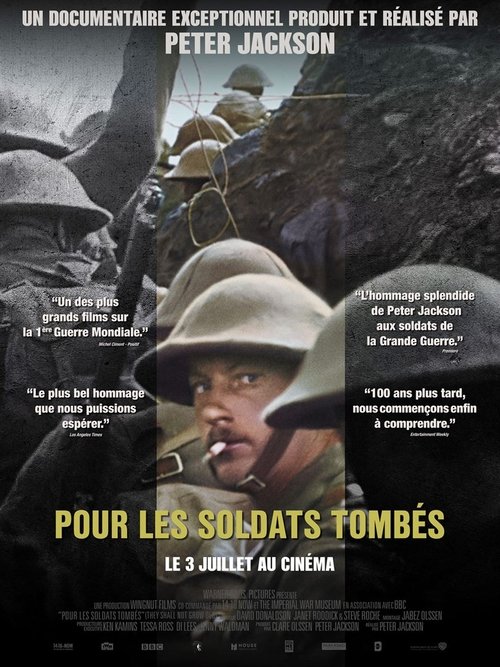
Entre 1914 et 1918, un conflit mondial change à jamais le cours de l’histoire. Les hommes et femmes qui y ont participé ne vivaient pas dans un monde silencieux, en noir et blanc. Un voyage dans le temps pour revivre l‘histoire avec ceux qui y étaient.

City of Ghosts, véritable thriller international, expose un nouveau type de guerre : une bataille médiatique d’idées, un combat pour les cœurs et les esprits, pour les clics et le nombre de vues sur internet. Il suit le périple de Raqqa is being Slaughtered Silently (« Raqqa est assassiné en silence »), une poignée de journalistes citoyens anonymes qui se sont regroupés après la prise de leur pays par l’État Islamique en 2014. Avec un accès étonnant et profondément personnel, c'est l'histoire de ce groupe de courageux citoyens, qui, plutôt que s’exiler et fuir, affrontent cette réalité chaotique et risquent leur vie pour résister face à l’un des plus grands maux dans le monde aujourd’hui.
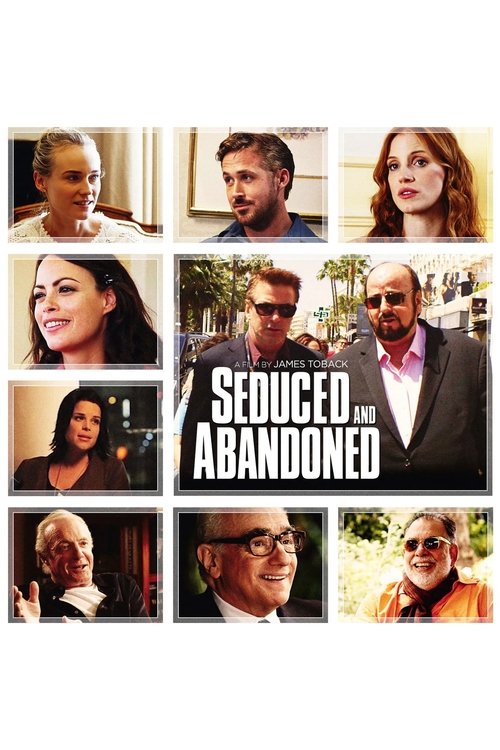
Un documentaire sur la difficulté de monter un film.
Connectez-vous pour donner votre avis
Partagez votre opinion avec la communauté.