Writing
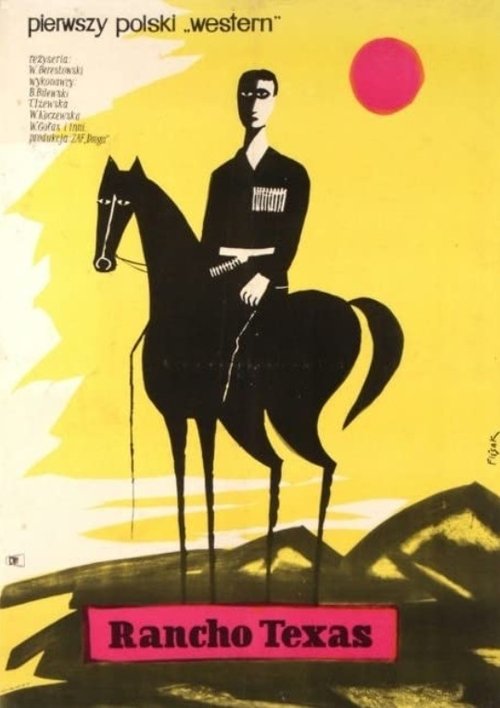
Two zootechnics students, Jacek and Marek, come to the Bieszczady (it's the Polish "Wild West"). Looking for a holiday adventure and income, they become "cowboys" on local cattle grazing. Instead of the expected romantic adventures and the male, hard life, their boredom is becoming their share. Only when Jacek gets a stallion Szaga, things take a different turn.
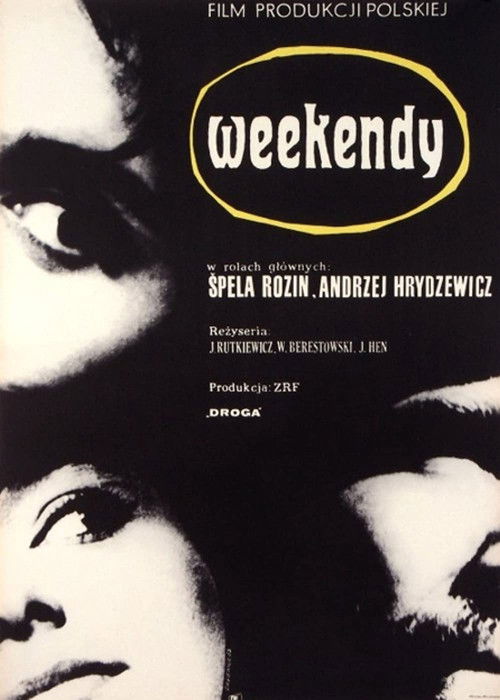
An intimate psychological drama consisting of two separate stories, the heroes of which represent the attitudes of young people, which were rarely manifested in the early 1960s.
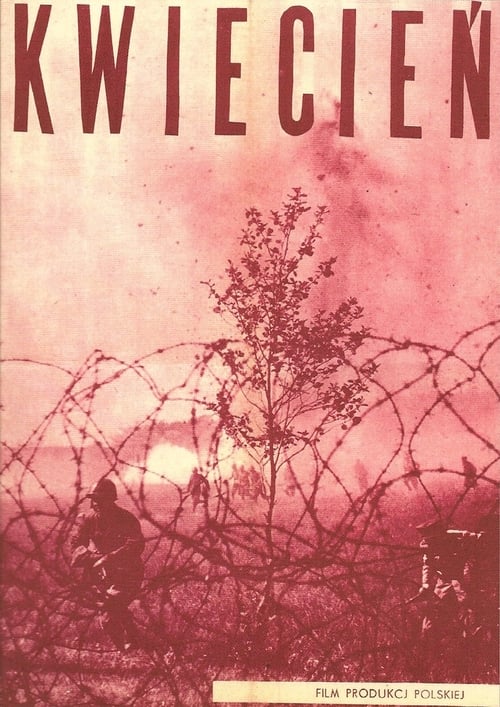
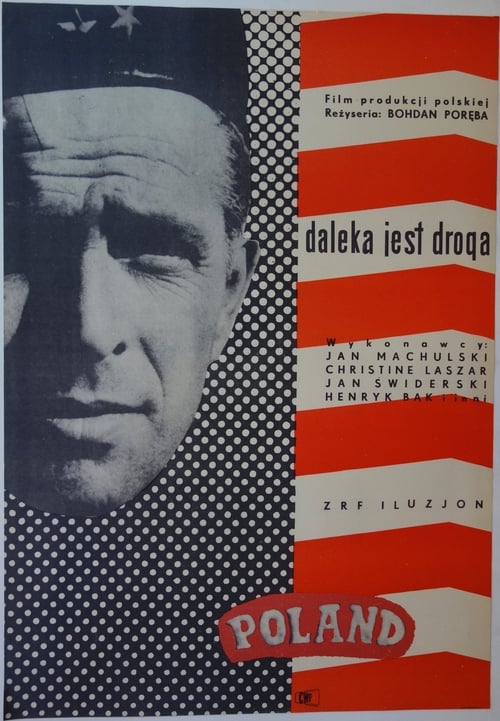
Set at the end of the war. A hot-headed colonel tries to force his men on to heroics although the war is almost over. A war-weary lieutenant tries to muffle his efforts but he keeps on with his men and is killed fighting in the front lines, all his men decide to get his body.
No description available.
An American actress temporarily stops in Warsaw on her way to Japan, where she gets acquainted with the Polish writer.
In IX century Europe, on the brink of Poland's birth, a cruel prince, Popiel, murders his cousins to ensure his son's succession. His crimes lead to an uprising of his subjects lead by the former commander of Popiel's army, Piastun, and a young hunter and warrior, Ziemowit. Meanwhile Ziemowit falls in love with Dziwa, lovely girl who is to become a priestess in the local temple ...
Adaptation of several autobiographical novels by Zbigniew Uniłowski, a well-known writer of the interwar period: "Common Room", "Recruit Day", "Twenty Years of Life". The first three episodes are a story about the maturation of a teenage boy in a poor urban environment. The next ones show an adult hero who tries to become a writer.
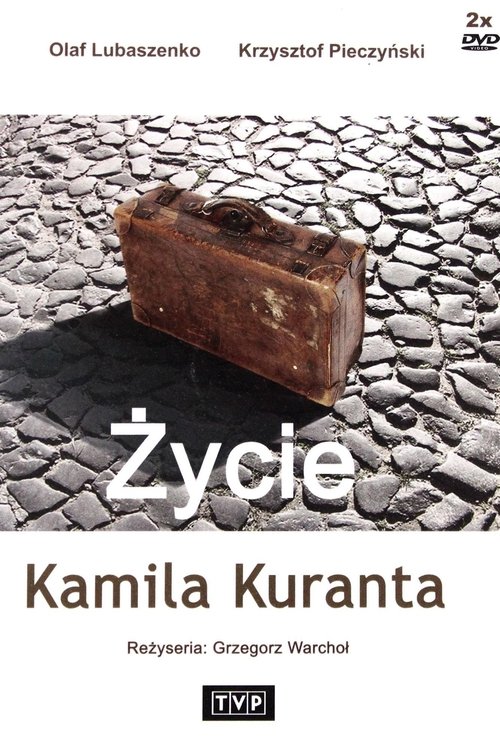
After WWII a soldier returns to his Polish homeland from Scotland.
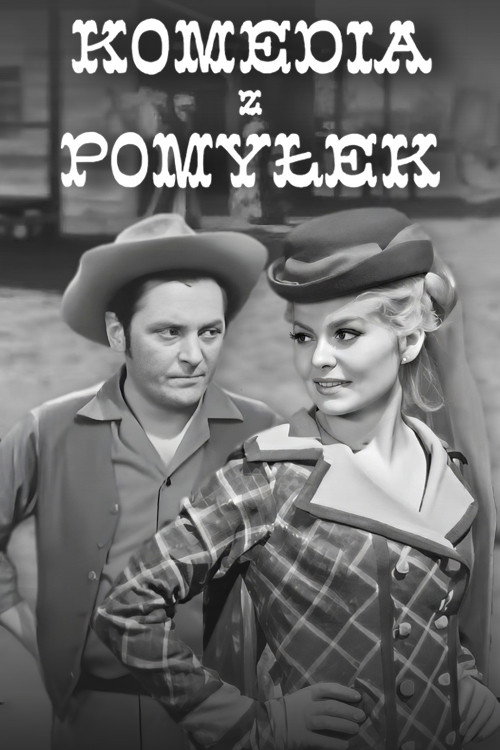
The action takes place in the second half of the 19th century in a small Californian town in the Wild West. Hans, a German émigré, opens a shop on one of the streets. To his annoyance, his fellow countryman, young and beautiful Lora, sets up a shop on the opposite side. There is fierce competition. Lora decides to take Hans to court. However, unfamiliar with German, the judge mistakenly marries them.
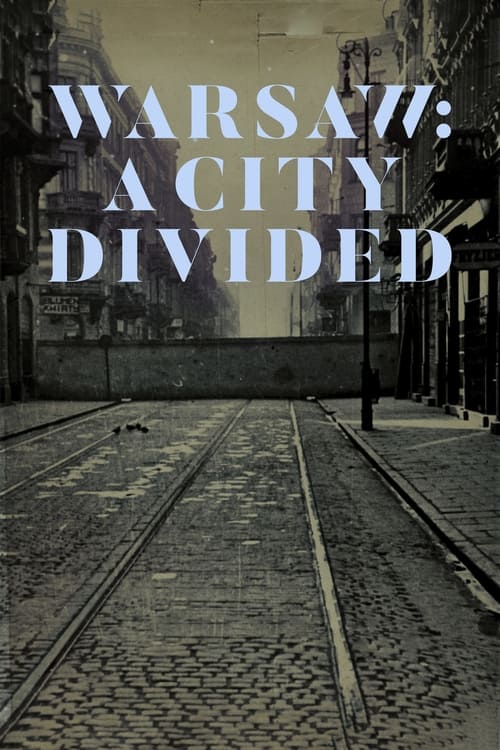
The history of the Warsaw Ghetto (1940-43) as seen from both sides of the wall, its legacy and its memory: new light on a tragic era of division, destruction and mass murder thanks to the testimony of survivors and the discovery of a ten-minute film shot by Polish amateur filmmaker Alfons Ziółkowski in 1941.
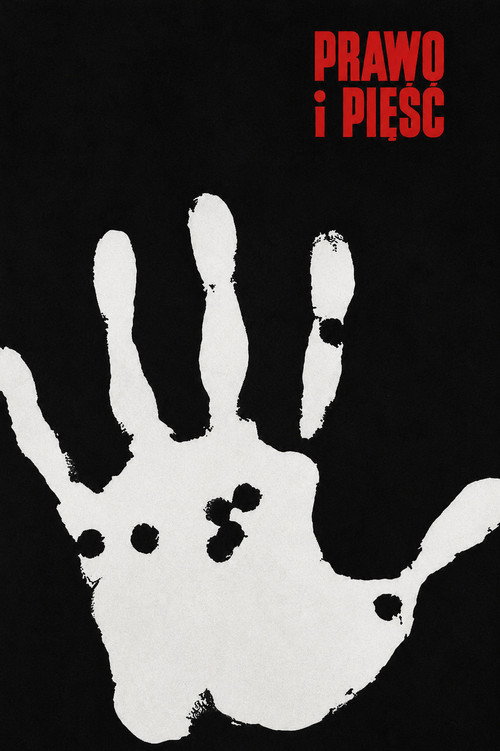
Concentration camp commander Kraft finds out that prisoner Kominek is a former professional boxer. Overnight, the prisoner is made Kraft's exercise partner and unwillingly rises to a privileged position at the camp. His anger over the death of his friend and co-prisoner leads to open revolt. The film brings a new view of human degradation during fascism by a tragic story of one man whose only chance for survival is to accept the rules of an unequal game.
The first Polish film to discuss the failure of September 1939 Polish-German war, seen from the point of view of a university intellectual, fascinated by German culture, who decides to take active part in the conflict.
A famous Polish conductor meets a young Polish student in Czechoslovakia and pretends to be Czech to impress her.
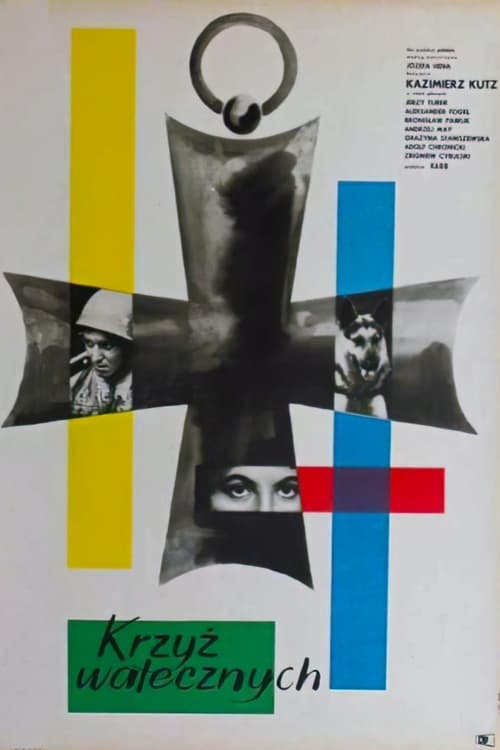
Three episodes showing the repercussions of war. A soldier is awarded with the Cross of Valor and vacation to home. But instead of his village, he finds only the charred ruins. A stray dog turns out to be the former guard at Auschwitz. A young widow is hailed as the wife of the hero but dreams of something else.
A daughter of a furniture seller helps her father’s business by promising a marriage to the customers.
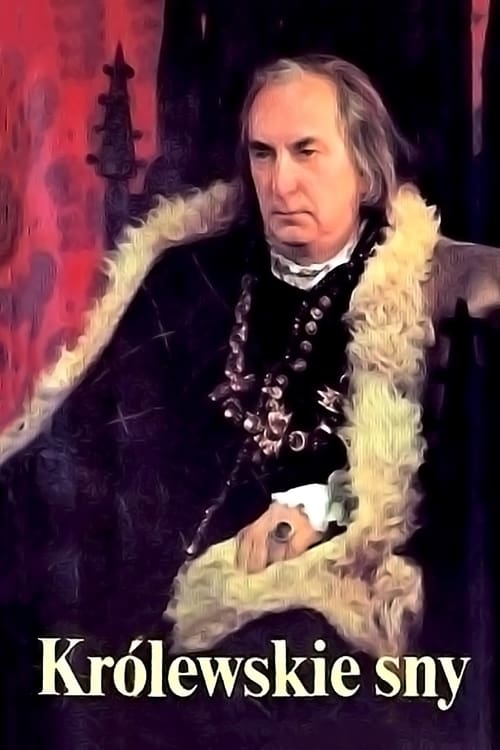
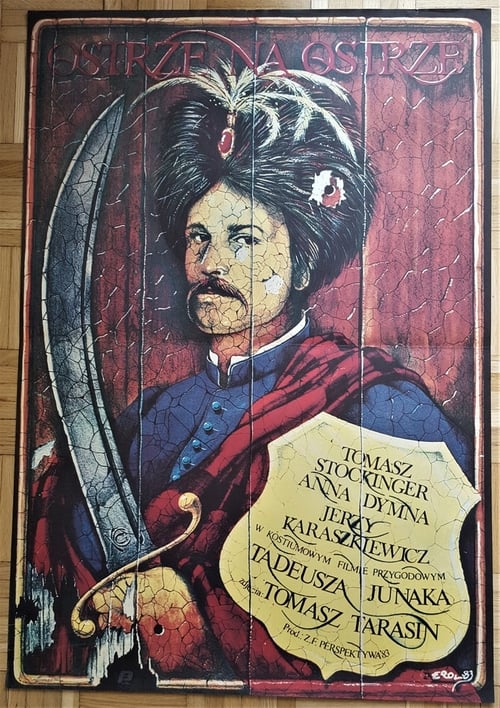
The action of the film takes place in the 17th century. Piotr Wolski returns to the country and is appointed juridic governor. A man tries to rule fairly and restore order. He soon falls in love with Konstancja, but his background causes problems.
An engineer comes home from abroad to his waiting wife. After some time, his second wife, an Italian one, joins him. For a small town, such a triangle will turn out to be unacceptable, especially since the spouses live peacefully under one roof.
At the end of World War Two, Polish people move to the western lands vacated by Germans. But some ruthless profiteers pose as government representatives and intend to make off with loot from a deserted town they took over. One honest man stands up against them because he believes these goods belong to the people.
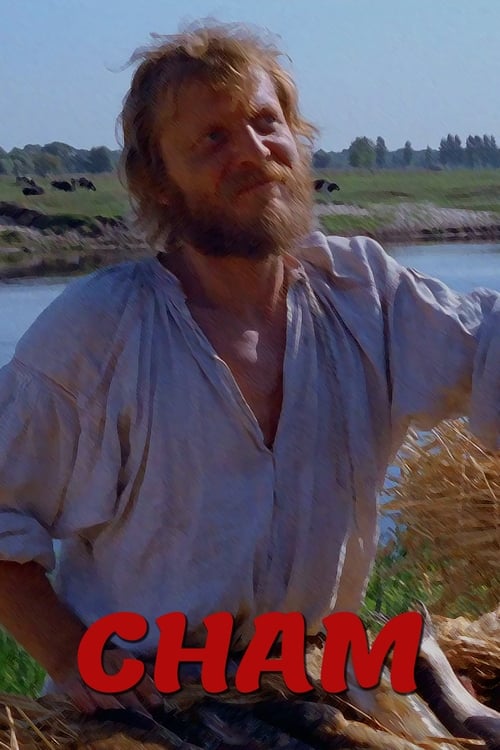
Young master Henry and his peer, the son of a rich Tatar landowner Salim Mirza, fall in love with the same girl. Hania is an orphan, the daughter of Henry's father's faithful servant. There is a fierce rivalry between the young men for the girl's favor, and it ends in a duel in which both are wounded. After recovering, Henry learns that Hania has passed smallpox and has been disfigured. The girl rejects Selim's proposals and joins a convent.