FEEL IT.STREAM
Madge Evans

Madge Evans

Acting

Biography

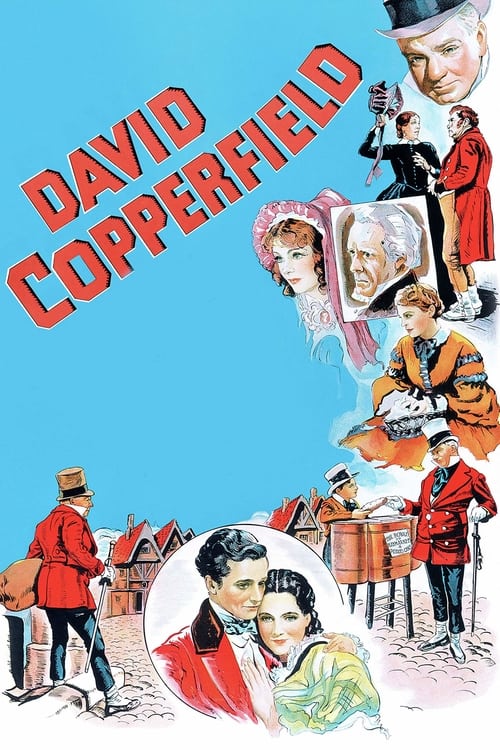
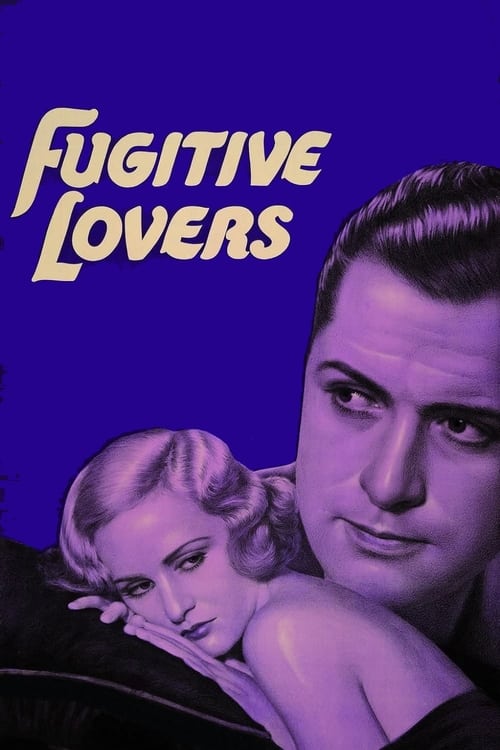
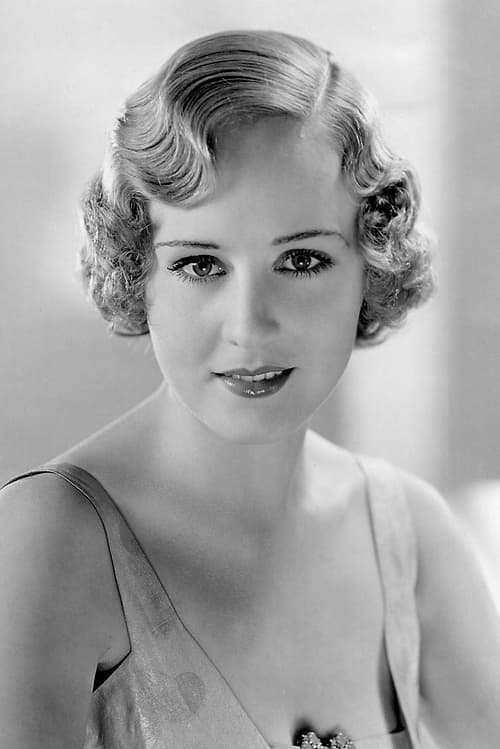
Lovely Madge Evans was the perennial nice girl in films of the 1930s. By then, she had been in front of the camera for many years, starting with Fairy Soap commercials at the age of two (she sat on a bar of soap holding a bunch of violets with the tag line reading "have you a little fairy in your home?"). 'Baby Madge' also lent her name to a children's hat company. In 1914, aged five, she was picked out by talent scouts to appear in the William Farnum movie The Sign of the Cross (1914), followed by The Seven Sisters (1915) with Marguerite Clark. By the end of the following year, she had amassed some twenty film credits, appearing with such noted contemporary stars as Pauline Frederick or Alice Brady. All of her early films were made on the East Coast, at studios in Ft.Lee, New Jersey. In 1917 (aged eight), Madge made her Broadway debut in 'Peter Ibbetson' with John Barrymore and Lionel Barrymore. She resumed her stage career in 1926 as an ingenue with 'Daisy Mayme' and the following year appeared with Billie Burke in Noel Coward's costume drama 'The Marquise' (1927). Her pleasing looks and personality soon attracted the attention of Hollywood and she was eventually signed by MGM in 1931. During the next decade, she appeared in several A-grade productions, notably as Lionel Barrymore's daughter in MGM's Dinner at Eight (1933) and as the dependable Agnes Wickfield in one of the best-ever filmed versions of David Copperfield (1935). She co-starred opposite James Cagney in the gangster movie The Mayor of Hell (1933), Spencer Tracy in The Show-Off (1934) and listened to Bing Crosby crooning the title song in Pennies from Heaven (1936). Madge received praise for her performance as the star of Beauty for Sale (1933) and The New York Times review of January 13 1934 described her acting in Fugitive Lovers (1934) (opposite Robert Montgomery ) as 'spontaneous and captivating'. Many of her 'typical American girl' roles did not allow her to express aspects of the greater acting range she undoubtedly possessed. Too often she was cast as the 'nice girl' - and those rarely make much of a dramatic impact. On the few occasions she was assigned the role of 'other woman' , such as the Helen Hayes-starrer What Every Woman Knows (1934), audiences found her character difficult to believe and disassociate from her all-round wholesome image. When her contract with MGM expired in 1937, Madge wound down her film career and, following her 1939 marriage, concentrated on being the wife of celebrated playwright Sidney Kingsley. She last appeared on stage in one of his plays, "The Patriots", in 1943.
Known For

The Philco Television Playhouse
6.6

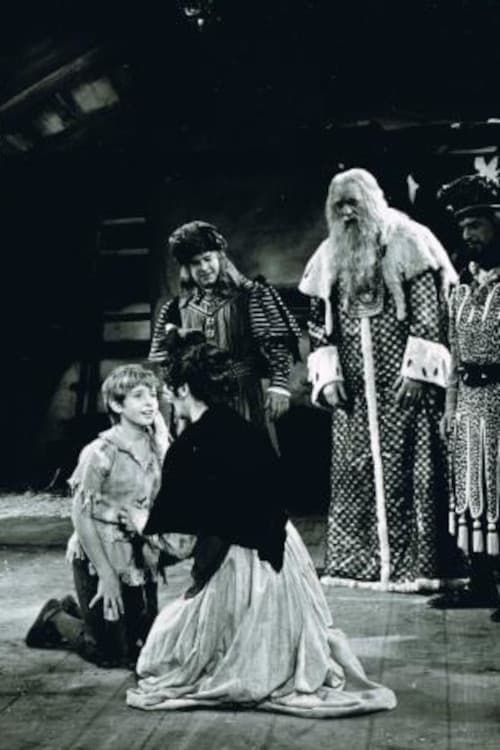
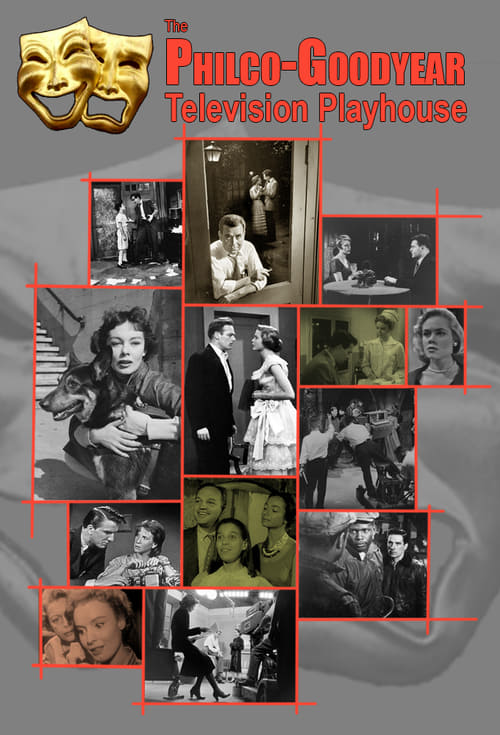
The Philco Television Playhouse is an American anthology series that was broadcast live on NBC from 1948 to 1955. Produced by Fred Coe, the series was sponsored by Philco. It was one of the most respected dramatic shows of the Golden Age of Television, winning a 1954 Peabody Award and receiving eight Emmy nominations between 1951 and 1956.

The Philco Television Playhouse

1948
Studio One
5.4

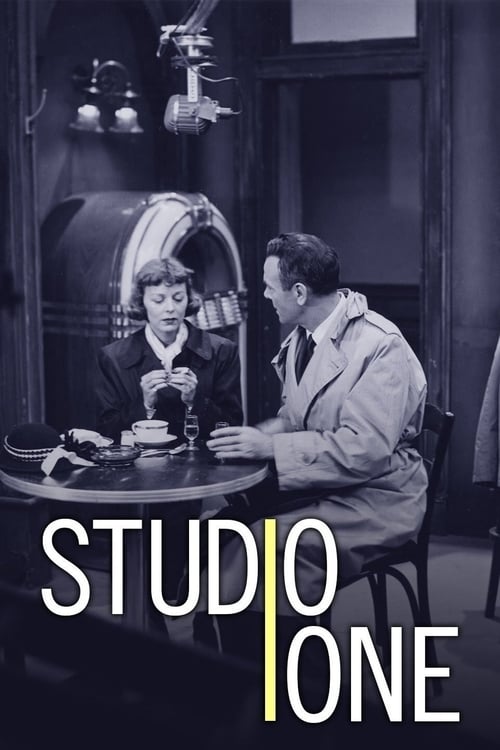
An American radio–television anthology series, created in 1947 by Canadian director Fletcher Markle, who came to CBS from the CBC. Studio One, presented by Westinghouse, was one of the first of the anthology TV programs. The episodes were often abridged remakes of movies from years gone by and many future well-known television and movie actors appeared in the productions.

Studio One

1948
Matinee Theater
5.3

Matinee Theater is an American anthology series that aired on NBC during the Golden Age of Television, from 1955 to 1958. The series, which ran daily in the afternoon, was frequently live. It was produced by Albert McCleery, Darrell Ross, George Cahan and Frank Price with executive producer George Lowther. McCleery had previously produced the live series Cameo Theatre which introduced to television the concept of theater-in-the-round, TV plays staged with minimal sets. Jim Buckley of the Pewter Plough Playhouse recalled: When Al McCleery got back to the States, he originated a most ambitious theatrical TV series for NBC called Matinee Theater: to televise five different stage plays per week live, airing around noon in order to promote color TV to the American housewife as she labored over her ironing. Al was the producer. He hired five directors and five art directors. Richard Bennett, one of our first early presidents of the Pewter Plough Corporation, was one of the directors and I was one of the art directors and, as soon as we were through televising one play, we had lunch and then met to plan next week’s show. That was over 50 years ago, and I’m trying to think; I believe the TV art director is his own set decorator —yes, of course! It had to be, since one of McCleery’s chief claims to favor with the producers was his elimination of the setting per se and simply decorating the scene with a minimum of props. It took a bit of ingenuity.

Matinee Theater

1955
No image
6.7

Lux Video Theatre is an American anthology series that was produced from 1950 until 1959. The series presented both comedy and drama in original teleplays, as well as abridged adaptations of films and plays.

Lux Video Theatre

1950
Your Show of Shows
7.3

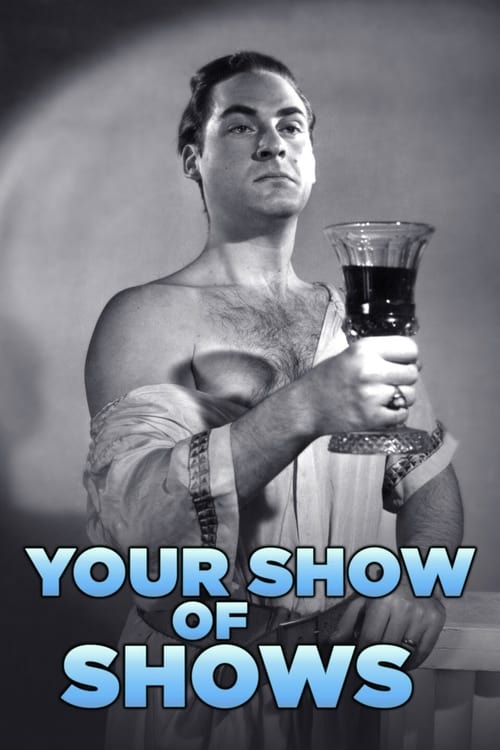
Your Show of Shows was a live 90-minute variety show that was broadcast weekly in the United States on NBC, from February 25, 1950, until June 5, 1954, featuring Sid Caesar and Imogene Coca. Other featured performers were Carl Reiner, Howard Morris, Bill Hayes, Judy Johnson, The Hamilton Trio and the soprano Marguerite Piazza. José Ferrer made several guest appearances on the series. The series was telecast from the now-demolished International Theatre at 5 Columbus Circle and the Century Theater, now demolished, in New York. During 2002, Your Show of Shows was ranked #30 on TV Guide's 50 Greatest TV Shows of All Time.

Your Show of Shows

1950
The Alcoa Hour
7.0

The Alcoa Hour is an American anthology television series that was aired live on NBC from 1955 to 1957. The series was sponsored by Alcoa.

The Alcoa Hour

1955
Hallmark Hall of Fame
8.8

Long-running anthology program sponsored by Hallmark Cards. Beginning in 1951 and continuing into 2019, the series received 80 Emmy Awards, 24 Christopher Awards, 11 Peabody Awards, 9 Golden Globes, and 4 Humanitas Prizes. Early seasons were a weekly live drama, eventually transitioning to videotaped and then filmed productions broadcast as occasional specials.

Hallmark Hall of Fame

1951
Seventeen
N/A

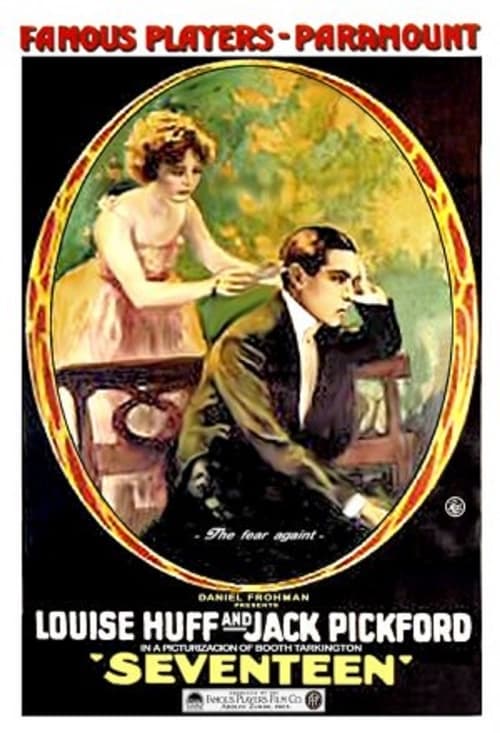
Seventeen year old William Sylvanus Baxter has fallen madly in love with young coquette, Lola Pratt. After spending all of his money on the fickle girl, she runs off with an older man. William now heartbroken, contemplates suicide, until a friend from childhood, May Parcher, pays a visit and William decides to fall in love with her.

Seventeen

1916
Grand Canary
4.8

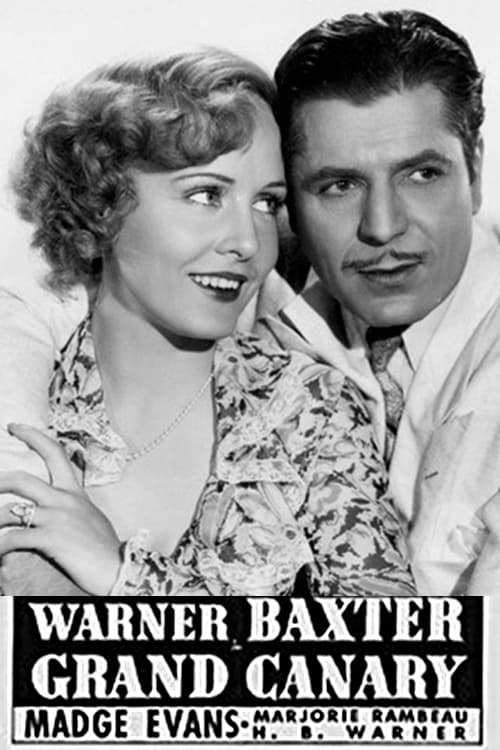
Based on an AJ Cronin novel, a disgraced doctor exiled to the Canary Islands, meets and falls in love with a married woman.

Grand Canary

1934
David Copperfield
6.7

A young man journeys from a difficult childhood to maturity, exploring social injustice, personal development, and the complexities of human relationships.

David Copperfield

1935
Brother, Can You Spare a Dime?
6.3

Period music, film clips and newsreel footage combined into a visual exploration of the American entertainment industry during the Great Depression.

Brother, Can You Spare a Dime?

1975
Dinner at Eight
6.8

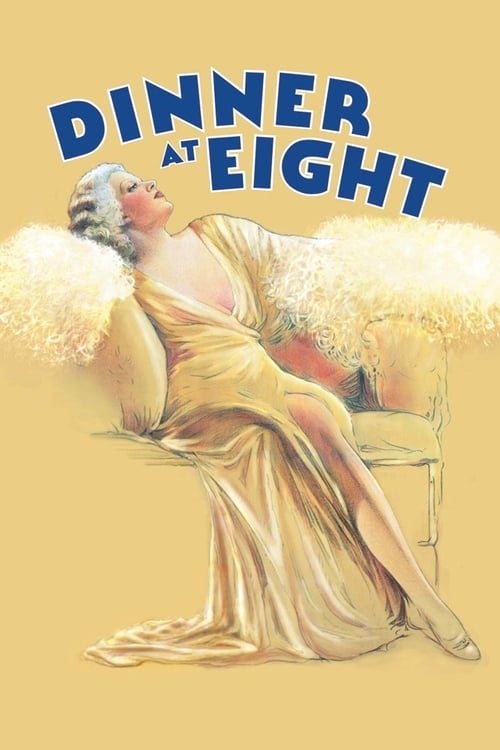
An ambitious New York socialite plans an extravagant dinner party as her businessman husband, Oliver, contends with financial woes, causing a lot of tension between the couple. Meanwhile, their high-society friends and associates, including the gruff Dan Packard and his sultry spouse, Kitty, contend with their own entanglements, leading to revelations at the much-anticipated dinner.

Dinner at Eight

1933
Moonlight Murder
4.8

An escaped lunatic, a mysterious swami, and various lovers all have designs on a famous opera singer.

Moonlight Murder

1936
Piccadilly Jim
6.8

Jim's father wants to marry Eugenia, but her sister Netta refuses to allow it. When Jim sees Ann at a club, he falls for her even though she is with Lord Priory. He meets her the next day at the riding path, but she quickly loses him. He searches all over for her, not knowing that his father's hopeful fiancée is her Aunt. As his caricature work suffers as he searches, he is fired from his paper. But he makes a comeback with the comics 'Rags to Riches' which is based upon the Pett's. But this upsets the Pett's so much that they go back to New York, and he follows, being careful not to let them know that he is the one who draws the strip that parodies them.

Piccadilly Jim

1936
Stand Up and Cheer!
5.3

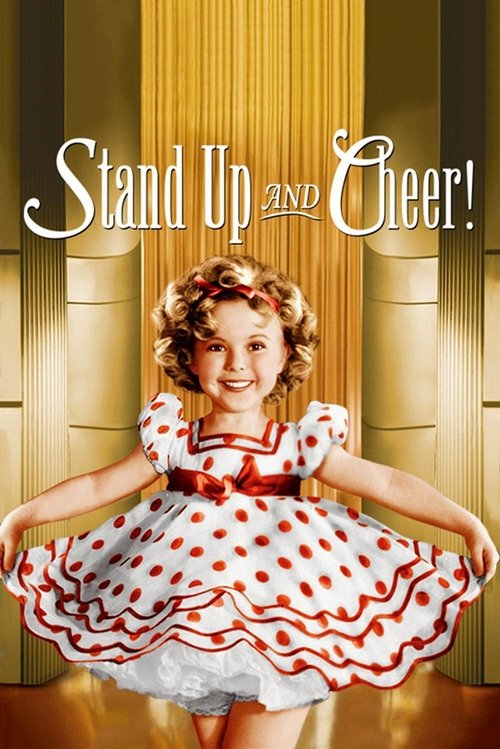
President Franklin Roosevelt appoints a theatrical producer as the new Secretary of Amusement in order to cheer up an American public still suffering through the Depression. The new secretary soon runs afoul of political lobbyists out to destroy his department.

Stand Up and Cheer!

1934
Exclusive Story
7.2

A reporter and his newspaper's attorney try to gather evidence that will put a notorious gangster behind bars.

Exclusive Story

1936
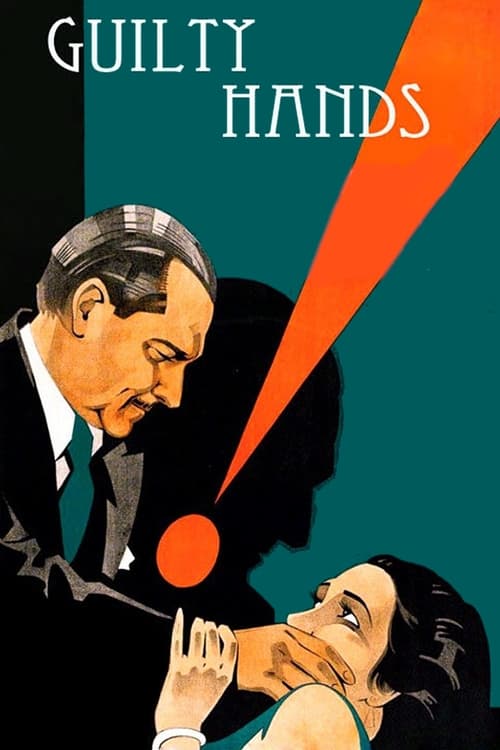
Guilty Hands
5.9

A district attorney commits the perfect murder when he kills his daughter's womanizing fiancé and then tries framing the fiancé's lover.

Guilty Hands

1931
Espionage
7.0

Two reporters pose as man and wife in order to get the goods on a munitions supplier and the rumours of war in Europe.

Espionage

1937
Army Girl
6.8

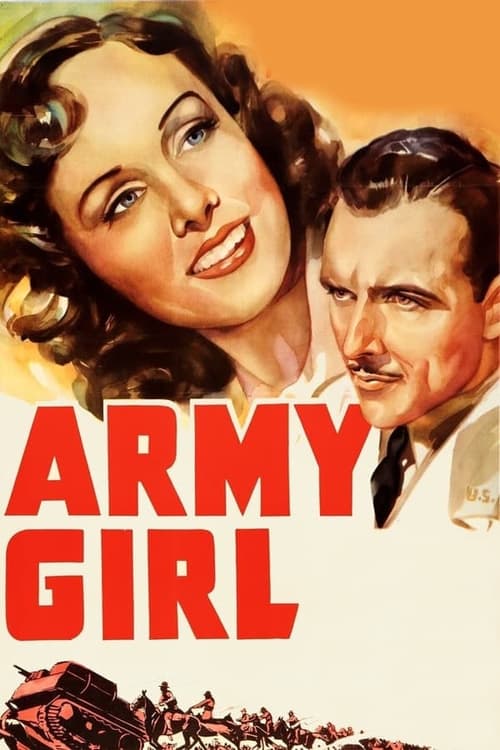
A young captain hoping to replace the U.S. Army's horses with mechanized vehicles faces court-martial after his commanding officer, who's opposed to modern changes, is killed.

Army Girl

1938
The Mayor of Hell
7.2

Members of a teenage gang are sent to the State Reformatory, presided over by the callous Thompson. Soon Patsy Gargan, a former gangster appointed Deputy Commissioner, arrives and takes over the administration to run the place on radical principles. Thompson needs a quick way to discredit him.

The Mayor of Hell

1933