
Shuntaro Tanikawa
Writing
Known For
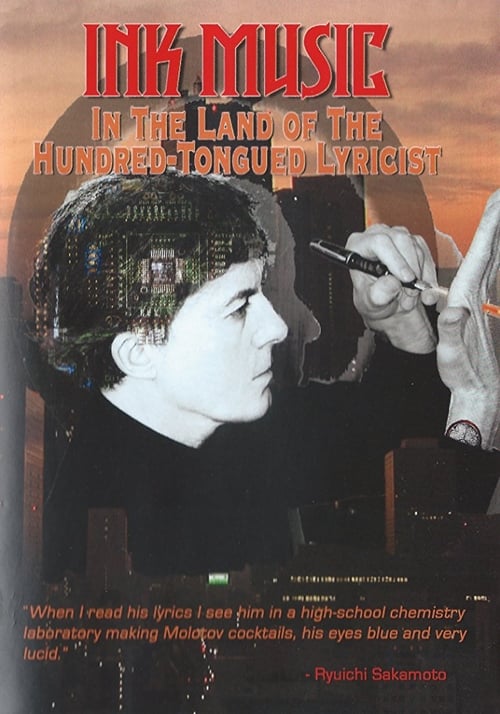
Everyone in Japan knows his work, yet few recognize his face. Chris Mosdell, British expatriate, pop lyricist, poet and visual artist, during his 30-year residence in Tokyo has written chart-topping hits with some of Japan's most influential musicians and composers, penned lyrics to anime film scores, and run with the multimedia underground of that city's avant-garde. Ink Music: In The Land Of The Hundred-Tongued Lyricist is a 90-minute documentary film detailing those artistic relationships in the expansive career of artistic word-smith, Chris Mosdell. Shot in HD on-location in Tokyo and Fukui, Japan, and New York City, USA, the film highlights Mosdell's rise from obscure expatriate bohemian poet to renowned lyricist for Japan's biggest band ever, Yellow Magic Orchestra (YMO). The story is told through exclusive interviews. Tokyo itself also figures into the narrative as a major character, featuring copious clips of original footage from inside the city that inspires Mosdell's work.
Ink Music: In the Land of the Hundred-Tongued Lyricist
No description available.
100年インタビュー
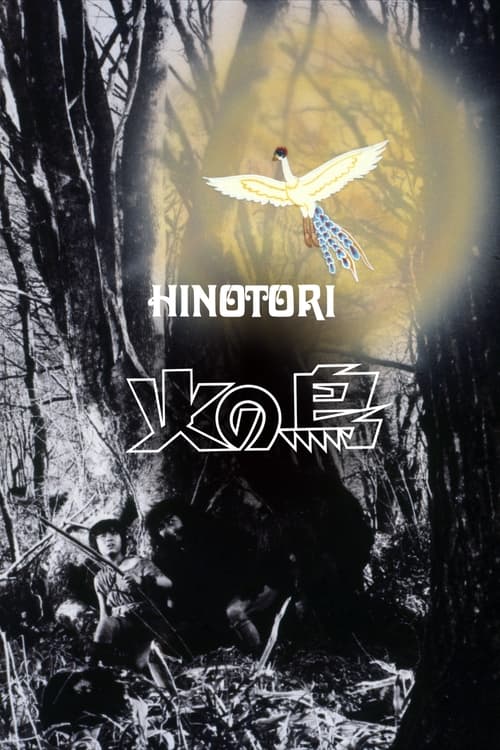
This extraordinarily complex film is not only a send-up of every samurai film ever made, it is also an extrapolation of the value of life. The Yamatai, represented by Prince Susano-O and elderly advisor Sumuke, hire Yumihiko of Matsuro to hunt the phoenix so that Queen Himiko, sister of Susano-O can have eteranal life.
The Phoenix
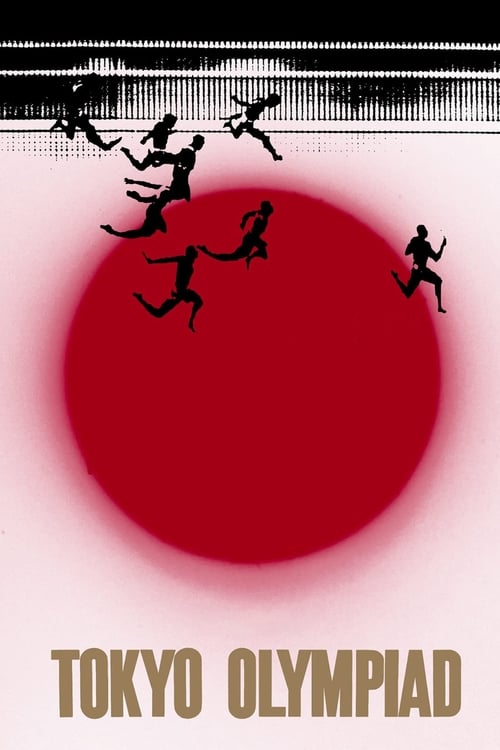
This impressionistic portrait of the 1964 Tokyo Summer Olympics pays as much attention to the crowds and workers as it does to the actual competitive events. Highlights include an epic pole-vaulting match between West Germany and America, and the final marathon race through Tokyo's streets. Two athletes are highlighted: Ethiopian marathon runner Abebe Bikila, who receives his second gold medal, and runner Ahamed Isa from Chad, representing a country younger than he is.
Tokyo Olympiad
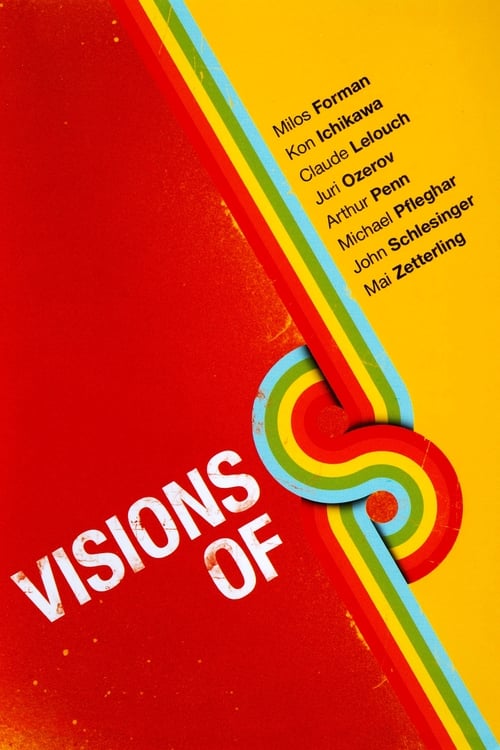
Eight acclaimed filmmakers bring their unique and differing perspectives to the 1972 Summer Olympic Games held in Munich. The segments include Lelouch's take on Olympic losers and their struggle to remain dignified even in the face of bitter disappointment and defeat; Zetterling's dramatic exploration of the world of weightlifting; and Pfleghar's piece on young Russian gymnast Ludmilla Tourischev's majestic performance on the uneven bars.
Visions of Eight
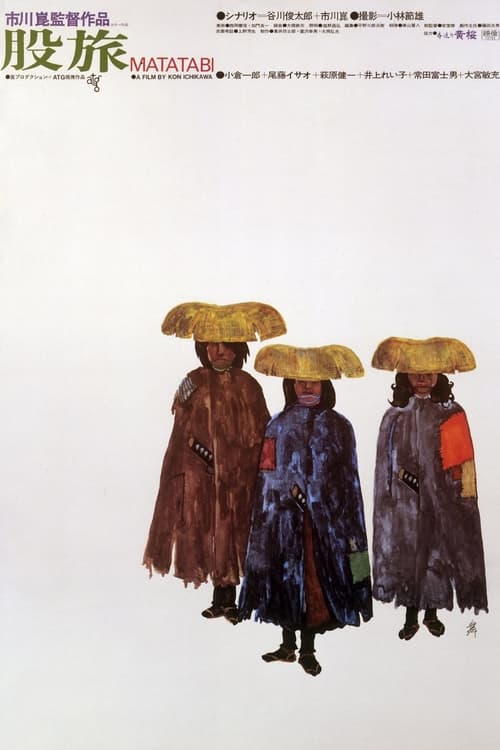
Follows the fluctuating fortunes of three ronin in feudal Japan who wander from castle to castle, selling their services to whichever lord will fill their rice bowls. Though they use the servants' entrance, they still feel themselves bound by the samurai code of Bushido; and this tension leads to tragedy.
The Wanderers

A montage of scenes that describe how people can be as bad as animals.
Human Zoo

A Japanese girl and a French boy make strides in overcoming the cultural barriers that prevent them from fully expressing the love they have for one another.
To Love Again
Set in Kyoto, 1990. Mizuho Oshima is a high school girl who hates her alcoholic mom, adores her father, and has a crush on school swim team member Sho Sugimoto. Her father lives with another women, but Mizuho hopes to reunite her family. Her mother then takes up with an Amerian soldier named Charlie and they become an item. This crushes Mizuho's hopes of reuniting her family. Mizuho then seduces her mother's lover ...
The Summer of Stickleback
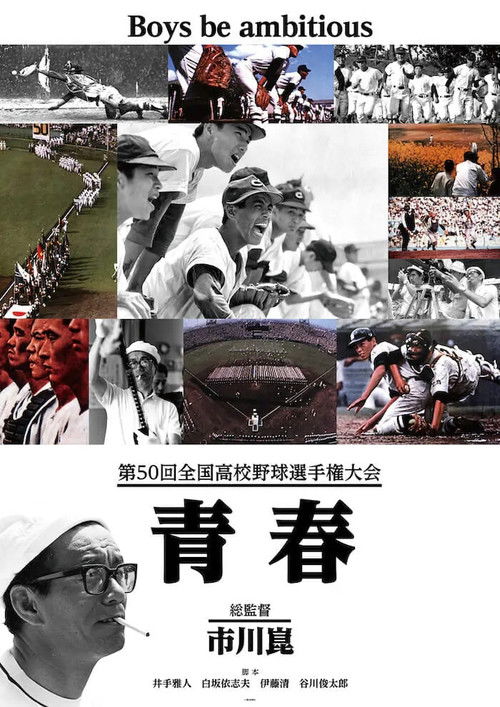
Tokyo Olympiad director Kon Ichikawa documents the 50th anniversary of the Koshien games.
Youth: The 50th National High School Baseball Tournament
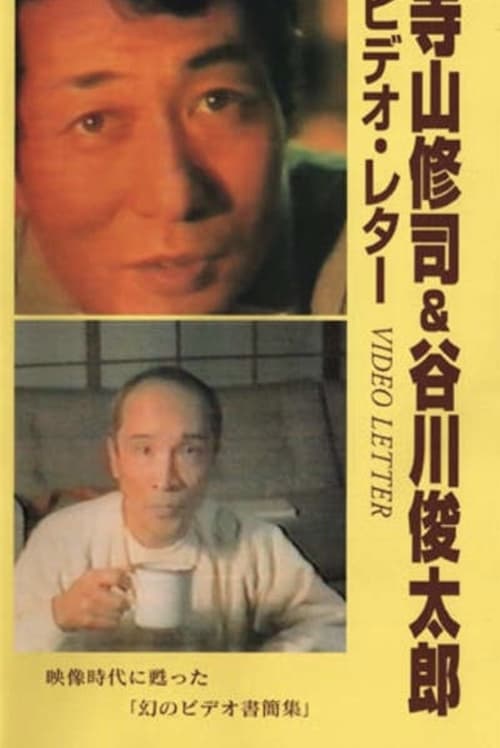
This remarkable compilation follows an exchange of video letters that took place between Shuji Terayama and Shuntaro Tanikawa in the months immediately preceding Terayama's death. It can be thought of as a home video produced by two preeminent poets and inter-laid with highly abstract philosophizing, slightly aberrant behavior and occasionally flamboyant visuals.
Video Letter

A documentary capturing the recording process of singer Yano Akiko's 1992 cover album, Super Folk Song.
Super Folk Song: Piano ga Aishita Onna
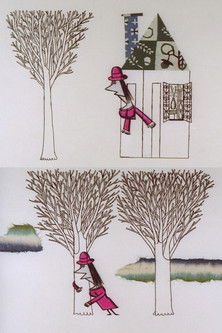
A short experimental anime about a woman desperately in love. Made by Yoji Kuri, a well-known Japanese indie animator.
Love

A man marks everything he encounters with an X, from telephone poles to fruit and books he fondles in markets to a woman he pursues who lies on the ground, first clothed, then unclothed. As he caresses her back. he puts X’s along her spine. Later, when he draws an X on a storefront. he is beaten and dragged off by businessmen. The allegorical batsu can be either consent or rejection, or the mark of individualism. putting an identifying (or accepting) mark on the world. A private 16mm neo-Dadaist film made by Shuntaro Tanikawa and Toru Takemitsu, who were passionately talking about movies, with a playful mind. Naozumi Yamamoto, who is also a composer and conductor, writes the "X" sign all the time. At first, the film was planned to compose in jazz, but in the end, the music was completed without being able to be included
X (Batsu)
A documentary Ichikawa made for the 1970 Osaka Expo, originally made for projection on eight split panels.
Japan and the Japanese
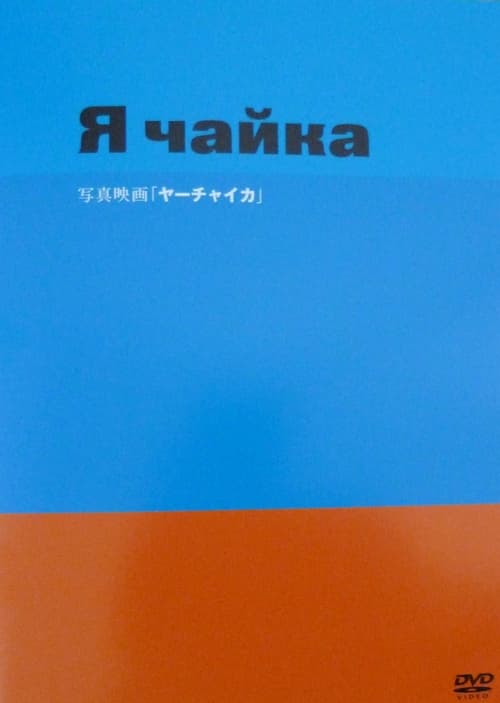
Renowned Japanese poet Shuntaro Tanikawa teams with former "rock chick" Wakako Kaku to craft this pensive love story told almost entirely in still photographs. After steering a suicidal man away from the brink of despair, an astronomical observatory worker teaches him her favorite watchword, "Yah Chakya!" ("I, Seagull"). The phrase had once been spoken by the first female cosmonaut, and was the call-sign for the Soviet spacecraft Vostok. But for this woman, the word has taken on greater meaning; not only is it a greeting, but a secret handshake and a symbol of the universe as well. Upon learning the phrase, the man finally finds the strength to go on living.
Yah Chayka!

In his darkened apartment the poet, translator, and lyricist discusses his work and his "art of being alone". In the words of Tanikawa: "If there is love, there is nothing more to say...".
Video Portraits - Men: Shuntaro Tanikawa
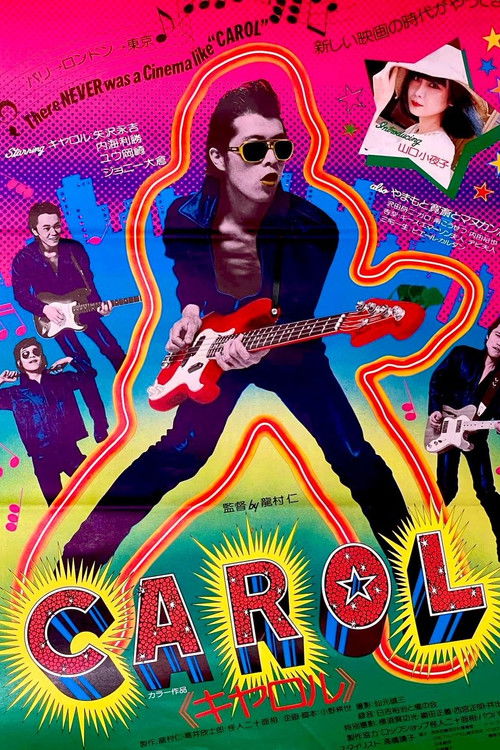
Identity and integrity are discussed in connection with a tour of rock band Carol.