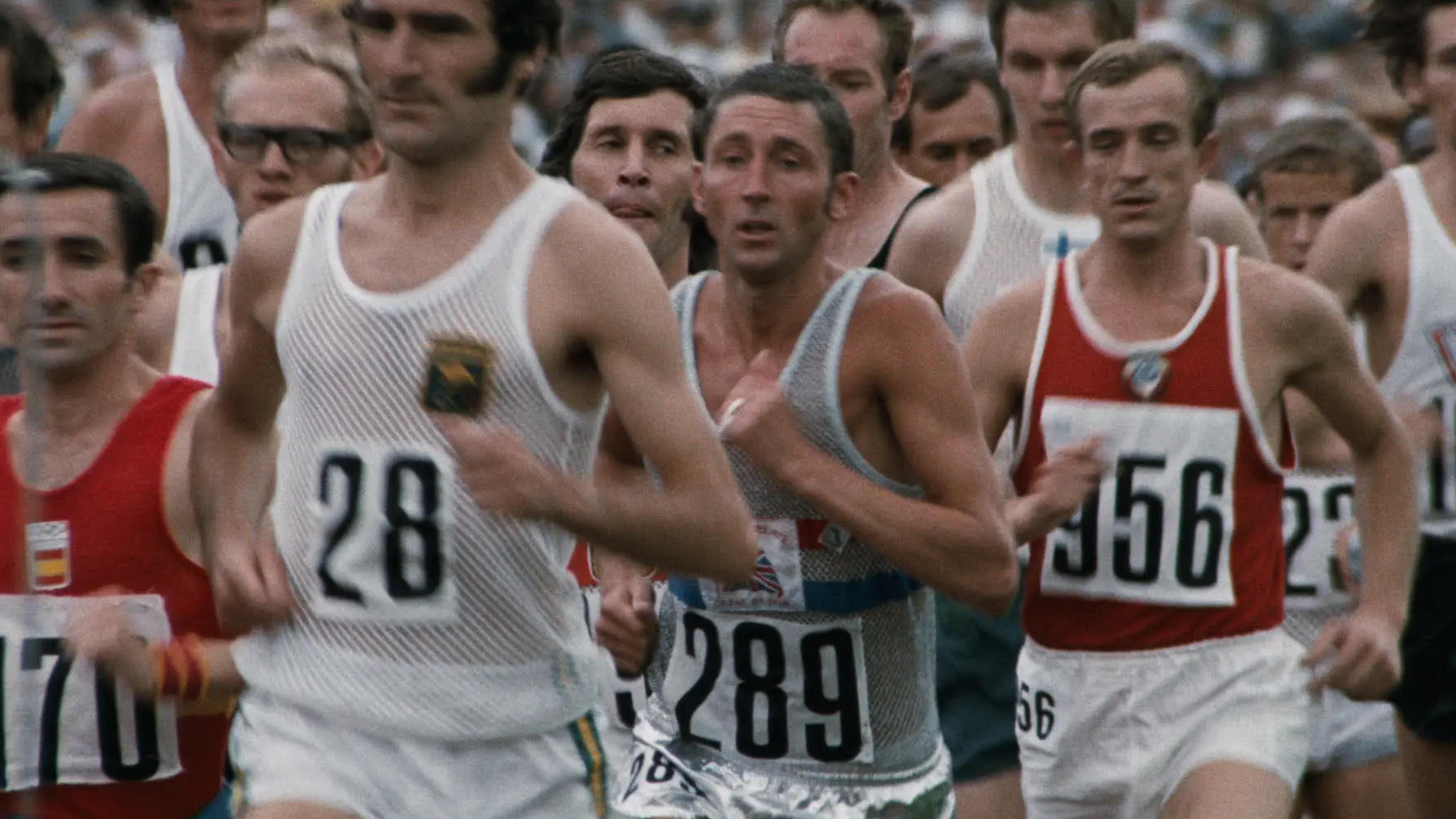
Visions of Eight
"Eight directors capture what the naked eye cannot see - official film of the 1972 Munich Summer Olympics"



Released19731h 50min
"Eight directors capture what the naked eye cannot see - official film of the 1972 Munich Summer Olympics"
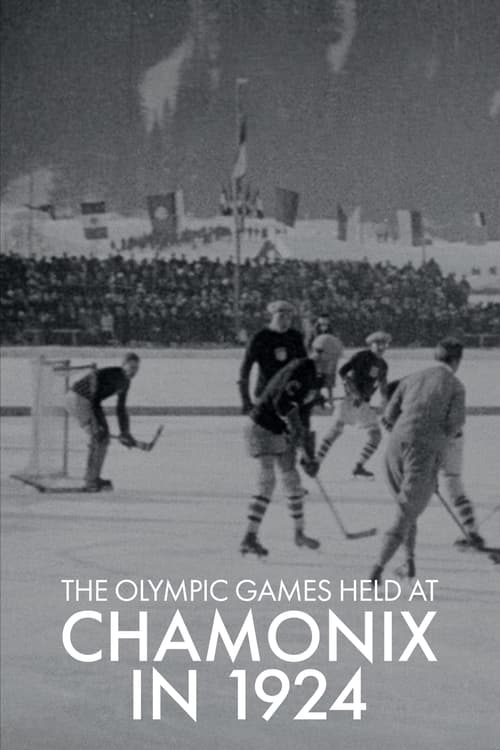
A documentary covering the Olympic Games at Chamonix in 1924.
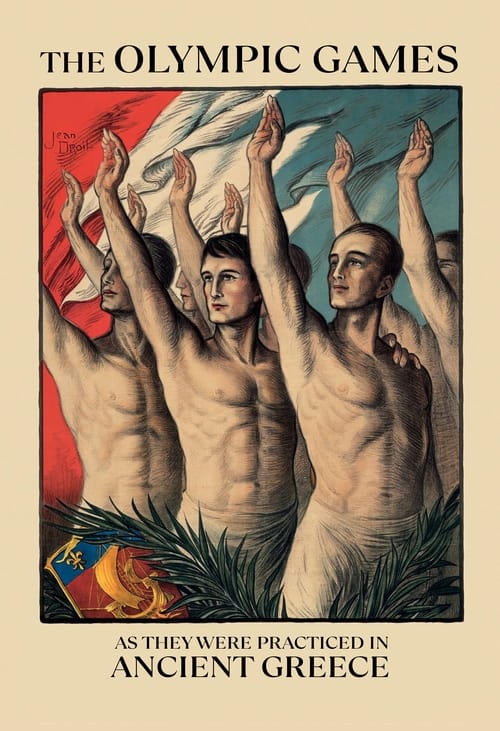
A documentary on the Olympic games of ancient Greece, made during the 1924 games.

A documentary on the 1924 Olympic Game in Paris.
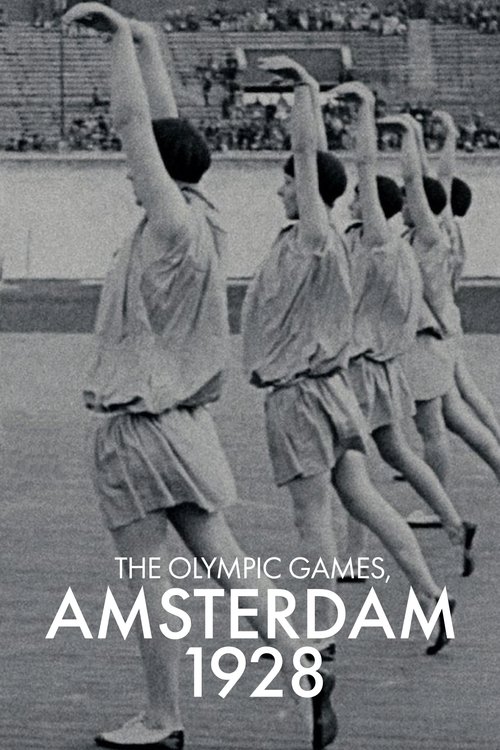
A documentary on the 1928 Olympic Games in Amsterdam.
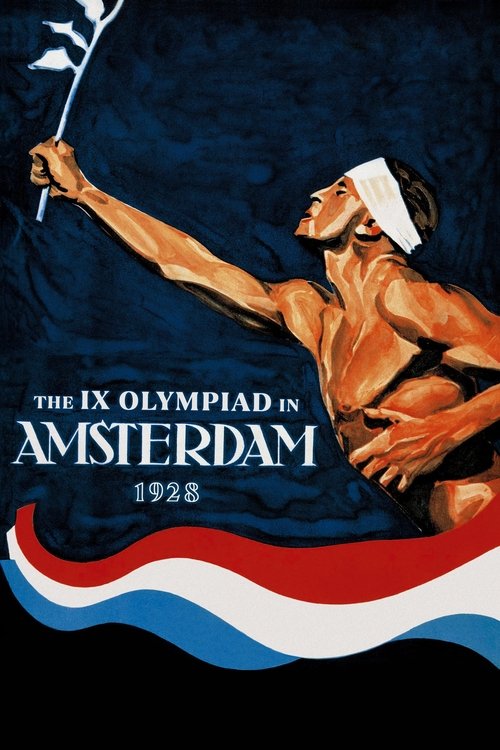
A documentary on the 1928 Olympic Games in Amsterdam. Made by Istituto Luce, there is an understandable focus on Italian athletes, but it is the first Olympic documentary that describes the techniques of certain events.
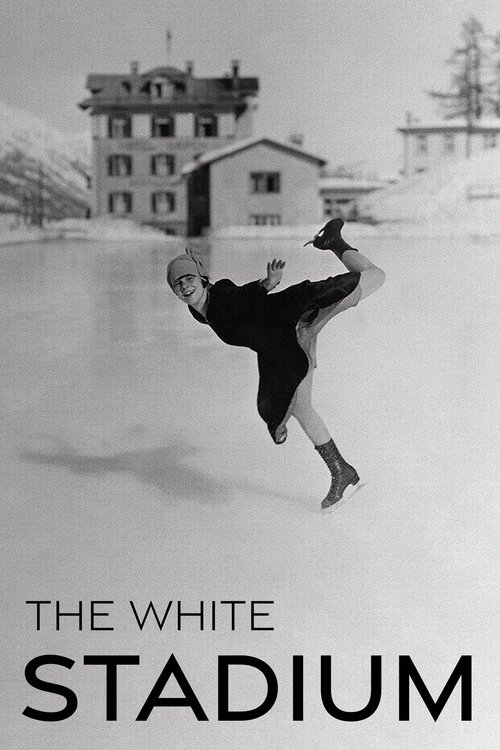
A profile of the 1928 Olympic Games in St. Moritz, Switzerland.
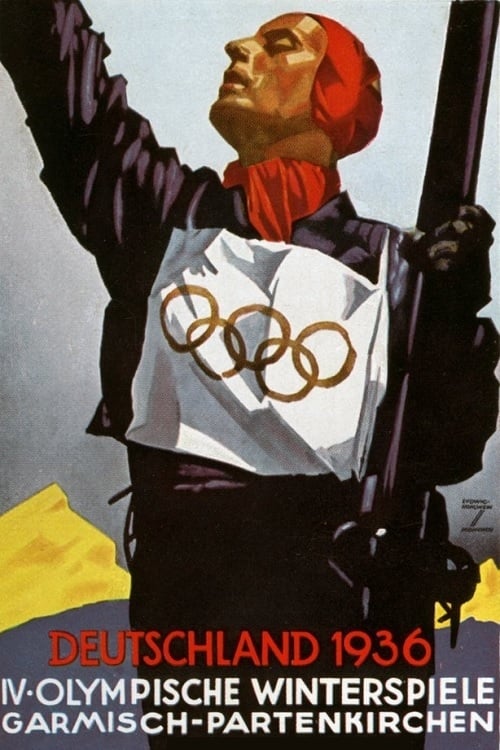
This Nazi propaganda film covers the 1936 Winter Olympics that were held in Germany.
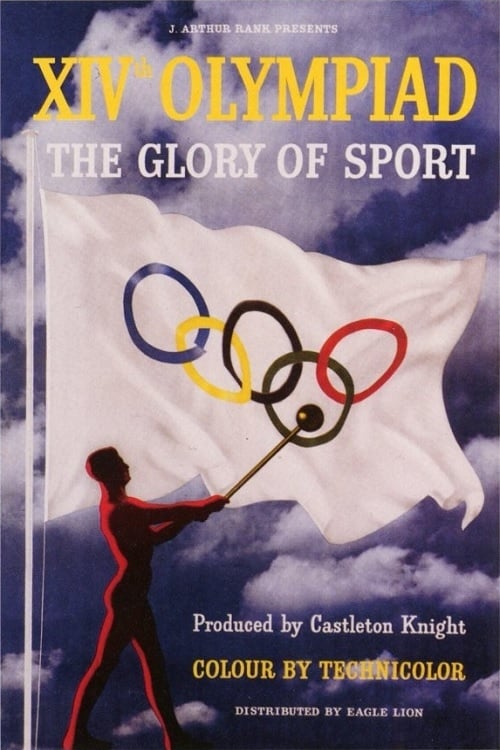
A documentary covering the 1948 Olympic Games in St. Moritz, Switzerland, and London, England.

A documentary covering the 1948 Olympic Games in St. Moritz.

A documentary covering the 1952 Winter Olympics in Oslo, Norway.
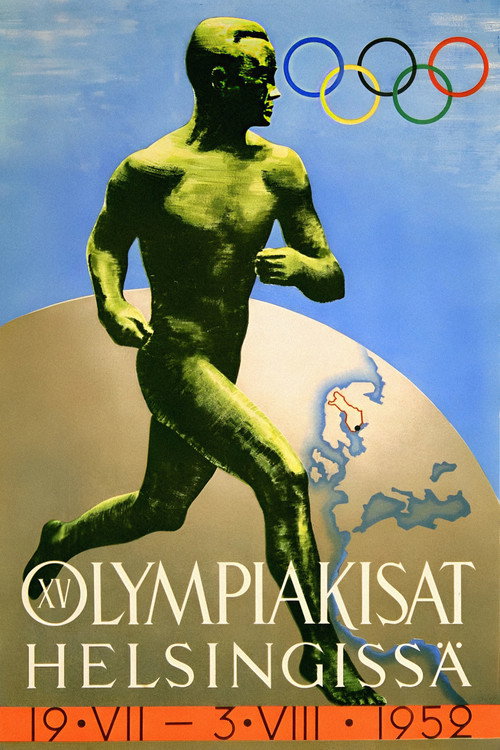
A first part of a documentary on the 1952 Olympic Games in Helsinki.
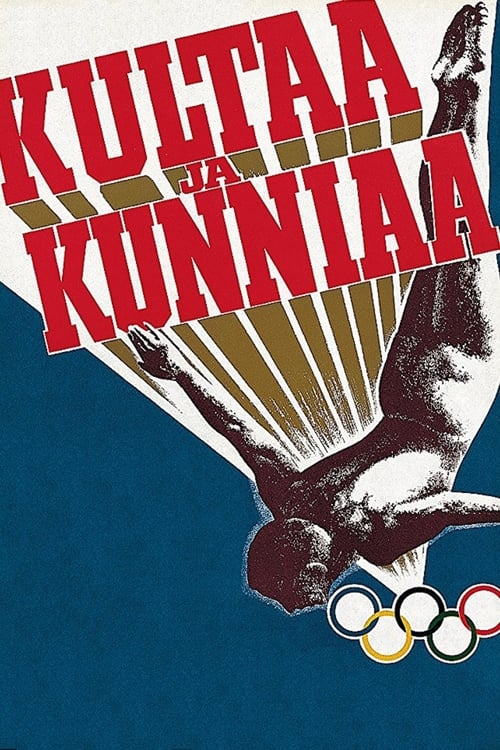
A second part of a documentary covering the 1952 Olympic Games in Helsinki.
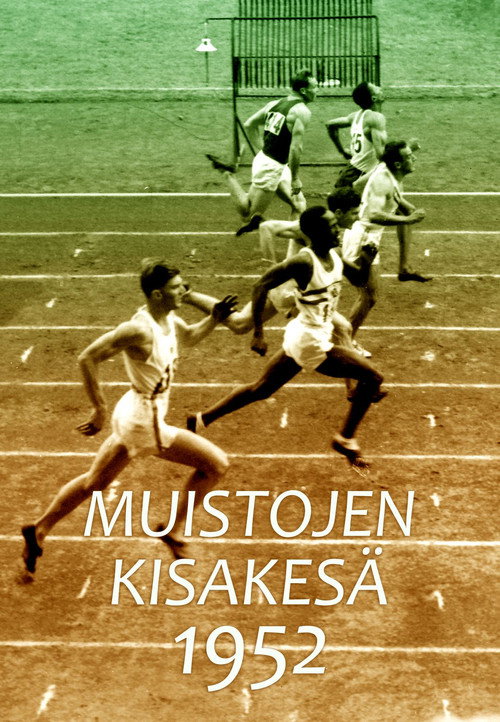
Documentary footage from the 1952 Olympic Games in Helsinki.

A documentary covering the equestrian events of 1956 Olympic Games in Stockholm.
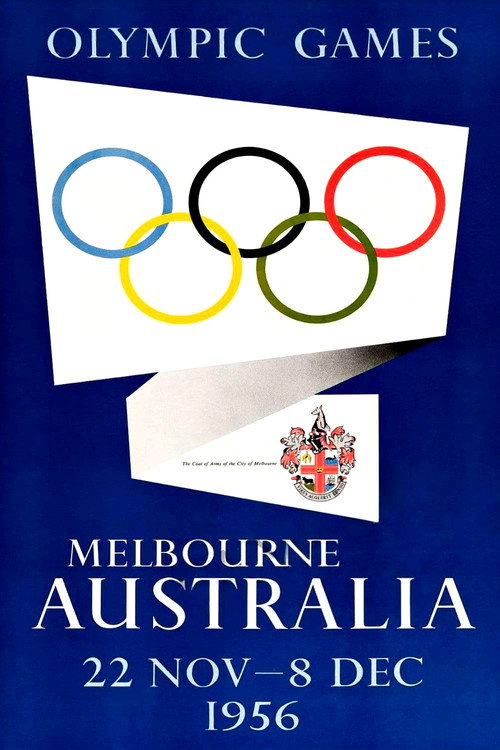
A documentary covering the 1956 Olympic Games in Melbourne and Stockholm.
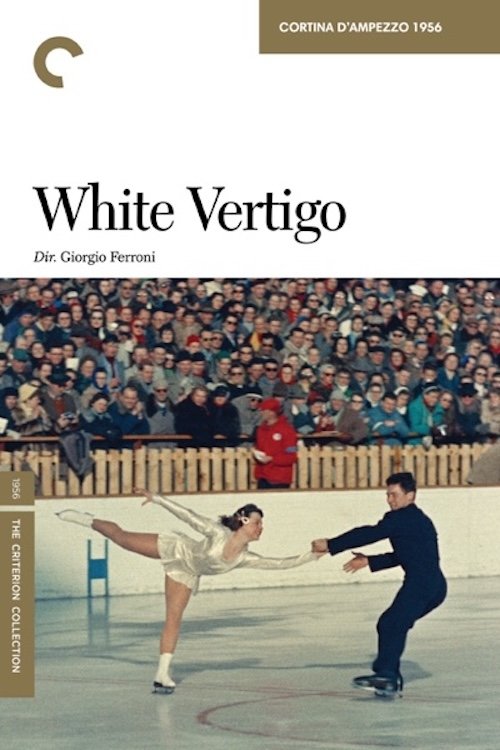
A documentary covering the 1956 Olympic Games in Cortina d’Ampezzo, Italy.
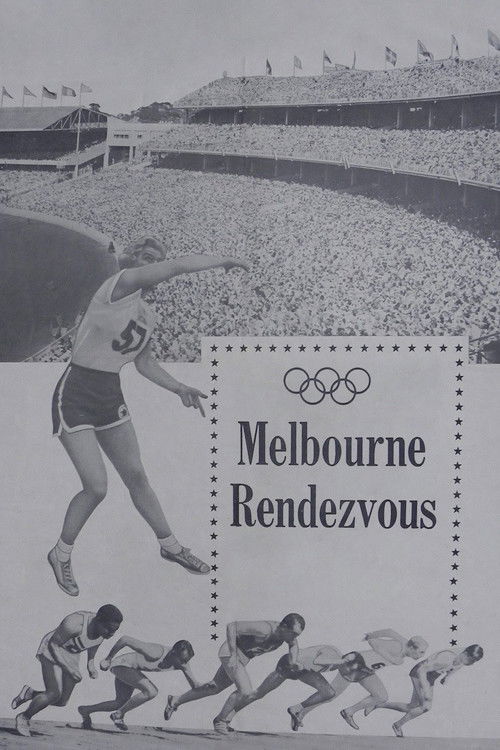
Rendez-Vous a Melbourne is the official filmed record of the 1956 Olympic Games in Australia. At the time of its release, there was much controversy in the documentary-filmmaking world over the fact that the Aussies signed over exclusive distribution rights to a French firm, resulting in a boycott from other movie companies. None of this matters when the film is seen today: though not in the same league as Leni Reifenstahl's Olympiad, this 110-minute extravaganza is consistently entertaining. Fifteen cameras were utilized to lens every aspect of the event; it was then up to editors Jean Dudrumet and Monique Lacombe to burrow through miles and miles of film to cull the highlights seen herein. Portions of Rendez-Vous a Melbourne have since resurfaced in practically every Olympics documentary -- not to mention the many TV specials attending the now-biannual event.
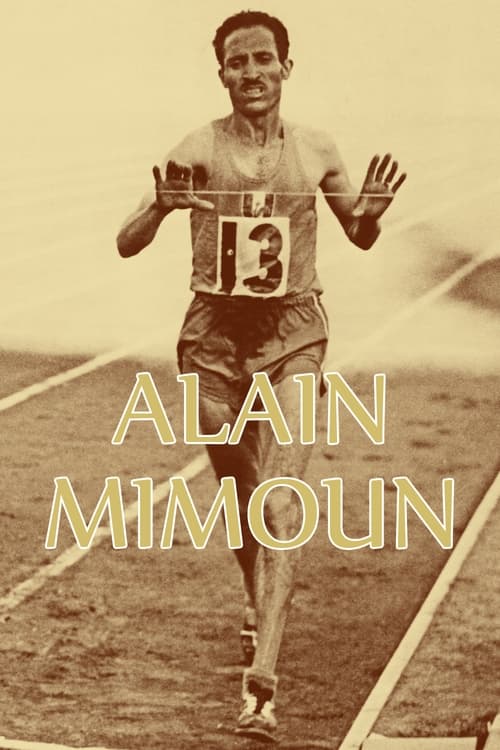
A documentary about French marathon runner Alain Mimoun at the 1956 Olympic Games in Melbourne.
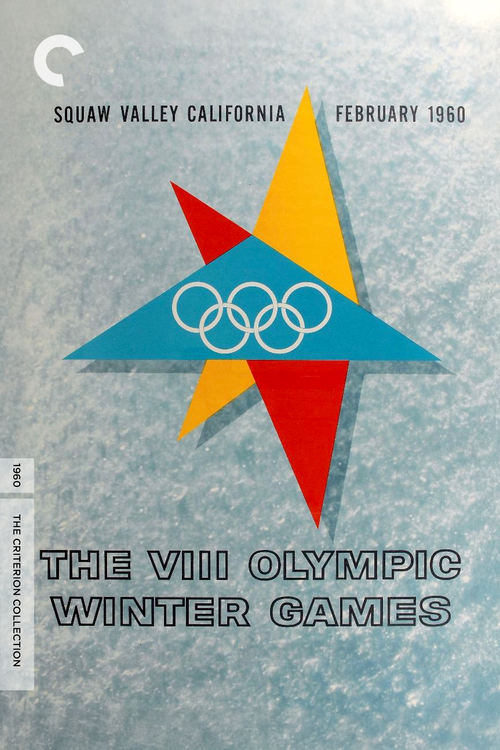
A documentary covering the 1960 Winter Olympic Games in Squaw Valley, California.

Events and athletes that characterized the 1960 Summer Olympics in Rome. From the absolute protagonist Wilma Rudolph, called the black gazelle, to Livio Berruti, the first white to win the 200 meters, to the deeds of Ethiopian marathon runner Abebe Bikila, who won the marathon racing barefoot.
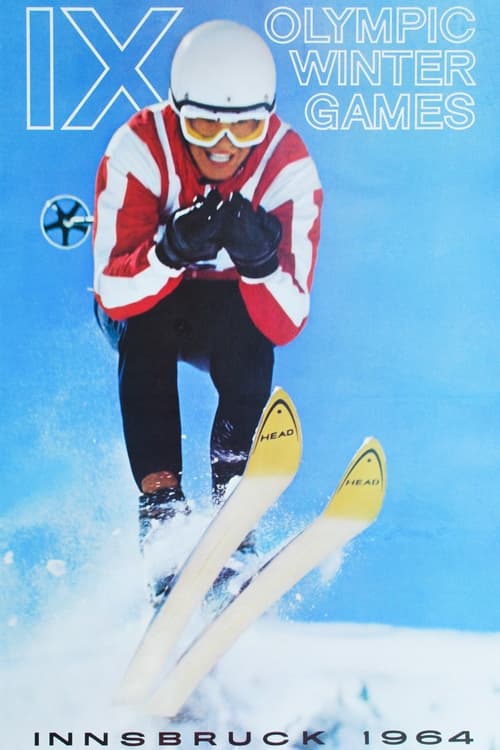
A documentary on the 1964 Olympic Games in Innsbruck, Austria.
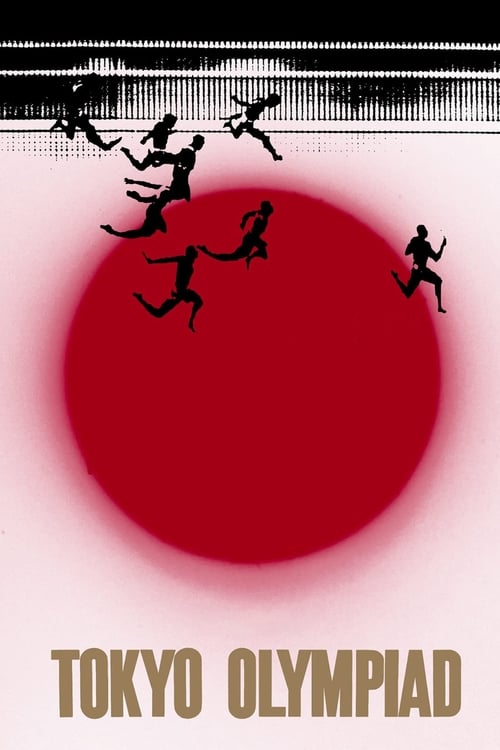
This impressionistic portrait of the 1964 Tokyo Summer Olympics pays as much attention to the crowds and workers as it does to the actual competitive events. Highlights include an epic pole-vaulting match between West Germany and America, and the final marathon race through Tokyo's streets. Two athletes are highlighted: Ethiopian marathon runner Abebe Bikila, who receives his second gold medal, and runner Ahamed Isa from Chad, representing a country younger than he is.

A documentary covering the 1964 Olympic Games in Tokyo. It consists primarily of footage edited from the documentary TOKYO OLYMPIAD, directed by Kon Ichikawa.
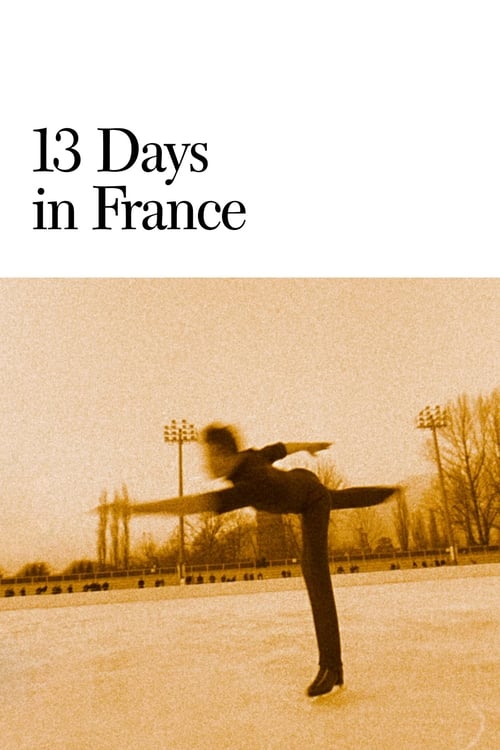
This colorful documentary chronicles the events of the 1968 Winter Olympics in France. The events made international celebrities of skater Peggy Fleming and skier Jean-Claude Killy for their gold-medal performances. The camera accurately catches the speed of bobsleds and downhill racers and ski jumpers as they race for the gold. President Charles DeGaulle is shown observing the action over 13 days, which saw France earn the best performance to date in the winter games.
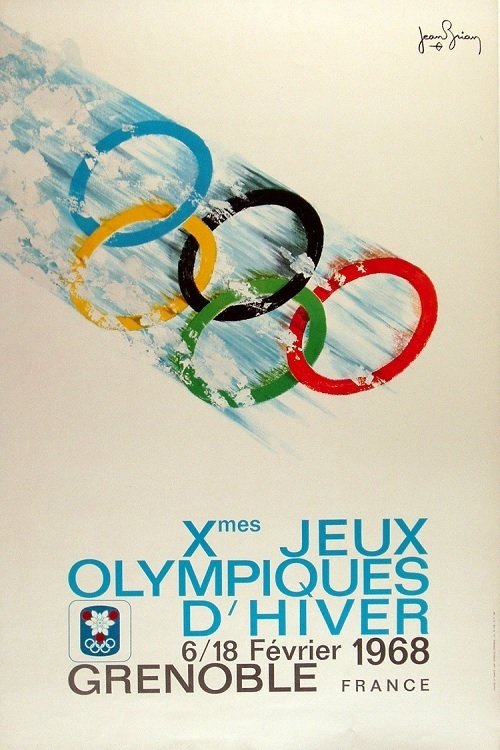
Film about the 10th Olympic Games in Grenoble in 1968. Using a subjective camera, Ertaud and Languepin take the pulse of the Games, cutting out the eyes and slowing down the movement when necessary. The dominant figure at the Grenoble Winter Games is Frenchman Jean-Claude Killy, whose three gold medals matched Toni Sailer's 1956 feat. The filmmakers bet on his winning streak, and include commentary from him as he prepares for each race. Another athlete, Marielle Goitschel, is treated insightfully on screen and wins the women's slalom. Ice dancing fans will appreciate the coverage of winner Oleg Protopopov and his partner Ludmila Belousova. President Charles De Gaulle was present for the spectacular Opening Ceremony.

Documentary about the XIX Olympic Games in Mexico City in 1968. Preserved by the Academy Film Archive in partnership with Sony Pictures Entertainment in 1999.

An artistic and unconventional approach to winter sports, using striking visuals, sound design, and a focus on both the spectacle and the human element—including behind-the-scenes figures like ice maintenance workers—to create an intimate and aesthetically unique portrayal of the Olympics.

British documentary filmmaker and producer Tony Maylam reinvigorated the sports documentary genre with WHITE ROCK, an idiosyncratic and utterly engaging account of the XII Olympic Winter Games Innsbruck 1976. He did so by placing music (by organ and synth wunderkind Rick Wakeman) front and center, and by using Hollywood star James Coburn as a "guide for the uninitiated."
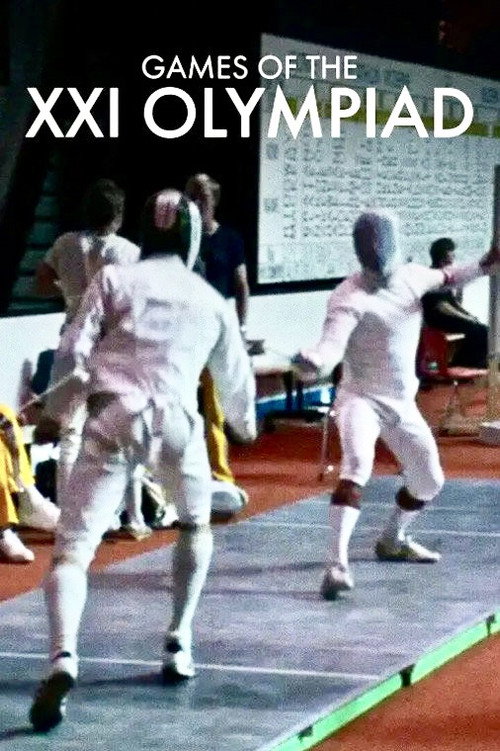
Edited from almost 100 km of film footage shot during the Games, this feature documentary is a breathtaking portrait of the 1976 Montreal Olympics. Much more than a simple record of the Games, the film approaches each event with the intention of revealing the athlete - whether winner or loser - as a unique individual.
A documentary covering the 1980 Olympic Winter Games in Lake Placid.
A 1981 documentary film directed by Yuri Ozerov. It showed the opening and closing ceremonies of the 1980 Summer Olympics held in Moscow. The director was awarded the State Prize of the USSR in 1982. The film was selected as the Soviet entry for the Best Foreign Language Film at the 54th Academy Awards, but was not accepted as a nominee.

A documentary covering the 1984 Olympic Games in Sarajevo.
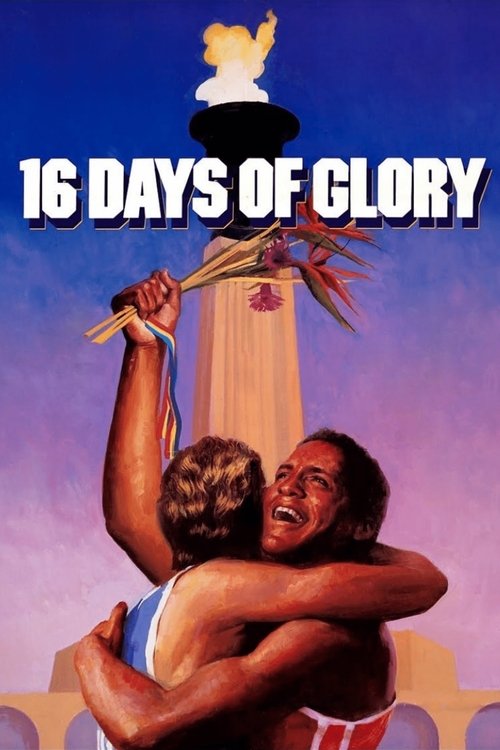
The definitive photographic record of the 1984 Los Angeles Olympics, told "from the inside" through the lives of the participants, the words of David Perry, and the singing voice of Placido Domingo. From the opening to closing ceremonies, this unique style of storytelling shows a side of the Olympic Games not seen by television audiences.
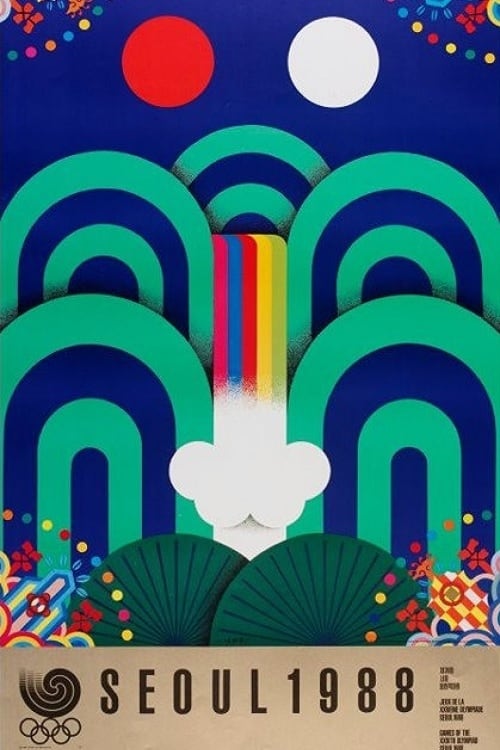
A documentary covering the opening and closing ceremonies of the 1988 Summer Olympic Games in Seoul.
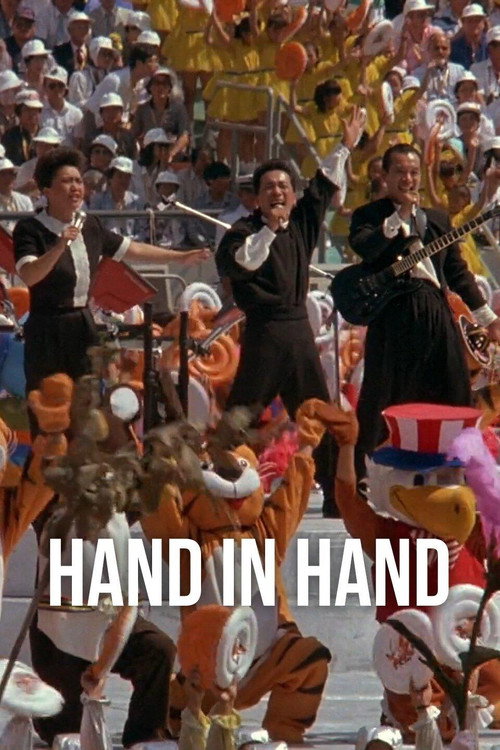
A documentary covering the 1988 Olympic Games in Seoul.
A documentary covering the 1988 Summer Olympic Games in Seoul.
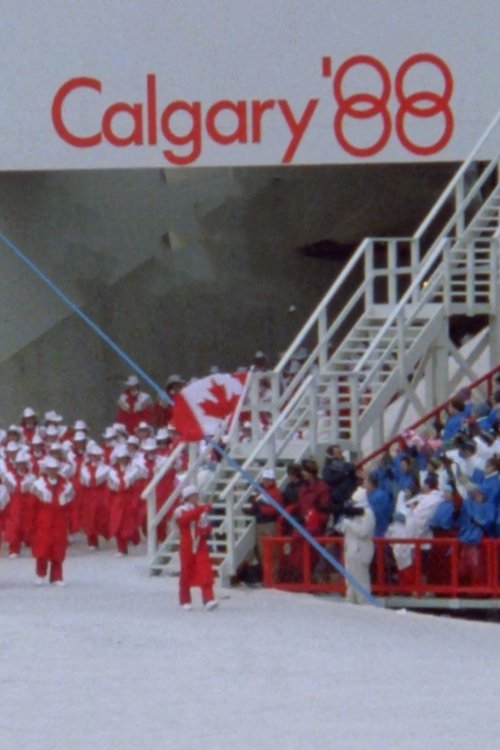
A documentary covering the 1988 Olympic Games in Calgary.

A documentary covering the 1992 Olympic Games in Albertville.
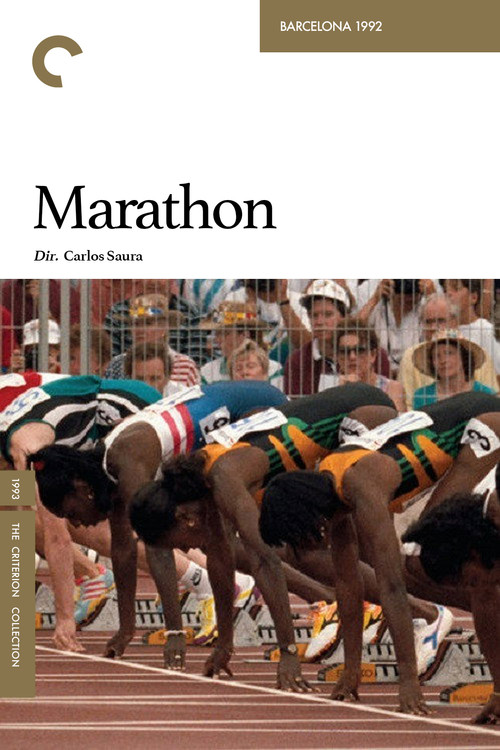
For this documentary, the renowned Spanish filmmaker Carlos Saura created a structure as unconventional as the Gaudí buildings that adorn the host city of Barcelona. Coverage of the men's marathon appears at intervals throughout the narrative, highlighting the Games' most iconic event. While charismatic winners—from 400m champion Michael Johnson to weightlifter Ivan Ivanov—take center stage, Saura observes rigorous training sessions with as much passion as the finals themselves. Composers such as Ryuichi Sakamoto, Mikis Theodorakis, and Angelo Badalamenti contribute to the shifting atmosphere of this excellent film.

A documentary covering the 1994 Olympic Games in Lillehammer.

A documentary covering the 1996 Olympic Games in Atlanta.
A documentary covering the 1998 Winter Olympic Games in Nagano.

A documentary covering the 2000 Olympic Games in Sydney.

Award-winning sports chronicler Bud Greenspan delivers a powerful and emotional look at six individual stories in the official film of the 2002 Olympic Winter Games in Salt Lake City. Greenspan goes beyond highlight footage to tell the story of how these athletes overcome incredible obstacles to achieve Olympic glory.
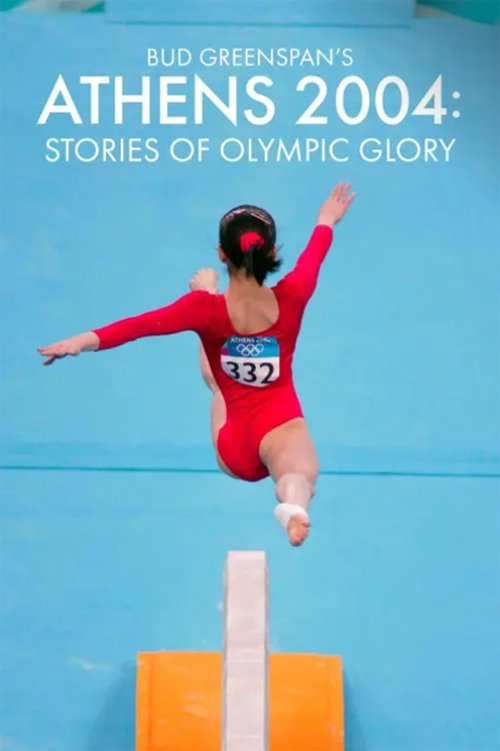
A documentary covering the 2004 Olympic Games in Athens.

A documentary covering the 2006 Olympic Games in Turin.
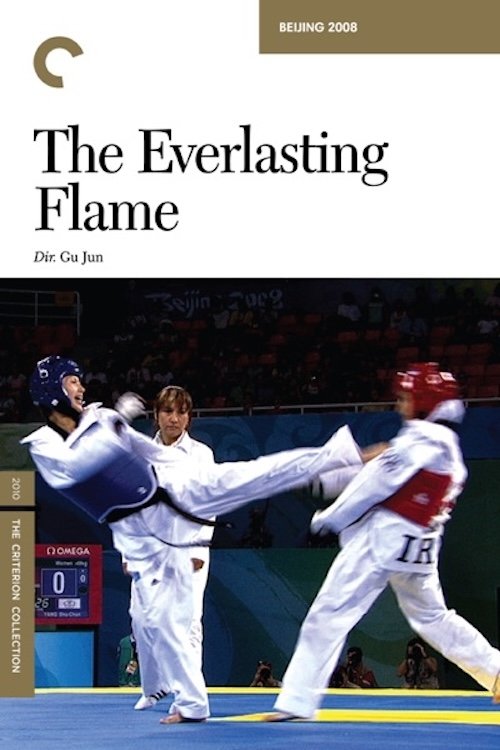
A documentary covering the 2008 Olympic Games in Beijing.

A documentary covering the 2010 Olympic Games in Vancouver.
The Official Film of the XXXth Olympic Games to be held in London, following the stories of twelve first-time Olympians from around the world.

Newly restored and assembled by the International Olympic Committee - the earliest comprehensive moving-image record of the modern Olympic Games that survives today.
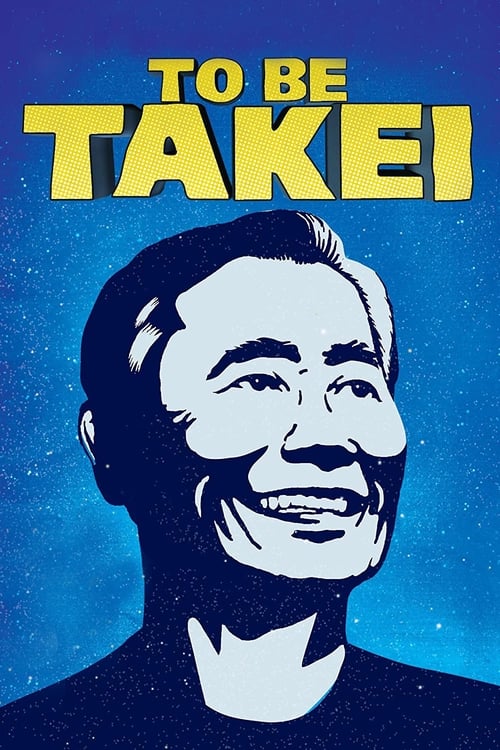
Over seven decades, actor and activist George Takei journeyed from a World War II internment camp to the helm of the Starship Enterprise, and then to the daily news feeds of five million Facebook fans. Join George and his husband, Brad, on a wacky and profound trek for life, liberty, and love.

As a visually radical memoir, CAMERAPERSON draws on the remarkable footage that filmmaker Kirsten Johnson has shot and reframes it in ways that illuminate moments and situations that have personally affected her. What emerges is an elegant meditation on the relationship between truth and the camera frame, as Johnson transforms scenes that have been presented on Festival screens as one kind of truth into another kind of story—one about personal journey, craft, and direct human connection.

Unprecedented access to Muhammad Ali's personal archive of "audio journals" as well as interviews and testimonials from his inner circle of family and friends are used to tell the legend's life story.
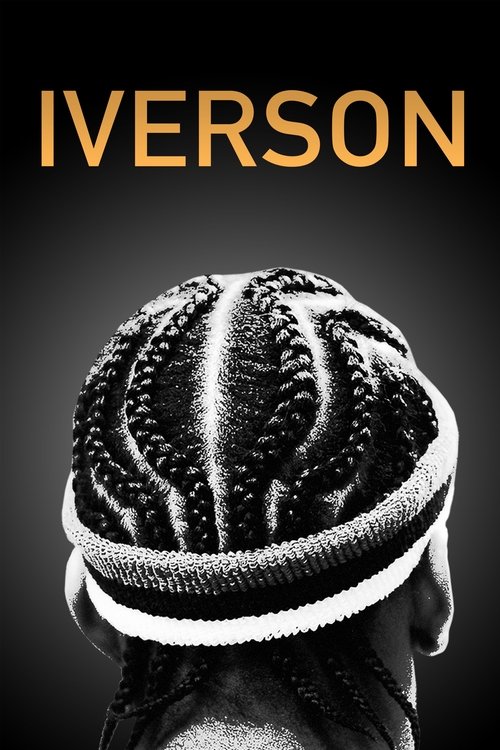
Iverson is the ultimate legacy of NBA legend Allen Iverson, who rose from a childhood of crushing poverty in Hampton, Virginia, to become an 11-time NBA All-Star and universally recognized icon of his sport. Off the court, his audacious rejection of conservative NBA convention and unapologetic embrace of hip hop culture sent shockwaves throughout the league and influenced an entire generation. Told largely in Iverson's own words, the film charts the career highs and lows of one of the most distinctive and accomplished figures the sport of basketball has ever seen.
An epic cinematic and musical collaboration between SHERPA filmmaker Jennifer Peedom and the Australian Chamber Orchestra, that explores humankind's fascination with high places.
Daniel Craig candidly reflects on his 15 year adventure as James Bond. Including never-before-seen archival footage from Casino Royale to the upcoming 25th film No Time To Die, Craig shares his personal memories in conversation with 007 producers, Michael G Wilson and Barbara Broccoli.

Justice Ruth Bader Ginsburg now 84, and still inspired by the lawyers who defended free speech during the Red Scare, Ginsburg refuses to relinquish her passionate duty, steadily fighting for equal rights for all citizens under the law. Through intimate interviews and unprecedented access to Ginsburg’s life outside the court, RBG tells the electric story of Ginsburg’s consuming love affairs with both the Constitution and her beloved husband Marty—and of a life’s work that led her to become an icon of justice in the highest court in the land.
Musician and performance artist Laurie Anderson reflects on the deaths of her husband Lou Reed, her mother and her beloved dog.
An IMAX 3D camera chronicles the effort of 7 astronauts aboard the Space Shuttle Atlantis to repair the Hubble Space Telescope.

The life and career of the hailed Hollywood movie star and underappreciated genius inventor, Hedy Lamarr.
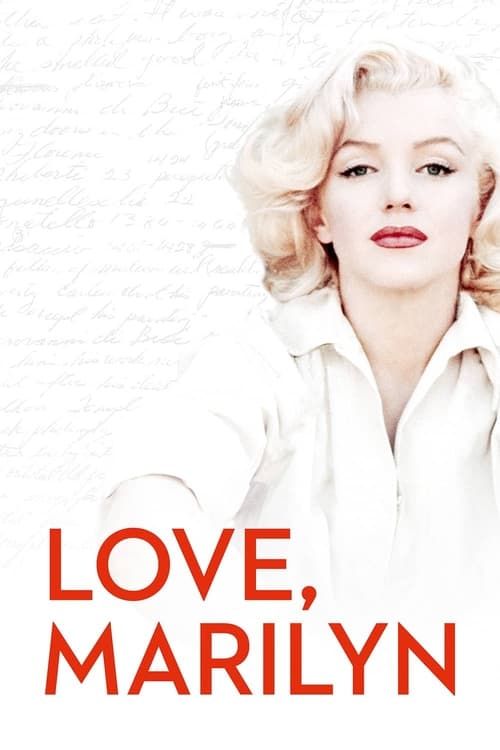
Using the book 'Fragments', which collects Marilyn Monroe's poems, notes and letters, and with participation from the Arthur Miller and Truman Capote estates who have contributed more material, each of the actresses will embody the legend at various stages in her life.
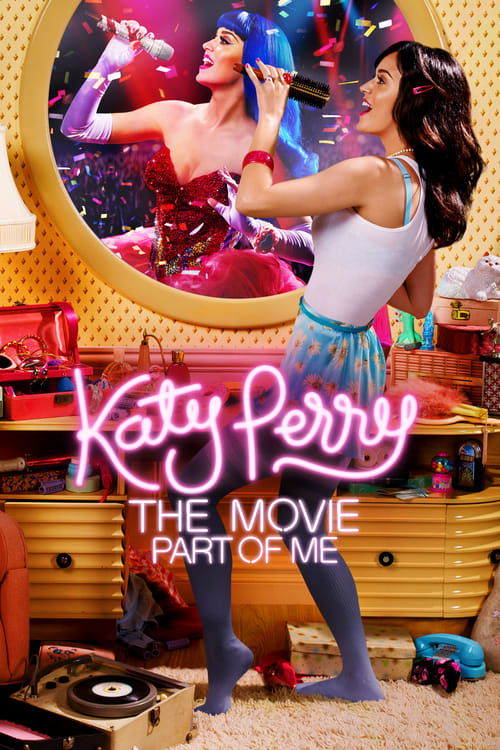
Giving fans unprecedented access to the real life of the music sensation, Katy Perry: Part of Me exposes the hard work, dedication and phenomenal talent of a girl who remained true to herself and her vision in order to achieve her dreams. Featuring rare behind-the-scenes interviews, personal moments between Katy and her friends, and all-access footage of rehearsals, choreography, Katy’s signature style and more, Katy Perry: Part of Me reveals the singer’s unwavering belief that if you can be yourself, then you can be anything.
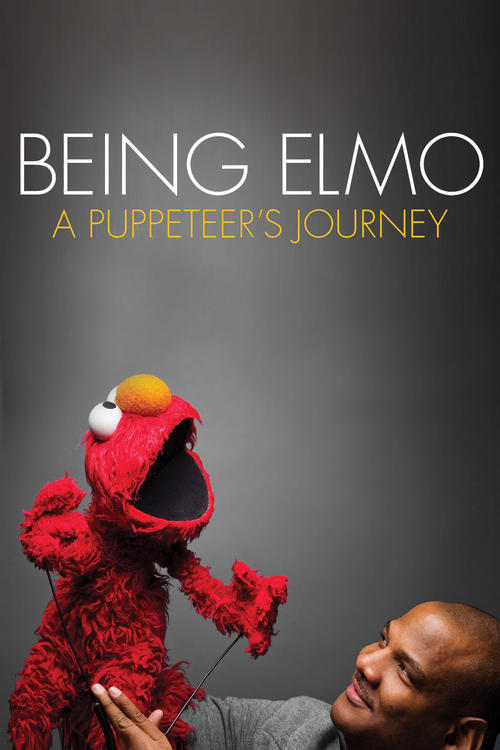
Beloved by children of all ages around the world, Elmo is an international icon. Few people know his creator, Kevin Clash, who dreamed of working with his idol, master puppeteer Jim Henson. Displaying his creativity and talent at a young age, Kevin ultimately found a home on Sesame Street. Narrated by Whoopi Goldberg, this documentary includes rare archival footage, interviews with Frank Oz, Rosie O’Donnell, Cheryl Henson, Joan Ganz Cooney and others and offers a behind-the-scenes look at Sesame Street and the Jim Henson Workshop.
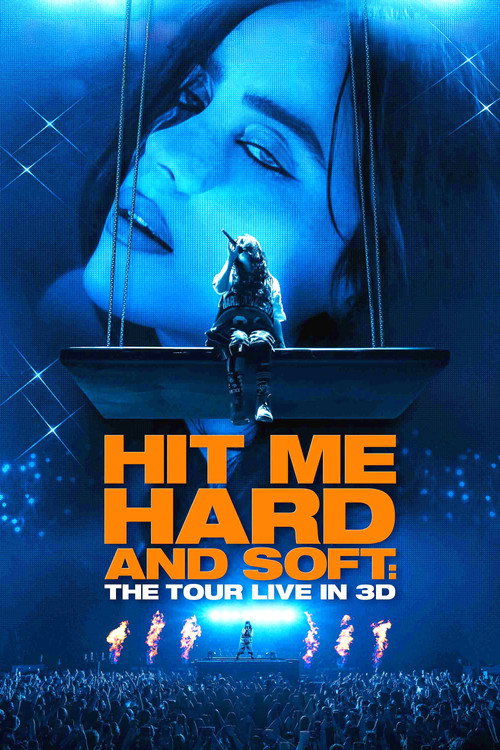
Captured during Billie Eilish's sold-out world tour, a concert experience from one of the most celebrated and successful artists of her generation, presented in immersive 3D.
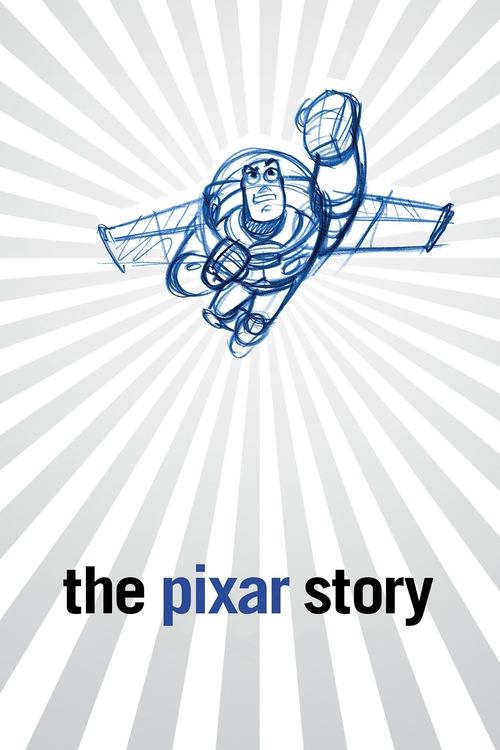
A look at the first years of Pixar Animation Studios - from the success of "Toy Story" and Pixar's promotion of talented people, to the building of its East Bay campus, the company's relationship with Disney, and its remarkable initial string of eight hits. The contributions of John Lasseter, Ed Catmull and Steve Jobs are profiled. The decline of two-dimensional animation is chronicled as three-dimensional animation rises. Hard work and creativity seem to share the screen in equal proportions.
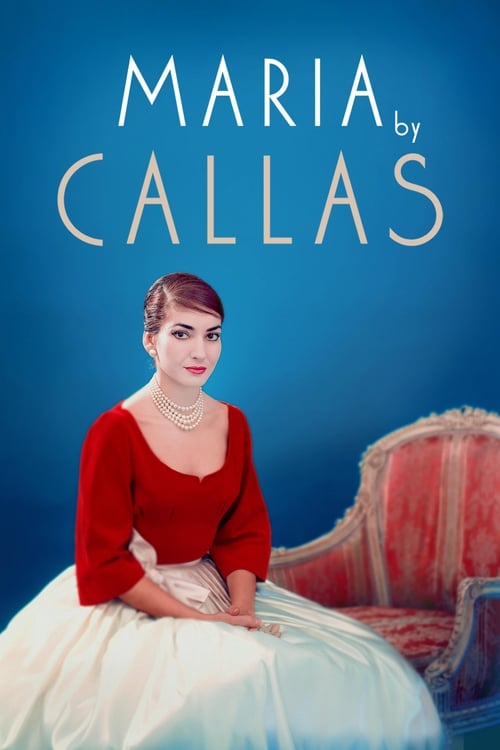
Told through performances, TV interviews, home movies, family photographs, private letters and unpublished memoirs, the film reveals the essence of an extraordinary woman who rose from humble beginnings in New York City to become a glamorous international superstar and one of the greatest artists of all time.

Amateur and professional bodybuilders prepare for the 1975 Mr. Olympia and Mr. Universe contests as five-time champion Arnold Schwarzenegger defends his Mr. Olympia title against Serge Nubret and the shy young Lou Ferrigno.
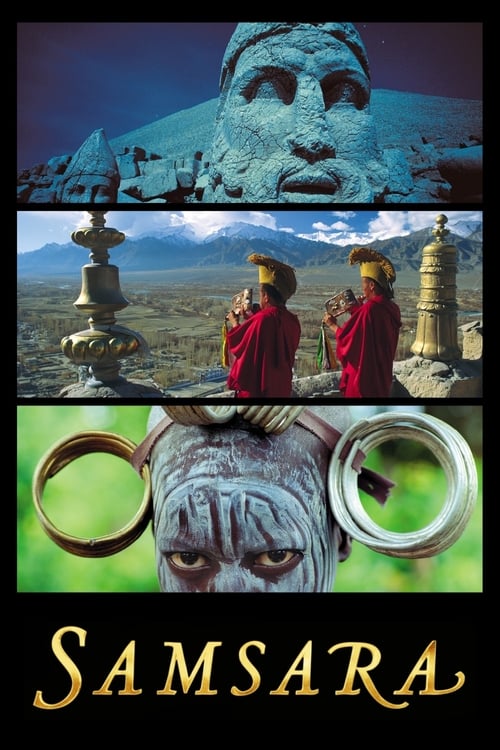
Filmed over nearly five years in twenty-five countries on five continents, and shot on seventy-millimetre film, Samsara transports us to the varied worlds of sacred grounds, disaster zones, industrial complexes, and natural wonders.
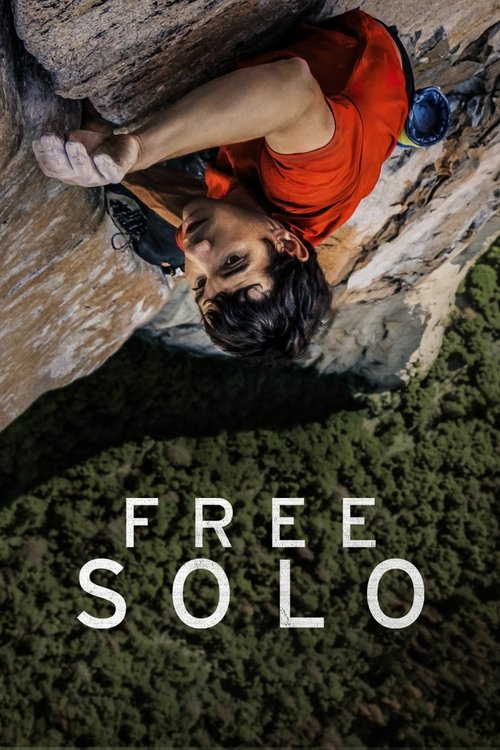
Follow Alex Honnold as he attempts to become the first person to ever free solo climb Yosemite's 3,000 foot high El Capitan wall. With no ropes or safety gear, this would arguably be the greatest feat in rock climbing history.
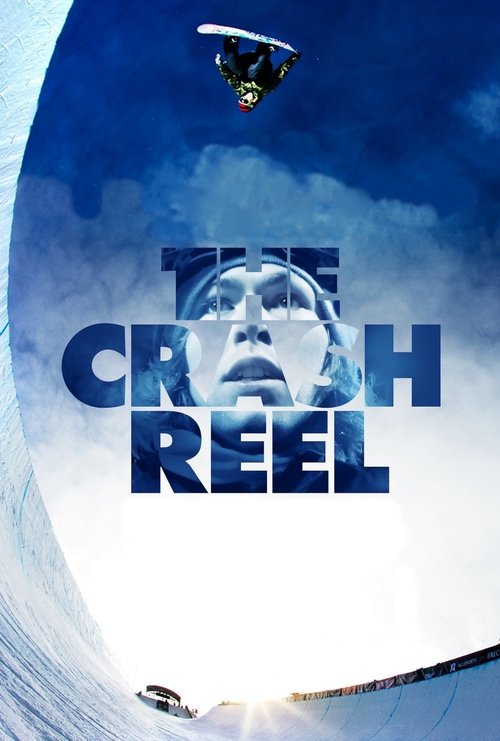
The Crash Reel tells the story of a sport and the risks that athletes face in reaching the pinnacle of their profession. This is Kevin Pearce’s story, a celebrated snowboarder who sustained a brain injury in a trick gone wrong and who now aims, against all the odds, to get back on the snow.