E’ Mezzanotte, Monsieur Cinema
Synopsis
You might also like

A tribute to Italian filmmaker Sergio Corbucci (1926-90), presented by American filmmaker Quentin Tarantino.
Django & Django: Sergio Corbucci Unchained
Roberto, a shy law student in Rome, meets Bruno, a forty-year-old exuberant, capricious man, who takes him for a drive through the Roman and Tuscany countries in the summer. When their journey starts to blend into their daily lives though, the pair’s newfound friendship is tested.
Il Sorpasso
A filmmaker recalls his childhood, when he fell in love with the movies at his village's theater and formed a deep friendship with the theater's projectionist.
Cinema Paradiso

Short film to a song of love lost and rediscovered, a woman sees and undergoes surreal transformations. Her lover's face melts off, she dons a dress from the shadow of a bell and becomes a dandelion, ants crawl out of a hand and become Frenchmen riding bicycles. Not to mention the turtles with faces on their backs that collide to form a ballerina, or the bizarre baseball game.
Destino

A compilation of over 30 years of private home movie footage shot by Lithuanian-American avant-garde director Jonas Mekas, assembled by Mekas "purely by chance", without concern for chronological order.
As I Was Moving Ahead, Occasionally I Saw Brief Glimpses of Beauty
John Cazale was in only five films – The Godfather, The Conversation, The Godfather: Part II, Dog Day Afternoon and The Deer Hunter – each was nominated for Best Picture. Yet today most people don't even know his name. I KNEW IT WAS YOU is a fresh tour through movies that defined a generation.
I Knew It Was You: Rediscovering John Cazale
World-renowned director Martin Scorsese narrates this journey through his favorites in Italian cinema.
My Voyage to Italy

Manny has moved to a new school, and it's not easy to fit in. After wishing he had more friends, Manny finds a mysterious collar and puts it on Rufus, the family dog. Suddenly, Rufus turns into a boy! Manny's not sure what to do, so he enrolls Rufus in school. When the other students notice Rufus's silly dog antics -- chasing squirrels, eating without utensils, asking for belly rubs, and catching a soccer ball with his mouth -- he immediately becomes the most popular kid around. Manny is jealous of his new best friend but eventually learns that a dog's loyalty to his owner always comes first.
Rufus
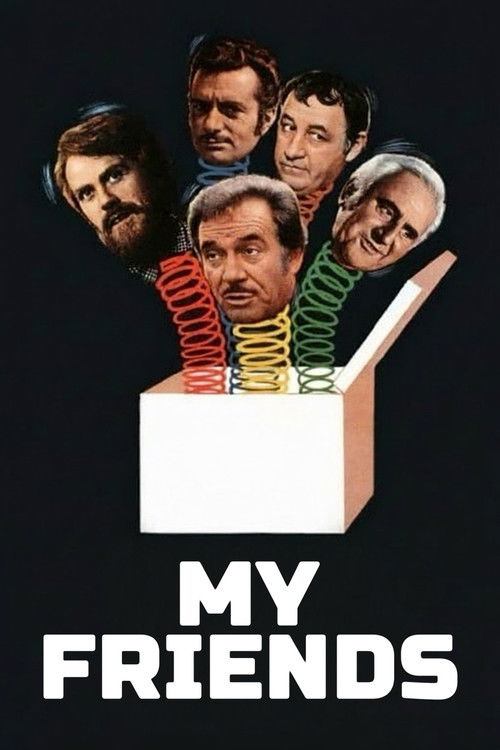
Four inseparable friends try to face their midlife crisis with daytrips and pranks at the expense of their families and the people around them.
My Friends
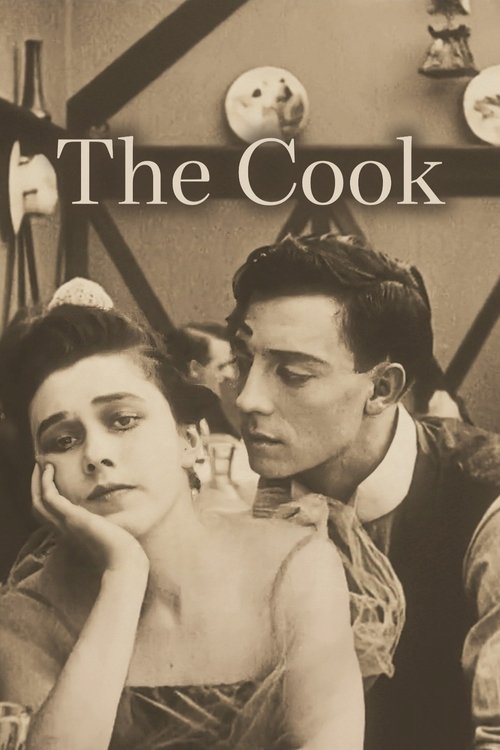
In an attempt at greater efficiency, the chef and waiter of a fancy oceanside restaurant wreak havoc in the establishment. Adding to the complications is the arrival of a robber.
The Cook
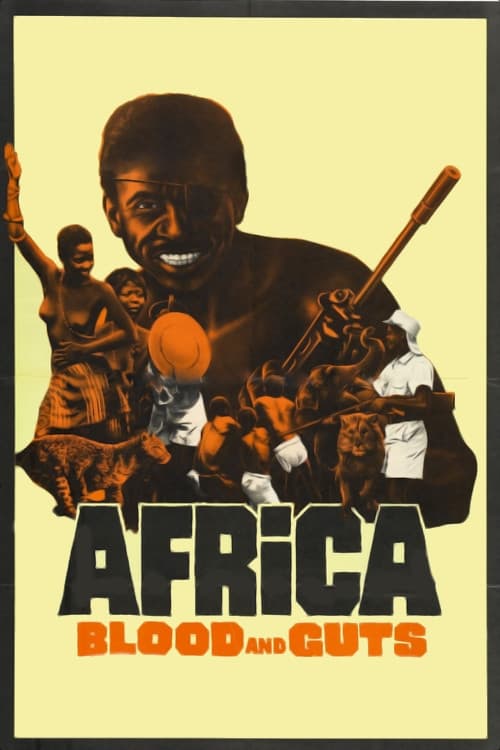
A chronicle of the violence that occurred in much of the African continent throughout the 1960s. As many African countries were transitioning from colonial rule to other forms of government, violent political upheavals were frequent. Revolutions in Zanzibar and Kenya in which thousands were killed are shown, the violence not only political; there is also extensive footage of hunters and poachers slaughtering different types of wild animals.
Africa Blood and Guts
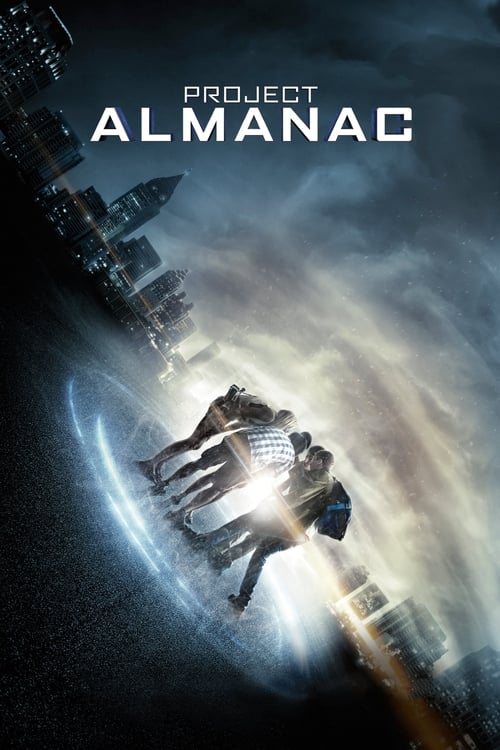
A group of teens discover secret plans of a time machine, and construct one. However, things start to get out of control.
Project Almanac

Customers and clerks frolic in a general store. Roscoe walks out of the freezer wearing a fur coat, then does some clever cleaver tossing. In Buster's film debut he buys a pail of molasses.
The Butcher Boy
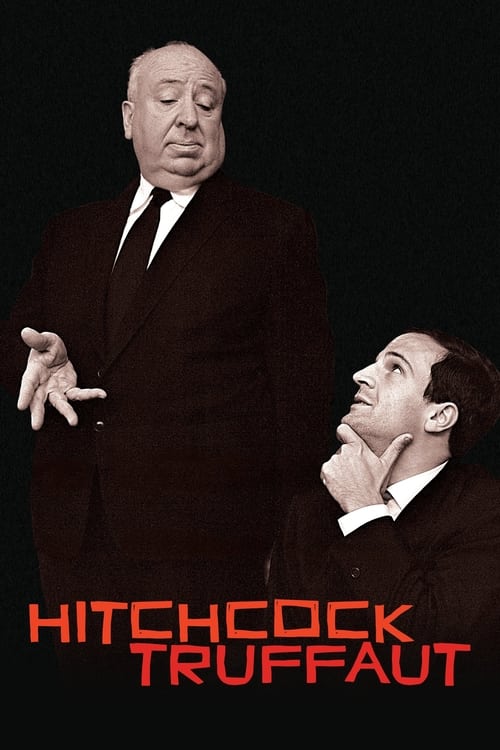
Filmmakers discuss the legacy of Alfred Hitchcock and the book “Hitchcock/Truffaut” (“Le cinéma selon Hitchcock”), written by François Truffaut and published in 1966.
Hitchcock/Truffaut
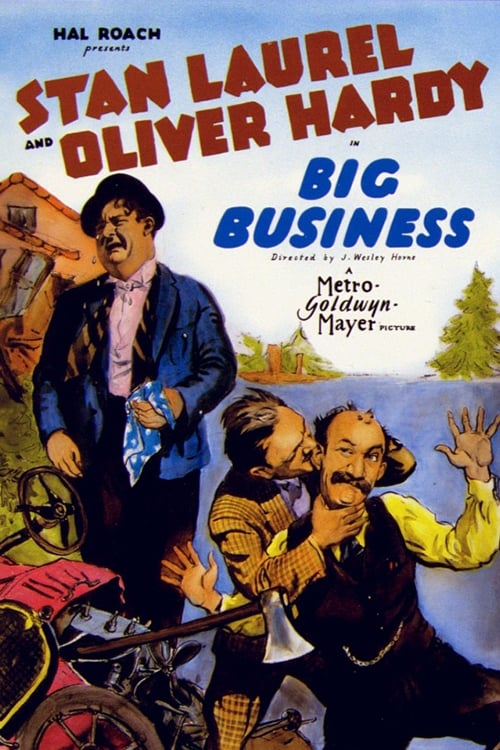
Stan and Ollie play door-to-door Christmas tree salesmen in California. They end up getting into an escalating feud with grumpy would-be customer James Finlayson, with his home and their car being destroyed in the melee.
Big Business
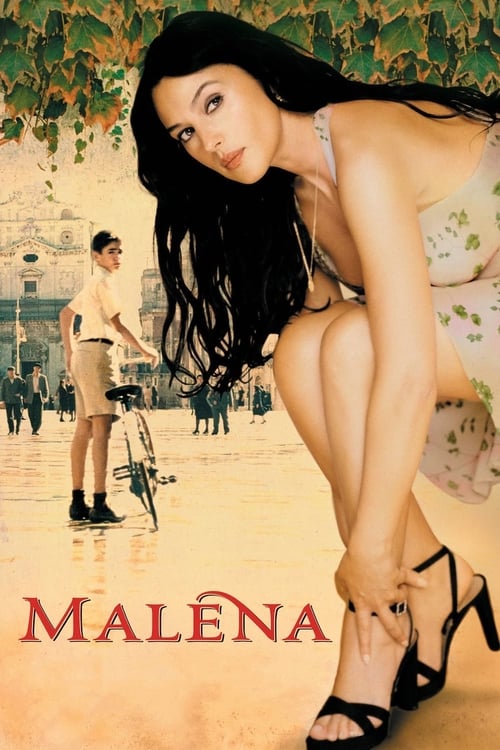
12-year-old Renato experiences three significant events on the same day: the beginning of the Second World War, getting a bike, and witnessing the arrival of the gorgeous Malèna. Through his eyes, we see the curse of beauty and loneliness of Malena, whose husband is presumed dead, and, through his soul, we see his love for her.
Malena
The Driver drives a wounded diplomat, who carries a mysterious briefcase, while under helicopter attack. During the attack the briefcase is struck by a bullet, causing a display on it to begin counting down, and it to leak an unknown fluid from the bullet hole. The Driver manages to destroy his pursuers, but refuses to proceed without knowing the contents of the damaged briefcase. It is revealed that the diplomat guards a human heart for a peacekeeper, whose life is needed for the continued freedom of the people. The case is delivered, and the tyrant is forced to give up his attempt to take the country by force. The Driver leaves for another mission.
Ticker
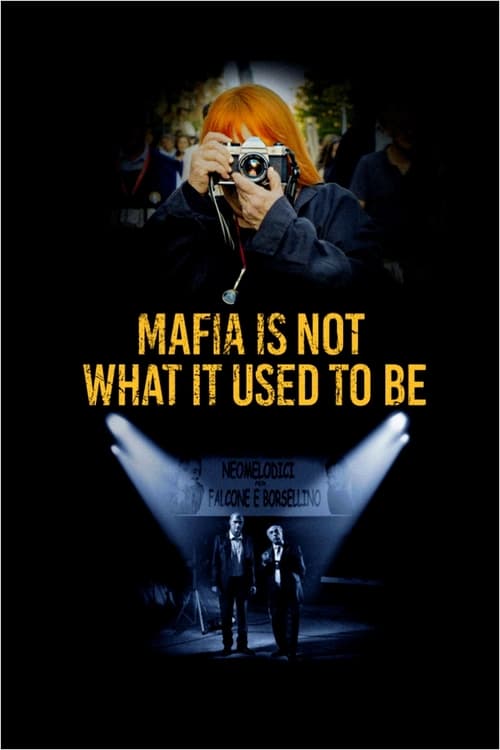
Palermo, Sicily, Italy, 2017. Twenty-five years after the murders of anti-mafia judges Giovanni Falcone, on May 23, 1992, and Paolo Borsellino, on July 19, 1992; and on the occasion of the tributes held in memory of both heroes, skeptical photographer Letizia Battaglia, chronicler of their titanic combat, criticizes the opportunism of shady characters who, like businessman Ciccio Mira, profit from the commemoration of both tragedies.
Mafia Is Not What It Used to Be
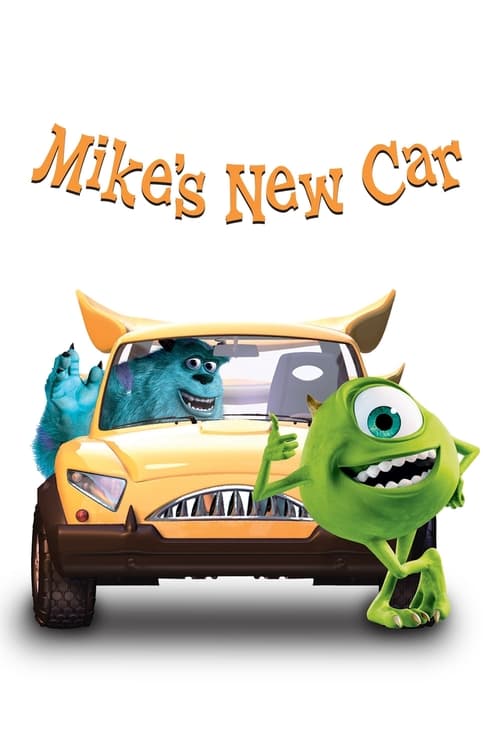
Mike discovers that being the top-ranking laugh collector at Monsters, Inc. has its benefits – in particular, earning enough money to buy a six-wheel-drive car that's loaded with gadgets. That new-car smell doesn't last long enough, however, as Sulley jump-starts an ill-fated road test that teaches Mike the true meaning of buyer's remorse.
Mike's New Car
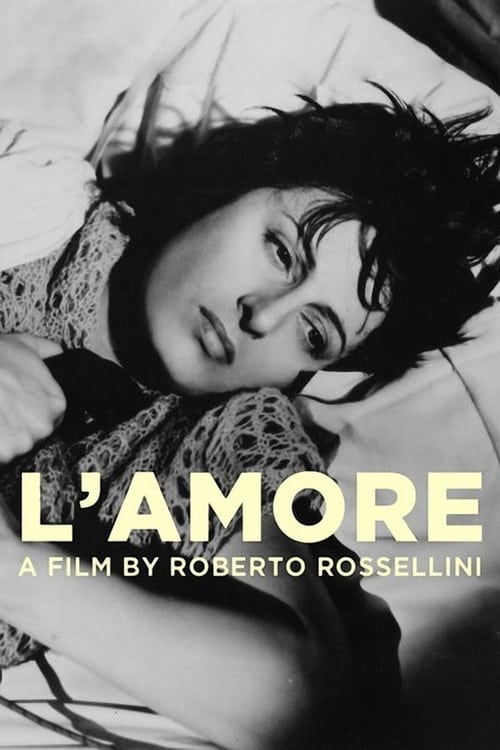
L'Amore ('Love') is a 1948 Italian drama anthology film that consists of two parts, The Human Voice (Una voce umana), based on Jean Cocteau's 1929 play of the same title, and The Miracle (Il miracolo), based on Ramón del Valle-Inclán's 1904 novel Flor de santidad.