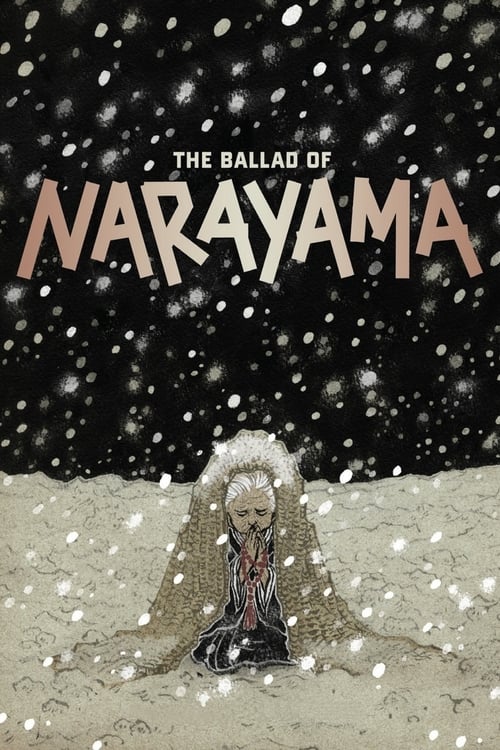
In a remote village where food is scarce, elders who reach the age of 70 are carried by their children to the top of a nearby mountain to die in solitude. Orin, a vibrant 69-year-old grandmother, has accepted her fate — but struggles to prepare the rest of her family for the ritual.
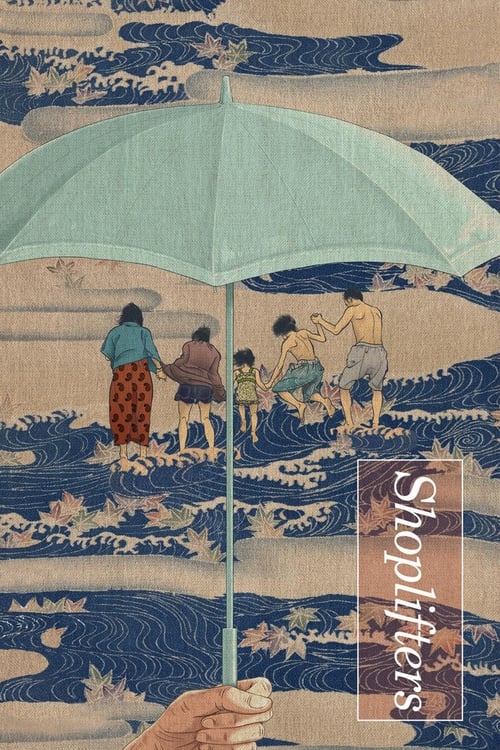
In the outskirts of Tokyo, a poor but close-knit group living on the fringes of society survives through shoplifting and odd jobs. When Osamu and his son take in a neglected young girl, their already fragile existence begins to unravel. As the family grows attached to her, buried secrets surface, forcing them to confront the true meaning of love, belonging, and what makes a family.
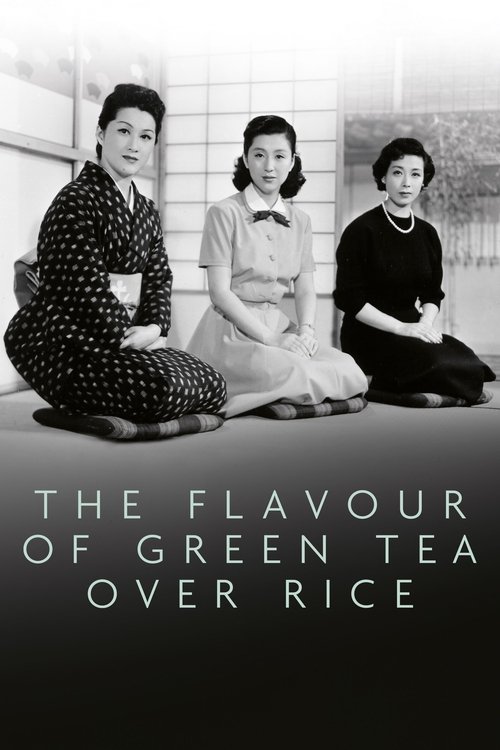
The arranged marriage between a capricious woman from Tokyo high society and a quiet rustic man is tested by a marital crisis.
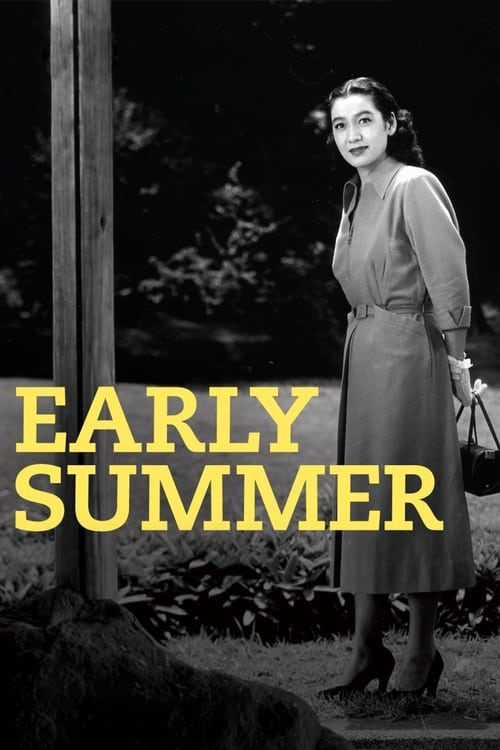
In postwar Tokyo, Noriko lives with her extended family. Although she enjoys her career and her social life, her more traditional family worries about her single marital status at the advanced age of 28. 40-year-old business associate Takako proposes, Noriko's family press her into accepting, but when her widowed childhood friend Kenkichi returns to the neighborhood, she finds her heart leading in another direction.
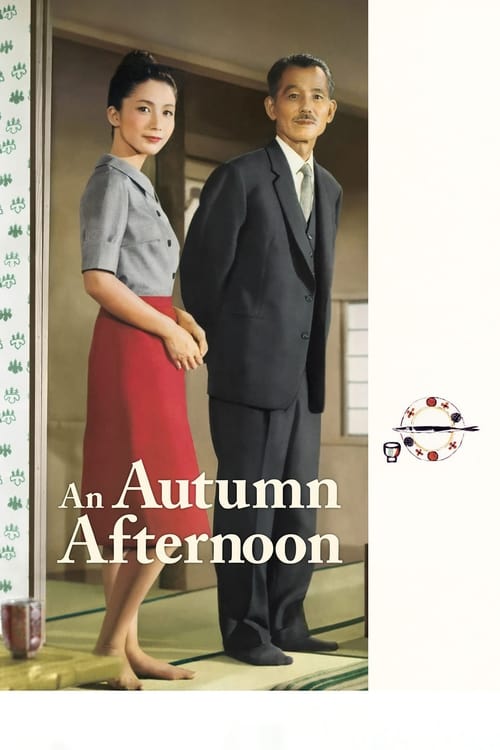
Widower Shuhei Hirayama's caretaker is his 24-year-old daughter, Michiko. Gradually, he comes to realize that Michiko should not be obliged to look after him for the rest of his life, so he arranges a marriage for her.

In a small Tokyo apartment, twelve-year-old Akira must care for his younger siblings after their mother leaves them and shows no sign of returning.
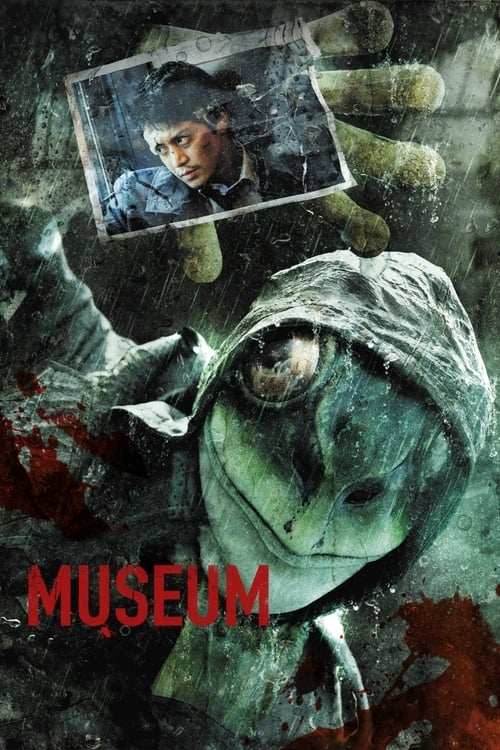
In Tokyo, Japan, several grotesque murders take place on rainy days. Detective Sawamura, who is in charge of the case, soon discovers that his own family is connected to the crimes.
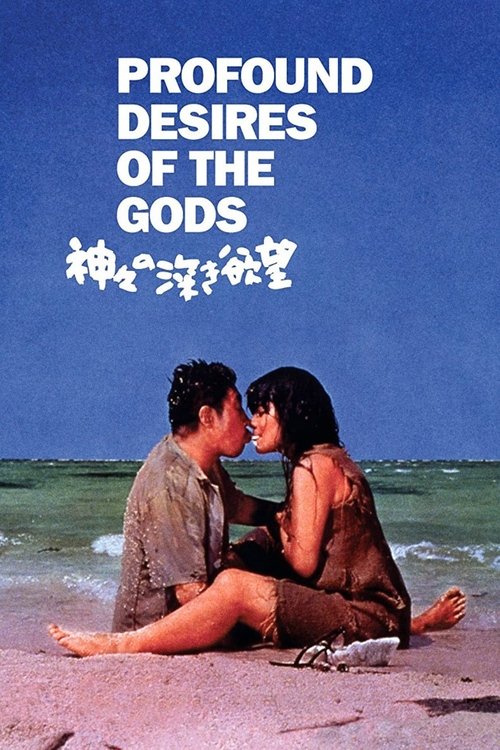
Tokyo engineer Kariya arrives on a primitive tropical island, where he interacts with the Futori clan, to drill a well to power a sugar mill.
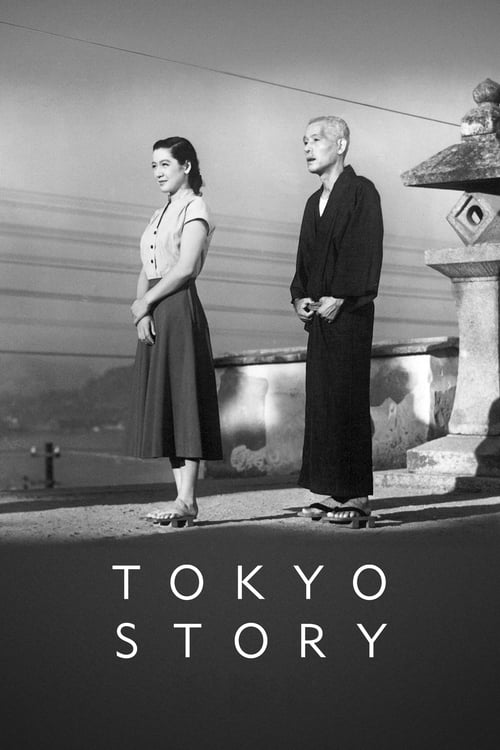
The elderly Shukishi and his wife, Tomi, take the long journey from their small seaside village to visit their adult children in Tokyo. Their elder son, Koichi, a doctor, and their daughter, Shige, a hairdresser, don't have much time to spend with their aged parents, and so it falls to Noriko, the widow of their younger son who was killed in the war, to keep her in-laws company.

An elderly Nagasaki hibakusha spends a summer caring for her four grandchildren, whose curiosity about the 1945 bombing stirs buried memories and moral questions. When an American nephew from Hawaii visits, the family confronts grief, guilt, and the possibility of reconciliation across generations.
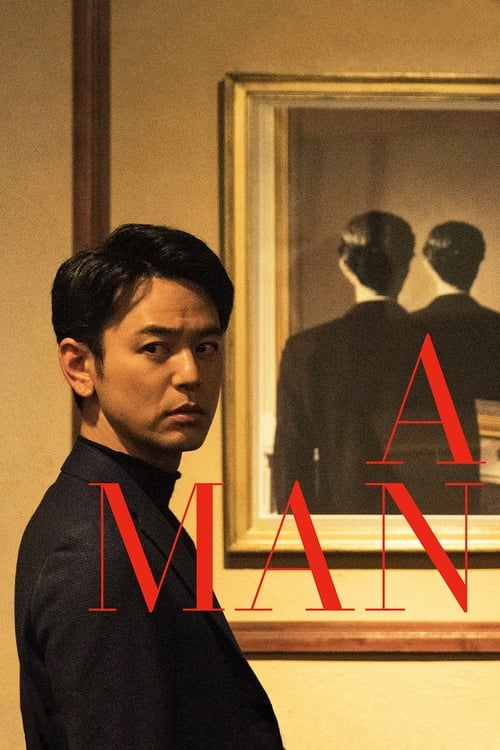
Akira works as a lawyer. One day, he meets with his former client Rie, who asks Akira to perform a background check on her late husband Daisuke.

Ryota is an unpopular writer although he won a literary award 15 years ago. Now, Ryota works as a private detective. He is divorced from his ex-wife Kyoko and he has an 11-year-old son Shingo. His mother Yoshiko lives alone at her apartment. One day, Ryota, his ex-wife Kyoko, and son Shingo gather at Yoshiko's apartment. A typhoon passes and the family must stay there all night long.
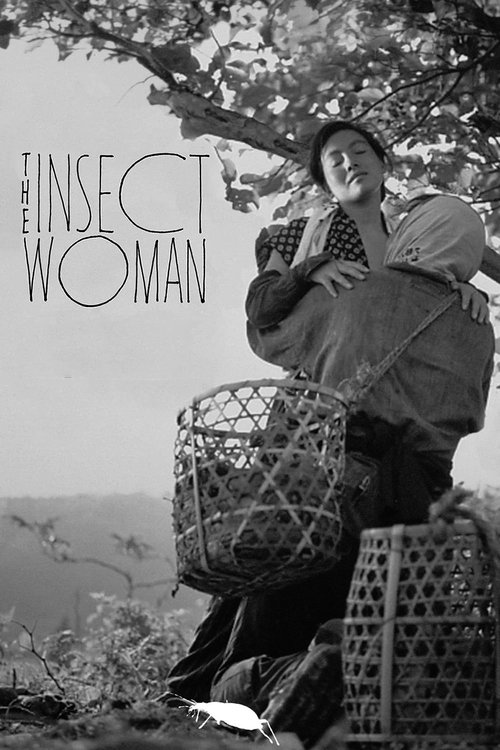
A woman, Tome, is born to a lower class family in Japan in 1918. The title refers to an insect, repeating its mistakes, as in an infinite circle. Imamura, with this metaphor, introduces the life of Tome, who keeps trying to change her poor life.

After the death of their estranged father, 3 adult sisters invite their teenaged half-sister to live with them.
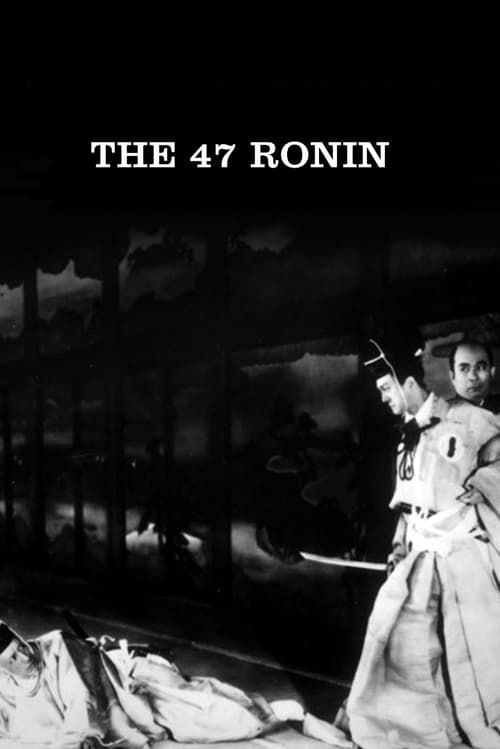
In the early 18th-century, Lord Takumi-no-kami Asano, feuding with Lord Kira, tries to kill his opponent in the corridors of the Shogun's palace. The Shogun sentences Asano to seppuku and deprives the palace and lands from his clan, but does not punish Kira. Asano's vassals leave the land and his samurais become ronin and want to seek revenge against the Lord's dishonour. But their leader Kuranosuke Oishi seeks to restore the Asano clan with his brother Daigaku Asano. One year later, the Shogun refuses, and Oishi and 46 rōnin are out for revenge.
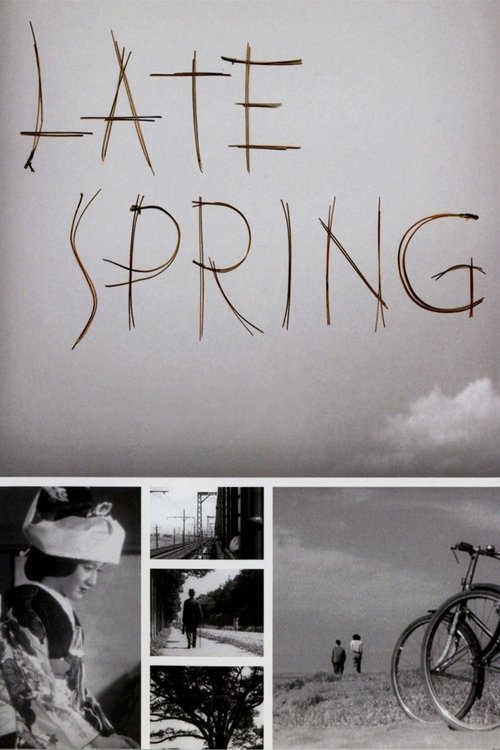
Noriko is perfectly happy living at home with her widowed father, Shukichi, and has no plans to marry -- that is, until her aunt Masa convinces Shukichi that unless he marries off his 27-year-old daughter soon, she will likely remain alone for the rest of her life. When Noriko resists Masa's matchmaking, Shukichi is forced to deceive his daughter and sacrifice his own happiness to do what he believes is right.

In rural Japan, the survivors of a tragedy converge and attempt to overcome their damaged selves, all while a serial killer is on the loose.
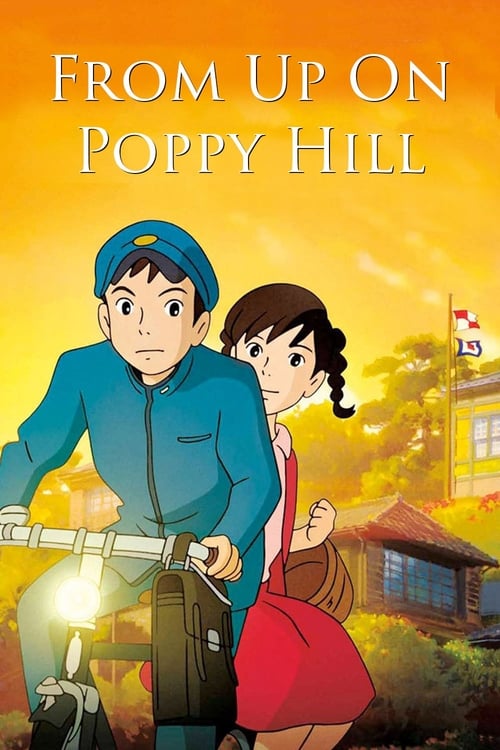
Yokohama, 1963. Japan is picking itself up from the devastation of World War II and preparing to host the 1964 Olympics—and the mood is one of both optimism and conflict as the young generation struggles to throw off the shackles of a troubled past. Against this backdrop of hope and change, a friendship begins to blossom between high school students Umi and Shun—but a buried secret from their past emerges to cast a shadow on the future and pull them apart.

In a small village in a valley everyone who reaches the age of 70 must leave the village and go to a certain mountain top to die. If anyone should refuse they would disgrace their family. Old Orin is 69. This winter it is her turn to go to the mountain. But first she must make sure that her eldest son Tatsuhei finds a wife.

A Japanese Yakuza gangster's deadly existence in his homeland gets him exiled to Los Angeles, where he is taken in by his little brother and his brother's gang.
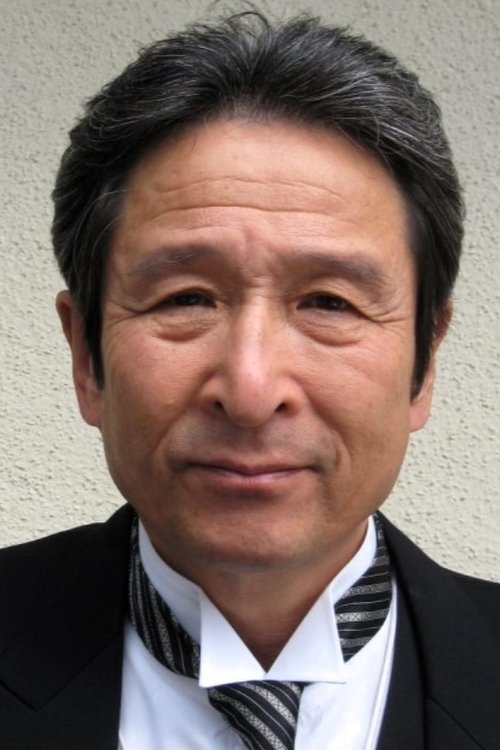
Kenzō Kawarasaki
Sakurada Masuo
Atsuko Kaku
Sakurada Ritsuko

Atsuo Nakamura
Tachibana Terumichi
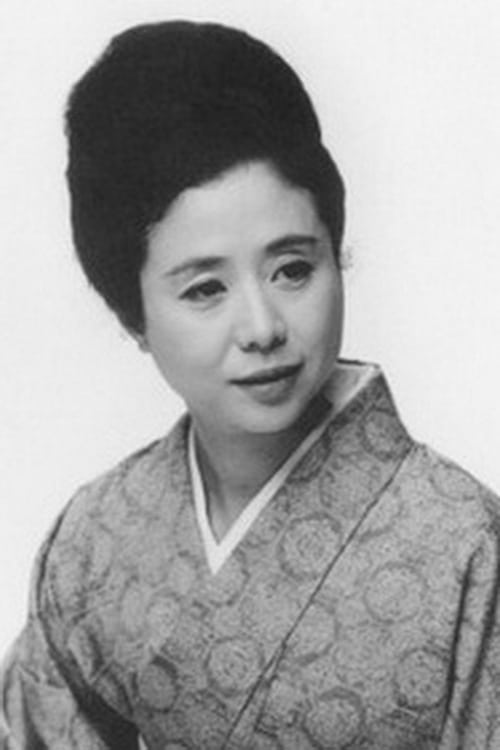
Nobuko Otowa
Sakurada Shizu
Hōsei Komatsu
Sakurada Isamu

Rokkō Toura
Sakurada Mamoru

Fumio Watanabe
Susumu
Shizue Kawarazaki
Sakurada Tomiko
Chisako Hara
Isamu's flower girl
Maki Takayama
Sakurada Kiku
Sue Mitobe
Sakurada Chiyo
Eitarō Ozawa
Tachibana Takeyo