
Synopsis
Vous aimerez aussi

L'arrivée d'un train en gare de La Ciotat, ou L'arrivée d'un train à La Ciotat, est un film français réalisé par Louis Lumière en 1895, sorti en janvier 1896, dont il existe plusieurs versions.
L'arrivée d'un train à La Ciotat

Charlotte Gainsbourg accepte de jouer une sorcière jetée au bûcher dans le premier film réalisé par Béatrice Dalle. Or l’organisation anarchique, les problèmes techniques et les dérapages psychotiques plongent peu à peu le tournage dans un chaos de pure lumière.
Lux Æterna
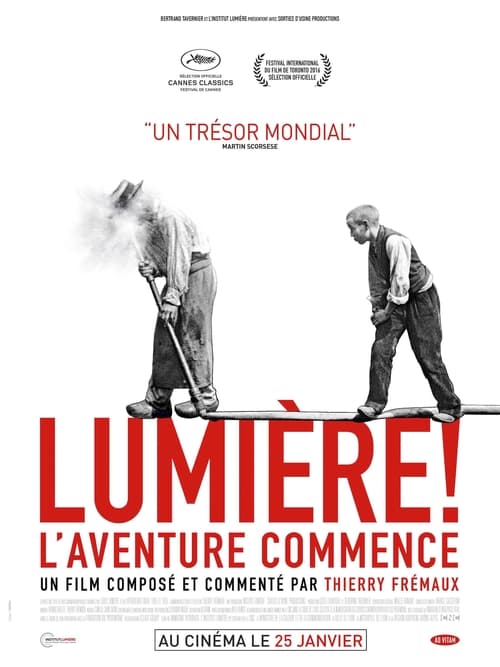
En 1895, les frères Lumière inventent le Cinématographe et tournent parmi les tout-premiers films de l’histoire du cinéma. Mise en scène, travelling, trucage ou remake, ils inventent aussi l’art de filmer. Chefs-d’œuvre mondialement célèbres ou pépites méconnues, cette sélection de films restaurés offre un voyage aux origines du cinéma. Ces images inoubliables sont un regard unique sur la France et le Monde qui s’ouvrent au 20e siècle. Lumière, l’aventure du cinéma commence !
Lumière ! L'aventure commence
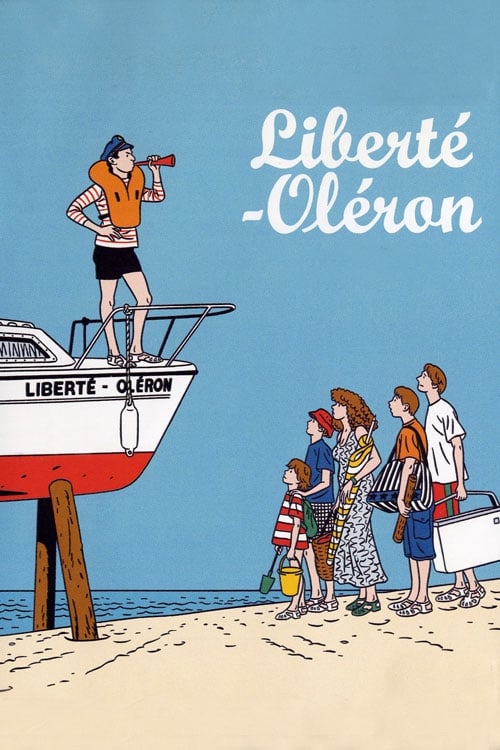
Jacques, 38 ans, part en vacances à l'Ile d'Oléron avec ses quatre enfants. Lassé des jeux de plage, il a cassé sa tirelire pour s'acheter un voilier, version dériveur lesté, baptisé "Liberté-Oléron", avec lequel il a décidé de rallier l'île d'Aix, distante de cinq kilomètres. Bien qu'incompétent en voile, Jacques déclare à sa famille qu'il est le seul maître à bord.
Liberté-Oléron
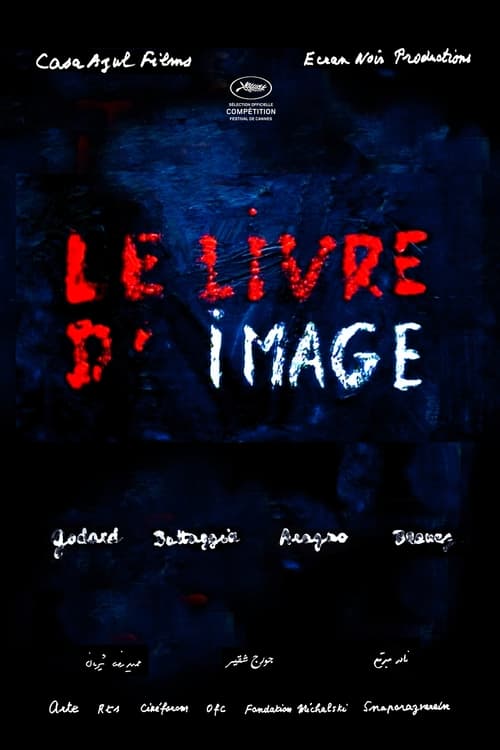
Dans Le Livre d’Image, Jean-Luc Godard recycle des images déjà existantes (films, documentaires, peintures, archives télévisuelles, etc.), cite des extraits de livres, utilise des fragments de musique. Le moteur, c’est la rime poétique, l’association ou l’opposition d’idées, l’étincelle esthétique à travers le montage, clé de voûte. L’auteur exécute un travail de sculpteur. La main, pour cela, est essentielle. Il en fait l’éloge au début. « Il y a les cinq doigts. Les cinq sens. Les cinq parties du monde (…). La vraie condition de l’homme, c’est de penser avec ses mains. » Jean-Luc Godard compose une éblouissante syncope de séquences, dont le déferlement évoque la violence des flux de nos écrans contemporains, portée à un niveau d'incandescence rarement atteint. Couronné à Cannes, le dernier Godard est un film choc, à la beauté crépusculaire.
Le Livre d'image
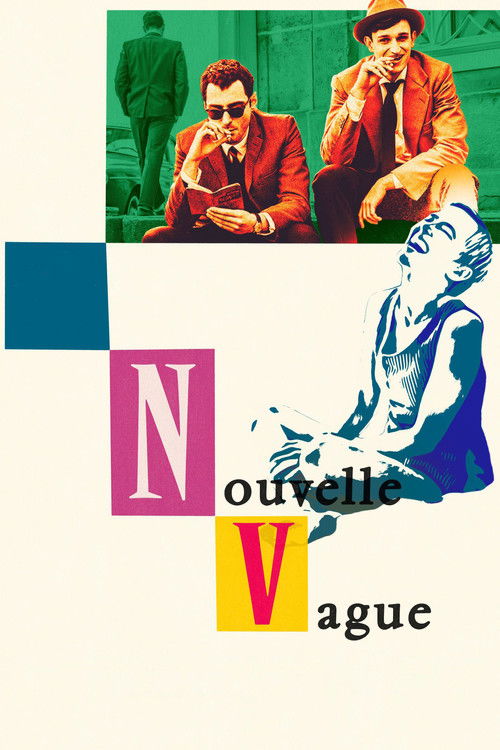
Ceci est l’histoire de Godard tournant « À bout de souffle », racontée dans le style et l’esprit de Godard tournant « À bout de souffle ».
Nouvelle Vague
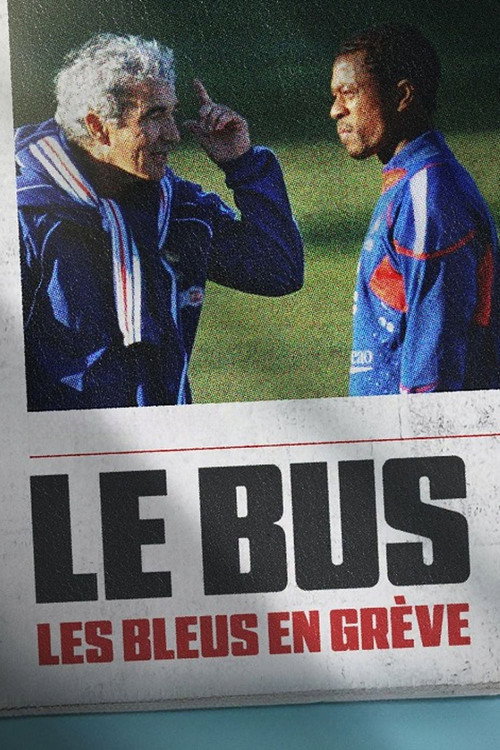
Ce documentaire revient sur la controverse entourant l'équipe de France de football lors de la Coupe du monde 2010 et sur la grève qui a fait la une et indigné tout un pays.
Le Bus : Les Bleus en grève

Londres, 2021. Des milliers de supporters sans billet viennent à Wembley voir le foot faire son grand retour en Angleterre. Et ils sont prêts à tout pour pénétrer dans le stade.
Euro 2020 : Une finale au bord du chaos
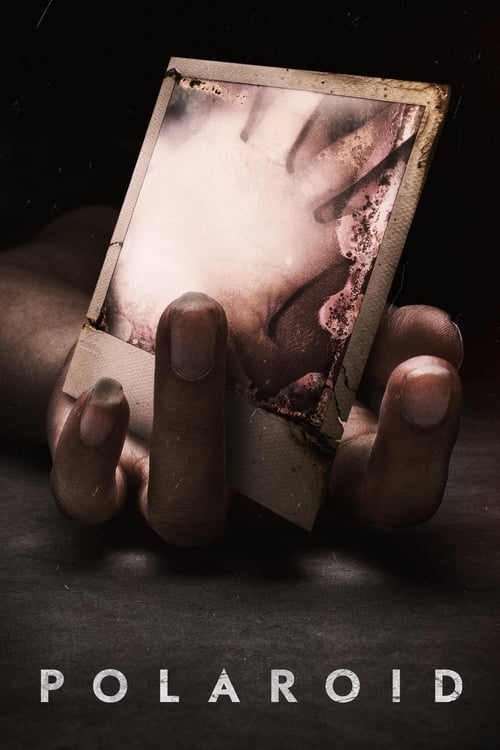
Bird Fitcher, lycéenne solitaire, ne se doute pas des sombres secrets liés au mystérieux appareil photo vintage Polaroid sur lequel elle tombe, mais elle découvrira bientôt le sort tragique de ceux qui se font photographier.
Polaroid
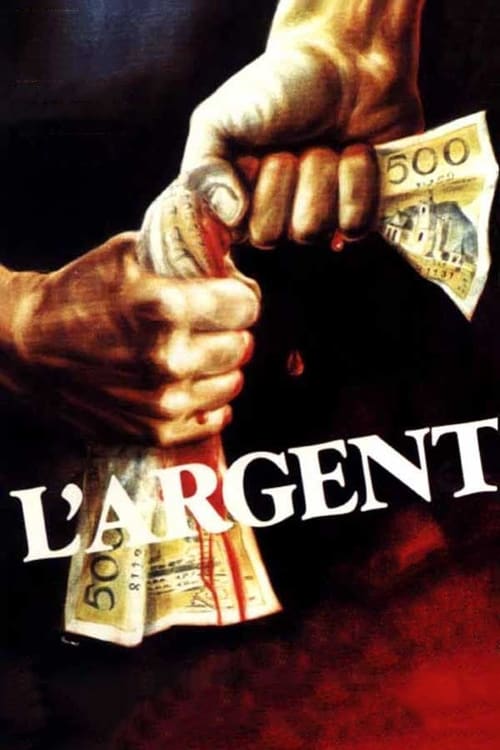
Pour être entré en possession, tout à fait innocemment, d’un faux billet de cinq cents francs, Yvon va être victime d’une série d’injustices qui provoqueront sa chute.
L'Argent
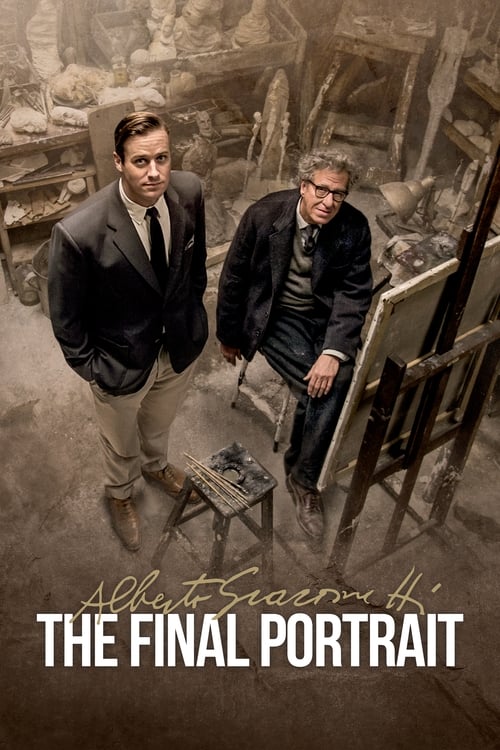
Paris, 1964, Alberto Giacometti, un des plus grands maîtres de l'art du XXème siècle, invite son ami, l’écrivain américain James Lord , à poser pour un portrait. Flatté et intrigué, James accepte. Cela ne devait prendre que quelques jours mais c'était sans compter sur le perfectionnisme et l'exigence du processus artistique de Giacometti…
Alberto Giacometti : The Final Portrait
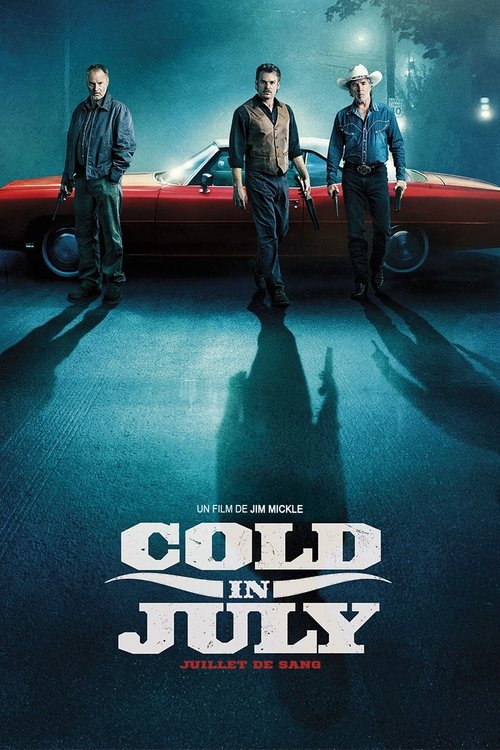
1989, Texas. Par une douce nuit, Richard Dane abat un homme qui vient de pénétrer dans sa maison. Alors qu’il est considéré comme un héros par les habitants de sa petite ville, il est malgré lui entraîné dans un monde de corruption et de violence.
Cold in July

Une scène au jardin de Roundhay est un essai de film, tenté en 1888 par l'inventeur français Louis Le Prince. Ne comportant que des photographies fixes obtenues par un procédé de chronophotographie, cette tentative n'a jamais pu être visionnée en mouvement. En 1930, les photographies ont été reproduites sur film 35 mm par le procédé du banc-titre, reconstituant ainsi le mouvement que Le Prince n'avait pas réussi à voir. Le titre lui a été donné à cette époque, aucun titre proposé par Le Prince n'ayant été retrouvé avec les photographies. Il est parfois considéré, rétrospectivement, comme le premier film à avoir été tourné.
Une scène au jardin de Roundhay

Cléo, belle et chanteuse, attend les résultats d'une analyse médicale. De la superstition à la peur, de la rue de Rivoli au Café de Dôme, de la coquetterie à l'angoisse, de chez elle au Parc Montsouris, Cléo vit quatre-vingt-dix minutes particulières. Son amant, son musicien, une amie puis un soldat lui ouvrent les yeux sur le monde.
Cléo de 5 à 7
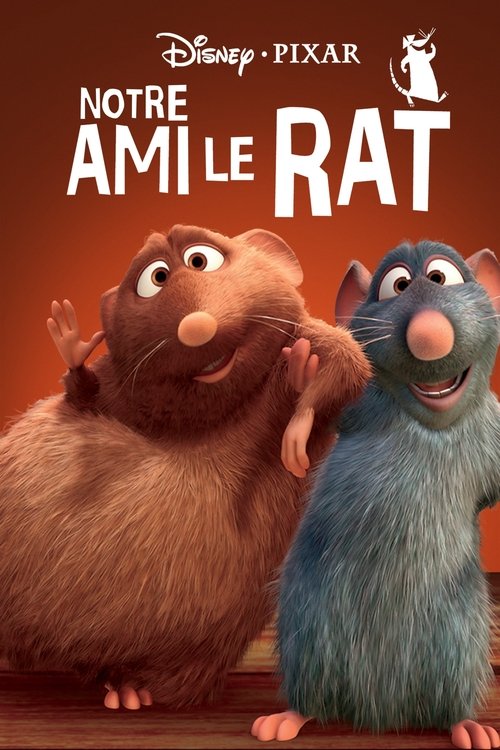
Soyons clairs, le rat n'est pas la créature la plus appréciée sur Terre. Cependant, cette petite histoire sur l'histoire des interactions entre l'homme et le rat changera peut être la vision de tout le monde. C'est du moins l'espoir de Remy, la star de Ratatouille, et de son frère moins enthousiaste Émile, qui vous expliquerons l'histoire du monde du point de vue des rats. Pourquoi ne pouvons nous pas tous nous entendre ?
Notre ami le rat
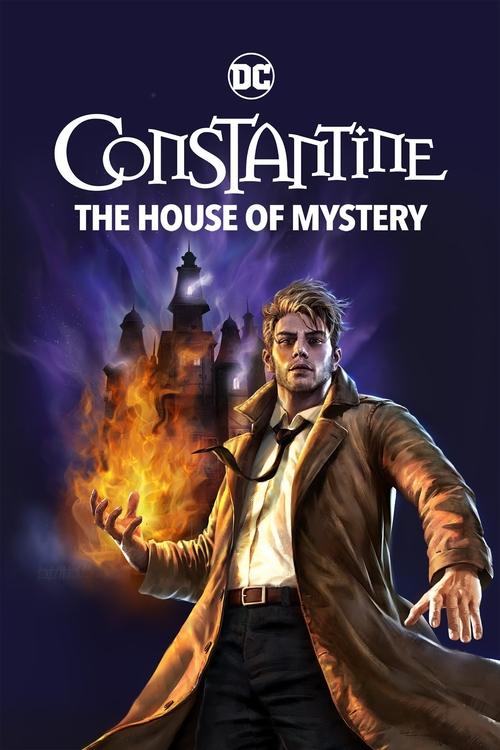
Le détective occulte John Constantine est piégé dans la Maison du Mystère, un domaine secret dont personne ne peut s'échapper.
DC Showcase - Constantine: The House of Mystery
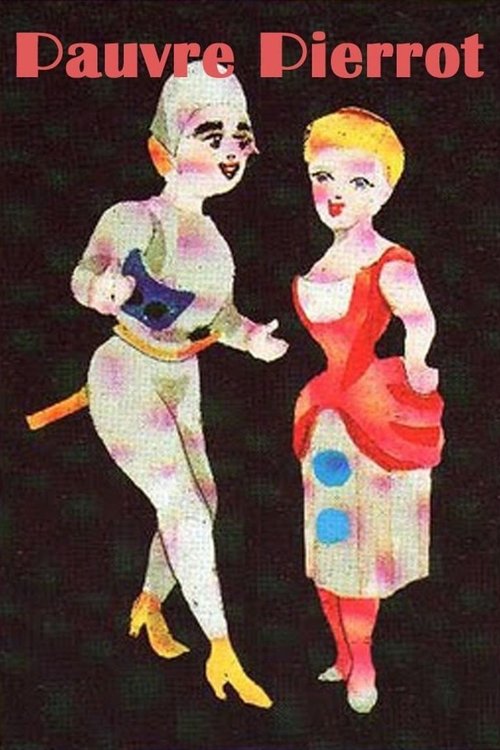
Une nuit, Pierrot rend visite à son amour Colombine, sans se douter qu'Arlequin l'avait précédé avec les mêmes intentions. Le clown décide de se cacher afin de lui tendre un piège.
Pauvre Pierrot
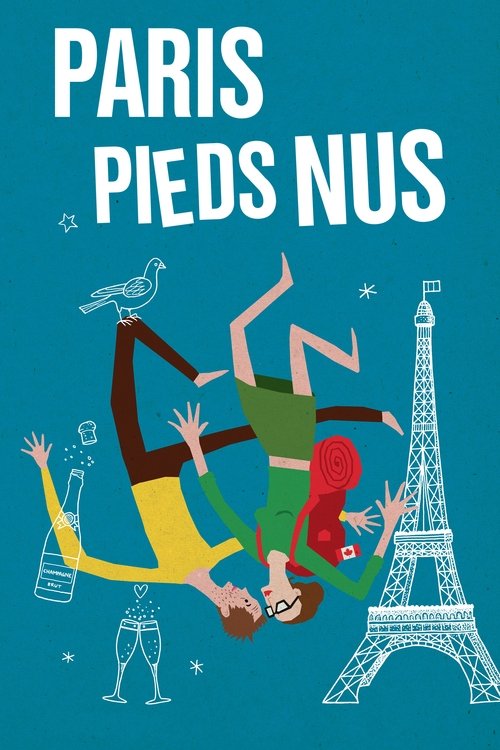
Fiona, un bibliothécaire canadienne, débarque à Paris pour venir en aide à sa vieille tante Martha, menacée d'internement dans une maison de retraite. Mais Fiona perd ses bagages et découvre que Martha a disparu. C'est le début d'une avalanche de catastrophes, qui lui feront croiser le chemin de Dom, SDF égoïste, frimeur et collant qui lui pourrit la vie.
Paris pieds nus
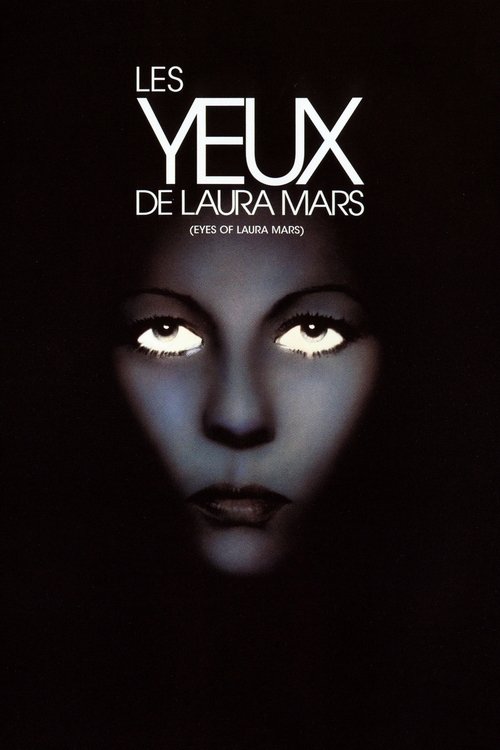
Laura Mars est une photographe new-yorkaise à succès. Sa brillante réussite est troublée depuis peu par d’éprouvantes visions lui décrivant en détail les meurtres de ses proches. La panique s'empare de Laura, lorsque ses visions deviennent réalité.
Les Yeux de Laura Mars
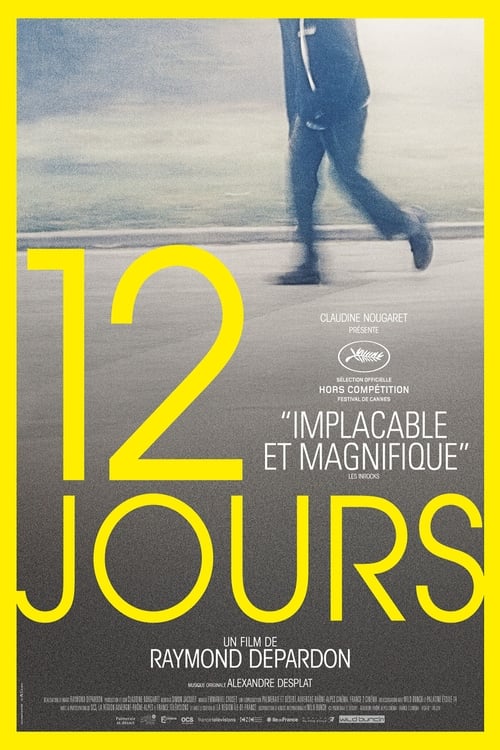
Avant 12 jours, les personnes hospitalisées en psychiatrie sans leur consentement sont présentées en audience, d’un côté un juge, de l’autre un patient, entre eux naît un dialogue sur le sens du mot liberté et de la vie.