

Photos
Vous aimerez aussi
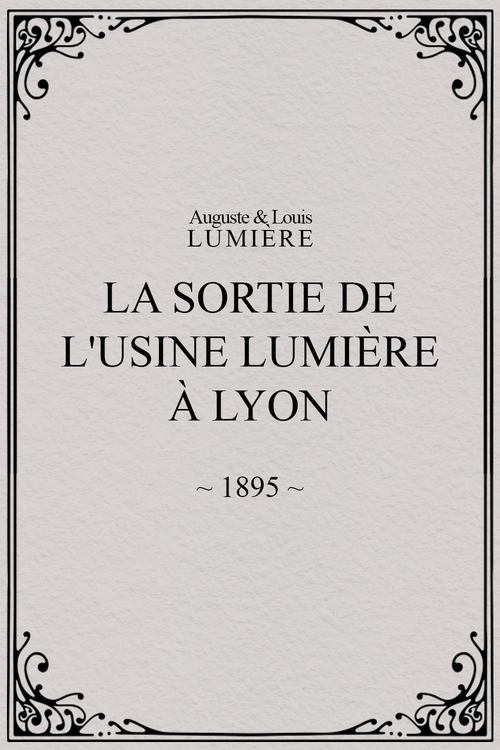
La Sortie de l'usine Lumière à Lyon est un film français réalisé par Louis Lumière, sorti en 1895, qui existe en au moins trois versions, dont l'une fait partie des dix films montrés au Salon indien du Grand Café à partir du 28 décembre 1895. Cette "vue Lumière", qualifiée non sans humour par l'historien du cinéma Georges Sadoul comme étant "presque une bande publicitaire", est considérée par de nombreux historiens du cinéma comme le premier film de l'Histoire.
La Sortie de l'usine Lumière à Lyon

Ceci est l’histoire de Godard tournant « À bout de souffle », racontée dans le style et l’esprit de Godard tournant « À bout de souffle ».
Nouvelle Vague
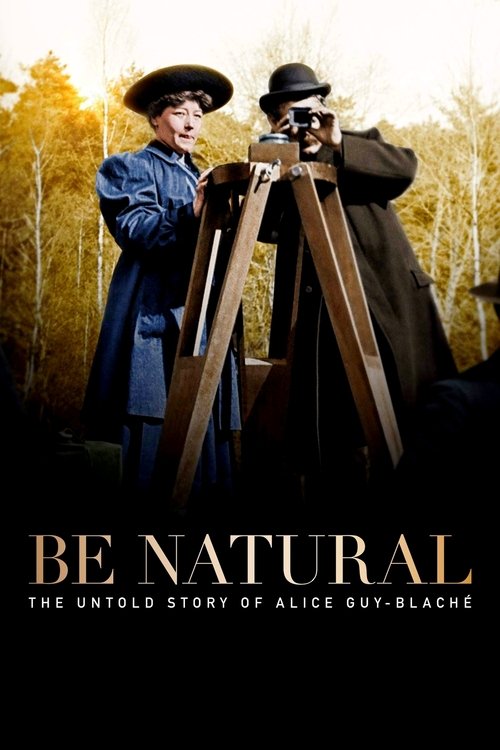
Première femme réalisatrice, productrice et directrice de studio de l’histoire du cinéma, Alice Guy est le sujet d’un documentaire mené tambour battant telle une enquête visant à faire (re)connaître la cinéaste et son œuvre de par le monde.
Be natural : l'histoire cachée d'Alice Guy-Blaché
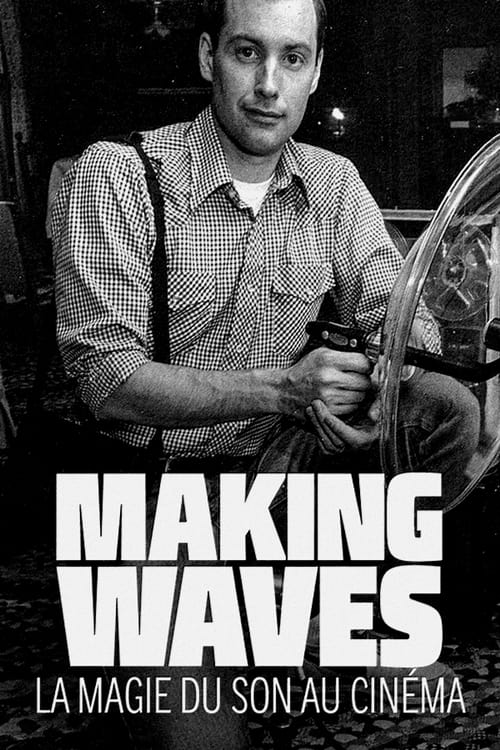
L'histoire du son au cinéma, racontée par des concepteurs sonores légendaires et des cinéastes visionnaires.
Making waves : la magie du son au cinéma
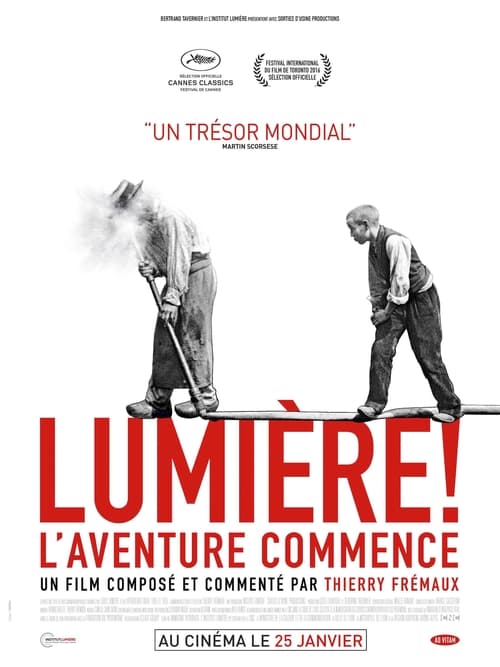
En 1895, les frères Lumière inventent le Cinématographe et tournent parmi les tout-premiers films de l’histoire du cinéma. Mise en scène, travelling, trucage ou remake, ils inventent aussi l’art de filmer. Chefs-d’œuvre mondialement célèbres ou pépites méconnues, cette sélection de films restaurés offre un voyage aux origines du cinéma. Ces images inoubliables sont un regard unique sur la France et le Monde qui s’ouvrent au 20e siècle. Lumière, l’aventure du cinéma commence !
Lumière ! L'aventure commence

Évocation de la vie d'Ed Wood, réalisateur considéré de son vivant comme le plus mauvais de tous les temps. Aujourd'hui, il est adulé et vénéré par des milliers d'amateurs de bizarrerie et de fantastique à travers le monde.
Ed Wood
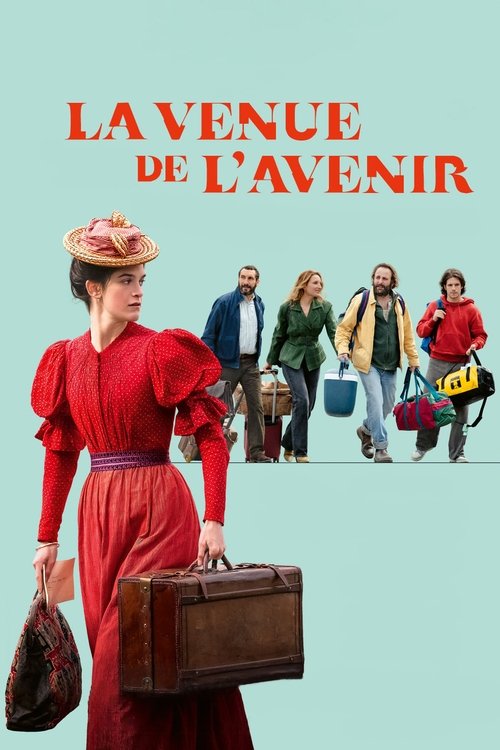
Aujourd’hui, en 2025, une trentaine de personnes issues d’une même famille apprennent qu’ils vont recevoir en héritage une maison abandonnée depuis des années. Quatre d'entre eux, Seb, Abdel, Céline et Guy sont chargés d’en faire l'état des lieux. Ces lointains "cousins" vont alors découvrir des trésors cachés dans cette vieille maison. Ils vont se retrouver sur les traces d'une mystérieuse Adèle qui a quitté sa Normandie natale, à 20 ans. Cette Adèle se retrouve à Paris en 1895, au moment où cette ville est en pleine révolution industrielle et culturelle. Pour les quatre cousins, ce voyage introspectif dans leur généalogie va leur faire découvrir ce moment si particulier de la fin du XIXe siècle où la photographie s'inventait et l’impressionnisme naissait. Ce face à face entre les deux époques 2025 et 1895 remettra en question leur présent et leurs idéaux et racontera le sens de : La venue de l’avenir.
La Venue de l'avenir
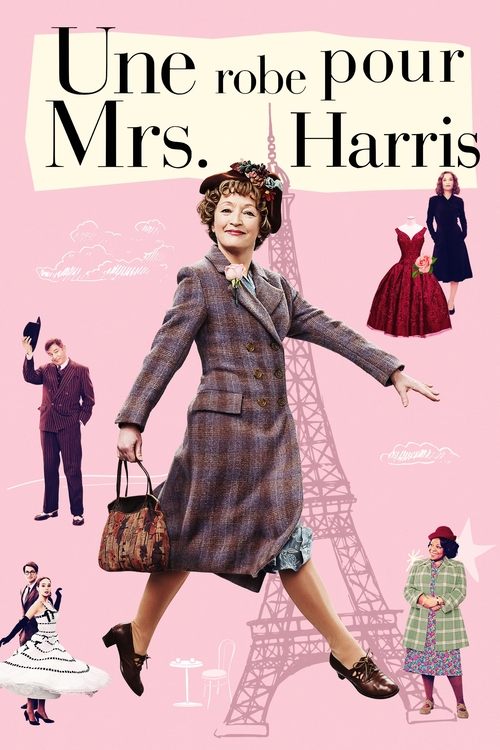
Dans le Londres de l’après-guerre, Ada Harris gagne sa vie en faisant des ménages. Si elle mène une vie très solitaire depuis le décès de son mari Eddie, porté disparu au combat. Ada n’est pourtant pas du style à se plaindre, ni même s’appesantir sur son sort, et pourtant, elle qui se croyait les pieds bien ancrés dans la réalité, est tout à coup submergée par une vague de rêve et d’émerveillement quand elle découvre une magnifique robe signée DIOR, nonchalamment accrochée dans la chambre d’une de ses riches clientes. Elle se surprend alors à penser qu’une si belle œuvre d’art, si pure, si éthérée ne peut que changer la vie de quiconque la possède.
Une robe pour Mrs. Harris
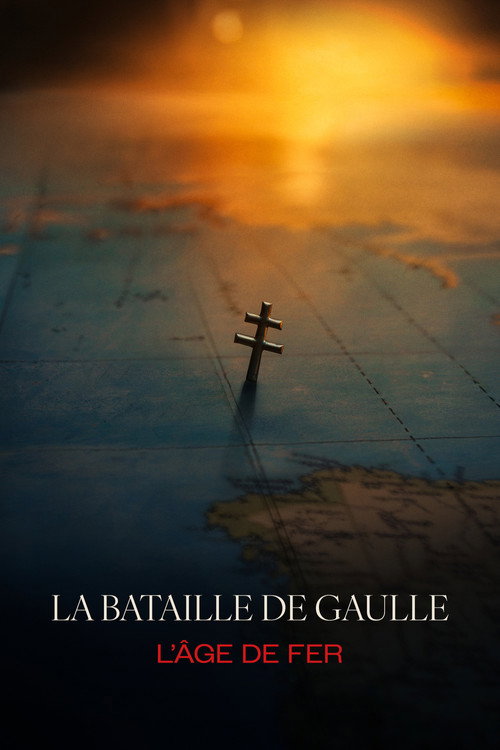
Juin 1940. La France s'effondre et signe l’armistice. Au milieu du chaos, un homme refuse de céder. Seul contre tous, ce général inconnu s'échappe vers Londres pour sauver ce qu'il reste d'un rêve : la liberté. Sans armée, sans appui, sans espoir. Mais avec une folle conviction : la France, sa France, n'a pas déposé les armes. Il tente un ultime pari : convaincre le monde que la bataille de France n'est ni terminée, ni perdue. La réalité est têtue, et lui donne tort. Mais peu à peu se lèvent autour de lui en Angleterre, en France et en Afrique des résistants de l'ombre, des lycéens révoltés, des soldats déterminés. Leur foi, leur audace, leur rage de liberté défient l'Histoire qui semblait pourtant écrite d’avance.
La bataille de Gaulle : L'âge de fer
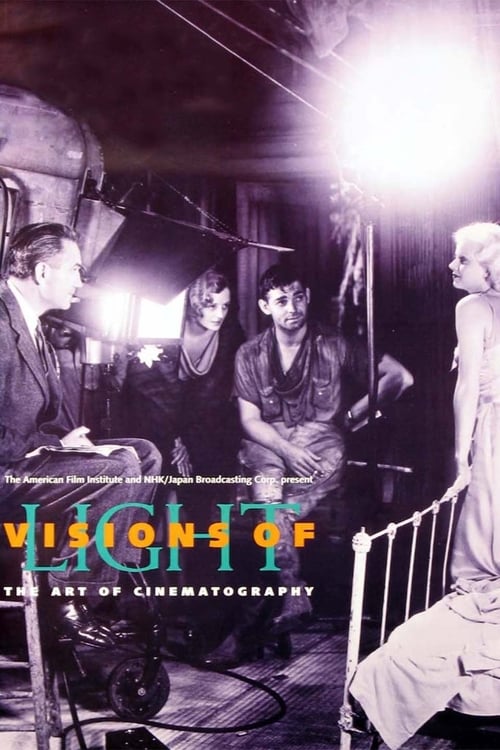
Cameramen and women discuss the craft and art of cinematography and of the "DP" (the director of photography), illustrating their points with clips from 100 films, from Birth of a Nation to Do the Right Thing. Themes: the DP tells people where to look; changes in movies (the arrival of sound, color, and wide screens) required creative responses from DPs; and, these artisans constantly invent new equipment and try new things, with wonderful results. The narration takes us through the identifiable studio styles of the 30s, the emergence of noir, the New York look, and the impact of Europeans. Citizen Kane, The Conformist, and Gordon Willis get special attention.
Visions of Light
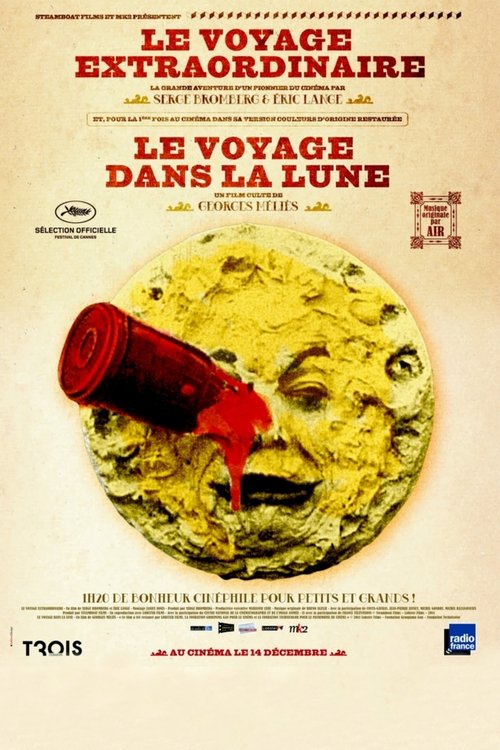
Un récit de la vie extraordinaire du pionnier du cinéma Georges Méliès (1861-1938) et l'histoire étonnante de la copie en couleur de son chef-d'œuvre « Un voyage dans la lune » (1902), retrouvée inopinément en Espagne et restaurée grâce aux efforts héroïques d'un groupe de vrais cinéphiles.
Le Voyage extraordinaire

Paris, fin du XIXe siècle. Eugénie est une jeune fille lumineuse et passionnée. Mais Eugénie a un don unique : elle entend et voit les morts. Quand sa famille découvre son secret, elle est emmenée par son père et son frère dans la clinique neurologique de La Salpêtrière, sans possibilité d’échapper à son destin. Cette clinique, dirigée par l’éminent professeur Charcot, l’un des pionniers de la neurologie et de la psychiatrie, accueille des femmes diagnostiquées hystériques, folles, épileptiques, ou plus simplement victimes de maladies physiques et mentales. Le chemin d’Eugénie va alors croiser celui de Geneviève, une infirmière de l’unité neurologique, dont la vie défile sous ses yeux sans qu’elle la vive vraiment. Leur rencontre va changer leurs destins à jamais, alors qu’elles se préparent à assister au fameux « Bal des folles » organisé tous les ans par le professeur Charcot au sein de la clinique...
Le Bal des folles

Europe, 1844-1848. En Allemagne, une opposition intellectuelle en pleine ébullition est fortement réprimée. En France, les ouvriers du Faubourg Saint-Antoine se sont mis en marche. En Angleterre aussi, le peuple est dans la rue, la révolution là-bas est industrielle. À 26 ans, Karl Marx entraine sa femme Jenny sur les routes de l'exil. Il parvient à Paris où il rencontre Friedrich Engels, fils d'un grand industriel, qui a étudié les conditions de travail du prolétariat anglais. Ces deux fils de famille, brillants, insolents et drôles, vont parvenir à fédérer un mouvement révolutionnaire et forger les outils théoriques propres à émanciper, par delà les frontières de l'Europe, les peuples opprimés du monde entier.
Le Jeune Karl Marx

Une petite fille du centre de la France, placée dans un orphelinat avec sa soeur, et qui attend en vain tous les dimanches que son père vienne les chercher. Une chanteuse de beuglant à la voix trop faible, qui affronte un public de soldats éméchés. Une petite couturière destinée à refaire des ourlets dans l'arrière-boutique d'un tailleur de province. Une apprentie-courtisane au corps trop maigre, qui trouve refuge chez son protecteur Etienne Balsan, parmi les cocottes et les fêtards. Une amoureuse qui sait qu'elle ne sera « la femme de personne », pas même celle de Boy Capel, l'homme qui pourtant l'aimait aussi. Une rebelle que les conventions de l'époque empêchent de respirer, et qui s'habille avec les chemises de ses amants. C'est l'histoire de Coco Chanel, qui incarna la femme moderne avant de l'inventer.
Coco avant Chanel

Débarquant à Hollywood en 1940 avec une réputation de génie, grâce au succès de son canular radiophonique « La Guerre des mondes », le jeune Orson Welles n'arrive pas à trouver le sujet de son premier long métrage.
Citizen Welles
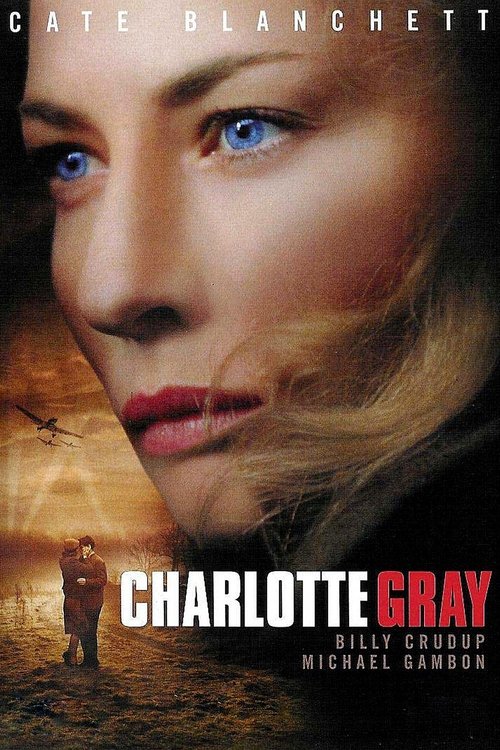
1942, la France est sous l’occupation nazie. Charlotte Gray, jeune écossaise recrutée comme agent secret, se joint à la Résistance. Son but réel : secourir celui qu’elle aime, engagé dans la Royal Air Force. Dans un monde où tout est secret, elle réalise très vite qu’elle ne peut faire confiance qu’à elle-même…
Charlotte Gray

A behind-the-scenes documentary about the Clinton for President campaign, focusing on the adventures of spin doctors James Carville and George Stephanopoulos.
The War Room

Une belle aristocrate ruinée, Angélique, est contrainte d'épouser Joffrey de Peyrac, un homme très laid. Elle en tombe pourtant amoureuse. Ils vivent heureux dans leur château jusqu'au jour où le roi leur rend visite. Subjugué par la beauté d'Angélique, Louis XIV veut faire d'elle sa maîtresse.
Angélique, marquise des anges
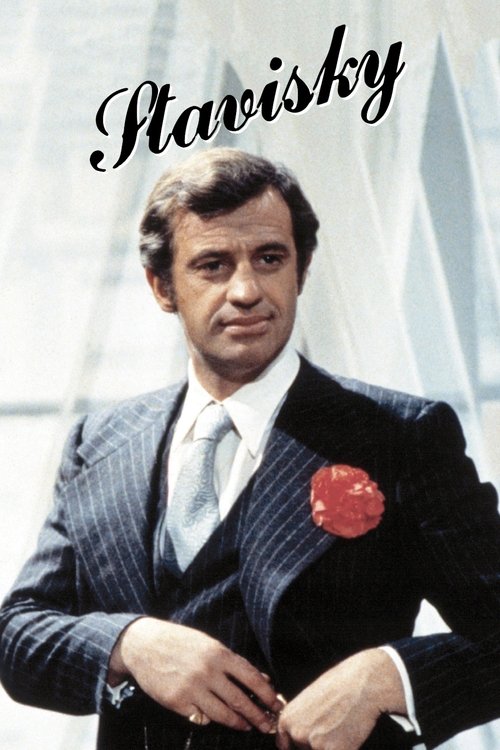
Évocation de la vie de Serge Alexandre, dit « Stavisky », mène grand train de vie, et est propriétaire de différentes affaires. En 1926, Alexandre s'emploie à couvrir les dettes qu'il a accumulées petit à petit lors de ses diverses opérations financières, en activant d'autres opérations « juteuses », à l'instar d'une nouvelle entreprise avec sa cotation en bourse garantie par l'État lui-même, et un autre commerce d'armes. Le gouvernement y trouve ses intérêts financiers et d'autres nature. Un seul homme en France semble s'intéresser à la vraie nature des affaires d'Alexandre : l'inspecteur principal Pierre Bonny. C'est l'affaire des bons tirés sur le crédit municipal de Bayonne qui sonnera, en décembre 1933, le début de la fin « Stavisky ». Mais l'homme en sait trop quant aux différents membres du gouvernement, faut-il le laisser en vie ? En janvier 1934 dans un chalet de Chamonix, la décision sera prise...
Stavisky

À l’aube de la Révolution française, Pierre Manceron, cuisinier audacieux mais orgueilleux, est limogé par son maître le duc de Chamfort. La rencontre d’une femme étonnante, qui souhaite apprendre l’art culinaire à ses côtés, lui redonne confiance en lui et le pousse à s’émanciper de sa condition de domestique pour entreprendre sa propre révolution. Ensemble, ils vont inventer un lieu de plaisir et de partage ouvert à tous : le premier restaurant. Une idée qui leur vaudra clients… et ennemis.