Motion Vision
Synopsis
You might also like
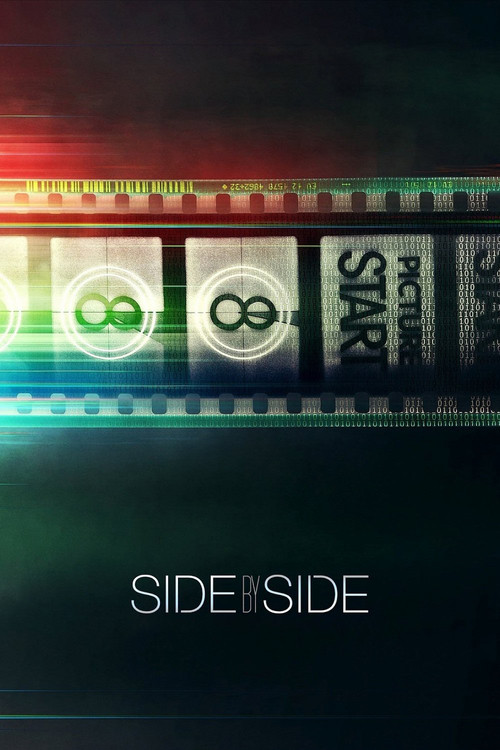
Since the invention of cinema, the standard format for recording moving images has been film. Over the past two decades, a new form of digital filmmaking has emerged, creating a groundbreaking evolution in the medium. Keanu Reeves explores the development of cinema and the impact of digital filmmaking via in-depth interviews with Hollywood masters, such as James Cameron, David Fincher, David Lynch, Christopher Nolan, Martin Scorsese, George Lucas, Steven Soderbergh, and many more.
Side by Side

A chronicle of the violence that occurred in much of the African continent throughout the 1960s. As many African countries were transitioning from colonial rule to other forms of government, violent political upheavals were frequent. Revolutions in Zanzibar and Kenya in which thousands were killed are shown, the violence not only political; there is also extensive footage of hunters and poachers slaughtering different types of wild animals.
Africa Blood and Guts
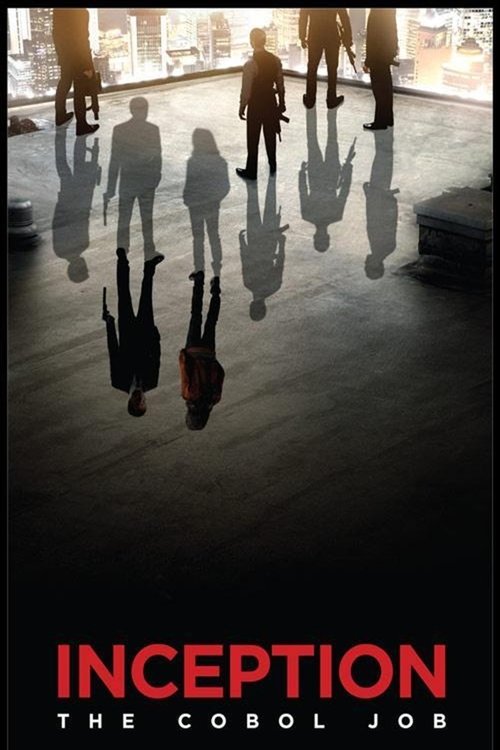
Cobb, Arthur and Nash are enlisted by Cobol Engineering.
Inception: The Cobol Job
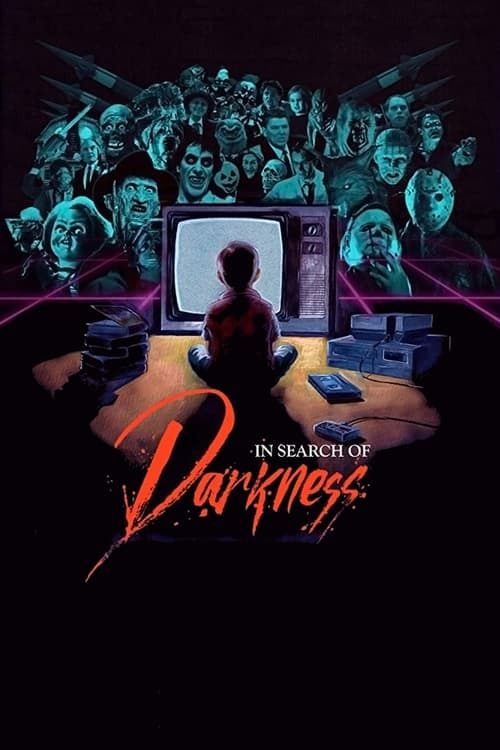
An exploration of '80s horror movies through the perspective of the actors, directors, producers and SFX craftspeople who made them, and their impact on contemporary cinema.
In Search of Darkness
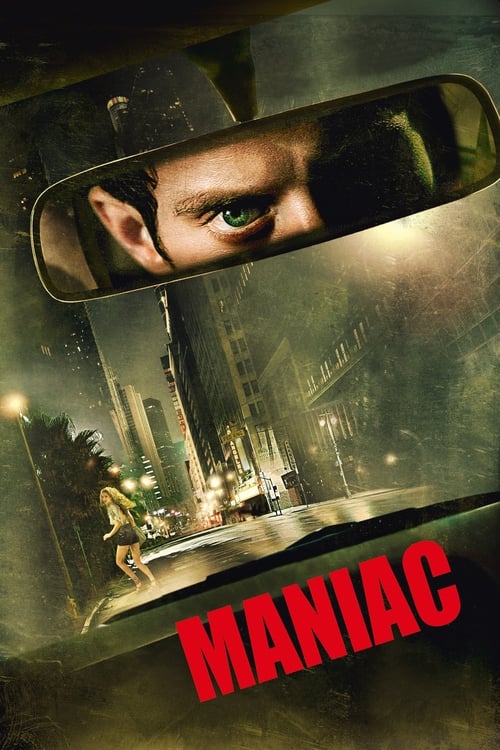
As he helps a young artist with her upcoming exhibition, the owner of a mannequin shop's deadly, suppressed desires come to the surface.
Maniac
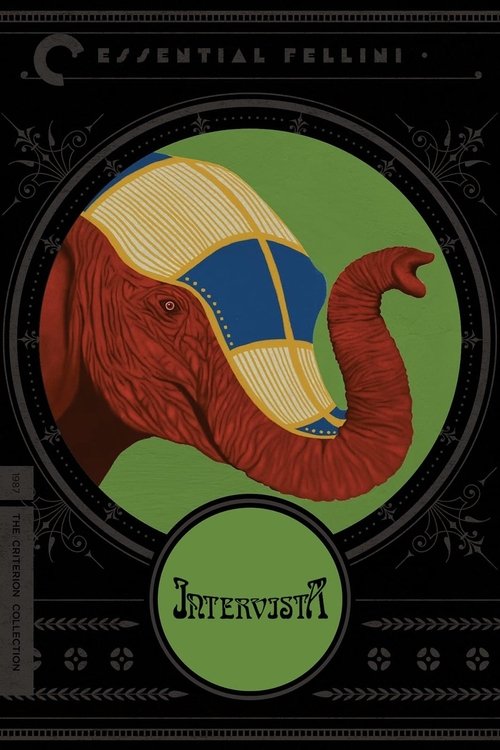
Federico Fellini welcomes us into his world of film making with a mockumentary about his life in film, as a Japanese film crew follows him around.
Intervista

Across different eras, a poor family, an anxious developer and a fed-up landlady become tied to the same mysterious house in this animated dark comedy.
The House

An unprecedented and intimate look at the life, work and enduring legacy of British actress Audrey Hepburn (1929-1993).
Audrey

Carefully picked scenes of nature and civilization are viewed at high speed using time-lapse cinematography in an effort to demonstrate the history of various regions.
Chronos

Mater's decision to fly lands him accidentally at a big airshow.
Air Mater
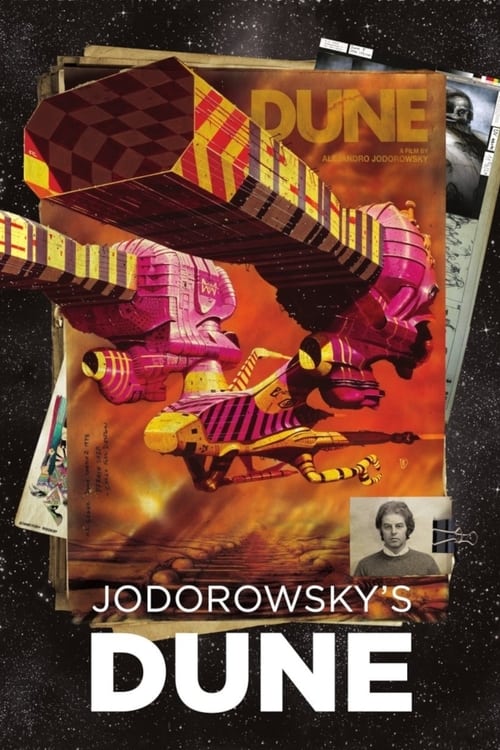
In 1974, Chilean-French director Alejandro Jodorowsky embarked on the quixotic project of adapting Frank Herbert's influential novel Dune (1969) for the big screen. After investing two years, and millions of dollars, the gigantic project ended in failure; but the artists Jodorowsky brought together to carry it out continued to work together, and ended up laying the foundations for modern science fiction cinema.
Jodorowsky's Dune
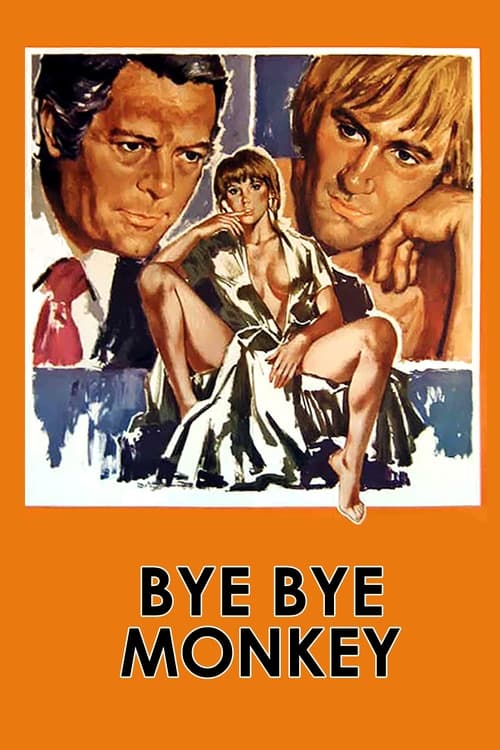
In metahistorical New York city electrotechnician Lafayette deals with a megalomaniac director of a wax museum of ancient Rome, an italian lonely anarchist, a group of feminist actresses - including Angelica who falls in love with him - and a small adopted chimpanzee.
Bye Bye Monkey
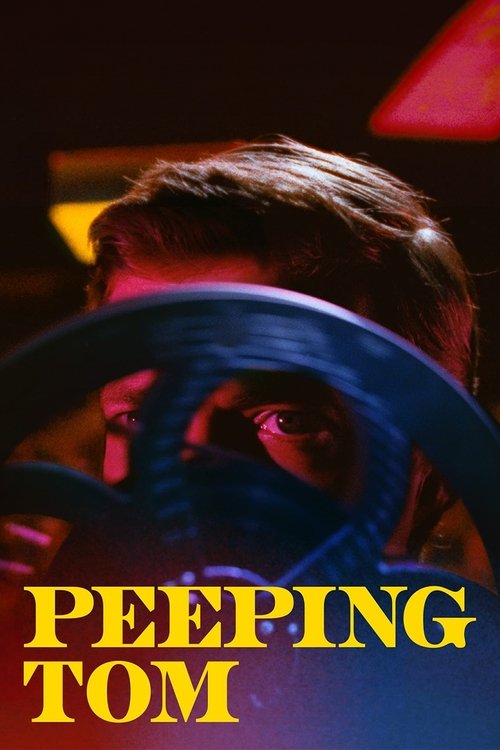
Loner Mark Lewis works at a film studio during the day and, at night, takes racy photographs of women. Also he's making a documentary on fear, which involves recording the reactions of victims as he murders them. He befriends Helen, the daughter of the family living in the apartment below his, and he tells her vaguely about the movie he is making.
Peeping Tom
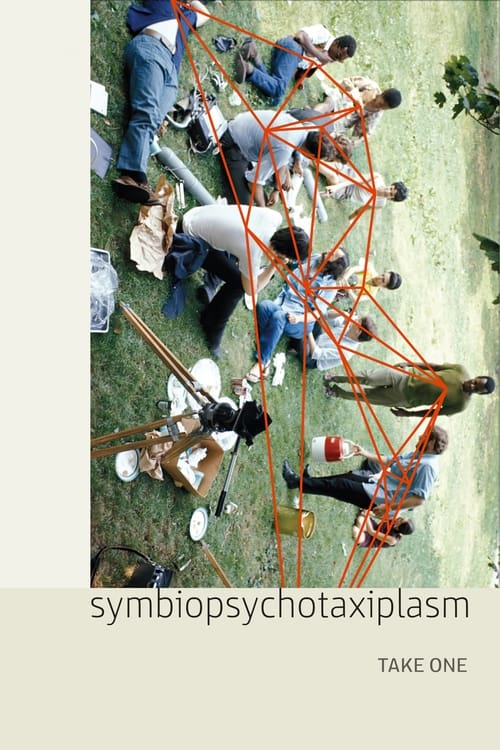
In Manhattan's Central Park, a film crew directed by William Greaves is shooting a screen test with various pairs of actors. It's a confrontation between a couple: he demands to know what's wrong, she challenges his sexual orientation. Cameras shoot the exchange, and another camera records Greaves and his crew. Sometimes we watch the crew discussing this scene, its language, and the process of making a movie. Is there such a thing as natural language? Are all things related to sex? The camera records distractions - a woman rides horseback past them; a garrulous homeless vet who sleeps in the park chats them up. What's the nature of making a movie?
Symbiopsychotaxiplasm: Take One
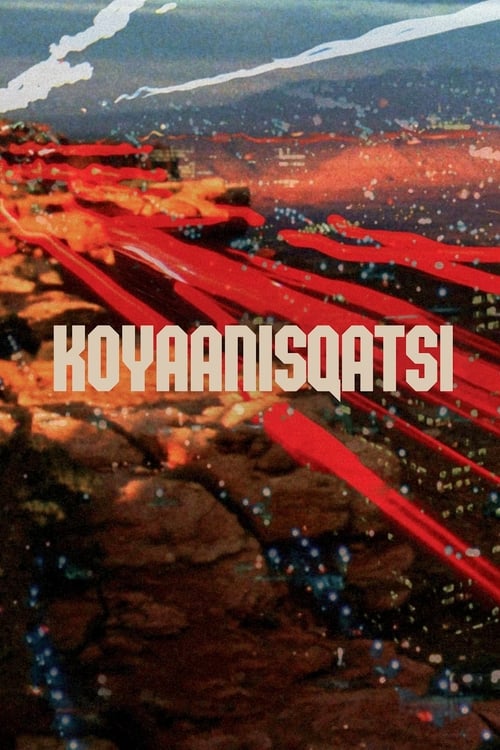
Takes us to locations all around the US and shows us the heavy toll that modern technology is having on humans and the earth. The visual tone poem contains neither dialogue nor a vocalized narration: its tone is set by the juxtaposition of images and the exceptional music by Philip Glass.
Koyaanisqatsi

Federation trooper Johnny Rico is ordered to work with a group of new recruits on a satellite station on Mars, where giant bugs have decided to target their next attack.
Starship Troopers: Traitor of Mars

Captured during Billie Eilish's sold-out world tour, a concert experience from one of the most celebrated and successful artists of her generation, presented in immersive 3D.
Billie Eilish - Hit Me Hard and Soft: The Tour (Live in 3D)
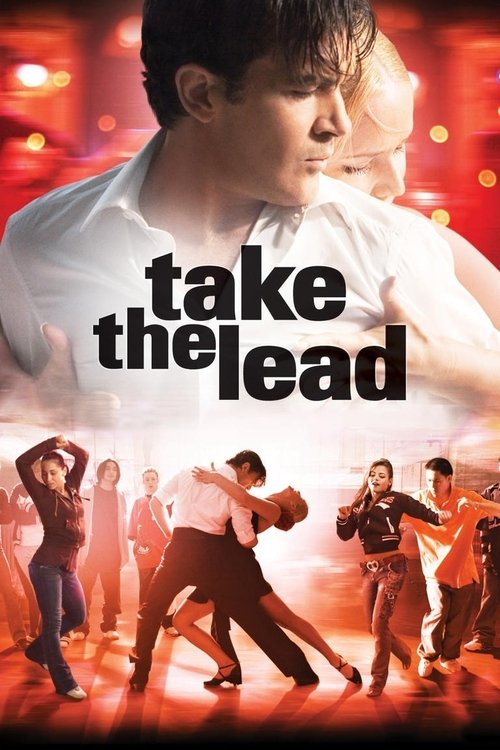
A former professional dancer volunteers to teach dance in the New York public school system and, while his background first clashes with his students' tastes, together they create a completely new style of dance. Based on the story of ballroom dancer, Pierre Dulane.
Take the Lead
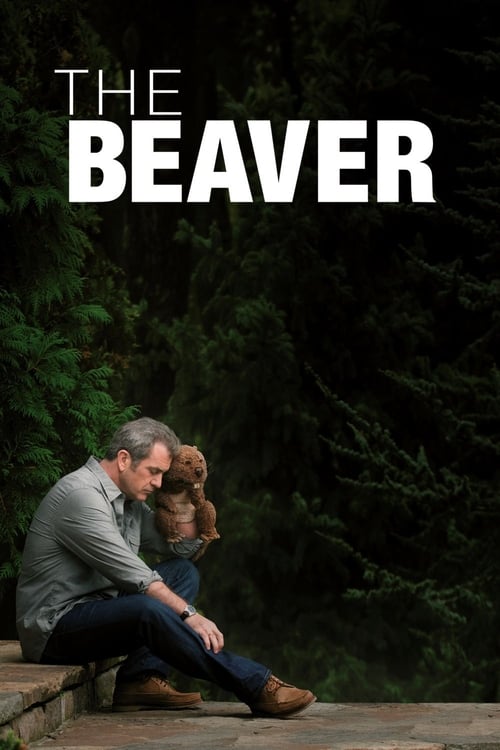
Suffering from a severe case of depression, toy company CEO Walter Black begins using a beaver hand puppet to help him open up to his family. With his father seemingly going insane, adolescent son Porter pushes for his parents to get a divorce.
The Beaver

With his partner Caprice, celebrity performance artist Saul Tenser publicly showcases the metamorphosis of his organs in avant-garde performances. An investigator from the National Organ Registry obsessively tracks their movements, which is when a mysterious group is revealed... Their mission — to use Tenser's notoriety to shed light on the next phase of human evolution.