Rythmes 76
Synopsis
Vous aimerez aussi

Documentaire making-off de l'épisode IX : Star Wars : L'Ascension de Skywalker.
The Skywalker Legacy
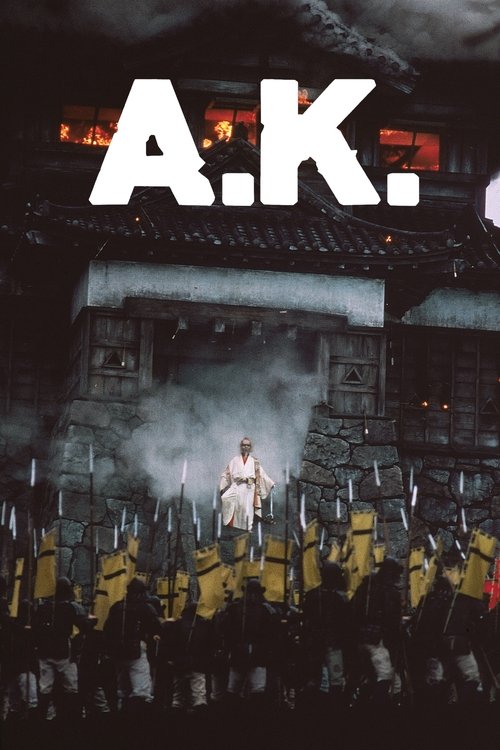
Une chronique intime du tournage de « Ran » (1985), un film réalisé par le légendaire cinéaste japonais Akira Kurosawa.
A. K.

NUDE explores perceptions of nudity in art by chronicling the creative process of photographer David Bellemere as he's commissioned by NU Muses founder Steve Shaw to shoot a fine art calendar of nude photographs.
Nude
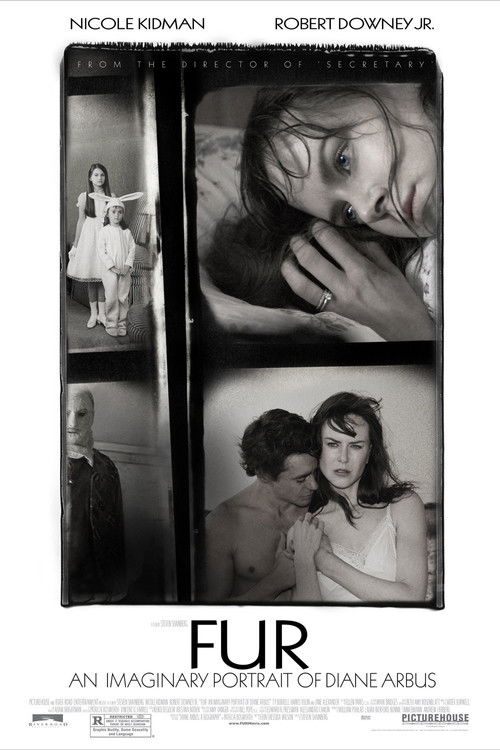
New York, fin des années 50.Diane Arbus est l'assistante de son mari, un photographe de mode réputé. Issue d'une riche famille, elle se sent de plus en plus mal à l'aise dans un monde de convenances rigides où seules les apparences comptent.Un soir, elle remarque des déménageurs qui livrent des meubles et des objets étranges dans l'appartement du dessus. Lorsqu'elle aperçoit son voisin, le mystère s'épaissit encore : enveloppé d'un long manteau, il porte un chapeau et dissimule son visage derrière un masque. Seuls ses yeux sont visibles, et le regard que Diane croise ne fait que la fasciner un peu plus...Irrésistiblement attirée, Diane finit par monter chez l'homme avec un appareil photo. Sa rencontre avec Lionel va l'entraîner dans une incroyable aventure à la découverte d'univers mystérieux, dans une relation intime qui va transformer sa vie et son art pour toujours...
Fur : Un portrait imaginaire de Diane Arbus
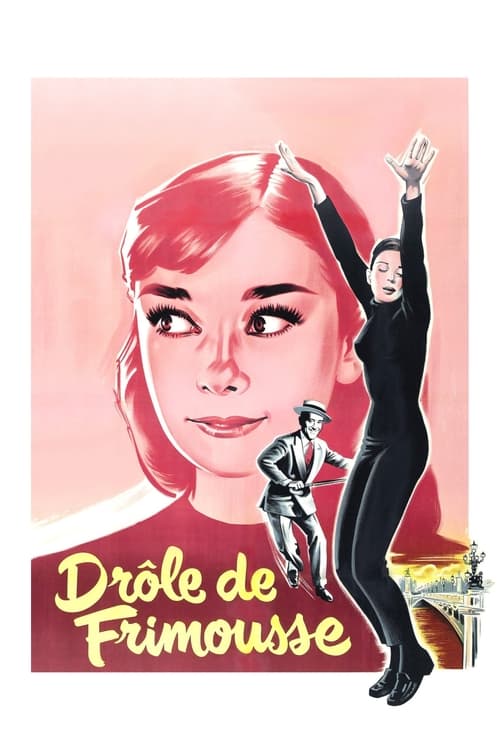
Une jeune libraire du village new-yorkais, adepte de l'empathie, se voit propulsée, par un journal, à Paris pour présenter la collection d'un grand couturier. Là elle rencontre le grand maître « empathicaliste » qui ne reste pas insensible à ses charmes tandis que le photographe du journal la poursuit de ses assiduités. Une musique de Gershwin pour cette suave comédie musicale qui propose un Paris très hollywoodien.
Drôle de Frimousse
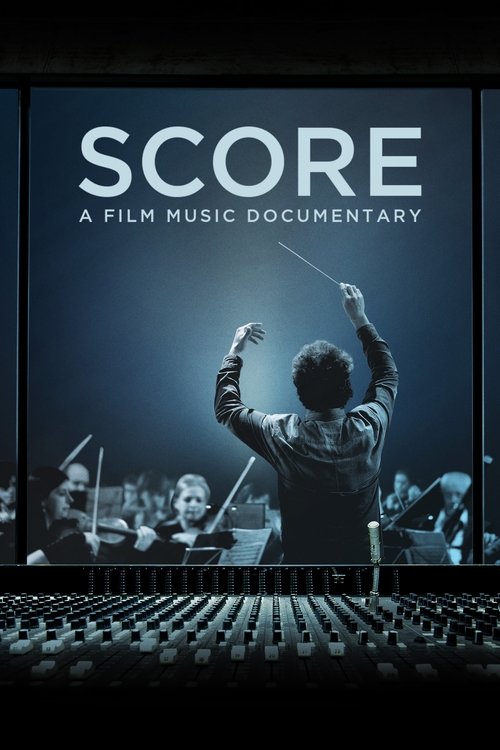
La musique fait partie intégrante de la plupart des films et ajoute émotion et nuance tout en restant souvent invisible pour le public. Matt Schrader met en lumière l’art sous-estimé de la composition cinématographique en rassemblant de nombreux praticiens parmi les plus influents, de Hans Zimmer et Danny Elfman à Quincy Jones et Randy Newman, pour découvrir leur processus de création. Retrouvant les développements clés de l’évolution de la musique dans les films et explorant certaines des bandes sonores les plus emblématiques du cinéma, "Score" est une valentine auditive pour les cinéphiles.
Score: A Film Music Documentary

En 1974, le réalisateur franco-chilien Alejandro Jodorowsky se lance dans le projet chimérique d'adapter au grand écran le roman influent de Frank Herbert, « Dune » (1969). Après avoir investi deux ans et des millions de dollars, ce projet gigantesque se solde par un échec ; mais les artistes réunis par Jodorowsky pour le mener à bien continuent à travailler ensemble et finissent par jeter les bases du cinéma de science-fiction moderne.
Jodorowsky's Dune
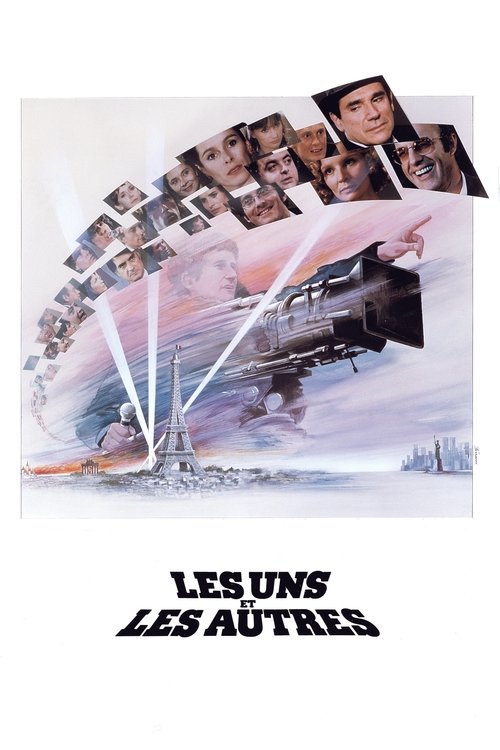
De 1936 à nos jours, quatre familles, de nationalités différentes mais partageant une même passion pour la musique, voient leurs destins marqués par la Seconde Guerre mondiale.
Les Uns et les Autres
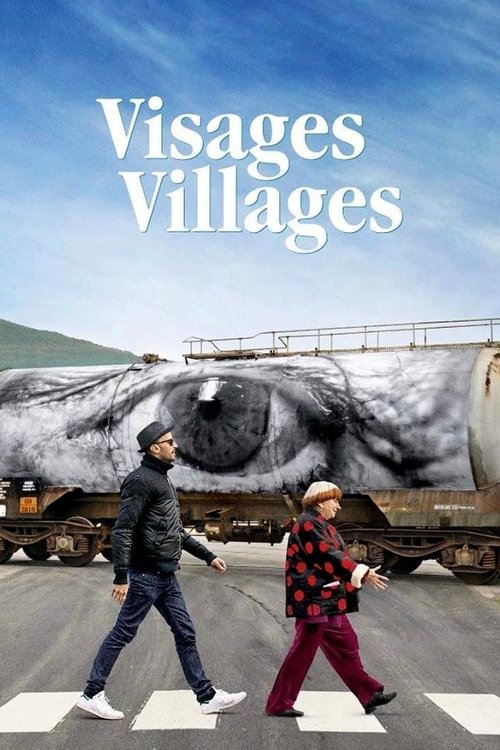
Agnès Varda et JR ont des points communs : passion et questionnement sur les images en général et plus précisément sur les lieux et les dispositifs pour les montrer, les partager, les exposer. Agnès a choisi le cinéma. JR a choisi de créer des galeries de photographies en plein air. Quand Agnès et JR se sont rencontrés en 2015, ils ont aussitôt eu envie de travailler ensemble, tourner un film en France, loin des villes, en voyage avec le camion photographique (et magique) de JR. Hasard des rencontres ou projets préparés, ils sont allés vers les autres, les ont écoutés, photographiés et parfois affichés. Le film raconte aussi l’histoire de leur amitié qui a grandi au cours du tournage, entre surprises et taquineries, en se riant de leurs différences.
Visages Villages
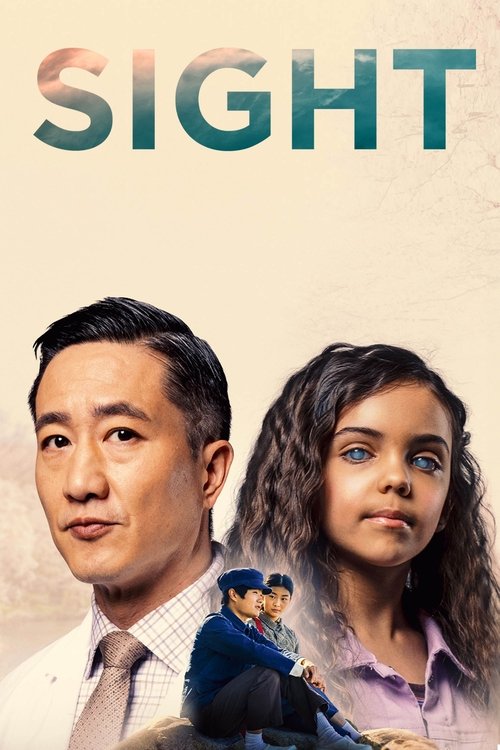
L'histoire inspirante de Ming Wang, un prodige chinois qui fuit la Chine communiste pour devenir un chirurgien ophtalmologiste pionnier en Amérique. Chargé de restaurer la vue d'une orpheline aveuglée par sa belle-mère, il doit affronter les traumatismes de la Révolution culturelle.
Sight
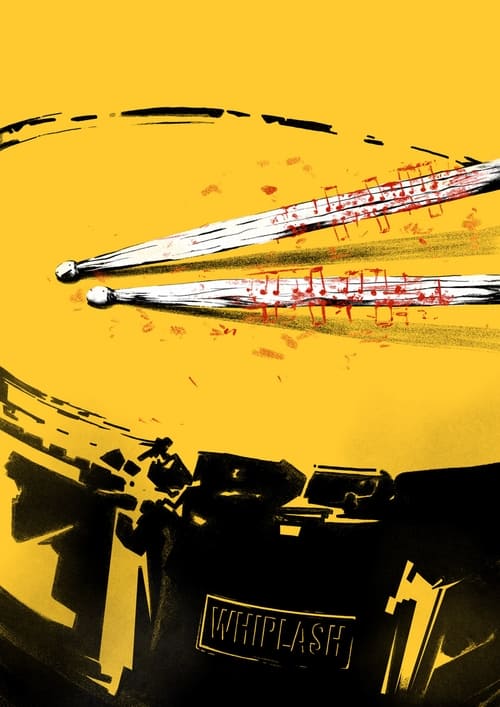
Un professeur de musique féroce et intimidant enseigne à un élève dévoué. Il s'agit du court métrage de 18 minutes sur lequel le long métrage était basé.
Whiplash

The film follows adventurer Jeff Johnson as he retraces the epic 1968 journey of his heroes Yvon Chouinard and Doug Tompkins to Patagonia.
180° South
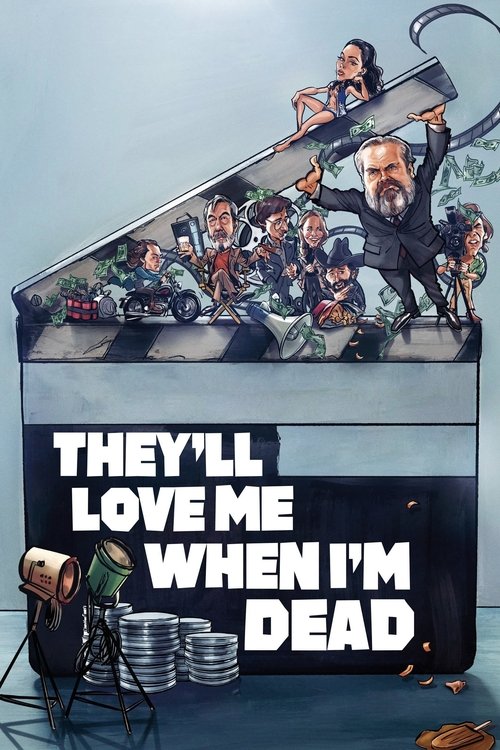
Ce documentaire passionnant s'intéresse au film "The Other Side of the Wind" sur lequel Orson Welles a travaillé pendant une décennie avant sa mort sans le terminer.
Ils m'aimeront quand je serai mort
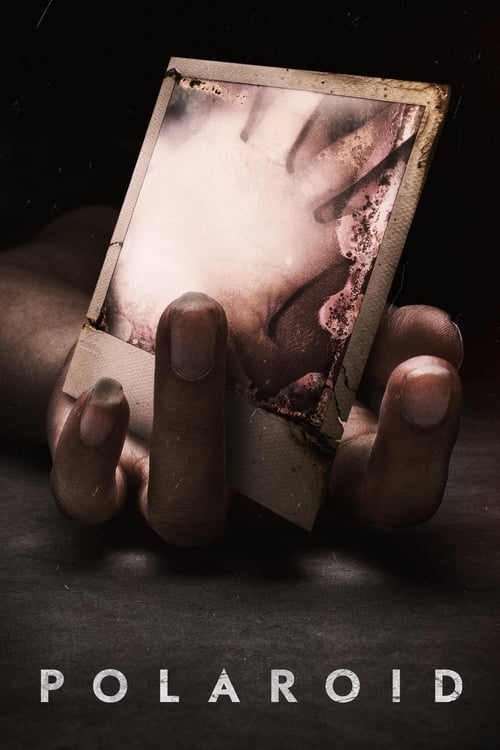
Bird Fitcher, lycéenne solitaire, ne se doute pas des sombres secrets liés au mystérieux appareil photo vintage Polaroid sur lequel elle tombe, mais elle découvrira bientôt le sort tragique de ceux qui se font photographier.
Polaroid
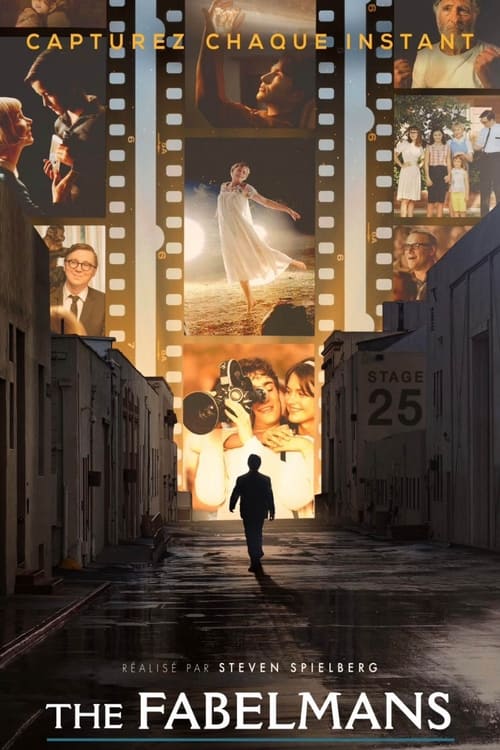
Passionné de cinéma, Sammy Fabelman passe son temps à filmer sa famille. S’il est encouragé dans cette voie par sa mère Mitzi, dotée d’un tempérament artistique, son père Burt, scientifique accompli, considère que sa passion est surtout un passe-temps. Au fil des années, Sammy, à force de pointer sa caméra sur ses parents et ses sœurs, est devenu le documentariste de l’histoire familiale ! Il réalise même de petits films amateurs de plus en plus sophistiqués, interprétés par ses amis et ses sœurs. Mais lorsque ses parents décident de déménager dans l’ouest du pays, il découvre une réalité bouleversante sur sa mère qui bouscule ses rapports avec elle et fait basculer son avenir et celui de ses proches.
The Fabelmans
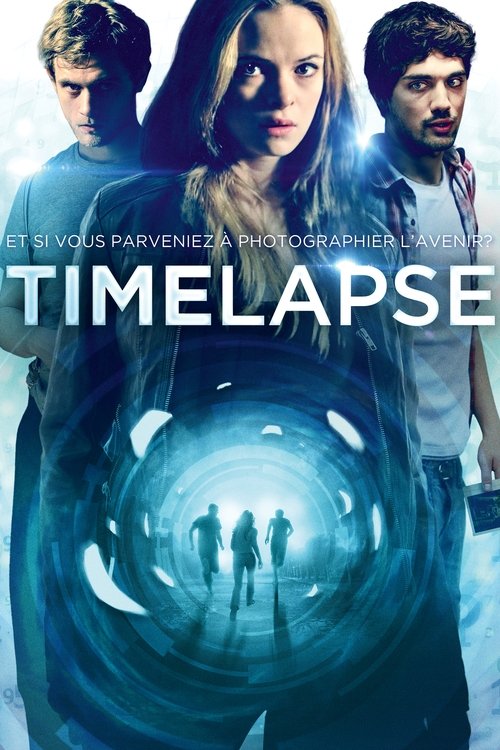
Finn, Callie et Jasper, trois jeunes colocataires, découvrent le cadavre de leur voisin scientifique. En inspectant sa maison, ils tombent sur une mystérieuse machine qui semble chaque jour photographier leur propre salon 24h à l’avance. Excités par l’idée de pouvoir visualiser leur avenir, ils décident de tirer profit de cette découverte et de l’utiliser à des fins personnelles. Mais, leur soudaine réussite finit par éveiller les soupçons et le trio se retrouve très vite plongé dans une spirale infernale. Parviendront-ils à en sortir indemnes ?
Time Lapse
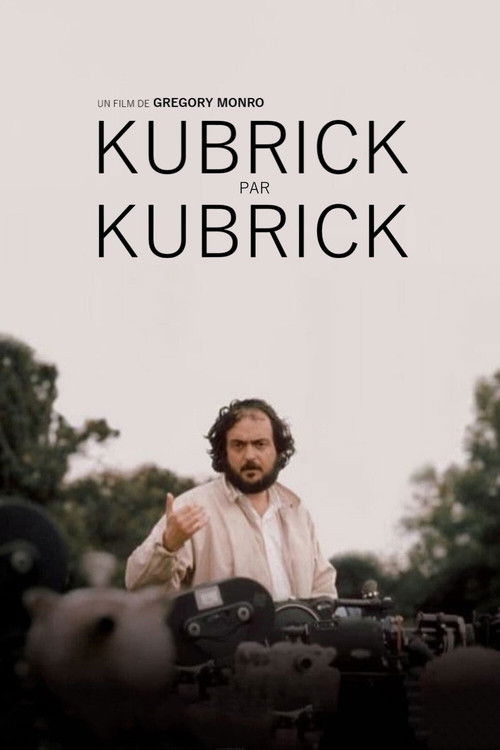
Le cinéaste américain Stanley Kubrick (1928-1999), l'un des plus grands de l'histoire, mais aussi l'un des plus réservés, a accordé peu d'interviews tout au long de sa longue carrière, et aucune d'entre elles n'a été filmée. Un voyage à la première personne à travers sa vie et son œuvre, basé sur une conversation enregistrée avec le critique de cinéma français Michel Climent.
Kubrick par Kubrick

Ses bandes originales inoubliables ont marqué une série de grands films pendant plusieurs décennies. Écoutez et regardez l’histoire de John Williams, commentée par des cinéastes, des musiciens et des artistes qu’il a inspirés, avec des séquences rares dans les coulisses de l’histoire du cinéma.
Music by John Williams
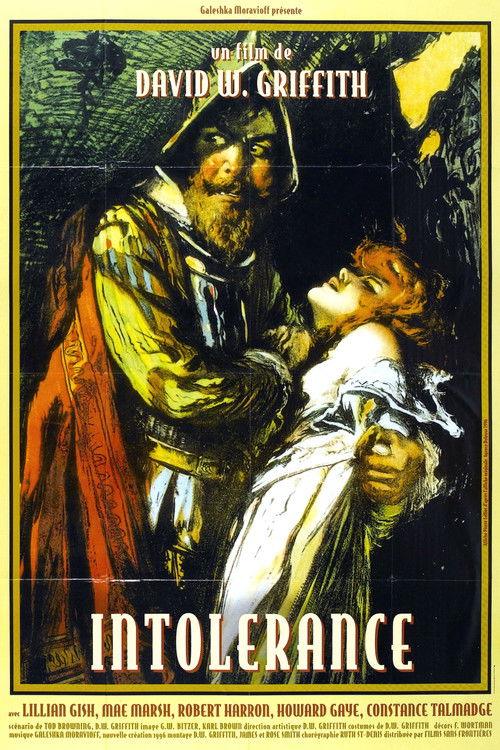
À travers l'image d'une femme berçant un enfant, quatre épisodes de l'intolérance sont racontés dans une fresque monumentale. Un épisode moderne sur un gréviste condamné à la pendaison. Un épisode biblique lors d'une noce à Cana. Un épisode des guerres de religion au temps de Charles IX. Un épisode chaldéen. Dans tous l'intolérance l'emporte sur l'amour.
Intolérance
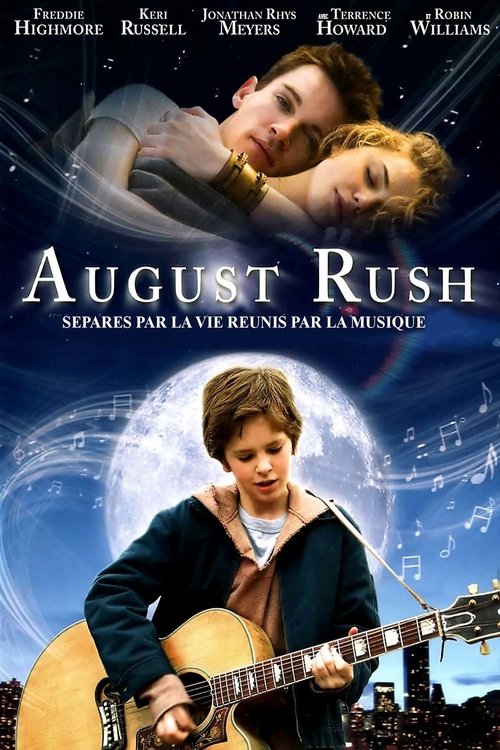
Peu importe qu'il ait grandi dans un orphelinat : August Rush est persuadé que ses parents n'ont jamais voulu l'abandonner. Le jour où il découvre son talent inné pour la musique, August y voit même le moyen de retrouver ceux qui l'ont mis au monde : il est sûr que ses parents, s'ils entendent la symphonie qu'il a composée pour eux, sauront le reconnaître au travers de sa musique...
August Rush
Avis & Notes
Connectez-vous pour donner votre avis
Partagez votre opinion avec la communauté.