Synopsis
You might also like

During the 1982 Cannes Film Festival, Wim Wenders asked a number of global film directors to, one at a time, go into a hotel room, turn on the camera, and answer a simple question: "What is the future of cinema?"
Room 666
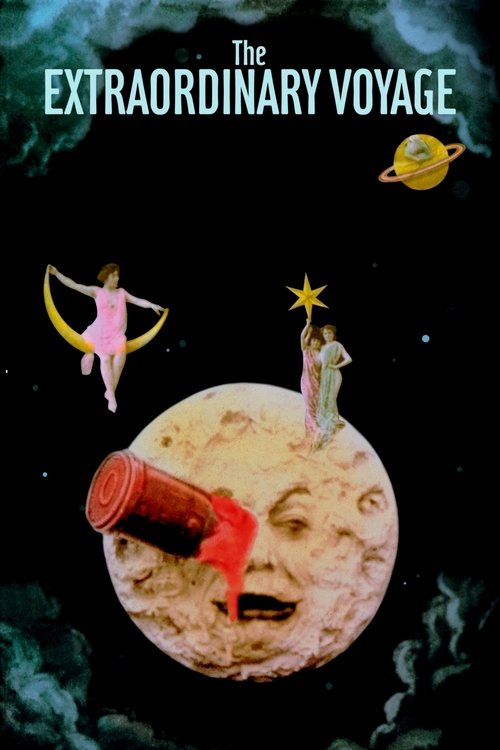
An account of the extraordinary life of film pioneer Georges Méliès (1861-1938) and the amazing story of the copy in color of his masterpiece A Trip to the Moon (1902), unexpectedly found in Spain and restored thanks to the heroic efforts of a group of true cinema lovers.
The Extraordinary Voyage
A second-class horror movie has to be shown at Cannes Film Festival, but, before each screening, the projectionist is killed by a mysterious fellow, with hammer and sickle, just as it happens in the film to be shown.
Fear City: A Family-Style Comedy
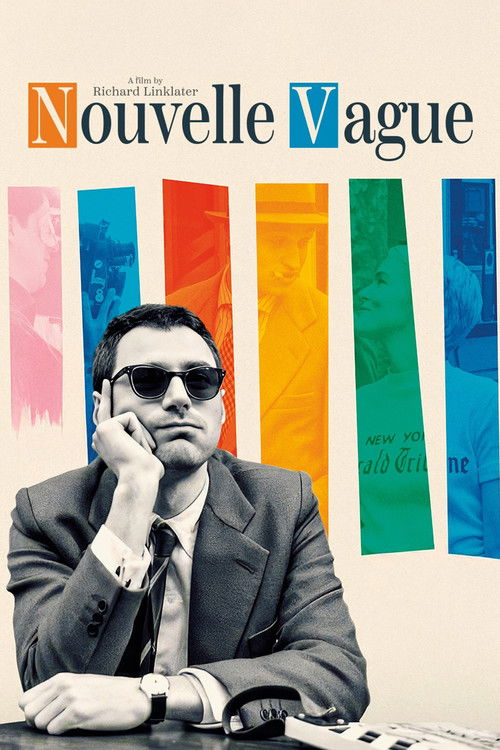
After writing for Cahiers du cinéma, a young Jean-Luc Godard decides making films is the best film criticism. He convinces producer Georges de Beauregard to fund a low-budget feature, and creates a treatment with fellow New Wave filmmaker François Truffaut about a gangster couple. The result? Breathless, one of the first features of the Nouvelle Vague era of French cinema.
Nouvelle Vague

Agnès Varda eloquently captures Paris in the sixties with this real-time portrait of a singer set adrift in the city as she awaits test results of a biopsy. A chronicle of the minutes of one woman’s life, Cléo from 5 to 7 is a spirited mix of vivid vérité and melodrama, featuring a score by Michel Legrand and cameos by Jean-Luc Godard and Anna Karina.
Cléo from 5 to 7
Olivier Assayas, Gus Van Sant, Wes Craven and Alfonso Cuaron are among the 20 distinguished directors who contribute to this collection of 18 stories, each exploring a different aspect of Parisian life. The colourful characters in this drama include a pair of mimes, a husband trying to choose between his wife and his lover, and a married man who turns to a prostitute for advice.
Paris Je T'aime
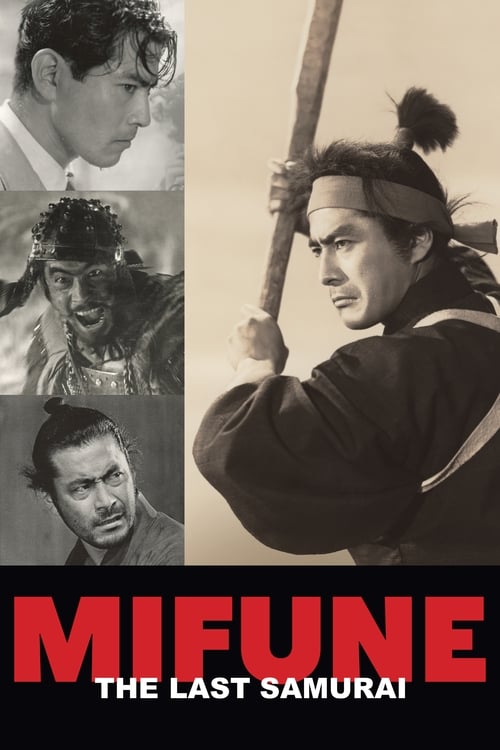
An account of the life and work of legendary Japanese actor Toshirō Mifune (1920-97), the most prominent actor of the Golden Age of Japanese cinema.
Mifune: The Last Samurai

"Fanny" is the second part of the "Marseille trilogy", made by Marcel Pagnol with the generic name of "Marius, Fanny and César". Fanny falls in love and is abandoned by Marius. Now she discovers she is pregnant. Her mother and Marius's father, César, persuade her to accept the romantic advances of a much older man. To save face, Fanny accepts to marry Honoré Panisse, a rich merchant of the Vieux Port, 30 years her senior who will recognize her son.
Fanny

At age 25, Olivier Rousteing was named the creative director of the French luxury fashion house, Balmain. At the time, Rousteing was a relatively unknown designer, but in the decade since, he’s proven his business prowess and artistic instinct by leading Balmain to new heights. Wonderboy gives the viewer the rare opportunity to experience the inner sanctum of the fashion world, as we stand shoulder-to-shoulder with this extraordinary individual while he works.
Wonder Boy
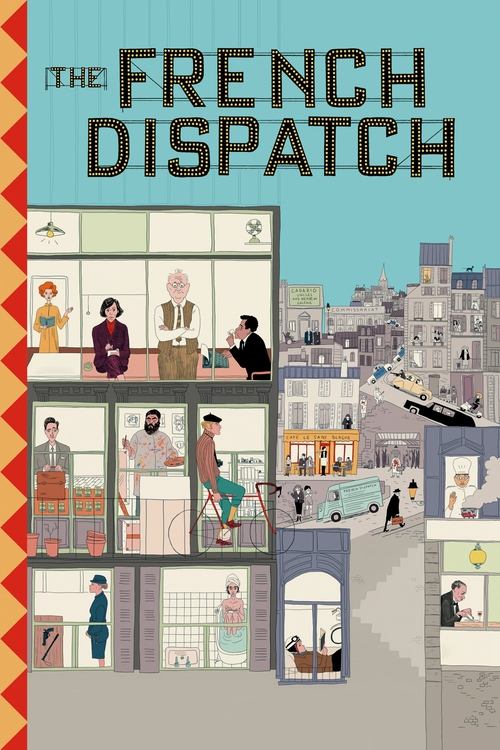
The staff of an American magazine based in France puts out its last issue, with stories featuring an artist sentenced to life imprisonment, student riots, and a kidnapping resolved by a chef.
The French Dispatch of the Liberty, Kansas Evening Sun

France, 1983. The biggest architectural competition in history is launched by the new socialist president, François Mitterrand. Coveted by all the biggest international architectural firms, the open-call competition is surprisingly won by an unknown: Johan Otto von Spreckelsen, an architecture teacher from Copenhagen. Until then, the fifty-year-old Dane had built only four buildings: his home, and three small chapels.
The Great Arch
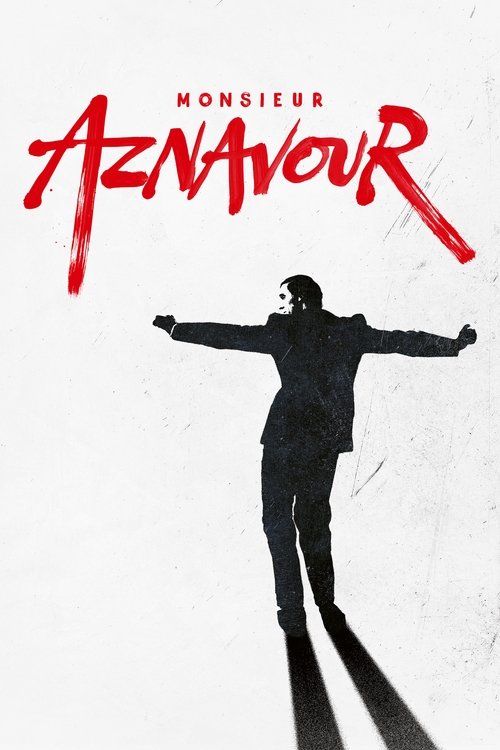
From his poor childhood to his rise to fame, from his triumphs to his failures, from Paris to New York, discover the exceptional journey of an artist. Intimate, intense, fragile and indestructible, devoted to his art until the very end, here is one of the most immortal singers of all time: MONSIEUR AZNAVOUR.
Monsieur Aznavour
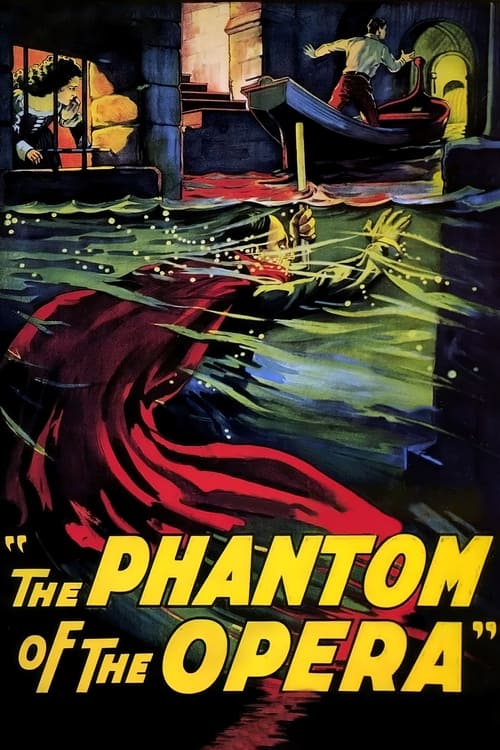
The deformed Phantom who haunts the Paris Opera House causes murder and mayhem in an attempt to make the woman he loves a star.
The Phantom of the Opera
An Irish sports journalist becomes convinced that Lance Armstrong's performances during the Tour de France victories are fueled by banned substances. With this conviction, he starts hunting for evidence that will expose Armstrong.
The Program
Louis-Philippe Fourchaume, another typical lead-role for French comedy superstar Louis de Funès, is the dictatorial CEO of a French company which designs and produces sail yachts, and fires in yet another tantrum his designer André Castagnier, not realizing that man is his only chance to land a vital contract with the Italian magnate Marcello Cacciaperotti. So he has to find him at his extremely rural birthplace in 'la France profonde', which proves a torturous odyssey for the spoiled rich man; when he does get there his torment is far from over: the country bumpkin refuses to resume his slavish position now the shoe is on the other foot, so Fourchaume is dragged along in the boorish family life, and at times unable to control his temper, which may cost him more credit then he painstakingly builds up...
The Little Bather
American filmmaker Stanley Kubrick (1928–1999), one of the greatest in history, but also one of the most reserved, gave few interviews throughout his long career, and none of them were filmed. A first-person journey through his life and work, based on a recorded conversation with French film critic Michel Climent.
Kubrick by Kubrick
Fiona visits Paris for the first time to assist her myopic Aunt Martha. Catastrophes ensue, mainly involving Dom, a homeless man who has yet to have an emotion or thought he was afraid of expressing.
Lost in Paris
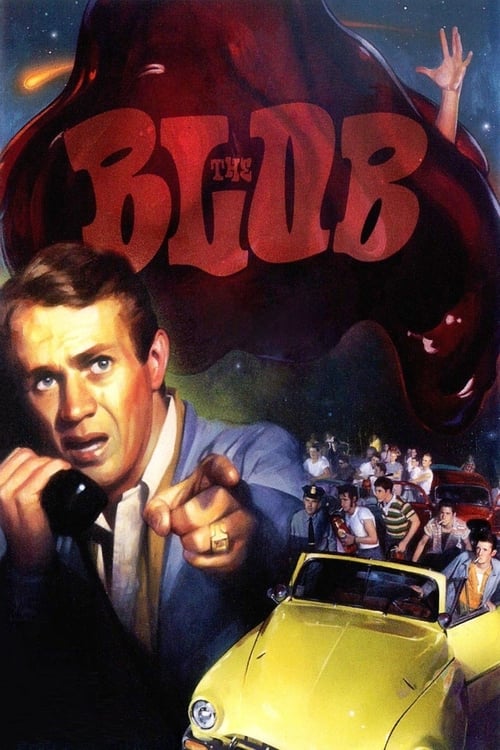
A drive-in favorite, this sci-fi classic follows teenagers Steve and his best girl, Jane, as they try to protect their hometown from a gelatinous alien life form that engulfs everything it touches. The first to discover the substance and live to tell about it, Steve and Jane witness the blob destroying an elderly man, then it growing to a terrifying size. But no one else has seen the goo, and policeman Dave refuses to believe the kids without proof.
The Blob
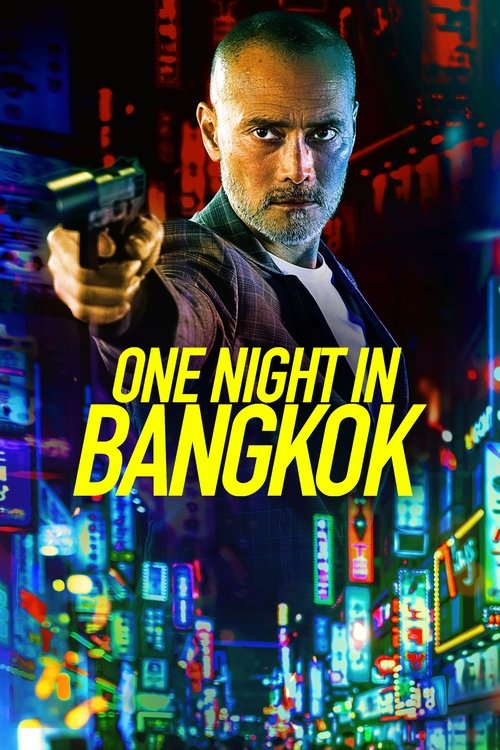
A hit man named Kai flies into Bangkok, gets a gun, and orders a cab. He offers a professional female driver big money to be his all-night driver. But when she realizes Kai is committing brutal murders at each stop, it's too late to walk away. Meanwhile, an offbeat police detective races to decode the string of slayings before more blood is spilled.
One Night in Bangkok

Sophia is a philosophy professor in Montreal and has lived as a couple with Xavier for 10 years. Sylvain is a carpenter in the Laurentians and must renovate their country house. When Sophia meets Sylvain for the first time, it’s love at first sight. Opposites attract, but can it last?