

Vous aimerez aussi
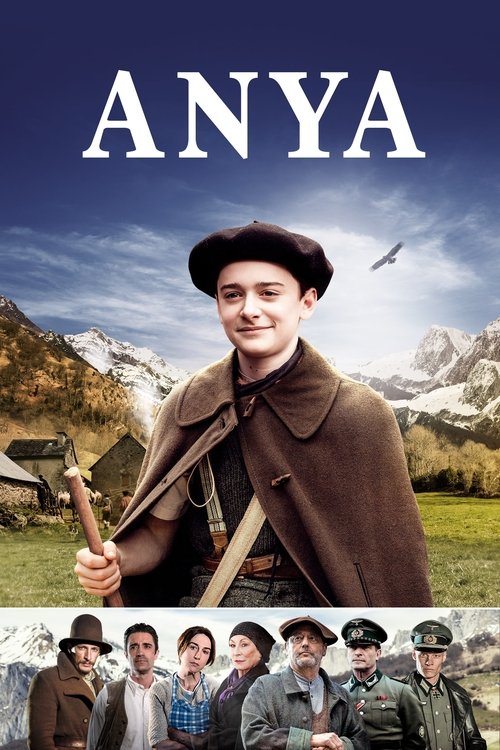
Sous l’occupation, Jo, un jeune berger des Pyrénées voit son existence bouleversée lorsqu’il découvre caché dans une ferme un homme qui attend sa fille Anya pour rejoindre l’Espagne. Cette rencontre lui ouvre les yeux sur les persécutions de la guerre. Avec la complicité de son grand-père, ils décident au péril de leur vie d’aider un groupe d’enfants juifs en fuite à passer la frontière. Une belle histoire d’humanité et de courage dans les splendides décors des Pyrénées.
Anya
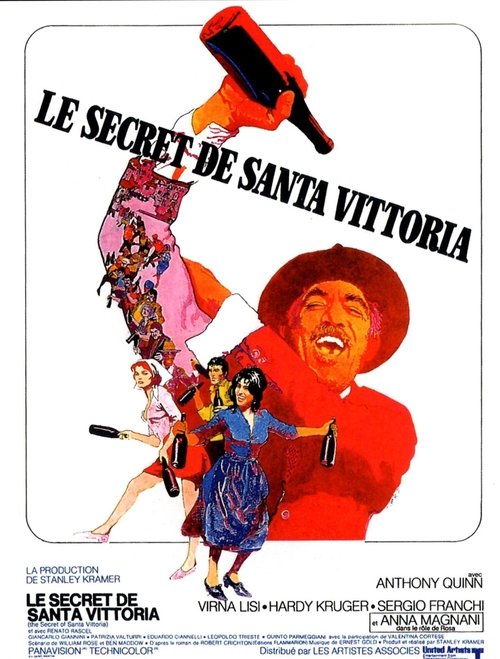
Pendant la Seconde Guerre mondiale en Italie, un village viticole cache un million de bouteilles aux Allemands.
Le secret de Santa Vittoria
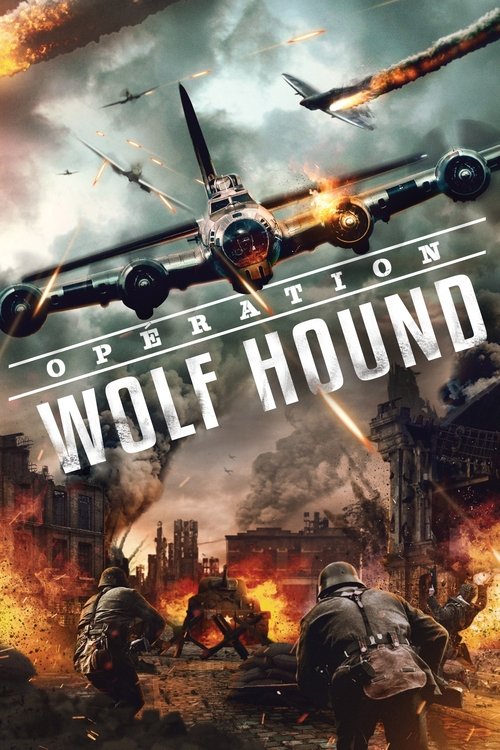
Lors d'une mission de reconnaissance au-dessus de la France occupée par les nazis, le pilote Holden est abattu avec un bombardier B-17. Il atterrit près d'un terrain d'aviation, où il apprend que les Allemands chargent l'avion portant la marque américaine d'une super bombe qui pourrait aider l'Axe à gagner la guerre. Holden doit alors échapper aux patrouilles de recherche et à un soldat nazi vengeur pour sauver l'équipage capturé et arrêter le complot apocalyptique.
Opération Wolf Hound
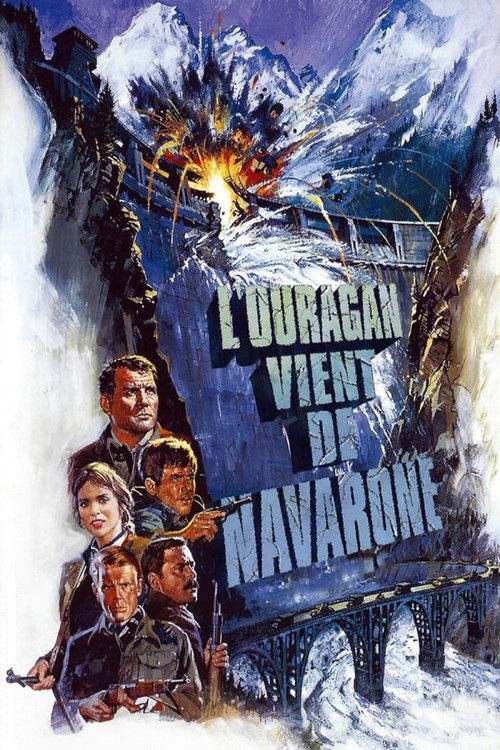
Après une dangereuse mission sur l'île de Navarone, le major Mallory et le sergent Miller doivent se rendre en Yougoslavie pour démasquer un traître qui a infiltré les partisans.
L'ouragan vient de Navarone
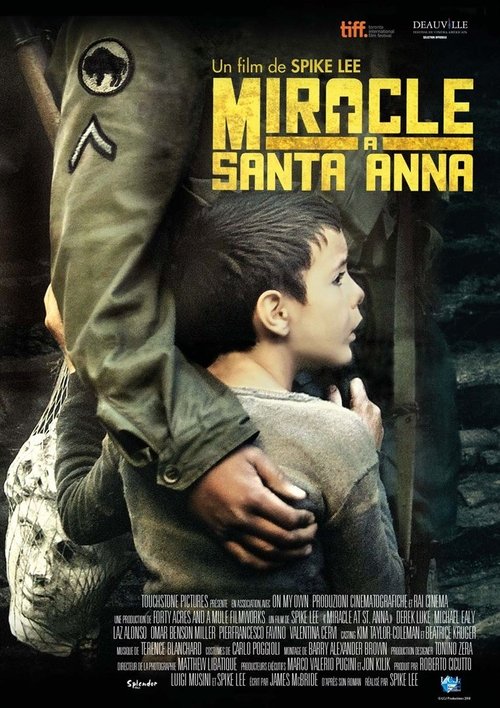
Durant la Seconde Guerre mondiale, dans les montagnes toscanes, une escouade exclusivement composée de soldats noirs américains est encerclée dans un village italien.
Miracle à Santa Anna
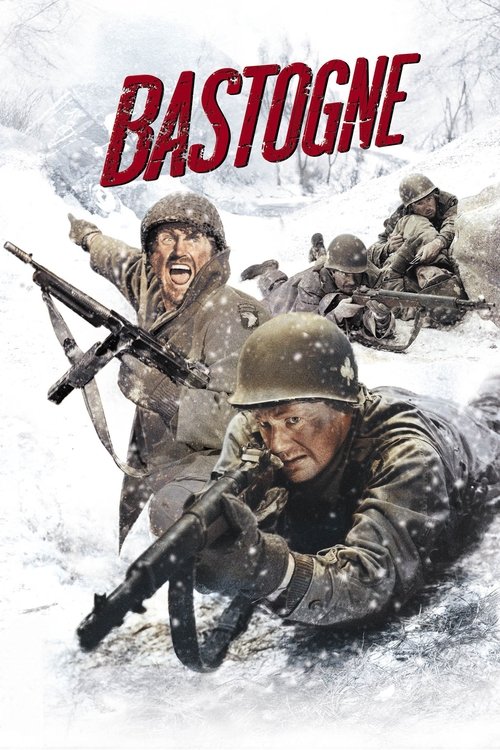
Seconde Guerre mondiale, décembre 1944 : La 101° Division aéroportée atteint la ville de Bastogne. Holley, un soldat, se lie avec Denise. La progression se poursuit, mais le barrage de l'armée allemande est acharné alors qu'elle semblait vouée à la déroute. Certains allemands s'infiltrent parmi les américains pour des missions de sabotage...
Bastogne
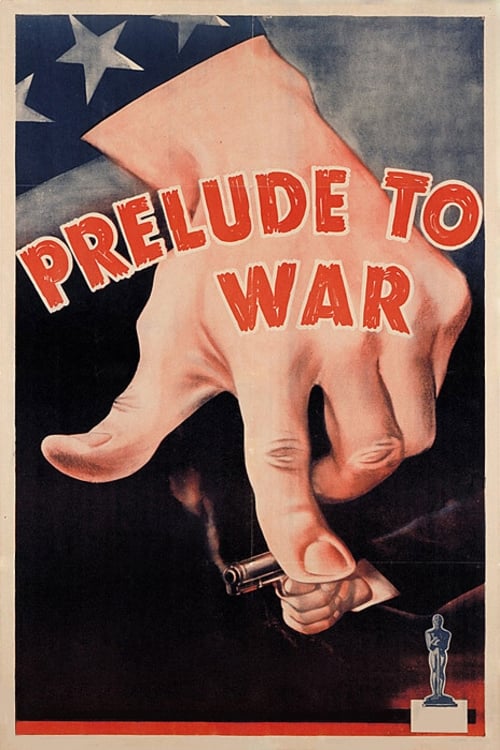
Oscar® du meilleur documentaire en 1943, ce film est le premier de la série Pourquoi nous combattons produite par le Département de la Guerre américain. L’objectif est de décrire et d’expliquer les événements qui ont poussé les États-Unis à entrer en guerre. Les systèmes totalitaires et répressifs allemands, italiens et japonais sont décryptés et opposés à la grande puissance démocratique des États-Unis.
Pourquoi nous combattons : Prélude à la guerre
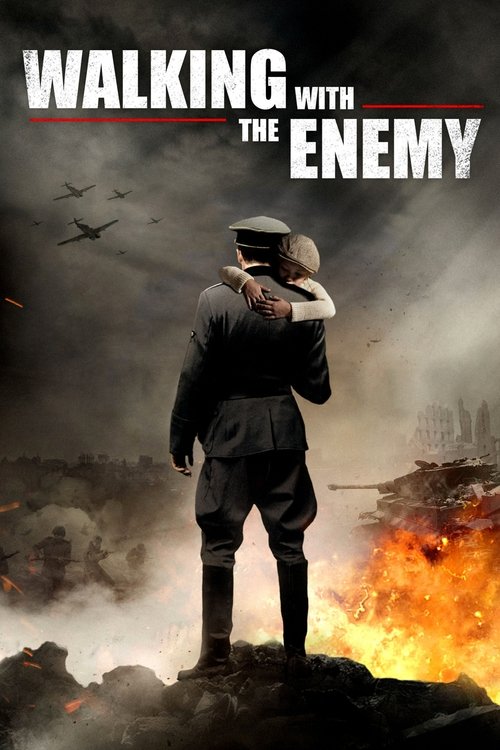
L'intrigue se base à Budapest et dans des villages avoisinants à la fin de l'occupation de la Hongrie par la Wehrmacht lors de la Seconde Guerre mondiale. L'histoire tout autour d'un jeune Juif hongrois, Elek Cohen, qui se fait passer pour un officier de la Schutzstaffel (SS) pour savoir ce qui est devenu de ces amis pendant la Shoah.
Walking with the Enemy
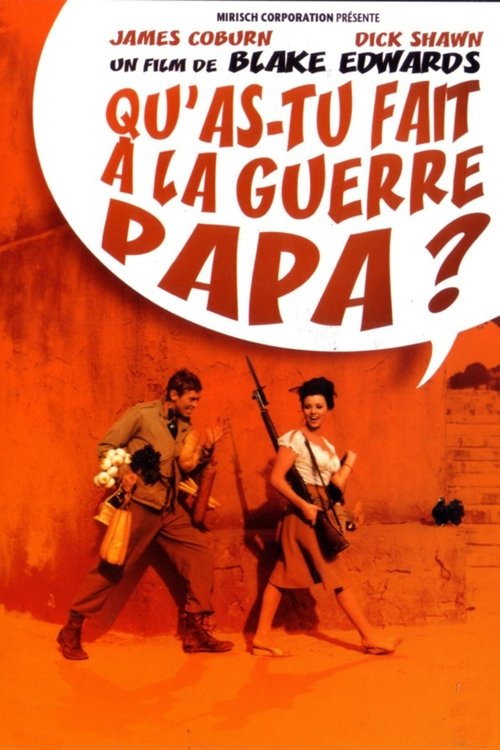
En pleine Deuxième Guerre mondiale en Italie, le commandement américain promeut capitaine le très discipliné lieutenant Cash et le missionne pour conquérir un emplacement stratégique avant l'armée allemande. Il doit donc obtenir la reddition de la petite ville de Valerno, et on lui confie pour ce faire une compagnie de soldats courageux mais dilettantes, tranquillement supervisés par le lieutenant Christian. Sur place, le capitaine italien ne demande pas mieux que de se rendre, mais pas avant le lendemain, autrement dit après la fête annuelle du village, qu'il est hors de question d'annuler.
Qu'as-tu fait à la guerre, papa ?
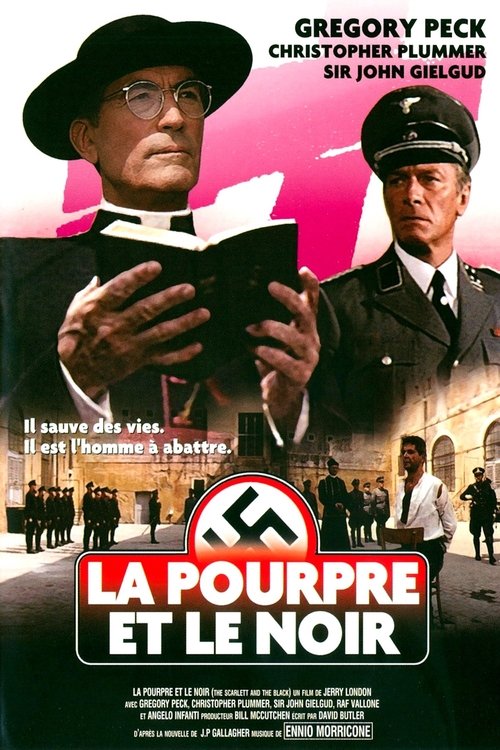
Basée sur une histoire vraie, celle de Monseigneur Hugh O'Flaherty un haut dignitaire du Vatican. En 1943, Mgr O'Flaherty à Rome, sous le pontificat de Pie XII durant l'occupation nazie, use de son immunité diplomatique pour cacher des réfugiés juifs et des familles de résistants italiens. Bien que Mgr O'Flaherty soit protégé grâce à son statut privilégié, le colonel Kappler, chef de la Gestapo lui interdit de quitter le Vatican et ordonne qu'il soit capturé ou abattu s'il en sort. Mgr O'Flaherty fera même l'objet d'une tentative d'assassinat par les Nazis à l'intérieur du Vatican.
La Pourpre et le noir
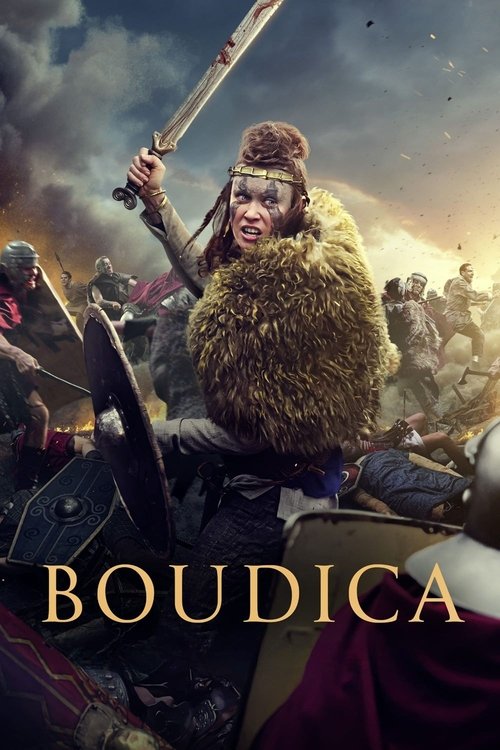
Inspirée par des événements survenus en l'an 60 après J.-C., l'histoire de Boudica suit la guerrière celte éponyme qui règne sur le peuple des Icéniens aux côtés de son époux Prasutagus. À la mort de ce dernier, tué par des soldats romains, le royaume de Boudica se retrouve sans héritier mâle et les Romains s'emparent de ses terres et de ses biens. Poussée au bord de la folie et déterminée à venger la mort de son mari, Boudica rassemble les différentes tribus de la région et mène une guerre épique contre le puissant empire romain.
Boudica
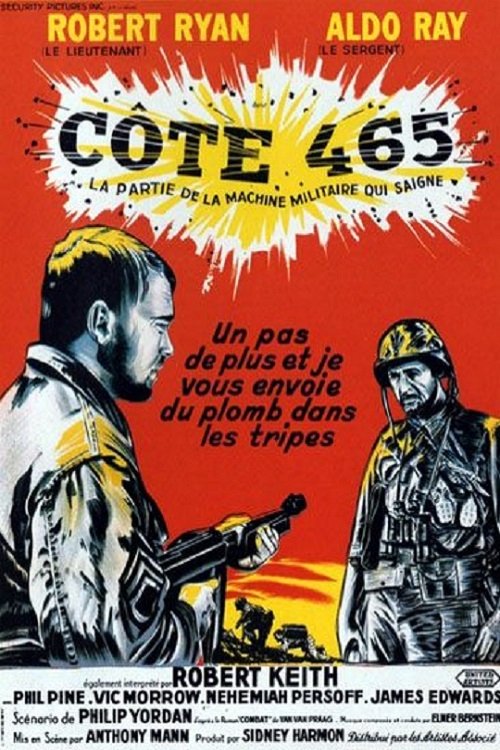
Le 6 septembre 1950, durant la retraite sur Pusan en Corée, le lieutenant Benson, à la tête d'un peloton de seize hommes, tente de regagner les lignes des forces américaines situées à vingt-cinq kilomètres de là, à la cote 465. En chemin, Benson et ses hommes croisent une jeep conduite par le sergent Montana, qui essaie de ramener en lieu sûr un colonel paralysé à la suite d'un choc nerveux et incapable de bouger et de parler. Benson réquisitionne le véhicule pour transporter le matériel dont dispose la petite troupe, et enjoint au sergent Montana de se mettre sous ses ordres. Le groupe progresse, affrontant à intervalles réguliers le tir de l'ennemi toujours présent mais invisible. Chemin faisant, Benson ne cesse de se heurter au sergent Montana, un militaire de carrière qui, mis à part le lien étrange qui le lie à son colonel, ne semble pas afficher de sentiments humains.
Côte 465

Un conflit se développe entre un vétéran du Vietnam en difficulté et la sœur, il vit avec quand elle est impliquée romantiquement avec le copain de l'armée qui lui rappelle la tragique bataille ils ont tous deux survécu.
Jacknife
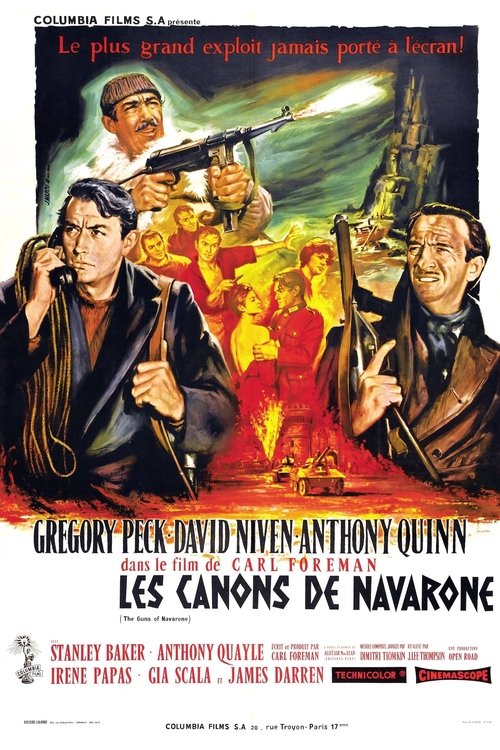
Durant la Seconde Guerre mondiale, les allemands ont installé deux énormes canons sur l'île de Navarone, au large de la Turquie. Ces armes puissantes sont braquées sur l'île voisine de Kheros, rendant impossible l'évacuation des 2 000 soldats de la garnison britannique. Ces hommes assiégés se retrouvent dans une situation critique. L'état-major confie alors à un commando d'élite la délicate mission de détruire ces deux redoutables cerbères. Les 6 hommes, parmi lesquels un alpiniste et un spécialiste des explosifs, doivent, pour s'approcher de leur objectif, neutraliser la vedette de surveillance avant d'escalader la falaise qui protège les canons...
Les Canons de Navarone
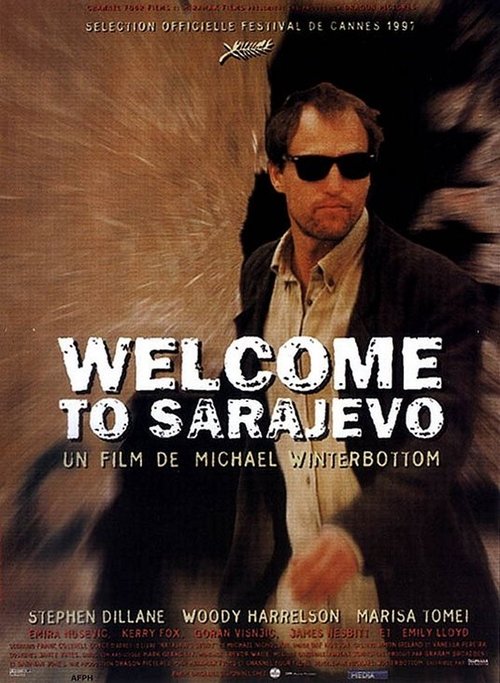
Un journaliste britannique, violemment choqué par les affrontements à Sarajevo, prend fait et cause pour une adolescente bosniaque et tente de la sauver en la ramenant chez lui.
Welcome to Sarajevo

En 1941, Kubis, Curda et Gabcik, d'origine tchèque, se sont réfugiés à Londres. Ils s'y préparent pour une mission de la plus haute importance : l'assassinat de Reinhard Heydrich, qui n'est ni plus ni moins que le bras droit d'Hitler. Parachutés en pleine campagne tchèque, ils entrent en contact avec la résistance locale.
Sept hommes à l'aube
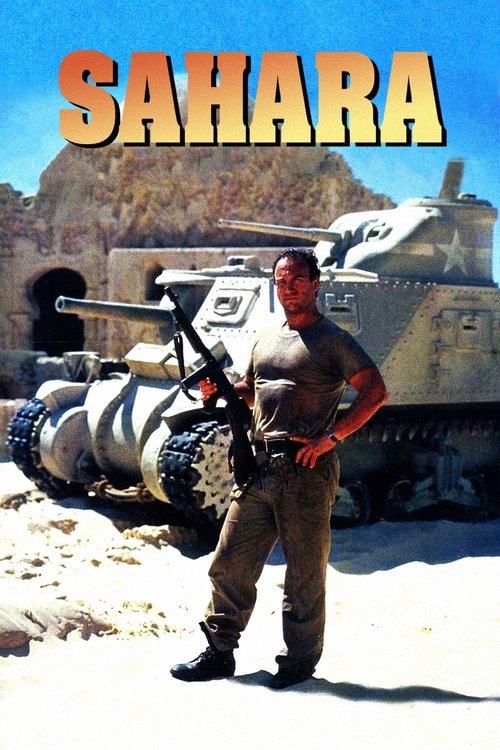
Dans ce remake d'un film de 1943, des militaires américains dans le désert s'allient à une bande hétéroclite pour défendre leur point d'eau contre une brigade nazie. Après la chute de Tobrouk en juin 1942, le Sergent de l’US Army Joe Gunn dirige son tank à travers le désert du Sahara pour échapper aux troupes de Rommel en progression et atteindre les lignes alliées. En chemin, il va embarquer quelques soldats alliés qu’il a rencontré, mais bientôt ils vont être à court d’eau. Il finissent par en trouver dans un ancien puit qui se trouve être l’objectif de tout une brigade allemande. Bien que n’ayant aucune chance d’y parvenir, le Sergent Gunn décide de défendre le point d’eau...
Sahara

Un groupe de soldats allemands, de moins en moins nombreux, se bat pour regagner ses lignes sur le dur front de l'Est.
Front Est : Point de non-retour
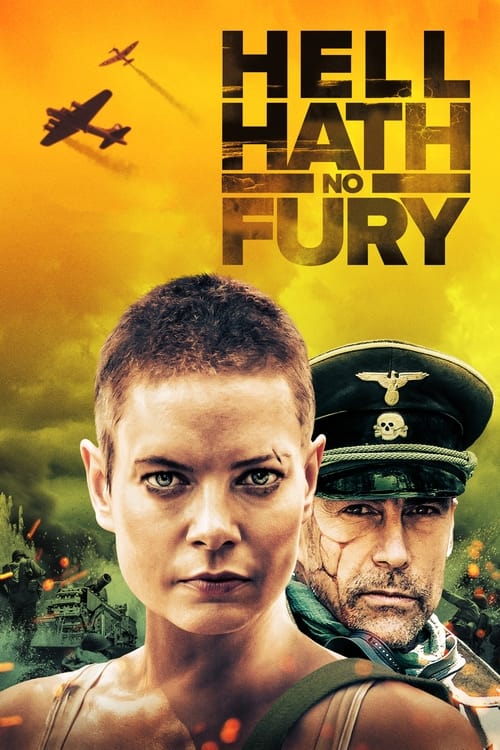
Qualifiée de traître par ses compatriotes, la ressortissante française Marie DuJardin est secourue par des soldats américains à une condition : pour survivre, elle doit les conduire à une cache d'or - avant que les nazis ne reviennent la réclamer pour eux-mêmes.
Hell Hath No Fury
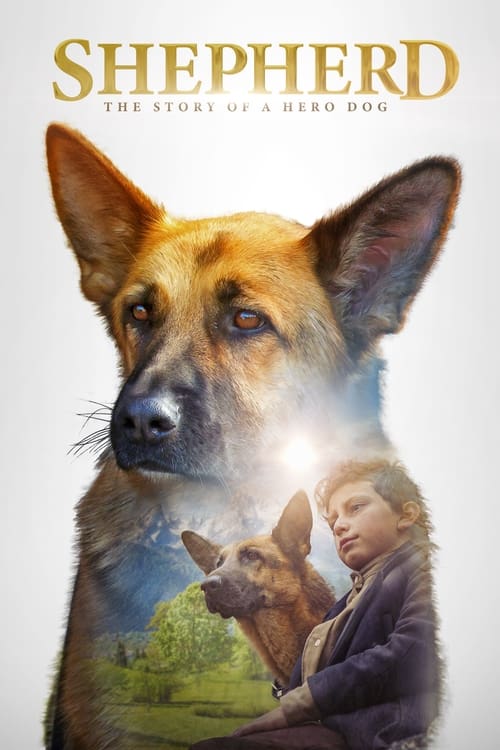
Follow the perilous journey to freedom when a young boy and his dog attempt to escape a concentration camp during World War II. Based on true events.