
Neige, divorcée et mère de trois enfants, rend régulièrement visite à Émir, son grand-père algérien qui vit désormais en maison de retraite. Elle adore et admire ce pilier de la famille, qui l’a élevée et surtout protégée de la toxicité de ses parents. Les rapports entre les nombreux membres de la famille sont compliqués et les rancœurs nombreuses... Heureusement Neige peut compter sur le soutien et l’humour de François, son ex. La mort du grand-père va déclencher une tempête familiale et une profonde crise identitaire chez Neige. Dès lors elle va vouloir comprendre et connaître son ADN.

Alger, 1938. Meursault, un jeune homme d’une trentaine d’années, modeste employé, enterre sa mère sans manifester la moindre émotion. Le lendemain, il entame une liaison avec Marie, une collègue de bureau. Puis il reprend sa vie de tous les jours. Mais son voisin, Raymond Sintès vient perturber son quotidien en l’entraînant dans des histoires louches jusqu’à un drame sur une plage, sous un soleil de plomb…

Août 1957. Un écrivain célèbre d’une quarantaine d’années, Jacques Cormery, rend visite à sa mère qui demeure à Alger. La ville est en état de guerre. Il se souvient de ses années d’écolier, de ses amis européens et algériens et de M. Bernard, cet instituteur qui l’a projeté vers une vie inconcevable pour un enfant né dans une famille pauvre et analphabète. Fidèle à son passé, que peut-il faire pour réconcilier ceux qui comme lui, pieds-noirs et algériens, sont nés sur le même sol, mais que le mouvement de l’histoire a transformés en ennemis héréditaires?

Le Cameroun peu de temps avant l'indépendance, une petite subdivision de l’Administration Française, sorte de chef-lieu de province, loin de tout, coupée des vraies routes, le courrier deux fois par mois. C'est là que vivent l’administrateur Marc Dalens, sa femme Aimée, leur fille France. Les blancs seuls dans la promiscuité des boys. Marc, le plus souvent absent, en tournée d'inspection sur son domaine mène une vie qui semble conforme à ses rêves. Aimée joue son rôle dans la maison comme pour tromper son attente…

Cléo, belle et chanteuse, attend les résultats d'une analyse médicale. De la superstition à la peur, de la rue de Rivoli au Café de Dôme, de la coquetterie à l'angoisse, de chez elle au Parc Montsouris, Cléo vit quatre-vingt-dix minutes particulières. Son amant, son musicien, une amie puis un soldat lui ouvrent les yeux sur le monde.
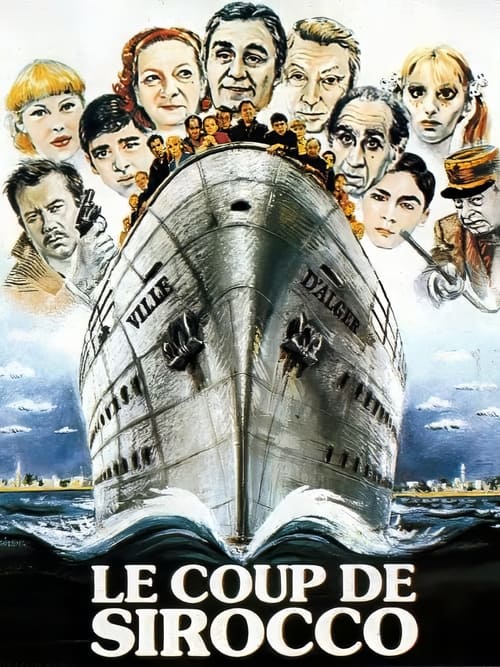
Paul Narboni, juif d'Algérie, se souvient de son enfance heureuse à Oran avant de devoir vendre à bas prix l'épicerie familiale et de quitter le pays suite aux événements de 1954. Avec ses parents, il arrive alors à Marseille avant d'aller à Paris. Épicier, son père Albert va devoir s'adapter à ce nouveau pays. Paul est alors adolescent, c'est le temps des premiers amours. La famille rencontre d'aimables entrepreneurs qui proposent une association à Albert pour une usine de couscous en conserve. Ensemble, ils vont malgré tout s'intégrer peu à peu et s'habituer à leur nouvelle vie...

En 1943, alors que la France tente de se libérer de la domination nazie, le parcours de quatre "indigènes", soldats oubliés de la première armée française recrutée en Afrique. Abdelkader, Saïd, Messaoud et Yassin, réputés pour leur courage, sont envoyés en première ligne. Argent, amour pour la France ou pour l'armée française, foi en la liberté et l'égalité, leurs motivations divergent pour un même combat, libérer la France, les armes à la main.

Quelque part dans une région d'Afrique en proie à la guerre civile, Maria refuse d'abandonner sa plantation de café et tente de sauver la dernière récolte, niant la menace qui pèse.

Messaoud, 9 ans, est un enfant d'Aubervilliers. Parce que sa mère est malade, son père est obligé de le placer dans une famille d'accueil. Nous sommes en 1960, dans le contexte troublé des "événements" d'Algérie. Gisèle, mère "nourricière", décide de travestir l'identité de Messaoud aux yeux de la population de son village du Berry, mais aussi - et surtout - aux yeux de son mari Georges, ancien militaire. Messaoud devient alors Michel, Michou, et c'est sous cette identité, porté par l'affection de Georges et Gisèle, qu'il s'initie à une France profonde. Mais le mensonge de Gisèle, bientôt révélé, va mettre en péril cette relation naissante...

Dans les années 50, en Afrique du Sud, un couple d'Afrikaners donne naissance à une enfant métisse, Sandra. Les parents, membres du parti raciste, découvrent à cette occasion qu'ils ont tous les deux des ancêtres noirs. Malgré sa peau sombre, résultat d'un cas rare d'atavisme, la petite fille est enregistrée comme blanche par les autorités. Mais lorsqu'à 10 ans, Sandra est envoyée en internat dans la même école que son frère, sa présence suscite des brimades et l'indignation du directeur, qui exige et obtient sa «reclassification» comme métisse. Ses parents entament alors un long combat pour que Sandra ait les mêmes droits que les autres Blancs...

Ugolin a réussi. Les œillets qu’il cultive sont splendides, grâce à la source des Romarins. Mais il est bourrelé de remords. N’a‐t‐il pas tué, voici 10 ans, son ami Jean de Florette, pour lui voler sa source ? Manon, la fille du défunt, est devenue une belle et farouche bergère, qui garde des chèvres dans les collines. Ugolin en est amoureux. Mais Manon sait qui a tué son père et repousse violemment son hideux soupirant. Le hasard lui fait découvrir la source des Romarins. Utilisant des pierres, elle en dévie le cours. Dans le village privé d’eau, les langues commencent à se délier. Ugolin et le Papet voient leur crime remonter à la surface…

Septembre 1962. Hélène Aughain, femme au début de la quarantaine et antiquaire à domicile, vit à Boulogne-sur-Mer avec Bernard Aughain, son beau-fils qui revient d'Algérie. Elle fait revenir son amour de jeunesse, Alphonse Noyard, un homme dissimulateur, charmeur et habile. Il arrive accompagné d'une jeune femme, Françoise, actrice débutante, qu'il fait passer pour sa nièce.

Melé est une chanteuse de bar et son mari, Chaka, au chômage s'enfonce dans le silence. Malgré une fille qui les unit, leur couple s'émiette petit à petit. Ils vivent dans une maison qu'ils partagent avec plusieurs familles. Dans la cour, se tient un étonnant événement : le procès de la société civile africaine contre la Banque mondiale et le FMI !

David Lurie est professeur de poésie romantique à l'Université du Cap en Afrique du Sud. Divorcé, il assouvit sans retenue son attirance pour les femmes. Mais la relation qu'il entretient avec l'une de ses étudiantes provoque le scandale, si bien que David se voit forcé de démissionner de son poste. Il trouve alors refuge chez sa fille, Lucy, qui cultive des fleurs dans une ferme isolée à l'intérieur des terres, une région que les Blancs ont quittée après la fin de l'apartheid. Pour continuer à vivre dans ce paysage somptueux David et Lucy doivent se plier à toutes sortes de compromis ; là où les Blancs étaient les maîtres autrefois, leur présence est maintenant à peine tolérée. Le jour où David et Lucy subissent une agression, David est le témoin impuissant du viol de sa fille. Choqué, il se rend compte de la violence faite aux femmes dans la société et prend conscience du comportement abusif qu'il a lui-même toujours eu vis-à-vis d'elles...

Juin 1940. La France s'effondre et signe l’armistice. Au milieu du chaos, un homme refuse de céder. Seul contre tous, ce général inconnu s'échappe vers Londres pour sauver ce qu'il reste d'un rêve : la liberté. Sans armée, sans appui, sans espoir. Mais avec une folle conviction : la France, sa France, n'a pas déposé les armes. Il tente un ultime pari : convaincre le monde que la bataille de France n'est ni terminée, ni perdue. La réalité est têtue, et lui donne tort. Mais peu à peu se lèvent autour de lui en Angleterre, en France et en Afrique des résistants de l'ombre, des lycéens révoltés, des soldats déterminés. Leur foi, leur audace, leur rage de liberté défient l'Histoire qui semblait pourtant écrite d’avance.
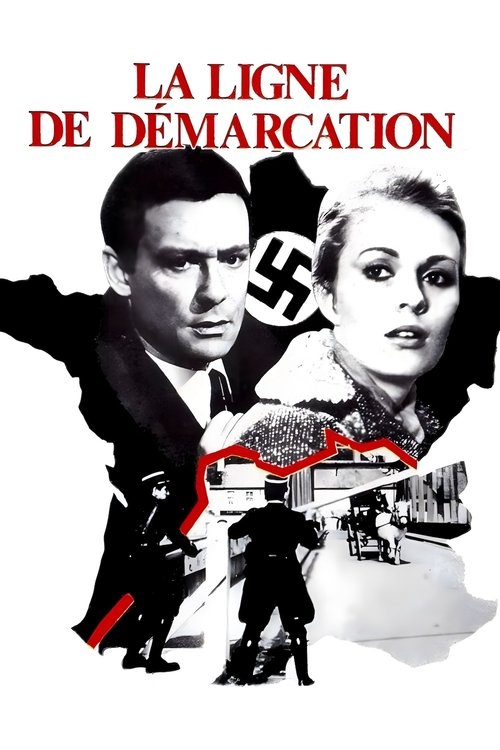
Pendant la Deuxième Guerre Mondiale, sous l'occupation allemande, la ligne de démarcation coupe en deux un village du Jura. Un officier de l'armée française, Pierre, Comte de Damville, est détenu prisonnier par les Allemands. Il est libéré et son château est utilisé par l'occupant comme siège de la Kommandantur locale. Pierre est contraint de collaborer avec les Allemands. Ce que refuse courageusement sa femme, Mary, qui rejoint les rangs de la Résistance. Dans le village, la Gestapo intervient pour rechercher de « dangereux terroristes ». De nombreux habitants (dont certains notables) protègent les membres de la Résistance. Mary sera soupçonnée puis arrêtée par la Gestapo. Pierre ne peut rien faire pour la sauver. Il sacrifiera alors sa vie pour faciliter le passage de la ligne de démarcation par un résistant, crotte de biquette.

Maja reconstruit sa vie avec son mari dans une banlieue calme des États-Unis, après la Seconde Guerre mondiale. Lorsqu'ils rencontrent un homme étrangement familier, leur vie commence à se désagréger tandis qu'ils se demandent si cet homme pourrait être l'un de ses principaux bourreaux alors qu'elle fuyait l'occupation nazie. Convaincue qu'il l'est, Maja prend les choses en main et le kidnappe, déclenchant une série de souvenirs et d'événements qui changeront toute sa perception de la vérité.

Raf et Julie, un couple au bord de la rupture, se retrouvent dans un service d'urgences proche de l'asphyxie le soir d'une manifestation parisienne de Gilets Jaunes. Personnel débordé, manifestants blessés et en colère vont faire voler en éclats les certitudes et les préjugés des deux femmes. Sans compter leur rencontre avec Yann, un manifestant blessé. À l'extérieur, la tension monte, l'hôpital se retrouve assiégé. La nuit va être longue...

A quelques encablures de l’Estaque, le père d'Angèle, d'Armand et de Joseph vient d'être frappé par une attaque et est voué désormais à une vie végétative. Après des années de silence, Angèle est de retour dans le foyer familial, à son corps défendant car elle a un compte à régler avec la famille...

Lorsque son père perd le goût du vin, Charlie Maréchal, œnologue parisien réputé, revient en Bourgogne pour tenter de sauver l’exploitation viticole de la faillite. D’abord réticent, Charlie doit rechausser ses bottes, remonter ses manches et devenir viticulteur. Entre une météo capricieuse et un cépage délicat, il va surtout devoir prouver à son père qu’il est digne de ce terroir transmis de génération en génération dans leur famille. Il est facile de noter un vin, mais comment fait‐on un grand vin ?
Connectez-vous pour donner votre avis
Partagez votre opinion avec la communauté.