Diminished Frame
Synopsis
Saga: My Hand Outstretched to the Winged Distance and Sightless Measure
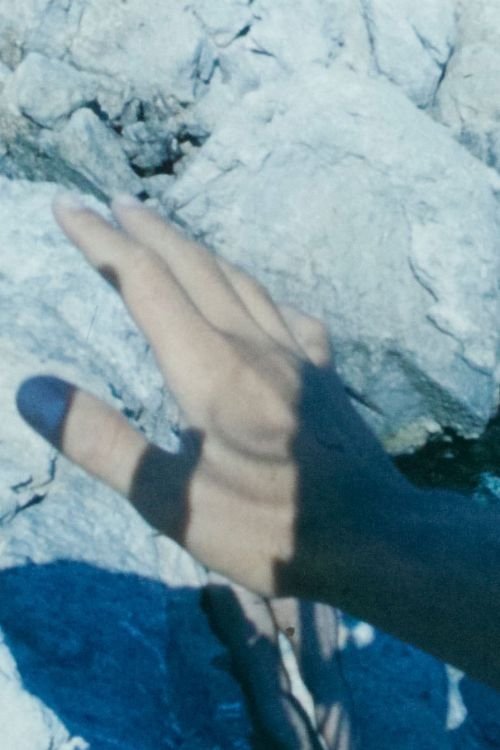
An early exploration of intimacy and perception, the film portrays the body’s beauty and sexuality as animated by the soul. Through dissolving and vanishing images, Beavers creates a sensuous interplay of touch, memory, and after-image, leaving an imprint on both eye and mind.
Winged Dialogue

Filmed in a Brussels hotel room, Beavers alternates between his work desk and lying nude on the bed, while rapid cuts and superimpositions conjure a rush of street scenes and fleeting encounters. The film abandons narrative for a psychic montage of memory, desire, and urban impression.
Plan of Brussels
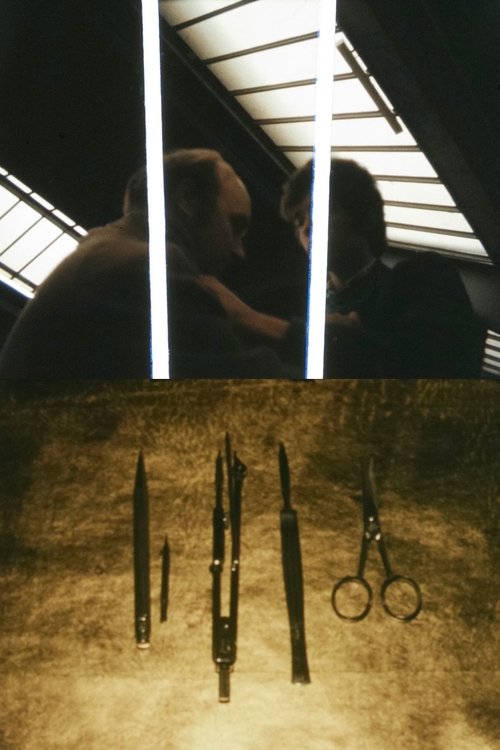
The film is seen as though upon and through the structure of its spiritual partitions. One might say that there are three elements or levels to the images: narrative, descriptive or analytic, and abstract. "The film is seen as though upon and through the structure of its spiritual partitions. One might say that there are three elements or levels to the images: narrative, descriptive or analytic, and abstract. The Count of Days is not an account so much as an accounting of the essence of the days in which three separate persons are related at points … a penetration through the masks and habits of these days to reveal the nature of the charade and the arena in which it is enacted." (Tom Chomont, Film Culture)
The Count of Days
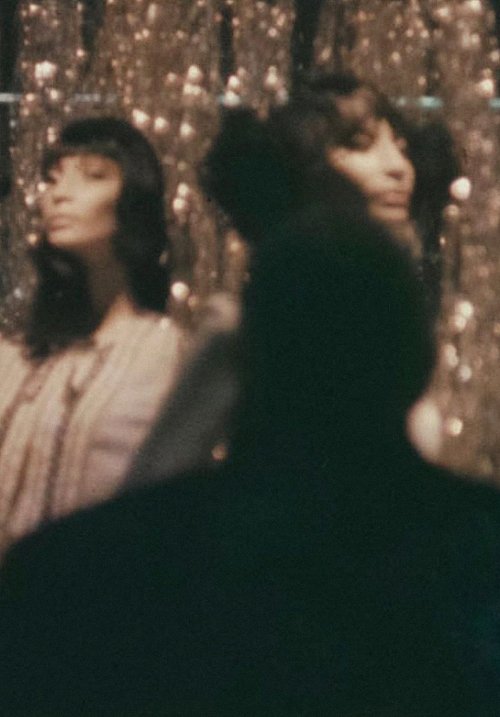
In Palinode a disk-shaped matte continually shifting in and out of focus alternately blocks part of the image or contains it. Its respiratory rhythm matches operatic fragments of Wladimir Vogel’s Wagadu, as the camera studies a middle-aged male singer in Zurich, singing, eating, window shopping, and meeting a young girl. The filmmaker told himself, ‘Don’t let yourself know what that film is about while you are making it.’ (P. Adams Sitney, Film Comment).
Palinode
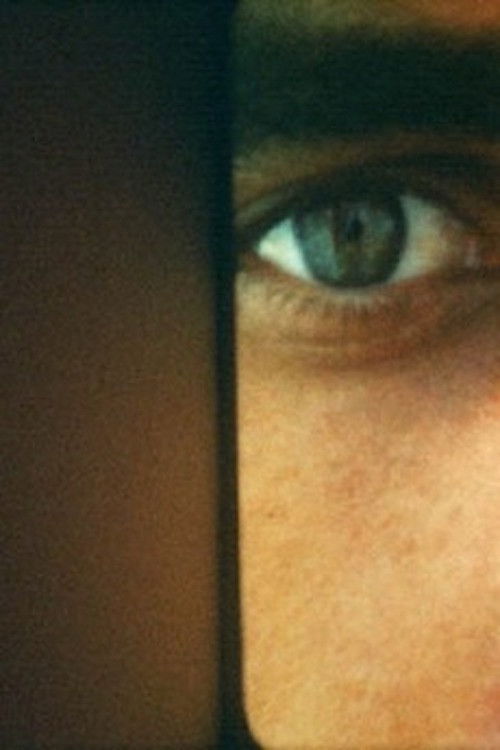
Filmed on Hydra, the work studies a young man’s face across shifting light and landscape, framed through customized masks and filters. The constant visage, set against iconic surroundings, evokes a Renaissance portrait while reflecting on binaries of youth and age, creation and critique, image and text.
Still Light

Beavers intercuts scenes of traffic in Bern with details from the 15th-century altarpiece The Martyrdom of St. Hippolytus. In its revised form, the film gains a psychodramatic intensity, juxtaposing Markopoulos in shafts of light with a torn self-portrait and recurring shots of a shattered windowpane.
The Painting
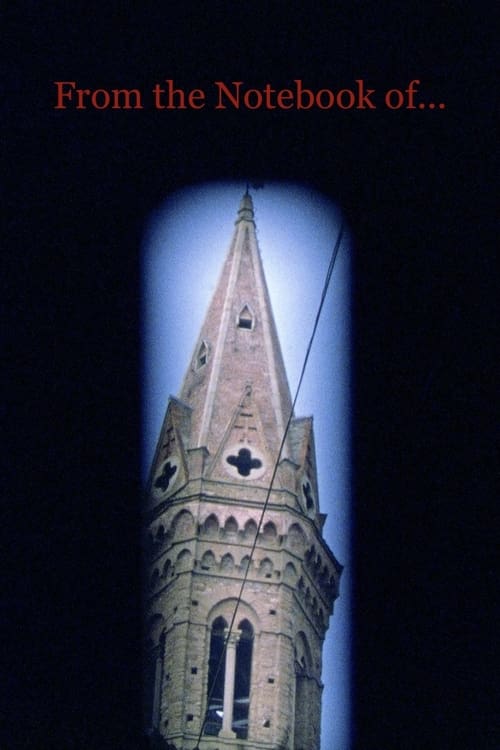
Shot in Florence, the film draws on Leonardo da Vinci’s notebooks and Paul Valéry’s essay on da Vinci’s creative process to explore parallels between Renaissance space and the moving image. Beavers employs rapid pans and tilts along the city’s facades, interspersed with glimpses of his own face, linking camera movement to the filmmaker’s investigative gaze. The work marks a turning point in his practice, foregrounding presence and perception as central to his method. (Note: The film was re-edited and re-released in 1999.)
From the Notebook of...
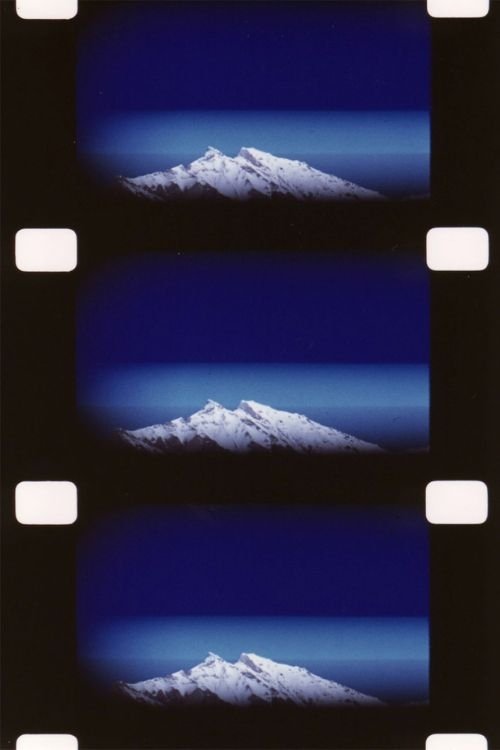
Shot in Florence and the Alps, the film contemplates traditional European labor—ice vaults, bookbinding, cooking—while largely omitting human protagonists. Through textural equivalences between workshop and field, book and forest, stone and mountain, Beavers reflects on the resonance of craft and place.
Work Done

Beavers traces John Ruskin’s legacy from London to the Alps and especially Venice, where the camera lingers on stone and water in dialogue with Ruskin’s writings. Turning pages and images of Unto This Last evoke the critic’s enduring perceptions and political vision, preserved through acts of reading.
Ruskin
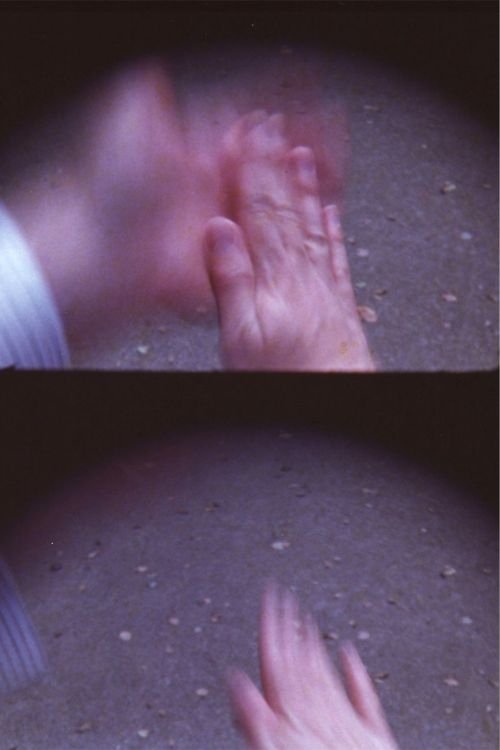
Shot in Rome and Salzburg’s natural theatre, the film uses cutting and sewing as metaphors for love, separation, and the craft of montage. Cloth being trimmed, hands clapping, and tools striking accompany images of tailoring, architectural restoration, and Beavers himself in a new suit, linking gesture and sound to the editing process.
Amor
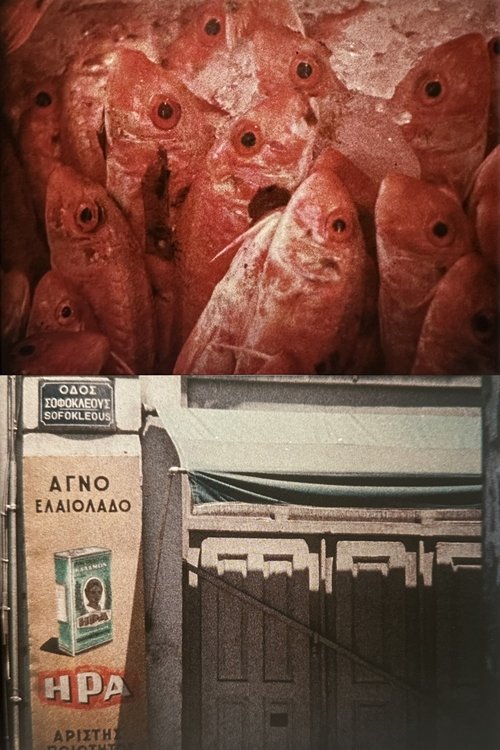
“The details of the young actor’s face – his eyes, eyebrows, earlobe, chin, etc. – are set opposite the old buildings in the market quarter of Athens, where every street is named after a classic ancient Greek playwrite. In this setting of intense stillness, sometimes interrupted by sudden sounds and movements in the streets, he speaks a single word, “teleftea”, meaning the last (one), and as he repeats this word, it moves differently each time across his face and gains another sense from one scene to the next, suggesting the uncanny proximity of eroticism, the sacred and chance.” (Robert Beavers)
Efpsychi

A meditation on landscape and desire, the film juxtaposes arid terrain, wild grasses, and herds of goats with the naked figure of a torso in shifting light. Shepherd’s calls, flute phrases, and the rhythm of bells echo Beavers’ quick, side-to-side camera movements, building to a vibrant visual and sonic ostinato.
Wingseed
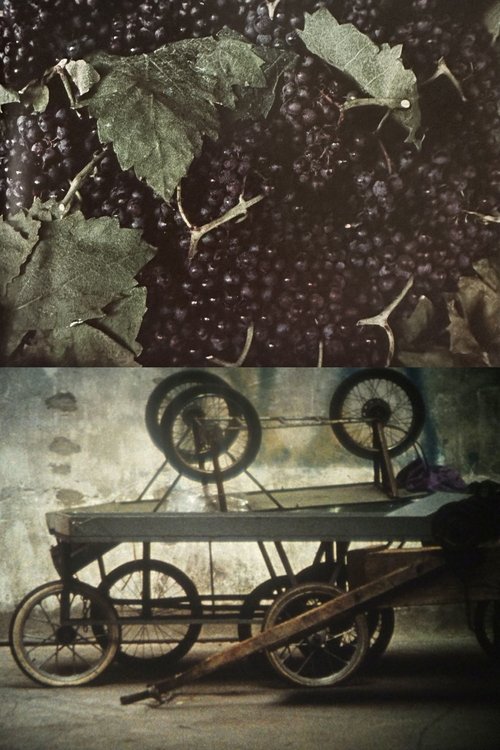
Named for the colonnades of the ancient Lyceum, the film juxtaposes industrial arcades in golden morning light with lush images of streams and wooded glens. Empty of human figures yet rich in presence, Beavers composes landscapes that evoke both 19th-century painting and a quiet sense of spiritual immanence.
The Stoas

Distilled in 1996 from an earlier 50-minute trilogy, this 26-minute film was shot in Greece and Austria and structured around two recurring intertitles, “He said” and “he said.” Each introduces delicate studies of light and place—hotel interiors, cafés, hillsides, storefronts, and street life—framed in parallel variations. The title invokes Apollo as savior and healer.
Sotiros
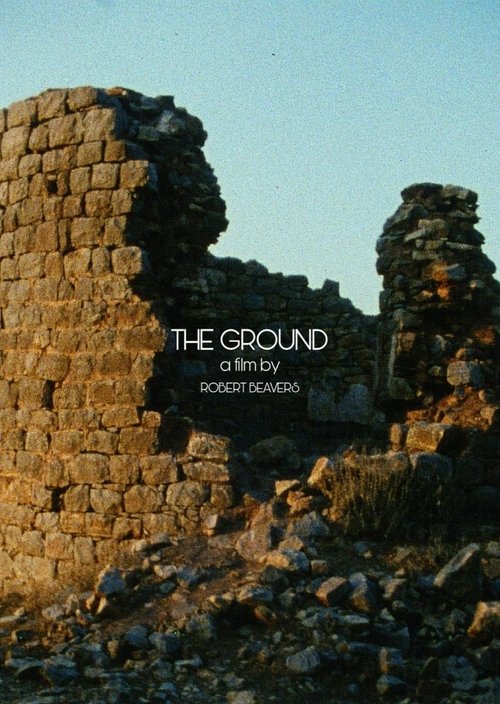
Interweaving stonework and filmmaking, Beavers evokes memory through hammer strokes and chisel sounds that shape both image and rhythm. In this dialogue of repetition and variation, the film carves out a space where emptiness itself gains form, allowing vision beyond sight.
The Ground
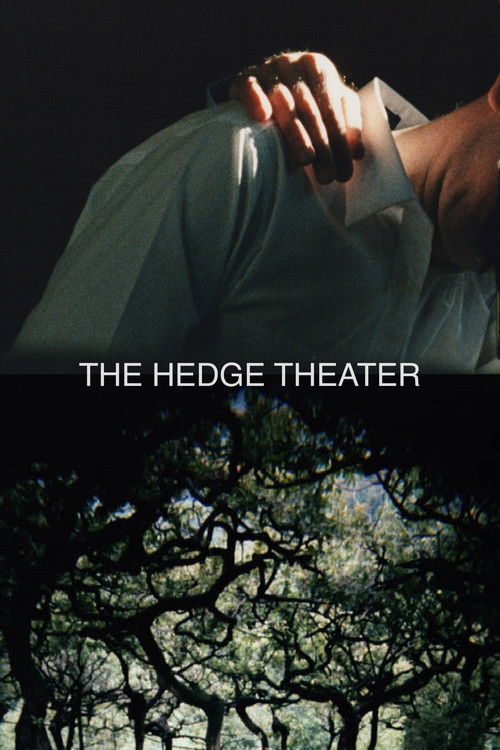
Filmed in Rome in the 1980s, the work draws on Borromini’s Baroque architecture and Il Sassetta’s St. Martin and the Beggar. Beavers contrasts winter’s subdued light with the verdant growth of spring, constructing a precise montage in which image and sound form a poetic dialogue.
The Hedge Theater
You might also like
An inside look at the years of effort and craft that went into the final installment of the Duffer Brothers' generation-defining series.
One Last Adventure: The Making of Stranger Things 5
Three friends discover a mysterious machine that takes pictures 24 hours into the future and conspire to use it for personal gain, until disturbing and dangerous images begin to develop.
Time Lapse
To escape neglect and abuse from his parents, a young boy plants some strange seeds and they grow into a grandmother.
The Grandmother
Set in South Carolina in 1964, this is the tale of Lily Owens a 14 year-old girl who is haunted by the memory of her late mother. To escape her lonely life and troubled relationship with her father, Lily flees with Rosaleen, her caregiver and only friend, to a South Carolina town that holds the secret to her mother's past.
The Secret Life of Bees

Five men wake up in a locked-down warehouse with no memory of who they are. They are forced to figure out who is good and who is bad to stay alive.
Unknown
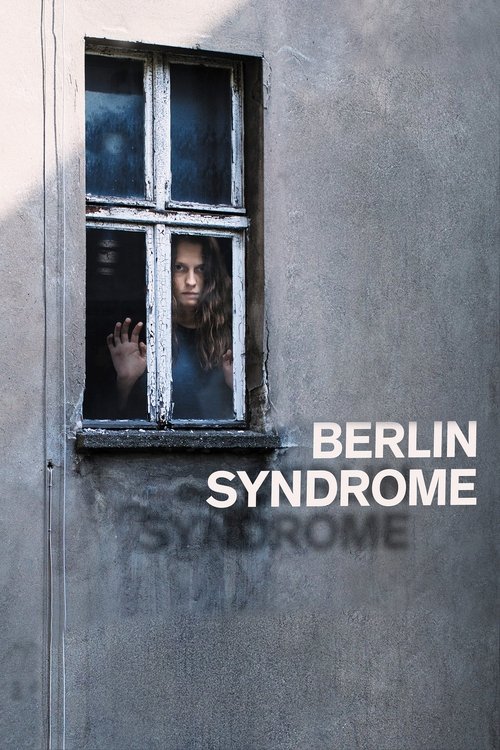
A passionate holiday romance leads to an obsessive relationship when an Australian photojournalist wakes one morning in an abandoned Berlin apartment and is unable to leave.
Berlin Syndrome
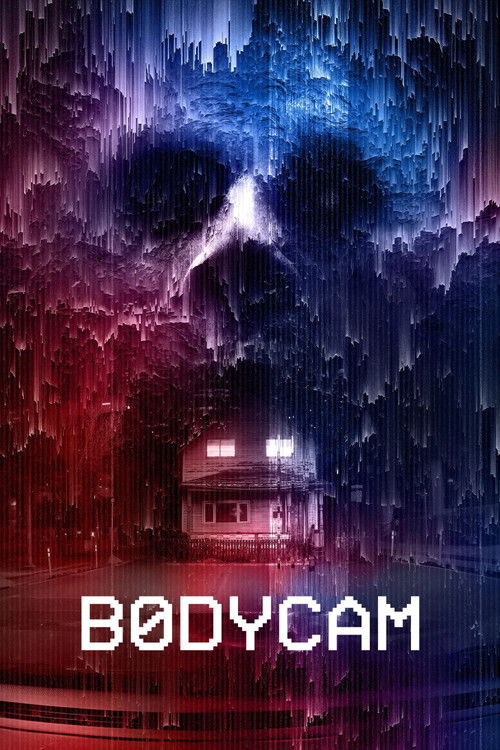
A call to a quiet suburban home unleashes unthinkable carnage when two officers mistakenly shoot a man and his infant child, spiraling the tragedy into a fierce, unrelenting fall into the unknown.
Bodycam

As a visually radical memoir, CAMERAPERSON draws on the remarkable footage that filmmaker Kirsten Johnson has shot and reframes it in ways that illuminate moments and situations that have personally affected her. What emerges is an elegant meditation on the relationship between truth and the camera frame, as Johnson transforms scenes that have been presented on Festival screens as one kind of truth into another kind of story—one about personal journey, craft, and direct human connection.
Cameraperson

Mother, father and daughter go to the park. The women doze off on a bench while the father plays a hide-and-seek game with a girl, blindfolded. Charlie leads him into a lake. Both dozing ladies on the bench fall for Charlie and invite him for dinner. The father returns home with a friend. Charlie rushes upstairs and dresses like a woman, shaving his mustache. Both men fall for Charlie.
A Woman
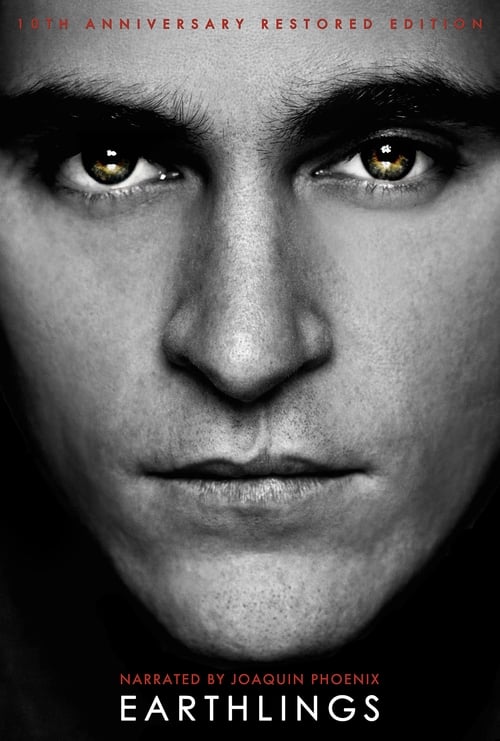
Using hidden cameras and never-before-seen footage, Earthlings chronicles the day-to-day practices of the largest industries in the world, all of which rely entirely on animals for profit.
Earthlings

Unravel the case of Utah therapist Jodi Hildebrandt, whose child abuse arrest with parenting YouTuber Ruby Franke exposed a twisted tale of manipulation.
Evil Influencer: The Jodi Hildebrandt Story
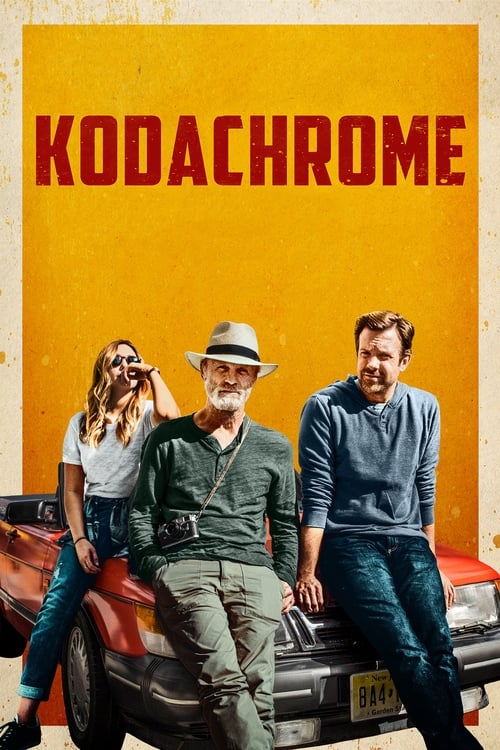
Matt Ryder is convinced to drive his estranged and dying father Benjamin Ryder cross country to deliver four old rolls of Kodachrome film to the last lab in the world that can develop them before it shuts down for good. Along with Ben's nurse Zooey, the three navigate a world changing from analogue to digital while trying to put the past behind them.
Kodachrome

An inside look at one of the most anticipated movie sequels ever with James Cameron and cast.
Avatar: The Deep Dive - A Special Edition of 20/20
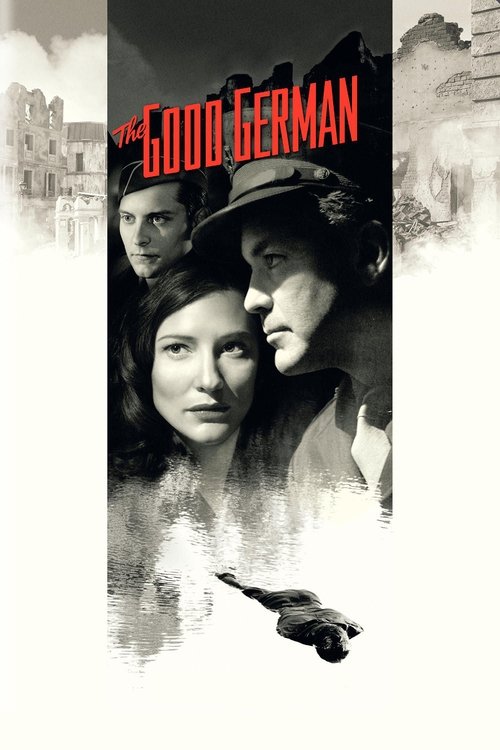
An American journalist arrives in Berlin just after the end of World War Two. He becomes involved in a murder mystery surrounding a dead GI who washes up at a lakeside mansion during the Potsdam negotiations between the Allied powers. Soon his investigation connects with his search for his married pre-war German lover.
The Good German
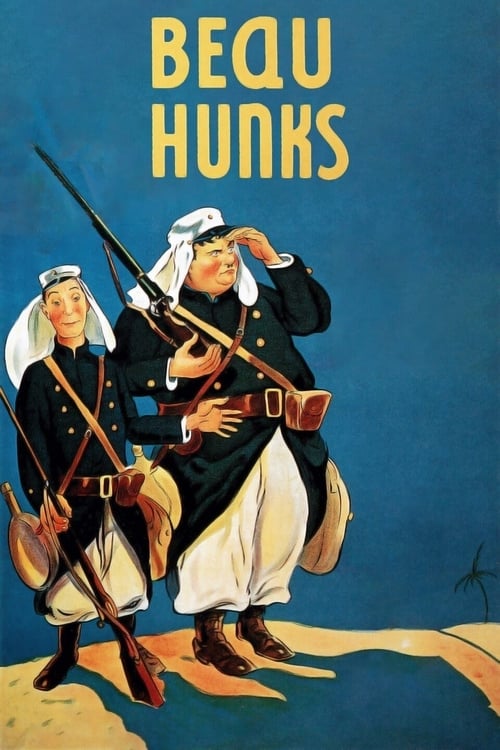
Stan and Ollie join the French Foreign Legion after Ollie's sweetheart rejects him.
Beau Hunks

Based on the best-selling book, Remember the Time: Protecting Michael Jackson in His Final Days, and told through the eyes of Jackson's trusted bodyguards, Bill Whitfield and Javon Beard. The movie will reveal firsthand the devotion Michael Jackson had to his children, and the hidden drama that took place during the last two years of his life.
Michael Jackson: Searching for Neverland
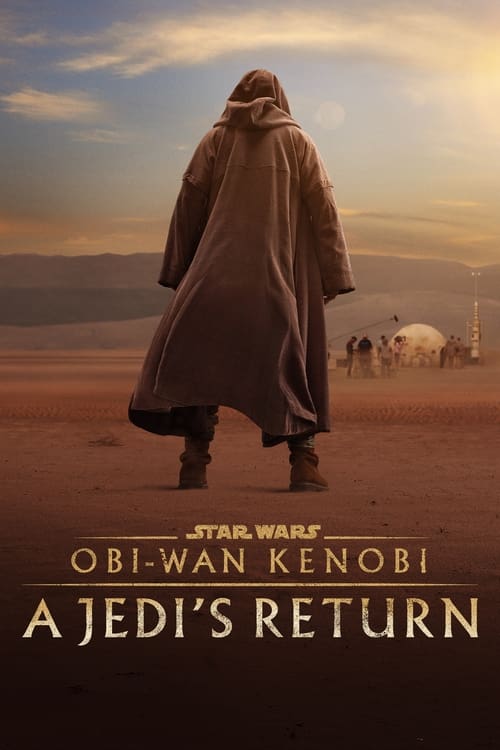
This special explores the return of Obi-Wan Kenobi and Anakin Skywalker to the screen, as well as Ewan McGregor and Hayden Christensen to their classic roles. Director Deborah Chow leads the cast and crew as they create new heroes and villains that live alongside new incarnations of beloved Star Wars characters, and an epic story that dramatically bridges the saga films.
Obi-Wan Kenobi: A Jedi's Return
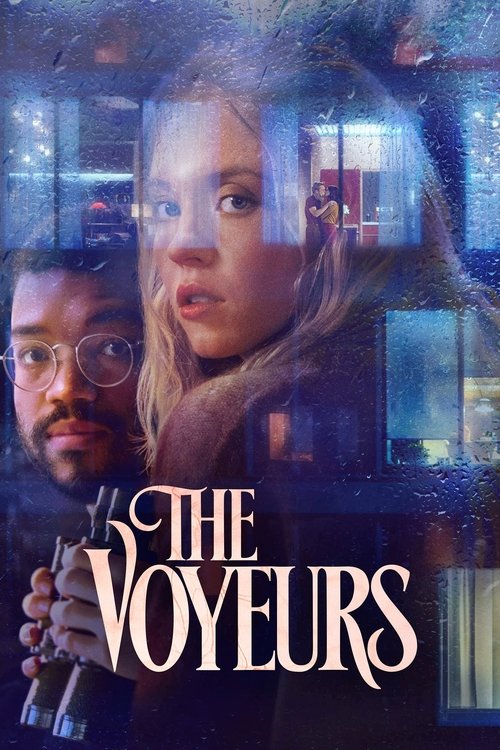
When Pippa and Thomas move into their dream apartment, they notice that their windows look directly into the apartment opposite – inviting them to witness the volatile relationship of the attractive couple across the street. But what starts as a simple curiosity turns into full-blown obsession with increasingly dangerous consequences.
The Voyeurs
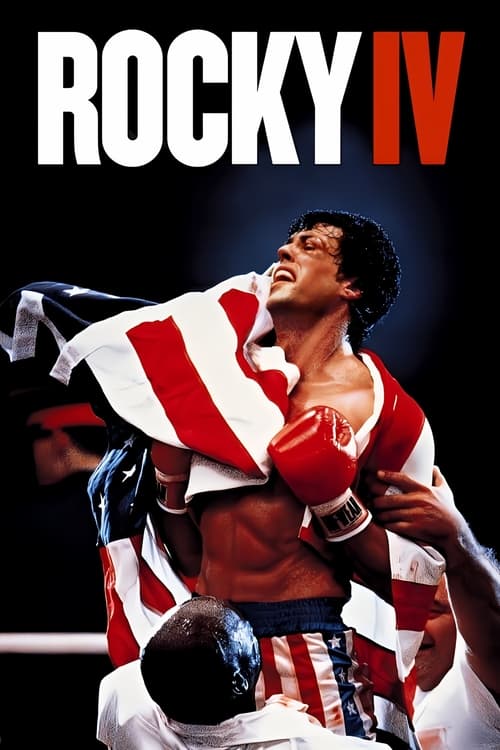
Rocky Balboa holds the world heavyweight championship, but a new challenger has stepped forward: Drago, a six-foot-four, 261-pound fighter who has the backing of the Soviet Union. This time, Rocky's training regimen takes him to Siberia, where he prepares for a globally televised match in the heart of Moscow. But nothing can truly prepare him for what he's about to face – a fight to the finish, in which he must defend not only himself, but also the honor of his country!
Rocky IV
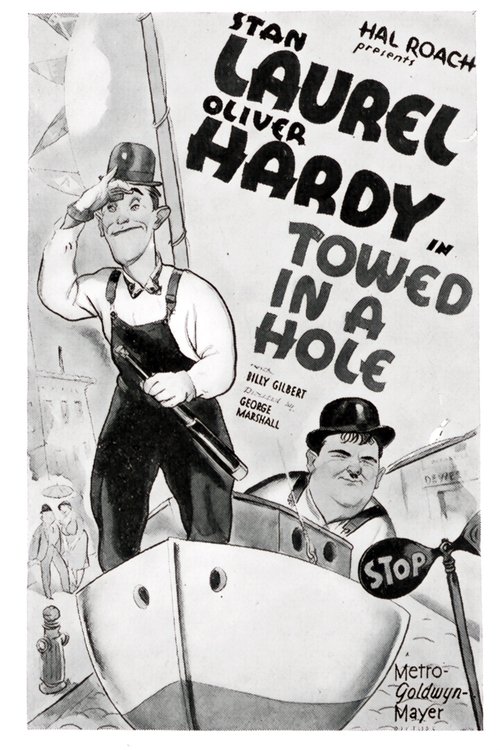
Although they are successful fishmongers, Stan convinces Ollie that they should become fishermen too, but making a boat seaworthy isn't an easy task.